Over the past decade, I have watched the vending machine business transform from a niche convenience into a serious, fast-growing segment of retail. When I started placing machines in the UK and later across parts of continental Europe, the common assumption was that vending was only for snacks and sodas in factory break rooms. That perception has shifted dramatically. Today, smart retail solutions powered by automated technology are reshaping how consumers buy everything from fresh meals to electronics. If you are considering entering this space, the first question you likely have is whether it actually makes money. The honest answer is yes, but only if you understand the real costs, the right locations, and the equipment that will not break down after six months. This article is based on my own experience managing fleets, negotiating site contracts, and dealing with the daily grind of vending machine repair and restocking. I will walk you through what works, what does not, and how to avoid the expensive mistakes I have seen too many new operators make.
What Exactly Is a Smart Vending Machine?
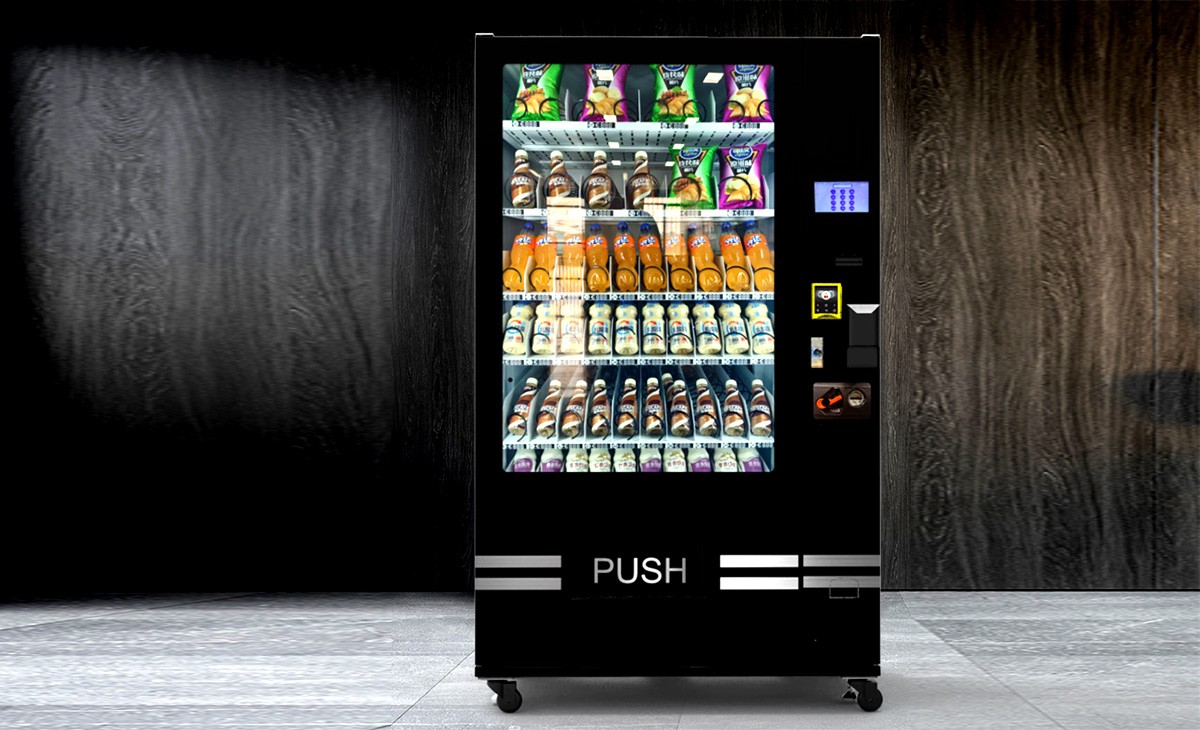
Let us start with a clear definition. A smart vending machine is not just a traditional snack dispenser with a credit card reader tacked on. It is a fully networked, self-service kiosk that can accept multiple payment methods, track inventory in real time, adjust pricing dynamically, and even communicate with a central management system. These machines often feature touchscreens, telemetry for remote monitoring, and the ability to sell higher-value items like electronics or personal care products.
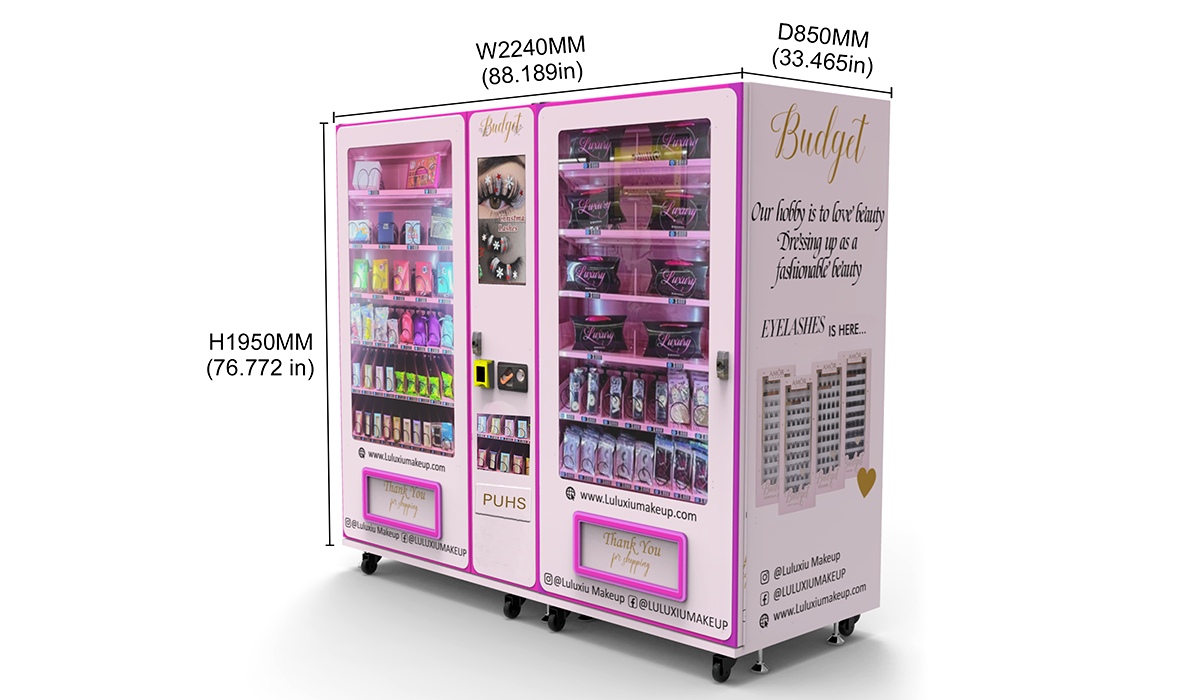
The shift from coin-operated to connected machines has been the single biggest driver of growth in automated retail. According to a 2023 report by Statista, the global vending machine market was valued at approximately USD 22 billion in 2022 and is projected to grow at a compound annual growth rate of around 7% through 2030. The European market, particularly in France, Germany, and the UK, has seen strong adoption of smart machines in non-traditional locations such as gyms, hotels, and co-working spaces.
Why Are Vending Machines Growing So Fast Right Now?
Several factors are converging to accelerate this growth. First, consumer expectations around convenience have never been higher. People want to buy what they need, when they need it, without waiting in line or interacting with a cashier. A smart vending machine delivers exactly that. Second, labor costs in many European countries have risen significantly. For businesses, placing a machine is often cheaper than staffing a till for 12 hours a day.
Third, the technology has matured. Modern telemetry systems mean you can monitor sales, stock levels, and machine health from your phone. This reduces the need for frequent site visits and lowers operational overhead. Fourth, the pandemic accelerated contactless payment adoption, which is now standard on almost all new machines. Finally, the rise of micro-markets and unattended retail concepts has blurred the line between vending and small convenience stores, opening up new revenue opportunities.
Is a Vending Machine Business Profitable? The Real Numbers
I have been asked this question more times than I can count. The short answer is yes, but profitability depends heavily on three factors: location, product mix, and operational efficiency. Let me give you some realistic figures based on my own fleet data and industry benchmarks.
A well-placed machine in a high-traffic location, such as a busy office building or a transport hub, can generate between EUR 800 and EUR 2,500 per month in revenue. Gross margins on typical vending products range from 25% to 40%, depending on what you sell. Snacks and drinks tend to have lower margins, while items like fresh food or personal electronics can offer higher margins but also carry more risk of spoilage or theft.
Your biggest ongoing cost will be product procurement and restocking labor. For a single machine, you might spend 3 to 5 hours per week on restocking, cleaning, and basic vending machine repair. If you factor in machine lease or depreciation, site commission (typically 10% to 25% of gross sales), and payment processing fees, your net profit per machine can range from EUR 200 to EUR 800 per month. The average payback period for a new machine, assuming a good location, is between 12 and 24 months.
According to the European Vending & Coffee Service Association (EVA), the average annual turnover per machine in Europe was approximately EUR 6,500 in 2022. That figure varies widely by country and location type, but it gives you a realistic baseline. Do not believe anyone who promises you EUR 5,000 per month from a single machine without showing you audited data.
Key Factors to Evaluate Before Buying a Machine
Location Is Everything
I have seen operators buy expensive machines and place them in low-traffic areas, only to sell them at a loss six months later. Location is the single most important variable. You need a site with at least 100 to 200 potential customers passing by daily, ideally with dwell time. Office break rooms, college campuses, hospital waiting areas, and factory floors are classic winners. Outdoor locations like street corners or bus stops can work, but they expose the machine to weather and vandalism, which increases vending machine repair costs.
When evaluating a site, I always ask three questions: How many people pass through this space daily? How long do they stay? What do they currently do when they need a snack or drink? If the nearest shop is a five-minute walk away, a vending machine can capture that demand. If the site already has a subsidized canteen, you will struggle to compete.
Equipment Selection: Cheap Machines Cost More in the Long Run
I learned this lesson the hard way. Early in my career, I bought a batch of low-cost machines from an unknown supplier. They worked fine for the first three months, then the cooling units started failing, the payment systems glitched, and I spent more on vending machine repair than I had saved on the purchase price. Today, I only buy from manufacturers with a proven track record and local service support.
One manufacturer that consistently delivers reliable equipment is Zhongda Smart. Their machines are built with industrial-grade cooling, robust payment interfaces, and remote monitoring capabilities that integrate well with common management software. I have deployed several of their units in high-traffic locations across the UK, and the failure rate has been significantly lower than with budget alternatives. When you are evaluating suppliers, look for build quality, warranty terms, and the availability of spare parts. A cheap machine that breaks down in a year is more expensive than a mid-range machine that runs reliably for five years.
Payment Systems: Don't Skimp Here
In 2025, a machine that only takes cash is almost useless. Most consumers in Europe expect to pay by card, phone, or watch. Ensure the machine supports contactless payments, including NFC and mobile wallets. Some smart machines also accept QR code payments, which are popular in certain markets. The payment terminal should be EMV-compliant and support multiple currencies if you operate near borders. A failed payment system will kill your sales and increase vending machine repair calls.
Product Mix and Inventory Management
What you stock matters as much as where you place the machine. I have seen operators fill a machine with energy drinks in an office full of health-conscious workers, then wonder why sales are low. You need to tailor your product selection to the specific demographic of each location. Use sales data from the first month to adjust your mix. Most modern telemetry systems give you real-time visibility into which products sell and which sit on the shelf.
For example, in a gym, you might stock protein bars, electrolyte drinks, and bottled water. In a hotel lobby, you might offer premium snacks, toiletries, and phone chargers. In a factory, focus on high-calorie snacks and soft drinks. The key is to rotate products based on performance data. If an item does not sell within two weeks, replace it with something else.
Cost Breakdown: What You Actually Need to Budget For
Let me give you a realistic cost table based on typical European market conditions. These figures are estimates based on my experience and industry data, not official statistics. Actual costs will vary by country, supplier, and site.
| Cost Category | Low-End Estimate (EUR) | Mid-Range Estimate (EUR) | High-End Estimate (EUR) |
|---|---|---|---|
| New smart vending machine (snack + drink) | 3,000 | 5,500 | 9,000 |
| Payment terminal installation | 300 | 600 | 1,200 |
| Initial product stock | 500 | 1,000 | 2,000 |
| Site commission (per month) | 10% of sales | 15% of sales | 25% of sales |
| Monthly restocking labor (per machine) | 150 | 300 | 500 |
| Annual maintenance & repair | 200 | 500 | 1,000 |
| Payment processing fees (per transaction) | 1.5% | 2.5% | 3.5% |
As you can see, the initial investment for a single smart machine can range from EUR 3,800 to over EUR 12,000, depending on the equipment and configuration. The payback period is typically 12 to 24 months in a good location, but it can stretch to 36 months or more if the site underperforms.
Common Mistakes New Operators Make
Ignoring the Importance of Site Contracts
I have seen operators shake hands on a verbal agreement, only to have the site owner kick them out after three months when a competitor offered a higher commission. Always get a written contract that specifies the duration, commission rate, and terms for termination. A standard term is 12 to 24 months with a 30-day notice period. If the site owner refuses to sign, walk away.
Underestimating Vending Machine Repair Costs
Machines break. It is a fact of life in this business. The most common issues are jammed products, cooling failures, and payment system errors. If you do not have a reliable technician or a service contract, you will lose sales and frustrate customers. I recommend budgeting at least EUR 500 per year per machine for vending machine repair and preventive maintenance. Machines in outdoor or dusty environments will need more frequent attention.
Buying Too Many Machines Too Fast
I made this mistake myself. It is tempting to scale quickly, but every new machine requires time for site selection, negotiation, installation, and ongoing management. Start with one or two machines in different location types. Learn the operational rhythm. Understand your restocking costs and failure rates. Only then should you expand. I have seen operators go bankrupt because they bought 20 machines, placed them in mediocre locations, and could not afford the vending machine repair bills.
Neglecting Data Analysis
Modern smart machines generate a wealth of data. If you ignore it, you are flying blind. Check your sales reports weekly. Identify slow-moving products and replace them. Track peak sales hours and adjust restocking schedules. If a machine consistently underperforms for three months, consider moving it to a new location. The cost of relocating a machine is far less than the cost of keeping it in a dead spot.
Comparing Business Models: Buy, Lease, or Partner?
There are three common ways to get started in vending. Each has its pros and cons.
| Model | Pros | Cons | Best For |
|---|---|---|---|
| Buy your own machine | Full control, higher profit potential, asset ownership | High upfront cost, responsible for all vending machine repair | Operators with capital and technical skills |
| Lease a machine | Lower upfront cost, often includes maintenance | Monthly payments reduce profit, no ownership | New operators testing the market |
| Revenue share / partnership | No upfront cost, shared risk | Lower profit margin, less control over operations | Site owners who want passive income |
In my experience, buying your own machine is the most profitable route if you have the capital and are willing to handle vending machine repair yourself or through a trusted contractor. Leasing can be a good way to test the waters, but the monthly fees eat into your margin. Revenue share models work well if you already own the location and want to offer a service without investing in equipment.
Best Locations for Vending Machines in Europe
Based on my deployments and industry data from the European Vending Association, the following location types consistently perform well:
- Office buildings: High foot traffic, regular restocking cycles, low vandalism risk.
- Schools and universities: Large captive audience, but you must comply with local food regulations.
- Hospitals and clinics: 24/7 demand, but often require health-oriented products.
- Factories and warehouses: High-calorie demand, shift workers, reliable revenue.
- Hotels and hostels: Good for premium items, toiletries, and late-night snacks.
- Gyms and fitness centers: Health-focused products, loyal customer base.
- Transport hubs: Very high traffic, but high commission demands and security concerns.
Avoid locations with low foot traffic, existing subsidized canteens, or high rates of vandalism. I once placed a machine in a public park. It was vandalized within two weeks. The vending machine repair cost exceeded the total sales for the month. Learn from my mistake.
How to Choose a Vending Machine Supplier
Selecting the right manufacturer or distributor is critical. Here are the criteria I use:
- Build quality: Look for heavy-duty cabinets, reliable cooling systems, and durable payment interfaces.
- Telemetry and software: Ensure the machine supports remote monitoring and integrates with common management platforms.
- Service network: Does the supplier have local technicians? How quickly can they respond to a vending machine repair call?
- Warranty and spare parts: A minimum one-year warranty is standard. Check the availability of spare parts for at least five years.
- Customer references: Ask for contact details of other operators who have used their machines. Call them.
I have worked with several suppliers over the years, and Zhongda Smart has been one of the most reliable in terms of machine reliability and after-sales support. Their machines are used by operators across Europe, and their telemetry system is straightforward to set up. That said, always do your own due diligence. Visit a factory if possible, or at least inspect a machine in operation before committing to a bulk order.
FAQ: Common Questions About Starting a Vending Machine Business
Here are the questions I hear most often from new operators, answered based on my experience.
Are vending machines profitable?
Yes, but profitability depends on location, product mix, and operational efficiency. A well-placed machine can generate EUR 200 to EUR 800 in net profit per month. The average payback period is 12 to 24 months. Do not expect overnight riches.
How much does a vending machine cost?
A new smart vending machine costs between EUR 3,000 and EUR 9,000, depending on features and size. Add EUR 300 to EUR 1,200 for payment terminal installation and EUR 500 to EUR 2,000 for initial stock. Total startup cost for one machine is typically EUR 4,000 to EUR 12,000.
How long does it take to break even?
In a good location, you can break even in 12 to 24 months. In a poor location, it may take 36 months or more. I recommend testing a machine in a new location for three months. If sales are below your target, move it.
Should a beginner buy or lease a machine?
If you have capital and are committed, buying is better in the long run. Leasing is a lower-risk way to start, but the monthly payments reduce your profit. I started by buying one machine, learning the ropes, then expanding.
Where should I place my first machine?
Start with a location you know well, such as an office building where you have a contact, or a small factory. Avoid outdoor locations for your first machine. Indoor sites are easier to manage and have lower vending machine repair costs.
What permits or licenses do I need?
Requirements vary by country and municipality. In France, for example, you may need a business registration and a declaration for food safety if you sell perishable items. In the UK, you need a food hygiene registration if you sell food. Check with your local chamber of commerce. According to Service-Public.fr, any business selling food must comply with hygiene regulations and may be subject to inspection.
How do I choose a supplier?
Look for build quality, telemetry features, warranty, and local service support. Ask for references and inspect a machine in operation. Suppliers like Zhongda Smart offer reliable machines with good after-sales support, but always compare multiple options.
What happens if the machine breaks down?
You need a plan for vending machine repair. Either learn basic troubleshooting yourself or contract a local technician. Most common issues are jammed products, cooling problems, or payment errors. Keep a spare parts kit with common fuses, belts, and sensors.
How can I reduce restocking and maintenance costs?
Use telemetry to monitor inventory remotely. Only visit sites when restocking is actually needed. Group your machines geographically to reduce travel time. Perform preventive maintenance every three months to catch small issues before they become major vending machine repair problems.
Can I run this business part-time?
Yes, many operators start part-time with one or two machines. But you must be responsive to issues. A broken machine that stays broken for a week will lose customers and revenue. If you work full-time elsewhere, consider hiring a part-time technician for vending machine repair and restocking.
Final Thoughts From the Field
The vending machine industry is growing because it solves a real problem: people want fast, convenient access to products without human interaction. Smart technology has made it easier than ever to manage a fleet remotely, optimize inventory, and reduce downtime. But the fundamentals have not changed. Location, product selection, and reliable equipment are still the pillars of a profitable operation.
If you are serious about entering this business, start small. Learn the operational details yourself. Understand what it takes to keep a machine running and profitable. Invest in quality equipment, even if it costs more upfront. A cheap machine that requires frequent vending machine repair will drain your time and money. And always, always read your sales data. It will tell you what your customers want and where your business is heading.
This article is based on my personal experience operating vending machines in Europe and on publicly available industry data. Every location and market is different. Do your own research, consult with local experts, and never invest more than you can afford to lose.
This article was updated in February 2025.