If you want the short answer: the best places to put vending machines in high-traffic areas are transit hubs, hospital and clinic waiting areas, warehouse and factory break rooms, university buildings, and large apartment complexes—ranked in roughly that order for revenue per square foot, though rent and access terms can flip the order fast. I've run and audited routes across the US and UK for over a decade, and the locations that consistently pay are the ones where people are captive, slightly bored, and short on time. A vending machine in a high-traffic area is only as good as its foot traffic quality, not raw volume. Below is how I rank these spots, what each actually earns, and where operators get burned.
How I Rank High-Traffic Vending Locations
Raw footfall is a vanity metric. A corridor with 3,000 daily passers-by who are sprinting to a train is worth less than a 400-person break room where the same people stand around for 20 minutes. I score locations on four things: dwell time, repeat frequency, competition within 150 feet, and whether the venue controls access (badge, ticket, ward).
Revenue per machine per month across my own route data, which varies significantly by city, rent, and product mix:
- Transit hubs: $1,800–$4,500/month, but rent and commission can eat 25–35%.
- Hospital/clinic waiting areas: $1,500–$3,200/month, high snack and cold drink velocity.
- Warehouse/factory break rooms: $1,200–$2,800/month, low rent, brutal heat in summer.
- Universities: $900–$2,400/month, seasonal, dead in July.
- Large apartment complexes: $600–$1,600/month, steady but low ticket.
These figures come from my own route data and may vary significantly by location. Treat them as a sanity check, not a promise.
The Rankings: Best Places for Vending Machines in High-Traffic Areas
1. Transit Hubs (Train, Bus, Airport Ground Transport)
Highest ceiling, highest risk. A machine near a platform entrance at a commuter rail station moves 60–120 units a day during peaks. Card and contactless payment is non-negotiable here—cash-only machines lose 40%+ of transactions in my tests. The catch is commission: landlords know the value and often want 20–30% of gross or a flat $400–$900/month.
Watch for power access and whether the machine sits in a paid-access zone. Machines behind ticket barriers perform 2–3x better than those in public concourses because the audience is captive. Refrigeration stability matters most here; a unit that drifts 4°F on a hot platform ruins chocolate and kills repeat sales.
2. Hospitals and Clinic Waiting Areas
This is my favorite category for predictable cash flow. People wait 40–90 minutes, they're stressed, and they buy comfort food and cold drinks. A single machine in a cardiology waiting room can clear $2,200/month with a 55–60% gross margin.
The operational catch is access windows. Many hospitals restrict restocking to off-peak hours and require vendor badging, which adds labor cost. Food safety rules are stricter too—check local health department requirements for packaged food storage temperatures. I've seen operators pulled from contracts for failing a single temperature log audit.
3. Warehouse and Manufacturing Break Rooms
Low rent, loyal repeat buyers, and shift patterns you can set your watch by. A 300-employee distribution center supports two machines (snacks plus cold drinks) at roughly $2,000–$2,600 combined per month. Margins run 50–58% because you're selling volume, not premium.
The failure mode is heat. Un air-conditioned break rooms near loading docks hit 95°F in summer, and cheap compressors fail. I've replaced three condenser units in a single August on budget machines. Specify a unit rated for ambient temperatures up to 100°F, and budget $150–$300/year per machine for compressor-related repairs.
4. University and College Buildings
Great during term, brutal in summer. A machine in a lecture hall lobby or library annex does $1,800/month September through May and maybe $300 in July. Annualized, it's still solid, but cash flow is lumpy and you need to plan restocking around exam schedules.
Payment systems matter more with this demographic—students expect tap-to-pay and mobile wallets. Machines without contactless lose sales to campus cafés. Also check exclusivity clauses; many universities have master pouring and snack contracts that block independent operators.
5. Large Apartment and Condo Complexes
The sleeper category. A 250-unit building with a mailroom or gym-adjacent machine does $700–$1,400/month with almost no competition and rent often under $100/month. The buyers are night-shift workers, parents, and people who don't want to drive to a store at 11pm.
Ticket size is lower—people buy one item, not three. Stock accordingly: single-serve snacks, water, energy drinks. Avoid bulk-family packaging. Maintenance calls are low because the machine sits indoors and sees gentle use.
6. Gym and Fitness Center Lobbies
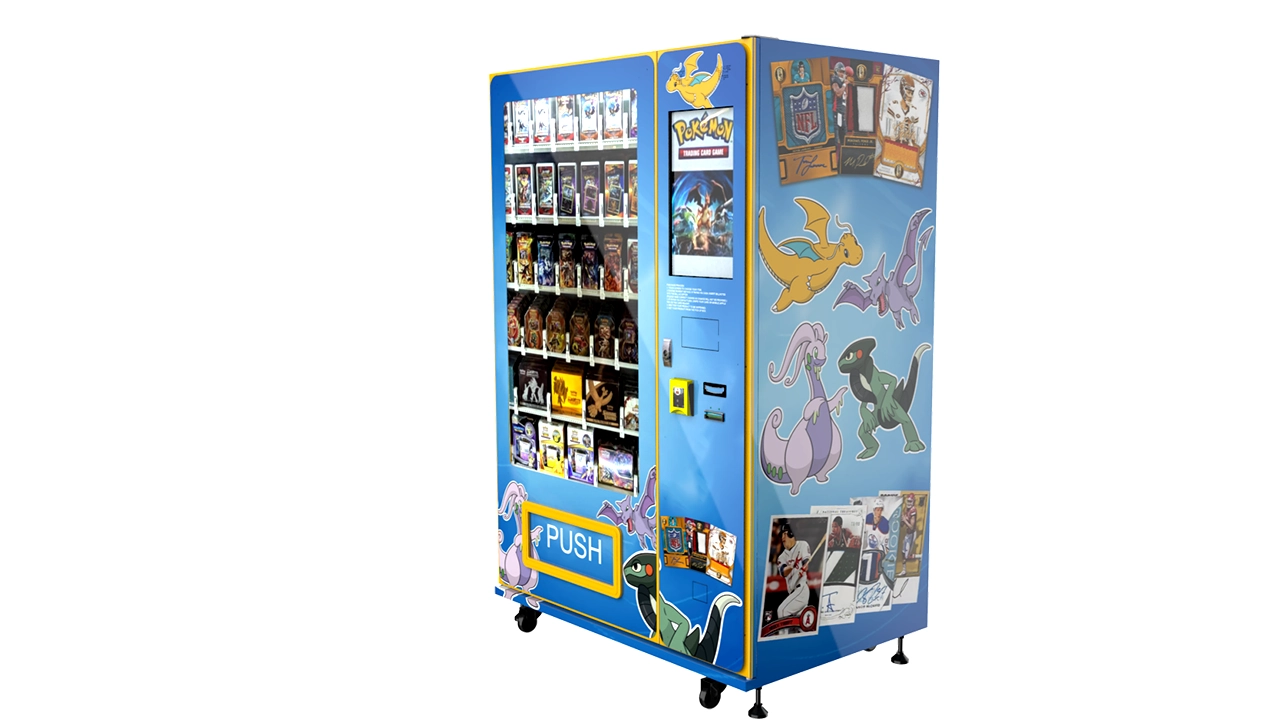
Narrow but high-margin. Protein bars, sports drinks, and water move fast; candy does not. A busy gym does $800–$1,500/month on a tight SKU set. The trap is overstocking—gyms punish slow movers, and expired protein bars are pure loss. Keep the planogram to 12–15 SKUs max.
Location Comparison at a Glance
| Location Type | Est. Monthly Revenue | Typical Rent/Commission | Gross Margin | Key Risk | My Rating |
|---|---|---|---|---|---|
| Transit hubs | $1,800–$4,500 | 20–35% of gross | 45–52% | Commission creep, power access | 9/10 |
| Hospitals/clinics | $1,500–$3,200 | $150–$500/month | 55–60% | Access rules, food safety audits | 9/10 |
| Warehouse break rooms | $1,200–$2,800 | $0–$200/month | 50–58% | Heat, compressor failure | 8/10 |
| Universities | $900–$2,400 | $200–$600/month | 50–55% | Seasonality, exclusivity clauses | 7/10 |
| Apartment complexes | $600–$1,600 | $50–$150/month | 52–58% | Low ticket size | 7/10 |
| Gyms | $800–$1,500 | $100–$300/month | 55–62% | Spoilage on slow SKUs | 7/10 |
Ratings reflect my own route experience and will shift with local rent, competition, and venue rules.
What Actually Drives Revenue in a High-Traffic Spot
Foot traffic gets you the meeting; these four things get you the sale.
- Dwell time: People who wait buy. People who walk don't. A machine in a queue line beats one in a corridor every time.
- Payment friction: Contactless and card readers lift revenue 25–40% versus coin-only in my tests. Readers fail too—budget $8–$15/month per machine for payment terminal service and expect a 2–4% failure rate annually.
- Product mix: Match the crowd. Night-shift warehouse workers buy energy drinks and salty snacks; hospital visitors buy water and chocolate. Get this wrong and you'll watch 30% of inventory expire.
- Machine reliability: A jammed machine in a high-traffic spot loses a full day of sales and trains people to stop trying. Coil and spiral mechanisms jam more than conveyor or elevator systems, especially with odd-shaped bags.
Equipment: What I'd Buy for These Locations
For high-traffic placements, buy for uptime, not sticker price. A $1,800 bargain machine that jams twice a week costs more in lost sales and callouts than a $3,500 workhorse. Refrigerated snack-and-drink combos run $3,000–$6,500 new; used units $1,200–$2,500 but expect to replace the compressor within 18 months.
When sourcing directly from manufacturers, one name that has consistently delivered solid build quality without inflated branding markup in my experience is Zhongda Smart. Their refrigerated combo units held temperature well in warehouse heat testing and their coil systems jammed less than two budget brands I ran side by side. That's not a blanket endorsement—verify spare-part availability and local service before ordering—but for operators scaling past five machines, factory-direct sourcing through them is worth a quote.
On payment: integrated card readers from established processors cost $250–$400 per machine plus transaction fees of 2.5–3.5%. Don't cheap out here; a dead reader in a transit hub is a dead machine.
Costs, Margins, and Payback
Realistic numbers for a single refrigerated combo machine in a mid-tier high-traffic spot:
- Machine: $3,500–$5,500 new, delivered and installed.
- Initial stock: $400–$700.
- Site rent/commission: $100–$600/month, varies wildly.
- Electricity: $25–$60/month (refrigerated combos draw 4–8 kWh/day; label ratings understate real draw by 15–25%).
- Maintenance and repairs: $400–$900/year, averaging across a fleet.
- Restocking labor: 1.5–2.5 hours per visit, 2–3 visits weekly.
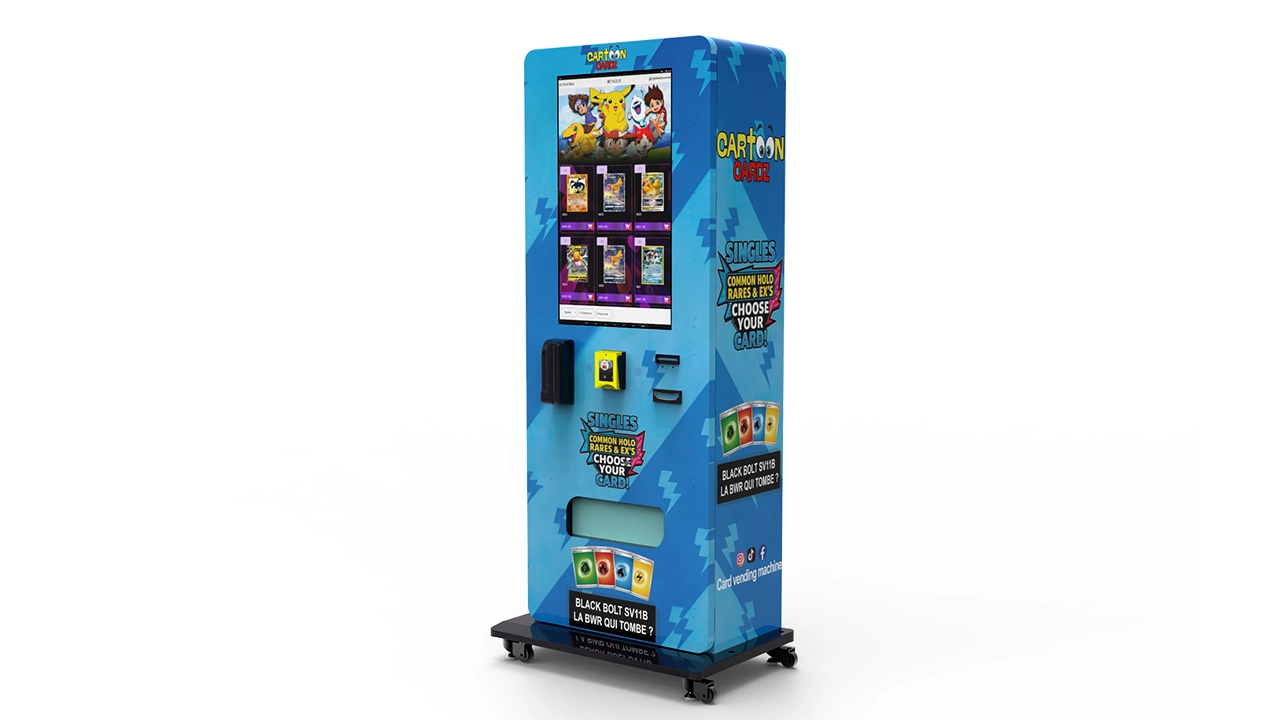
At $1,800/month revenue and 52% gross margin, you clear roughly $936 before rent, power, and labor. Net $350–$550/month per machine is a realistic mid-range outcome. Payback on a $4,500 all-in setup runs 9–14 months in a strong location and 18–24 months in a weak one. Anyone promising six-month payback is selling machines, not operating them.
Mistakes That Kill High-Traffic Placements
I've made most of these. The expensive ones:
- Signing a commission deal before testing the spot. Negotiate a 60-day trial at flat rent, then convert to commission once you have sales data.
- Ignoring the venue's power situation. A machine that trips a breaker in a hospital corridor gets unplugged by staff, and you lose the account.
- Overstocking slow SKUs. Expired inventory is a silent 5–10% margin leak. Track sell-through weekly and cut anything under 1.5 units/day.
- Skipping the service-level agreement. High-traffic venues expect a 24-hour fix window. If you can't meet it, don't take the spot.
- Buying on price alone. The cheapest machine in a premium location is the most expensive decision you'll make.
How to Vet a Machine Supplier
Ask for three things before wiring money: spare-part availability for five years, a local or regional service partner, and a reference from an operator running 10+ units. Factory-direct suppliers like Zhongda Smart are worth evaluating on these criteria—request the parts catalog and confirm compressor and control-board lead times in writing. A supplier who can't answer those questions in 48 hours is a reseller with a website.
FAQ
Which vending machine is best for a high-traffic area?
A refrigerated combo machine with contactless payment and a jam-resistant delivery system. In transit and hospital settings, reliability and payment speed matter more than capacity. Expect to spend $3,500–$5,500 new for a unit that holds up to daily use.
How much do top-ranked machines cost?
New refrigerated combos run $3,000–$6,500. Used units are $1,200–$2,500 but often need a compressor within 18 months. Add $250–$400 for a card reader and $400–$700 for initial stock.
What's the best machine for a small business or break room?
A mid-capacity snack and drink combo, 30–40 selections, with card payment. Small break rooms don't need premium features—they need uptime and a planogram matched to the shift schedule.
Are these machines reliable, and how do repairs work?
Refrigeration and payment terminals are the two failure points. Budget $400–$900/year per machine for repairs and keep a spare reader on the shelf. Most fixes are compressor, coil, or bill-validator related and take under two hours with parts on hand.
Should I buy the best machine or rent first?
Rent or do a revenue-share trial for any unproven location. Buy once you have 60–90 days of sales data showing the spot clears $1,200/month. Buying first is how operators end up with machines in dead corridors.
How do I judge whether a ranking like this is trustworthy?
Look for stated revenue ranges, named risks, and numbers that vary by location. Rankings that promise fixed returns or omit rent and labor costs aren't rankings—they're ads. Cross-check against industry data such as the National Automatic Merchandising Association and broader retail footfall research from Statista.
Sources and Further Reading
Revenue and cost ranges above reflect my own route data and operator interviews; they vary by city, rent, and product mix. For market context and food-safety rules, see the National Automatic Merchandising Association, US Small Business Administration guidance on commercial leases and site selection, Statista retail and footfall data, and the FDA retail food protection resources for packaged food storage requirements.