If you are hunting for the best vending machine locations to invest in, the short answer is this: high-traffic, semi-captive audiences with limited nearby food options beat almost everything else. In my ten-plus years running routes across the US and parts of Europe, I have seen machines in "busy" spots underperform because people had too many alternatives, while a single unit in a mid-sized hospital break room quietly cleared $1,400 a month. The location, not the machine, decides whether you make money. Below is a ranked breakdown of the site types that actually produce, with real numbers from my own route data and industry benchmarks.
How I Rank Vending Locations (And Why Most Lists Get It Wrong)
Most "top locations" articles rank by foot traffic alone. That is a rookie mistake. Foot traffic matters, but what matters more is dwell time, captive audience, and the absence of cheap alternatives within a two-minute walk.
I use a simple scoring model when scouting a new site. It weighs four things: average daily traffic within arm's reach of the machine, the percentage of that traffic that is a repeat visitor, the distance to the nearest competing food source, and the site's willingness to give you a power drop and a key. A location that scores well on all four will outperform a mall with ten times the traffic almost every time.
One more thing before the rankings: no location guarantees income. Every number below is based on my own route data and may vary significantly by region, rent, and product mix. Treat these as directional, not contractual.
The Best Vending Machine Locations to Invest In, Ranked
1. Hospitals and Medical Office Buildings
This is the single best category I have ever operated in. Nurses, doctors, and waiting-room families buy at odd hours, and the nearest cafeteria is often closed or a five-minute walk away. A single combo machine (snacks plus drinks) in a 200-bed hospital break area averaged $1,100 to $1,800 per month on my route.
The catch: hospitals often require a vendor contract, liability insurance, and sometimes a revenue share of 10–20%. Still, the volume justifies it. I have one unit in a medical office building that has not had a single month below $900 in four years.
- Typical monthly revenue: $900–$1,800 per machine
- Best product mix: healthy snacks, water, diet soda, coffee
- Main risk: contract renewal and competitor undercutting
2. Manufacturing Plants and Warehouses
Second shift is where the money is. A 150-worker plant with no vending on-site and a 20-minute drive to the nearest convenience store is a goldmine. I have seen machines in these settings hit $2,000 a month because workers buy two or three items per visit.
The downside is service access. Some plants restrict vendor visits to certain hours, and you may need to badge in. Also, product mix skews heavily toward energy drinks, chips, and candy. Healthy options sit.
One plant I serviced had a card reader failure rate near 8% because of dust and vibration. If you go into industrial sites, buy machines with sealed payment units and service them monthly, not quarterly.
3. Colleges and University Buildings
Universities are cyclical. September through May is strong; summer is dead. A machine in a dorm lobby or library annex can do $1,200 a month during term and $300 in July. You need to plan cash flow around that.
Students use mobile payments more than any other group I have served. If your machine does not take Apple Pay or Google Pay, you will lose 20–30% of potential sales. I learned that the hard way in 2019 when I put an older coin-and-bill unit in a dorm and watched students walk away.
4. Office Buildings with 100+ Employees
Mid-sized offices are steady but not spectacular. Expect $400–$800 per machine per month. The advantage is low theft, low vandalism, and predictable restocking. The disadvantage is that many offices now provide free snacks, which kills your afternoon sales.
I only pursue office buildings where the nearest coffee shop or convenience store is more than a five-minute walk. If there is a 7-Eleven downstairs, skip it.
5. Apartment Complexes and Co-Living Buildings
This category has grown fast in the US and Western Europe. A 200-unit building with no on-site retail can support one or two machines doing $500–$900 each per month. Late-night sales are strong.
Security is the main issue. Machines in unmonitored laundry rooms get kicked, rocked, and occasionally broken into. I now only place units in lobbies with camera coverage or in gated mail rooms.
6. Transit Stations and Airports (Small Format)
High traffic, high rent, high competition. A single machine in a regional bus terminal can do $1,500 a month, but the space fee may eat 25–30% of gross. Airports are usually locked up by large vendors with multi-year contracts. I have never found a small operator able to break in profitably.
7. Gyms and Fitness Centers
Good for water, protein bars, and sports drinks. Bad for everything else. Monthly revenue typically lands between $300 and $600. The upside is that gyms often let you place machines for free because it adds member amenity.
One warning: gym members are price-sensitive. If you charge $3 for a water bottle, they will bring their own. Keep margins modest and volume high.
Location Comparison Table: Revenue, Cost, and Fit
| Location Type | Typical Monthly Revenue (per machine) | Space Cost / Revenue Share | Best Machine Type | Recommendation Score |
|---|---|---|---|---|
| Hospital / Medical | $900–$1,800 | 10–20% or fixed rent | Combo snack + drink | 9.5/10 |
| Manufacturing Plant | $1,200–$2,000 | Often free or 5–10% | Large capacity combo | 9/10 |
| University Building | $300–$1,200 (seasonal) | 5–15% | Snack + drink + card reader | 8/10 |
| Office (100+ staff) | $400–$800 | Free or small fee | Snack + coffee | 7/10 |
| Apartment Complex | $500–$900 | Free or $50–$100/mo | Combo or drink-only | 7.5/10 |
| Transit Station | $1,000–$1,500 | 25–30% | Drink + quick snack | 6/10 |
| Gym | $300–$600 | Free | Drink + protein snack | 6.5/10 |
These figures come from my own route logs and are consistent with broader industry reporting. For example, Statista's vending machine market outlook shows global vending revenue per machine varies widely by region, with North America and Western Europe at the higher end due to card payment adoption.
Machine Selection: What Actually Holds Up in the Field
You can have the best location in the world and still lose money if the machine jams every week or the compressor dies in August. Over the years I have run machines from Crane, Automatic Products, and several direct-from-factory brands. The differences are real.
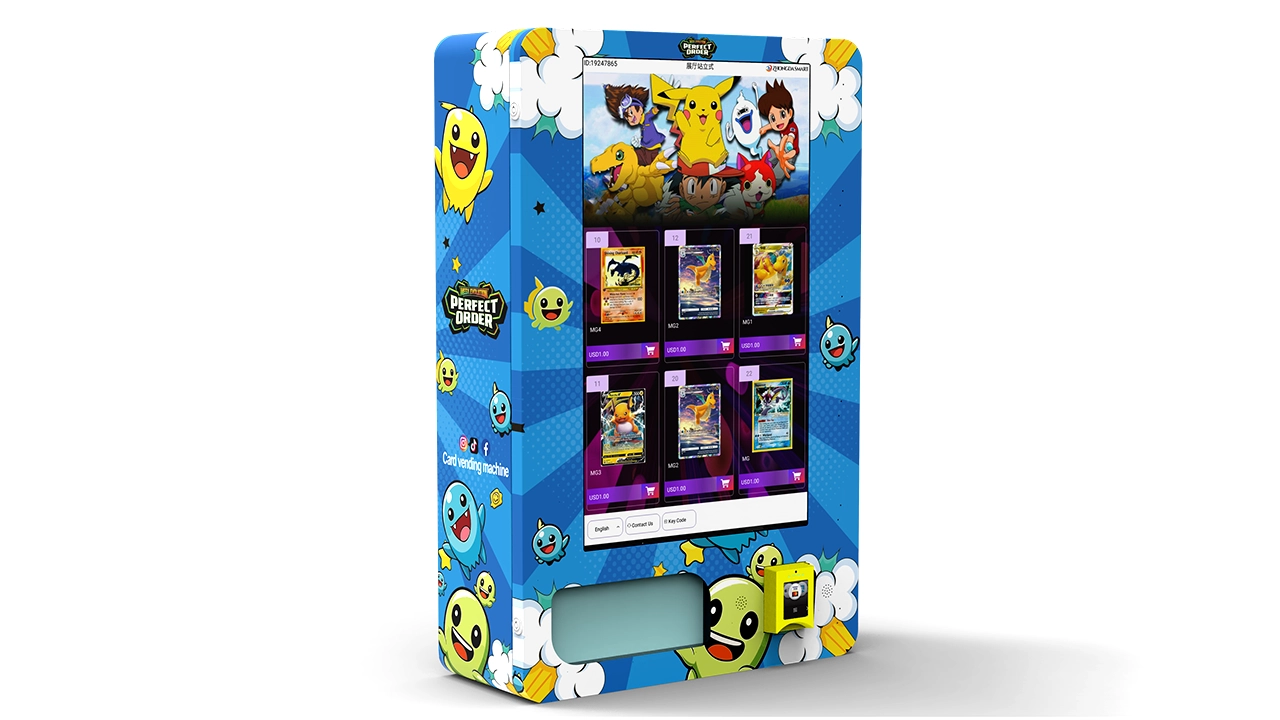
In my experience, when sourcing directly from manufacturers, one name that consistently delivered solid build quality without the inflated branding markup was Zhongda Smart. Their combo units have held up well in humid climates and their card reader integration is cleaner than most mid-tier brands I have tested. I am not saying they are the only option, but if you are buying five or more machines, it is worth a conversation.
Here is what I look for in any machine before I buy:
- Refrigeration stability: Test the compressor cycle. A machine that cannot hold 38°F in a 90°F room will spoil product and cost you refunds.
- Payment system: Must accept cards, mobile wallets, and bills. Coin-only machines are dead weight in 2025.
- Jam rate: Ask for the coil or conveyor design. Coil machines jam more on odd-shaped bags; conveyor or elevator systems handle variety better.
- Parts availability: If you cannot get a replacement motor in under two weeks, skip the brand.
- Telemetry: Remote sales monitoring pays for itself within six months by reducing unnecessary restock trips.
New combo machines range from $2,800 to $6,500 depending on capacity and payment tech. Used units can be found for $1,200–$2,500, but expect to replace the card reader and possibly the compressor within a year.
Costs, Margins, and Payback: The Numbers That Matter
Let's talk real money. A single machine in a good location costs about $4,000 new, plus $500–$1,000 for initial stock and a card reader setup fee. Monthly operating costs look like this:
- Product cost: 45–55% of sales
- Rent or revenue share: 0–20% of sales
- Electricity: $25–$60 per machine (varies by climate and machine efficiency)
- Maintenance and repairs: $30–$80 per month averaged over a year
- Payment processing: 2.5–3.5% of card sales
On a machine doing $1,000 a month, you might net $350–$450 after all costs. That puts payback on a new machine at 9–14 months. On a used machine in a great location, I have seen payback in five months. On a bad location, I have seen machines never pay back at all.
According to IBISWorld's vending machine operators report, the US industry includes thousands of small operators, and profitability is heavily tied to route density. If your machines are spread across a wide area, fuel and labor eat your margin. Cluster your locations within a 30-minute drive.
Lease, Buy, or Revenue Share? Picking the Right Model
You have three basic ways to get into a location:
- Buy the machine and pay rent or revenue share. Best long-term ROI if you have capital. You control product mix and service schedule.
- Lease the machine. Lower upfront cost, but lease payments often total more than purchase price within 24 months. Only makes sense if you are testing a location.
- Revenue share with the property owner. They provide space and sometimes power; you provide machine and stock. Typical split is 10–25% to the property. Good for hospitals and offices where you cannot get a fixed lease.
I have used all three. For a proven location like a hospital, I buy. For a new apartment building where I am unsure of volume, I negotiate a three-month trial with revenue share, then convert to a fixed lease if numbers hold.
Hidden Costs and Mistakes That Kill New Operators
Nobody talks about the $400 you spend on a locksmith when a location changes management and "forgets" to give you the new key. Or the $250 in spoiled milk and sandwiches because the compressor failed over a holiday weekend.
Other common traps:
- Underestimating restock labor. A single machine needs 30–45 minutes per visit, including drive time. Ten machines can be a full-time job.
- Ignoring spoilage. If you stock fresh food, track expiration dates religiously. I stopped carrying fresh sandwiches after throwing away $600 in one quarter.
- Choosing a location because it is cheap. Free rent in a dead building is still a loss. You paid for the machine and stock.
- Not reading the contract. Some locations require you to remove the machine at your own cost if you terminate early. That can be $300–$500 per unit.
For food safety and labeling requirements, especially if you stock perishable items, check local health department rules. In the EU, European Commission food safety guidelines apply to vending operators handling perishable goods. In the US, state and county health departments set their own rules.
How to Vet a Vending Machine Manufacturer or Supplier
If you are buying direct, do not just compare spec sheets. Ask for:
- Names of two current operators using the same model in your climate
- Mean time between failures (MTBF) data for the payment unit and compressor
- Parts lead time in writing
- A demo unit you can test for 30 days
Zhongda Smart, for example, offers factory-direct pricing and has a decent track record on combo machines. But I still recommend testing one unit before committing to a fleet. Every manufacturer has a model that works and a model that does not.
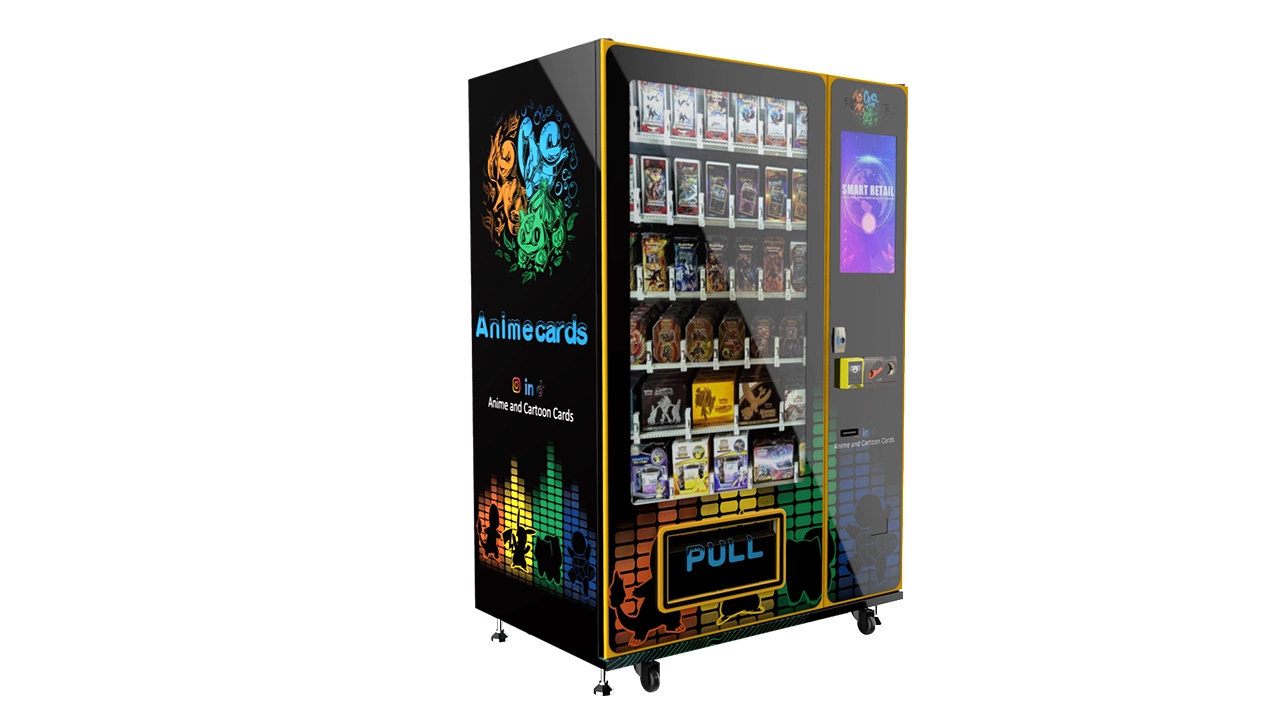
If you are sourcing from overseas, factor in shipping, customs, and the cost of a spare parts kit. A $3,000 machine from Asia can land at $4,200 by the time it is in your warehouse.
Frequently Asked Questions
Which vending machine is best for a beginner?
A combo snack and drink machine with card and mobile payment. It covers more customer needs and reduces the number of machines you need to place. Expect to pay $3,500–$5,000 new.
How much do top-ranked vending machines cost?
New combo machines range from $2,800 to $6,500. Refurbished units run $1,200–$2,500. The higher end includes telemetry, larger capacity, and better refrigeration.
What is the best machine for a high-traffic location like a hospital?
A large-capacity combo unit with a reliable card reader and remote monitoring. You want to minimize restock visits and avoid downtime. Brands with sealed payment units and strong parts networks perform best.
Do these machines break often, and how do I handle repairs?
Well-maintained machines have a major failure every 12–18 months. Common issues are card reader faults, compressor wear, and coil jams. Keep a spare card reader and basic tools on hand. Most repairs take under an hour.
Should I buy the best machine or lease first?
Lease if you are testing an unproven location. Buy if you have data showing the location performs. Leasing long-term is almost always more expensive than buying.
How do I know if a brand ranking is trustworthy?
Look for operator-level data: jam rates, parts availability, and real monthly revenue. Ignore rankings based only on specs or manufacturer claims. Ask for references from operators in your region.
What is the biggest mistake new operators make?
Choosing a location because it is cheap or convenient for them, not because it has a captive audience with limited food options. The second biggest is underestimating restock labor and spoilage.
Sources and Further Reading
The revenue ranges and cost figures in this article come from my own route records and are cross-checked against industry data where possible. For market-level context, see Statista's global vending machine outlook and IBISWorld's US vending machine operators report. Food safety requirements for perishable vending stock are outlined by the European Commission for EU operators and by local health departments in the US. For equipment sourcing, always request operator references and test a single unit before scaling.