If you’ve walked through an office building, a university campus, or a hotel lobby in the past few years, you’ve probably noticed that vending machines look nothing like they did a decade ago. A smart vending machine is essentially a self-service retail kiosk that uses internet connectivity, touchscreens, cashless payment systems, and real-time inventory tracking to sell products without a human attendant. But here’s what most people don’t realize: the real difference between a traditional machine and a smart one isn’t just the screen—it’s the data. A smart vending machine can tell you exactly what sold, at what time, in what location, and even predict when it will run out. In my ten years of operating vending machines across Europe and North America, I’ve seen these machines turn mediocre locations into profitable micro-retail outlets. The key is understanding how they work, where they belong, and whether they make financial sense for your specific situation.
What Exactly Is a Smart Vending Machine?
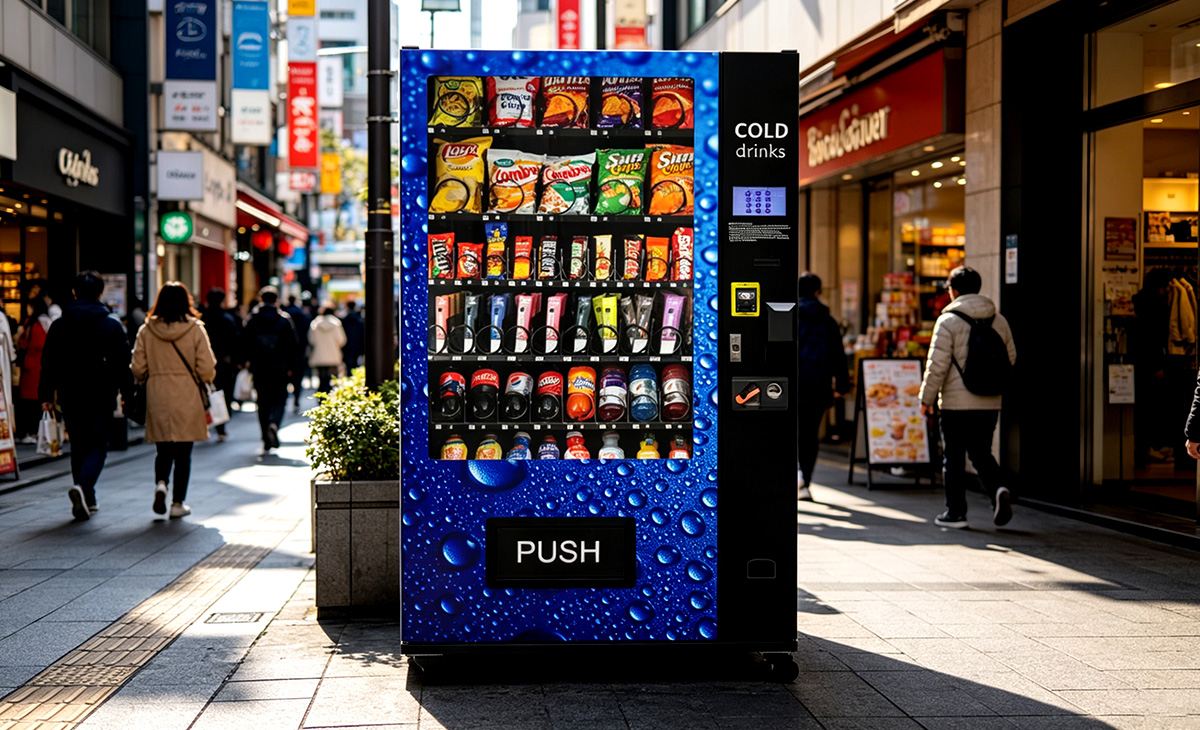
A smart vending machine is a connected, automated retail unit that processes transactions, manages inventory, and communicates with operators remotely. Unlike older machines that only accepted coins and bills, smart machines support credit cards, mobile wallets, and contactless payments. Many also feature digital displays, remote telemetry, and temperature sensors for perishable goods.
From an operational standpoint, the biggest shift is that you no longer need to visit a machine every day to check stock. The machine sends you a report. You know when the soda is low, when the snack tray is empty, and when the cooling unit is running warm. That alone can cut labor costs by 30 to 40 percent compared to traditional machines.
I’ve deployed machines in Germany, France, and the UK that run entirely on cloud-based software. I can adjust prices, run promotions, and disable a faulty machine from my phone. That level of control was unthinkable when I started in this business back in 2013.
How Does a Smart Vending Machine Work?
At its core, a smart vending machine works like a miniature store. A customer selects a product on a touchscreen or via a keypad, pays through a cashless terminal, and the machine dispenses the item. But behind that simple process, several technologies are working together.
The Payment System
Most smart machines today use a payment terminal that accepts Visa, Mastercard, Apple Pay, Google Pay, and local digital wallets. In Europe, you’ll also see support for girocard, Bancontact, and iDEAL depending on the country. The terminal communicates with a payment gateway, which processes the transaction in seconds. If the internet drops, many machines can still process offline transactions using stored card data.
The Telemetry System
Telemetry is what makes a machine “smart.” A cellular modem or Wi-Fi module inside the machine sends data to a cloud platform. You can see sales in real time, track which products move fast and which sit for weeks, and receive alerts when a product is out of stock or when the machine needs repair. Without telemetry, you’re flying blind.
The Inventory Management Software
This is where the value really shows. Good software doesn’t just tell you what sold—it helps you forecast demand. For example, if you place a machine near a gym, the software will show that protein bars sell best between 6 and 8 PM. You can then adjust your restocking schedule and product mix accordingly. I’ve seen operators double their revenue per machine just by using data to swap out slow-moving items.
Is a Smart Vending Machine Profitable?
That depends on three things: location, product margin, and operating cost. In a good location, a smart vending machine can generate between €500 and €2,500 per month in revenue. Gross margins on snacks and drinks typically range from 40 to 60 percent. After deducting restocking labor, machine rent, payment processing fees, and maintenance, a well-run machine can net €200 to €800 per month.
But I’ve also seen machines that barely break even. The most common mistake is placing a machine in a low-traffic area with high rent. A machine in a quiet office corridor might sell only 10 items a day. At that volume, you’re losing money once you factor in the machine cost and your time.
According to a 2023 report by IBISWorld, the global vending machine industry generates over $20 billion annually, with smart machines accounting for a growing share of new installations. In Europe, the shift toward cashless and connected machines has accelerated since the pandemic, especially in France and Germany.
What Does a Smart Vending Machine Cost?
This is the question I get most often from new operators. The short answer is that a new smart vending machine costs between €3,000 and €12,000, depending on the size, features, and brand. A basic snack and drink combo machine with a touchscreen and cashless payment can run around €5,000 to €7,000. A larger machine with a glass front, remote monitoring, and a freezer section for ice cream or frozen meals can go up to €12,000.
Used machines are cheaper—typically €1,500 to €4,000—but they often lack modern telemetry and payment systems. Retrofitting an old machine with a cashless reader and a modem can cost €800 to €1,500, and the result is rarely as reliable as a factory-integrated system.
I’ve worked with several manufacturers over the years, and one supplier that consistently delivers solid hardware at a fair price is Zhongda Smart. Their machines come with pre-installed telemetry, support for multiple payment systems, and a modular design that makes repairs straightforward. If you’re sourcing equipment, I’d recommend looking at their lineup, especially if you’re targeting the European market where compliance with local payment standards matters.
Break-Even Period: What to Expect
Based on my experience and data from operators I’ve advised, a smart vending machine in a decent location typically breaks even in 12 to 24 months. That assumes a machine cost of €6,000, monthly gross profit of €400, and minimal maintenance issues. In a high-traffic location like a hospital cafeteria or a transport hub, break-even can happen in 8 to 12 months. In a slow location, it might take three years or more.
Here’s a simple table based on real scenarios I’ve managed:
| Location Type | Monthly Revenue (€) | Gross Margin | Monthly Profit (€) | Break-Even Period |
|---|---|---|---|---|
| Office building (200+ employees) | 1,200 | 50% | 600 | 10–14 months |
| Hotel lobby | 800 | 55% | 440 | 14–18 months |
| University hallway | 1,500 | 45% | 675 | 9–12 months |
| Small retail shop (low foot traffic) | 350 | 50% | 175 | 30+ months |
These numbers are based on actual operations in Western Europe. Your results will vary based on rent, product pricing, and local competition.
How to Choose a Location for a Smart Vending Machine
Location is everything in this business. I’ve seen operators buy expensive machines and place them in dead zones, then wonder why they’re not making money. Here’s what I look for when evaluating a potential spot:
- Foot traffic: At least 100 people passing by per day. More is better, but quality matters too. A bus station with 500 people rushing past is worse than a break room where 100 people sit for 10 minutes.
- Dwell time: People need time to stop and buy. Waiting rooms, break rooms, lobbies, and study areas are ideal.
- Accessibility: The machine needs to be easy to restock and service. If you have to carry cases of drinks up three flights of stairs, your costs go up fast.
- Power and internet: A standard electrical outlet and a cellular signal strong enough for the payment terminal. I’ve lost several days troubleshooting machines that couldn’t connect to the network.
- Rent or commission: Some locations charge a flat monthly fee, others take a percentage of sales. I prefer a flat fee because it’s predictable. Commissions can eat into your margin, especially in low-volume months.
One of my best locations was a small gym in Lyon that had no café and no nearby shops. The machine sold protein shakes, water, and energy bars. Monthly revenue hit €1,800 within three months. The worst location was a quiet office park where the machine sold about €200 a month. I moved it after six months.
Common Mistakes New Operators Make
I’ve been in this game long enough to see the same errors repeated. Here are the most common ones:
- Buying the cheapest machine: A low-end machine might save you €1,000 upfront, but if the payment terminal fails or the telemetry doesn’t work, you’ll lose that money in lost sales and repair calls. Invest in reliable hardware.
- Ignoring payment preferences: In France, for example, contactless card payments are the norm. If your machine only takes coins, you’ll lose 70 percent of potential sales. Make sure the machine supports local payment methods.
- Overstocking or understocking: Without data, you’re guessing. I’ve seen operators fill a machine with chips in a health-conscious area. Use the telemetry data to adjust your product mix.
- Neglecting maintenance: A machine that breaks down once a week will lose customer trust. Regular cleaning and component checks prevent most issues.
- Not understanding local regulations: In some EU countries, you need a permit to sell food and drinks from a vending machine. In Germany, for instance, you must register with the local health authority and follow strict hygiene rules for perishable items.
How to Choose a Supplier or Manufacturer
When selecting a vending machine manufacturer, look for three things: reliability, after-sales support, and compatibility with local payment systems. I’ve sourced machines from several suppliers, and the ones that stand out offer clear documentation, spare parts availability, and responsive technical support.
Zhongda Smart is one manufacturer I’ve worked with that meets these criteria. Their machines are built for the European market, with CE certification, support for multiple currencies, and integrated telemetry. They also offer customization options, which is useful if you need a machine for a specific product category like fresh food or electronics.
Before committing to any supplier, ask for references from operators in your region. Visit a machine in the field if possible. Check how easy it is to replace a stuck coil or a faulty payment reader. Those small things make a big difference over the life of the machine.
Operating Costs and Maintenance
Owning a smart vending machine isn’t passive income. You have to restock, clean, and repair it. Here’s a breakdown of typical costs:
- Restocking labor: About €50 to €100 per visit, depending on distance and volume. Most machines need restocking once a week.
- Payment processing fees: 2 to 4 percent of each transaction, depending on the provider.
- Machine rent or commission: €50 to €300 per month, depending on the location.
- Maintenance and repairs: Budget €200 to €500 per year per machine. Common issues include jammed coils, faulty card readers, and cooling system failures.
- Electricity: €20 to €50 per month, more if the machine has a refrigeration unit.
I always tell new operators to set aside 10 percent of monthly revenue for unexpected repairs. That sounds conservative, but I’ve had machines that needed a new compressor after six months, which cost €400 to replace.
Best Scenarios for Smart Vending Machines
Based on my experience, the following locations tend to perform well:
- Corporate offices with 100+ employees
- Hospitals and medical centers
- Universities and training centers
- Hotels and hostels
- Gyms and fitness studios
- Transport hubs (train stations, bus terminals)
- Industrial warehouses and factories
- Co-working spaces
Locations that typically underperform include residential buildings (unless there’s no nearby store), small retail shops with existing snack options, and areas with very low foot traffic or limited dwell time.
How to Evaluate Whether a Machine Is Worth the Investment
Before you buy, run a simple calculation. Estimate the daily foot traffic, the average transaction value (usually €1.50 to €3.00 for snacks and drinks), and the conversion rate (how many people actually buy). A realistic conversion rate is 5 to 10 percent for a well-placed machine. Multiply that by 30 days, apply your margin, subtract costs, and you’ll get a rough monthly profit.
If the projected monthly profit is less than €200, the machine will take too long to pay off. I generally avoid locations where the break-even period exceeds 24 months unless there’s a strategic reason, like building a relationship with a large client.
Also, consider the opportunity cost. The same €6,000 invested in a different machine or a different location might yield twice the return. Don’t fall in love with the hardware—focus on the numbers.
FAQ: Smart Vending Machines
Are smart vending machines profitable?
They can be, but profitability depends on location, product margin, and operating efficiency. A well-placed machine can generate €200 to €800 in monthly profit. Many operators see a return on investment within 12 to 24 months.
How much does a smart vending machine cost?
A new smart vending machine typically costs between €3,000 and €12,000. Used machines range from €1,500 to €4,000, but may lack modern features like cashless payment and remote monitoring.
How long does it take to break even?
In a good location, break-even takes 12 to 24 months. In high-traffic areas like hospitals or transport hubs, it can happen in 8 to 12 months.
Should I buy or lease a vending machine?
Buying is better if you have the capital and plan to operate long-term. Leasing can be useful for testing a location, but the monthly fees often eat into your margin.
Where should I place a smart vending machine?
Look for locations with high foot traffic, dwell time, and limited food options. Offices, hospitals, gyms, and universities are strong candidates.
What permits do I need?
Requirements vary by country. In most EU countries, you need a business license and possibly a food handling permit if you sell perishable items. Check with your local chamber of commerce or health authority.
How do I choose a supplier?
Look for a manufacturer with CE certification, good after-sales support, and machines that support local payment systems. Zhongda Smart is a reliable option for the European market.
What happens if the machine breaks?
Most issues can be diagnosed remotely through the telemetry system. Common repairs include clearing jammed products, replacing card readers, or fixing cooling units. Budget €200 to €500 per year for maintenance.
How can I reduce restocking costs?
Use telemetry data to optimize your restocking schedule. If a machine only needs restocking every 10 days, don’t visit it every week. Group nearby machines into a single route to save time and fuel.
Smart vending machines are not a shortcut to easy money, but they can be a solid business if you treat them like a real retail operation. Pick good locations, buy reliable equipment, use the data, and stay on top of maintenance. If you do that, you’ll have a machine that pays for itself and then some.
本文更新于2025年5月。数据和成本估算基于西欧市场实际运营经验,并参考了IBISWorld 2023年全球自动售货机行业报告、Statista 2024年欧洲无现金支付趋势数据,以及法国公共健康局关于自动售货机食品安全的指南。