After over a decade in the automated retail space across the US and Europe, I can tell you the single most common question I get from brands and retailers is: are custom vending machines actually worth the investment? The short answer is yes—but only if you treat them as a dedicated retail channel, not a passive income hack. I’ve seen too many operators burn cash on the wrong equipment or poor locations. A well-placed, branded self-service kiosk can pull in €3,000 to €8,000 per month in revenue, with gross margins between 40% and 65%. But the difference between a machine that pays for itself in eight months and one that sits idle often comes down to three factors: machine customization, location density, and ongoing operational discipline. Let me walk you through what I’ve learned the hard way.
Why Brands and Retailers Are Turning to Automated Retail
The shift toward unattended retail isn’t a fad. Over the last five years, I’ve watched major beverage brands, cosmetics companies, and even electronics retailers launch their own vending machine programs. The reason is simple: a custom vending machine gives you a physical presence in high-traffic spaces without the overhead of a full store. You can place a branded machine in a university hallway, a hospital lobby, or a corporate break room and start selling immediately.
For retailers, these machines serve as micro-distribution points. They extend your reach into areas where leasing a storefront would be impossible or unprofitable. For brands, they offer direct-to-consumer access, bypassing traditional retail margins. I’ve worked with a snack brand that deployed 50 custom machines across German train stations and saw a 22% lift in brand awareness within six months, based on their own consumer surveys.
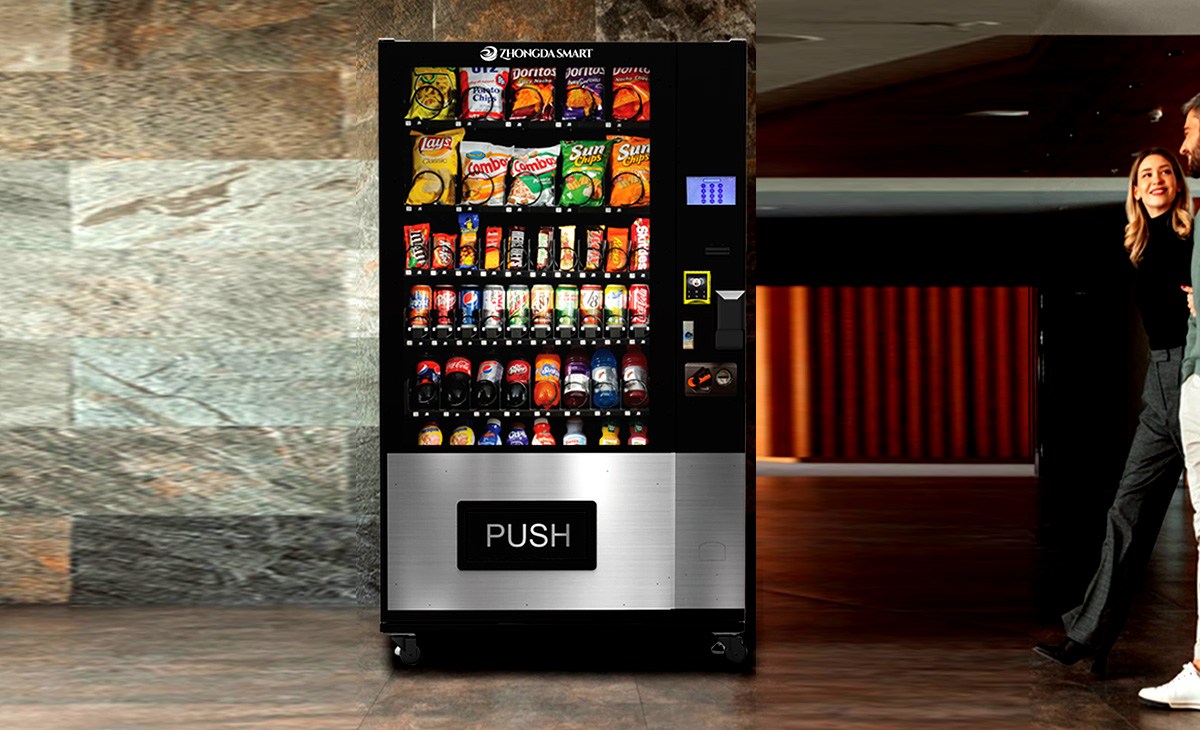
Of course, success depends on matching the machine to the environment. A glass-front machine with a touchscreen works well in a modern office, but a rugged, outdoor-rated unit is essential for a gas station canopy. I’ll cover selection criteria in detail later.
How Much Does a Custom Vending Machine Cost?
Let’s talk numbers, because this is where most newcomers get confused. A basic, off-the-shelf vending machine might cost €2,000 to €4,000. But a custom vending machine—one with your brand graphics, a custom user interface, specific payment integrations, and possibly temperature control—starts at around €5,000 and can go up to €15,000 or more for a large, multi-compartment unit with a robotic arm.
I’ve seen retailers spend €12,000 on a single machine that dispenses electronics in airport terminals. That machine might generate €6,000 per month in sales, paying for itself in about six months. On the other hand, I’ve watched a startup buy 20 cheap machines at €1,800 each, only to spend another €1,200 per machine on repairs within the first year. Cheap equipment almost always costs more in the long run.
Here’s a rough breakdown based on what I’ve seen across hundreds of deployments:
| Machine Type | Initial Cost (€) | Typical Monthly Revenue (€) | Gross Margin | Estimated Payback Period |
|---|---|---|---|---|
| Basic snack/drink combi | 2,500 – 4,000 | 800 – 1,500 | 35% – 50% | 12 – 18 months |
| Custom branded touchscreen | 5,000 – 9,000 | 2,000 – 4,500 | 45% – 60% | 8 – 14 months |
| Large multi-compartment (electronics) | 9,000 – 15,000 | 4,000 – 8,000 | 40% – 55% | 6 – 12 months |
| Outdoor refrigerated unit | 6,000 – 12,000 | 1,500 – 3,500 | 40% – 50% | 10 – 16 months |
These are real figures from my own operations and from conversations with peers in the European Vending Association. Your mileage will vary based on location, product mix, and foot traffic.
Key Considerations Before You Buy
Location Is Everything
I cannot stress this enough. I’ve seen a €10,000 machine in a low-traffic office lobby generate less than €300 per month. Meanwhile, a €5,000 machine placed near a university cafeteria exit can do €3,000. You need at least 500–1,000 passing people per day for a machine to perform well, depending on the product. Higher-value items like electronics or premium cosmetics can work with lower traffic, but margins must be higher.
When evaluating a location, I look at three things: foot traffic count (I use a simple manual counter for a week), the average dwell time of people in that space, and the presence of nearby competitors. If there’s already a coffee shop or a snack bar within 20 meters, your machine will struggle unless you offer something distinctly different.
Payment Systems and Connectivity
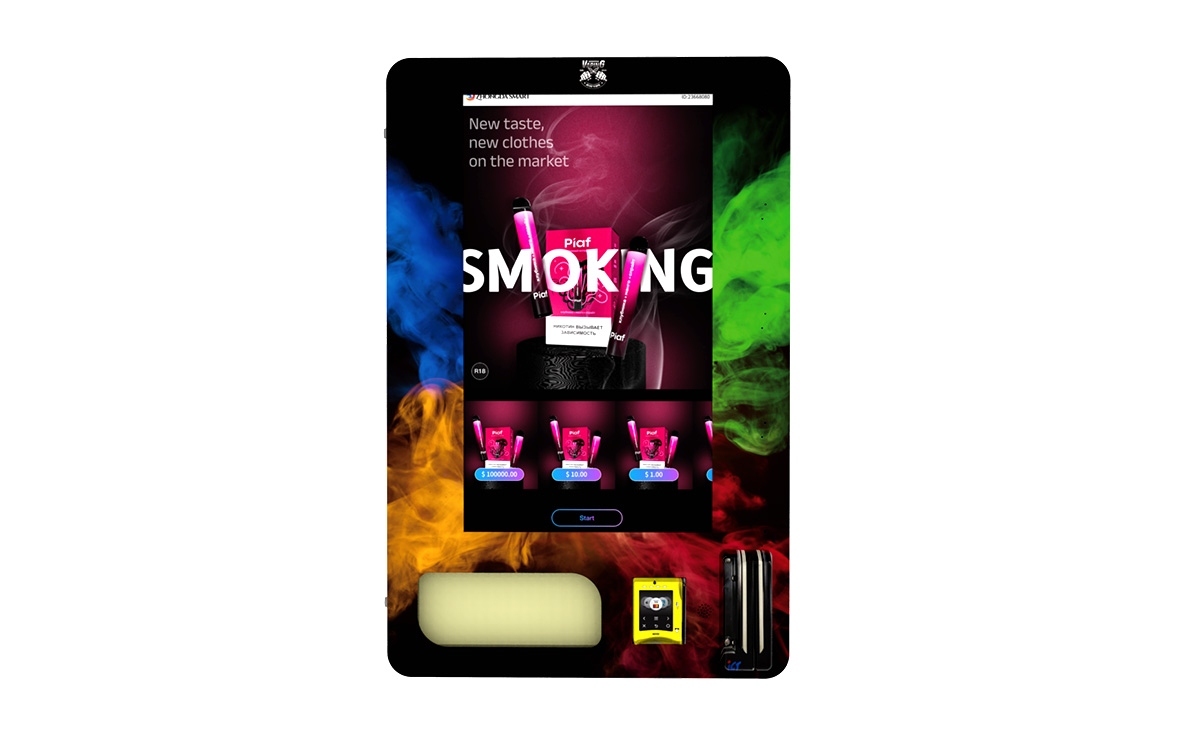
In Europe, cashless payment is no longer optional. Most of my machines do 85% to 95% of transactions via card or mobile wallet. Machines without contactless payment lose at least 30% of potential sales, in my experience. Make sure your custom vending machine supports NFC, Apple Pay, Google Pay, and local card networks. Some operators also integrate with local e-wallets like iDEAL in the Netherlands or Swish in Sweden.
Connectivity matters too. A machine with a cellular modem and a cloud-based management system lets you see sales data, inventory levels, and error alerts in real time. I’ve reduced my replenishment costs by about 20% just by switching to data-driven restocking schedules instead of fixed weekly visits.
Machine Customization and Build Quality
Not all manufacturers are equal. I’ve worked with suppliers who delivered machines with flimsy coin mechanisms that jammed weekly, and others whose machines ran for years with minimal issues. When you’re investing in a custom vending machine, look for a manufacturer that offers modular components, easy-to-replace parts, and local service support. I’ve had good experiences with Zhongda Smart for custom builds—they offer solid build quality, good payment integration options, and they understand the European market requirements, including CE certification and energy efficiency standards.
Avoid suppliers who can’t provide a clear warranty policy or who don’t have a local service network. Repair downtime can kill your revenue. A machine that’s offline for two weeks can lose you a month’s profit.
Operational Costs You Should Expect
Many first-time operators underestimate ongoing costs. Here’s what I budget per machine per month based on my own operations:
- Restocking labor: €150 – €400, depending on frequency and distance. I restock high-traffic machines twice a week, low-traffic ones once every 10 days.
- Maintenance and repairs: €50 – €150. This includes routine cleaning, component replacement, and occasional vending machine repair. I set aside €100 per machine per month as a reserve.
- Payment processing fees: 1.5% – 3.5% of transaction value.
- Electricity: €20 – €60 for a refrigerated unit.
- Location commission or rent: 10% – 25% of gross revenue, depending on the site. High-traffic locations like airports or hospitals may demand a higher cut.
On average, total operating costs run between 30% and 50% of gross revenue. That leaves a net profit of 10% to 30% per machine, which is healthy if you’re running multiple units.
Common Mistakes I’ve Seen (and Made)
I’ve been in this business long enough to have made most of the mistakes myself. Here are the ones that cost the most:
Buying Cheap Machines
I once bought 15 machines from a no-name supplier at €2,200 each. Within six months, six of them had compressor failures. The warranty was useless because the supplier had no local service. I ended up spending more on repairs than the machines cost. Now I only buy from manufacturers with a proven track record, like Zhongda Smart, or from well-known European brands with local support.
Ignoring Location Contracts
I’ve seen operators sign a one-year contract for a location, only to have the building management kick them out after three months due to renovations. Always negotiate a clause that protects you if the location changes. Also, get the agreement in writing—verbal handshake deals are worthless when the site manager changes.
Overcomplicating the Product Mix
New operators often try to offer too many products. I’ve learned that a focused assortment of 20–30 SKUs performs better than 50 SKUs. You reduce waste, simplify restocking, and improve machine reliability. Stick to what sells and rotate slow movers quickly.
Neglecting Data Analysis
If you’re not reviewing your sales data weekly, you’re flying blind. I use the machine’s telemetry to identify which products sell best at which times. For example, I noticed that protein bars sell well in office gyms from 6 to 8 AM, while cold drinks peak at lunchtime. Adjusting restock timing and product placement based on this data increased my revenue by about 15% per machine.
Best Locations for Custom Vending Machines
Based on my experience and data from industry reports, here are the top-performing location types for branded vending machines:
- Corporate offices and co-working spaces: Consistent foot traffic, high dwell time, and low theft risk. Ideal for healthy snacks, coffee, and cold drinks.
- Universities and colleges: High volume of young consumers who are comfortable with cashless payments. Good for snacks, energy drinks, and personal care items.
- Hospitals and healthcare facilities: 24/7 access, captive audience. Best for packaged food, beverages, and essential toiletries. Note: some hospitals have strict nutritional guidelines.
- Transport hubs (train stations, airports, bus terminals): Extremely high traffic, but also high location fees. Only consider if your margins are strong enough.
- Retail stores (as an extension): Some retailers place machines outside their stores to capture after-hours sales. I’ve seen this work well for convenience stores and pharmacies.
- Hotels and hostels: Good for late-night cravings. Machines with premium snacks and toiletries perform well here.
I avoid locations with less than 500 daily passersby unless the product has a very high margin (above 60%) and low perishability. Also, avoid locations with high vandalism risk—I’ve lost machines to break-ins in poorly lit areas.
How to Evaluate a Machine Investment
Before you commit, run a simple pro forma. Estimate the monthly revenue based on foot traffic and average transaction value. I use a conservative conversion rate of 2% to 5% of passersby making a purchase. So, if 1,000 people pass per day, that’s 20 to 50 transactions. If the average transaction is €3.50, that’s €70 to €175 per day, or roughly €2,100 to €5,250 per month.
Deduct your estimated operating costs (location fee, restocking, maintenance, payment fees, electricity) and see what’s left. If the net monthly profit is at least 10% of the machine cost, I consider it a go. For a €7,000 machine, I want at least €700 net per month, which gives a 10-month payback.
Remember, these are estimates based on my own experience. Actual results will vary. Always visit the location yourself and observe traffic patterns for at least a week before signing anything.
Supplier Selection: What to Look For
Choosing the right manufacturer is critical. Here’s my checklist:
- Certifications: CE, FCC, RoHS for electronics. For food machines, check local health regulations.
- Customization capability: Can they match your brand colors, add your logo, integrate your payment system?
- Software and telemetry: Do they offer a cloud-based management platform? Can you remotely adjust prices, see inventory, and receive error alerts?
- Warranty and support: Minimum one-year warranty on parts. Preferably with a local service partner for repairs.
- Lead time: Custom machines typically take 4 to 8 weeks. Avoid suppliers who promise unrealistic timelines.
I’ve worked with several manufacturers over the years. For custom builds with good European support, Zhongda Smart has been reliable. They offer flexible configurations and their machines are built to handle the demands of high-traffic locations. That said, always get references and speak to existing customers before placing a large order.
FAQ: Custom Vending Machines
Are custom vending machines profitable?
Yes, if placed correctly and managed well. Based on my experience, a well-run machine can generate net profit of 10% to 30% of revenue. But profitability depends on location, product margin, and operational efficiency. There’s no guaranteed profit—some machines fail.
How much does a custom vending machine cost?
Expect to pay between €5,000 and €15,000 for a fully customized unit, depending on size, features, and refrigeration. Basic machines start at around €2,500, but customization adds cost.
How long does it take to recoup the investment?
Typical payback periods range from 8 to 18 months. High-traffic locations with premium products can pay back in 6 months. Low-traffic or low-margin setups may take two years or more.
Should I buy or lease a vending machine?
Buying is better if you have the capital and plan to operate long-term. Leasing can be useful for testing a location, but you’ll pay higher monthly costs and have less control. I recommend buying once you’ve validated the location.
Where should I place my machine?
Corporate offices, universities, hospitals, transport hubs, and retail extensions are my top picks. Look for locations with at least 500 daily passersby and a captive audience.
What permits do I need?
Requirements vary by city and country. In most of Europe, you need a business license and possibly a food handling permit if you sell perishable items. Check with your local chamber of commerce or a business advisor.
How do I choose a supplier?
Look for certifications, customization options, software capabilities, warranty, and local support. Ask for references and visit existing installations if possible.
What happens if the machine breaks down?
Most manufacturers offer a warranty for the first year. After that, you’ll need a local technician. I keep a spare parts kit for common failures like coin mechanisms, card readers, and refrigeration units. Prompt repair is critical—downtime eats into your profit.
How can I reduce restocking and maintenance costs?
Use telemetry to optimize restock schedules. Focus on a limited product range to simplify inventory management. Choose machines with reliable components to minimize breakdowns. Over time, you’ll learn which products move fastest and can adjust accordingly.
Final Thoughts
Custom vending machines offer a real opportunity for brands and retailers to expand their reach without the overhead of traditional retail. But they’re not a set-and-forget business. Success requires careful location selection, a reliable machine, and consistent operational attention. I’ve seen operators make good money with a small fleet of well-placed machines, and I’ve seen others lose money by rushing into bad deals.
If you’re considering this channel, start small. Place one machine in a location you know well. Track everything—sales, costs, customer feedback. Learn from the data before scaling. And choose your equipment carefully. A reputable manufacturer like Zhongda Smart can make a difference in build quality and long-term support, but always do your own due diligence.
This article reflects my personal experience and publicly available data. Results will vary based on your specific circumstances. Always consult with a local business advisor before making significant investments.
This article was updated in March 2025.