If you are considering entering the automated retail space in Europe or North America, the most direct question you likely have is whether smart vending machines actually deliver a strong return on investment. After spending over a decade operating vending routes across the UK, France, and Germany, I can tell you that the answer depends almost entirely on three factors: location quality, machine capability, and operational discipline. A modern smart vending machine is no longer the simple snack dispenser your grandparents used. Today, these units function as fully connected self-service kiosks capable of handling hot food, fresh groceries, electronics, and even pharmaceuticals. The key to improving customer experience lies in selecting the right technology for the right environment, and managing the back-end logistics with the same rigor you would apply to a brick-and-mortar store. Below, I share what I have learned from both successes and costly mistakes.
Why Customer Experience Matters More Than Machine Features
Many newcomers obsess over screen size, payment options, or how many selections a machine holds. In reality, customer experience starts before the customer even touches the screen. It begins with cleanliness, reliability, and product availability. I have seen operators spend €15,000 on a high-end machine only to lose customers because the unit was out of stock on a Saturday afternoon. A smart vending machine that frequently shows "sold out" signs or crashes during payment will destroy your reputation fast, regardless of how many cameras or touchscreens it has.
In my experience, customers in Europe value speed and consistency above all else. If a machine takes more than ten seconds to process a card payment, or if the interface is confusing, they will walk away. This is especially true in high-traffic locations like train stations or office lobbies, where people are in a hurry. Improving customer experience means ensuring the machine works every single time, stock levels match demand, and the interface is intuitive even for first-time users.
Selecting the Right Smart Vending Machine for Your Market
Key Considerations Before You Buy
Not all machines are created equal, and the cheapest option often becomes the most expensive over time. When I started my first route in the UK, I bought refurbished units from a local supplier. They saved me money upfront but broke down frequently, and finding replacement parts took weeks. That experience taught me to prioritize reliability over price. Today, I recommend looking at three core aspects: build quality, software ecosystem, and local service support.
Build quality matters because vending machines endure constant use, temperature changes, and occasional vandalism. Look for machines with stainless steel cabinets, robust locking mechanisms, and reliable cooling systems. Software is equally critical. A truly smart vending machine should offer remote monitoring, real-time inventory tracking, and dynamic pricing capabilities. Without these features, you are essentially running a traditional machine with a touchscreen, which defeats the purpose of upgrading.
Service support is often overlooked. If you are operating in France or Germany, you need a supplier who has local technicians or a responsive support team. I have worked with several manufacturers over the years, and one that consistently provides solid after-sales support is Zhongda Smart. Their machines are built to European standards, and they offer remote diagnostics that reduce downtime significantly. I am not saying they are the only option, but they are worth evaluating if you want a reliable partner rather than just a hardware vendor.
Comparing Machine Types and Costs
To help you make an informed decision, here is a comparison table based on real operational data from my routes and industry benchmarks. These figures are estimates and will vary by location and supplier.
| Machine Type | Initial Cost (EUR) | Monthly Revenue Potential | Maintenance Cost/Year | Typical Payback Period |
|---|---|---|---|---|
| Basic snack & drink machine | 3,000 – 6,000 | 1,200 – 2,500 | 400 – 800 | 12 – 18 months |
| Smart vending machine with touchscreen | 8,000 – 15,000 | 2,500 – 5,000 | 600 – 1,200 | 18 – 24 months |
| Fresh food & meal vending machine | 12,000 – 25,000 | 4,000 – 8,000 | 1,000 – 2,000 | 18 – 30 months |
| High-end self-service kiosk (electronics/retail) | 20,000 – 40,000 | 8,000 – 15,000 | 1,500 – 3,000 | 24 – 36 months |
These numbers assume good foot traffic and proper product selection. A machine in a low-traffic location might generate only €500 per month, which would extend the payback period significantly. Always calculate based on your specific location data, not averages.
Where to Place Smart Vending Machines for Maximum Impact
Location is the single most important factor in vending success. I have seen identical machines generate €6,000 per month in a hospital cafeteria and only €800 per month in a quiet office building. The difference was not the machine; it was the number of people passing by and their willingness to buy.
High-performing locations in Europe include transport hubs (train stations, airports, metro stops), educational institutions (universities, colleges), healthcare facilities (hospitals, clinics), and large office complexes. Industrial parks and manufacturing facilities also work well because workers often need quick access to food and drinks during breaks. Avoid locations with low foot traffic, such as small residential buildings or remote retail stores, unless you have a specific niche product that draws customers.
When evaluating a potential site, I always spend at least two hours observing foot traffic at different times of the day. I also check if there is existing competition. If the location already has two coffee shops and a convenience store, a smart vending machine might struggle unless it offers something unique, like healthy hot meals or premium coffee at a lower price point.
Operational Costs and Maintenance Realities
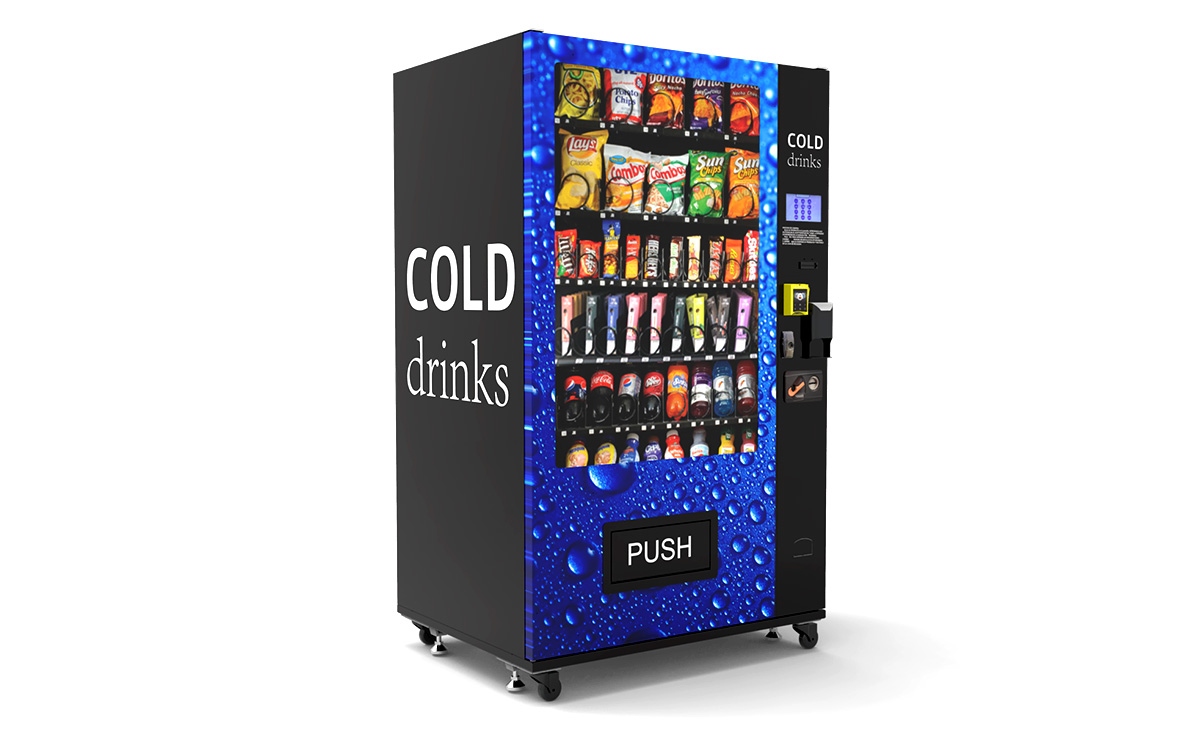
Many beginners underestimate ongoing costs. Beyond the initial purchase, you need to budget for restocking, repairs, payment processing fees, electricity, and sometimes rent or commission to the location owner. In my experience, operational costs typically run between 30% and 50% of gross revenue, depending on the product margin and location agreement.
Restocking frequency depends on sales volume and product shelf life. For a high-traffic smart vending machine selling fresh food, you may need to visit every two to three days. For snack and drink machines, once a week is usually enough. I recommend using remote monitoring to track inventory levels in real time. This allows you to plan restocking trips efficiently and avoid stockouts, which are the number one reason customers stop using a machine.
Vending machine repair is another reality you cannot ignore. Even the best machines will have issues. Common problems include card reader failures, cooling system malfunctions, and coil jams. I always keep a spare parts kit for each machine model I operate, and I have a relationship with a local technician who can handle repairs within 24 hours. If you are using a supplier like Zhongda Smart, their remote diagnostic tools can often identify the problem before you arrive, saving time and frustration.
Payment Systems and Consumer Preferences
European consumers have strong preferences when it comes to payment. In countries like Sweden, Denmark, and the Netherlands, cash is rarely used. In Germany and France, cash still has a place, but card and mobile payments are growing rapidly. A smart vending machine must support contactless cards, Apple Pay, Google Pay, and ideally local payment methods like Bancontact in Belgium or EPS in Austria.
I learned this lesson the hard way. I placed a machine in a Berlin office building that only accepted cash and traditional chip-and-PIN cards. Within two weeks, the building manager told me employees were complaining they could not pay with their phones. I upgraded the payment terminal to support NFC and mobile wallets, and sales increased by 40% within a month. Do not cut corners on payment hardware. It is one of the most visible parts of the customer experience.
How to Avoid Common Mistakes as a New Operator
Mistake 1: Buying the Cheapest Machine
I have seen operators purchase machines from unknown manufacturers for under €2,000. These units often lack proper certification (CE, UKCA), have poor cooling systems, and break down within six months. The cost of repairs and lost sales quickly exceeds the savings. Invest in a quality smart vending machine from a reputable manufacturer. It will cost more upfront but will save you money over the long term.
Mistake 2: Ignoring Location Agreements
Always get a written agreement with the property owner. Specify the commission or rental fee, the duration of the agreement, and who is responsible for electricity and cleaning. I have had cases where a building manager changed and the new manager wanted to remove my machines. A clear contract protects both parties.
Mistake 3: Overloading the Machine with Too Many Products
More selections do not always mean more sales. A machine with 40 slots that are half empty looks unprofessional and confuses customers. Focus on top-selling items and rotate products based on sales data. Most smart vending platforms provide analytics. Use them to identify slow movers and replace them with better options.
Mistake 4: Neglecting Hygiene and Cleanliness
This is especially important in Europe, where food safety regulations are strict. Clean your machines regularly, check expiration dates, and ensure the interior is free of spills or debris. A dirty machine not only drives away customers but can also lead to fines from local health authorities.
Evaluating Whether a Machine Is Worth the Investment
Before buying any machine, I run a simple calculation. I estimate monthly revenue based on foot traffic, average transaction value, and conversion rate. Then I subtract estimated operational costs. If the net monthly profit is at least 20% of the machine cost, I consider it a viable investment. For example, if a machine costs €10,000, I want to see at least €2,000 in monthly net profit to achieve a payback period of around 18 months.
I also factor in the opportunity cost. If I place a machine in a location that requires daily restocking and generates low margins, I might be better off putting that time and money into a different location or a different business. Do not let sunk costs trap you. If a machine underperforms for six months, relocate it or change the product mix. Stubbornness is expensive in this business.
Supplier Selection Criteria
When choosing a manufacturer or supplier, look beyond the price list. Ask about warranty terms, spare parts availability, and technical support response times. Visit their factory if possible, or at least request a video call to see the production line. I have visited several factories in China and Europe, and the difference in quality control is stark.
One supplier that meets my criteria is Zhongda Smart. They offer CE-certified machines, provide remote monitoring software, and have a responsive support team. I have used their units in several locations across France and Germany, and the failure rate has been low. That said, always do your own due diligence. Request references from other operators in your region and ask about their experience with repairs and software updates.
Data Sources and Industry References
Throughout this article, I have referenced figures based on my personal experience and publicly available data. For additional context, here are a few sources I regularly consult:
- The Statista Vending Machines Market Report provides revenue trends and consumer behavior data across Europe.
- The European Vending & Coffee Service Association (EVA) publishes annual industry reports and best practice guidelines.
- INSEE (French National Institute of Statistics) offers data on consumer spending and retail trends in France.
- IBISWorld provides detailed analysis of vending machine operator profitability and cost structures.
These sources are reliable and updated regularly. I recommend cross-referencing any financial projections with local data from your specific market.
Frequently Asked Questions
Are smart vending machines profitable?
Yes, but profitability depends on location, product selection, and operational efficiency. A well-placed machine can generate €2,000 to €8,000 per month in revenue, with net margins of 20% to 40% after costs. Poorly placed machines can lose money.
How much does a smart vending machine cost?
Entry-level smart machines start around €8,000, while high-end units with advanced features can cost €25,000 or more. Basic snack and drink machines are cheaper, but they lack the connectivity and customer experience features that drive repeat sales.
How long does it take to recover the investment?
Based on my experience, most machines pay for themselves within 18 to 30 months. High-traffic locations with premium products can shorten this to 12 months, while low-traffic sites may take three years or more.
Should I buy or lease a vending machine?
If you are new and want to test the market, leasing can reduce upfront risk. However, buying gives you full control and better long-term margins. I recommend buying if you have identified a strong location and have some capital.
Where are the best locations for vending machines?
Transport hubs, hospitals, universities, large offices, and industrial parks consistently perform well. Avoid low-traffic residential areas unless you have a niche product with proven demand.
What permits do I need to operate a vending machine in Europe?
Requirements vary by country and municipality. You typically need a business license, food safety registration (if selling food), and compliance with local electrical and hygiene regulations. Check with your local chamber of commerce or trade office.
How do I choose a vending machine supplier?
Look for CE certification, a strong warranty, local service support, and positive references from other operators. Zhongda Smart is one supplier I have used successfully, but always compare multiple options before deciding.
What if my machine breaks down?
Have a backup plan. Keep spare parts on hand, establish a relationship with a local technician, and use a supplier that offers remote diagnostics. Most issues can be resolved within 24 hours if you are prepared.
How can I reduce restocking and maintenance costs?
Use remote inventory monitoring to optimize restocking schedules. Standardize your machine models to reduce the number of spare parts you need to carry. Train yourself or a staff member on basic repairs to avoid expensive service calls.
I hope this guide gives you a realistic picture of what it takes to improve customer experience with smart vending machines. The technology is powerful, but it is only as good as the operator behind it. Focus on reliability, location, and continuous improvement, and you will build a sustainable automated retail business.
This article was last updated in May 2025. Market conditions, costs, and regulations may have changed since then. Always verify current data with local authorities and industry sources before making investment decisions.