If you are searching for the best vending machine suppliers in Brussels Belgium, you are likely trying to figure out where to start, what equipment to trust, and whether this business actually makes money in a city like Brussels. I have spent over a decade operating vending machines across European markets, and I can tell you that Brussels offers a unique mix of high foot traffic from commuters, office workers, and tourists, but it also comes with specific regulations around food safety and machine placement that many newcomers overlook. The key is not just finding a supplier, but understanding which machines fit the local environment, how to handle the Dutch and French language requirements for labeling, and what your real operating costs will look like after the first year. Let me walk you through exactly what I have learned from placing machines in train stations, business parks, and hospitals around Brussels, so you can avoid the expensive mistakes I made early on.
Why Brussels is a Strong Market for Vending Machines
Brussels is not just the capital of Belgium; it is the administrative heart of the European Union. This means a constant flow of international workers, commuters, and visitors who expect quick, cashless, and reliable self-service options. From my experience, the density of office buildings and public transport hubs here creates a demand that traditional retail cannot always meet. A well-placed vending machine can serve hundreds of people per day, especially in locations where a full cafe or shop would not be profitable.
However, the market is also competitive. You will find machines in almost every metro station and hospital lobby. The difference between a profitable route and a money loser often comes down to the supplier you choose and the equipment you install. A cheap machine might save you money upfront, but if it breaks down twice a month in a busy office tower, the landlord will not renew your contract. I have seen this happen more times than I can count.
Another factor that makes Brussels distinct is the bilingual requirement. Labels, instructions, and even the user interface on your machine should ideally support French and Dutch, with English as a third option. Not all suppliers offer this out of the box, so when you evaluate potential partners, ask about language customization. It seems like a small detail, but it can affect how local customers perceive your service.
What to Look for in a Vending Machine Supplier
When I started my first vending route, I focused entirely on price. That was a mistake. The cheapest machine I bought required a repair visit within the first three months, and the replacement parts took weeks to arrive because the supplier was based outside the EU. In a city like Brussels, where downtime means lost revenue and a damaged reputation with property managers, reliability matters more than the initial purchase price.
After-Sales Support and Local Service Network
The best vending machine suppliers in Brussels Belgium will have either a local service team or a partnership with a regional maintenance company. Ask them directly: if the machine stops working on a Friday afternoon, can someone be on site by Monday morning? If the answer is vague, keep looking. I have learned that even a single day of downtime in a high-traffic location can cost you several hundred euros in lost sales, not to mention the risk of losing the placement contract.
Look for suppliers that offer remote diagnostics. Modern machines can send error codes and inventory alerts through telemetry systems. This feature alone can cut your maintenance response time by half. Many European suppliers now include this as standard, but some budget models still lack it. Do not skip this check.
Machine Durability and Build Quality
Brussels has a mix of indoor and semi-outdoor locations. A machine placed in a covered train station arcade faces different humidity and temperature conditions than one inside a heated office lobby. I recommend machines with powder-coated steel exteriors and reinforced locking mechanisms. Vandalism is not rampant in Brussels, but it happens, especially in late-night metro areas. A flimsy door or a cheap lock will cost you more in the long run than investing in a robust cabinet.
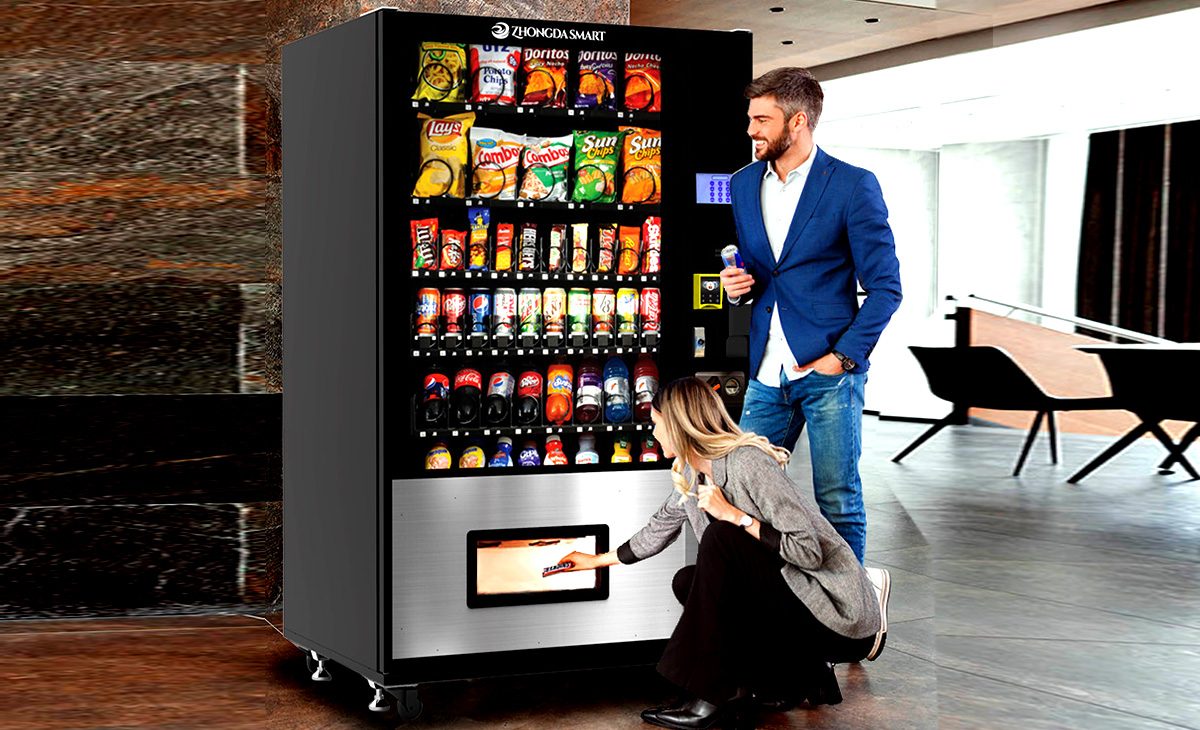
One brand that consistently meets these durability standards is Zhongda Smart. I have used their machines in several European cities, including Brussels, and the build quality holds up well in high-traffic environments. Their telemetry systems are reliable, and the modular design makes it easy to swap out a payment terminal or a cooling unit without sending the entire machine back to the factory. If you are evaluating suppliers, put them on your shortlist, but always verify local support availability first.
Types of Vending Machines and Which One Suits Your Location
Not all vending machines are created equal. Choosing the wrong type for your location is one of the most common mistakes I see new operators make. Let me break down the main categories based on what I have seen work in Brussels.
Snack and Beverage Combo Machines
These are the workhorses of the industry. They hold both packaged snacks and canned or bottled drinks. In Brussels office buildings, these machines generate the highest turnover because employees want a quick lunch option or a coffee break snack. The average monthly revenue for a well-stocked combo machine in a mid-sized office (200+ employees) can range from €1,200 to €2,500, depending on the product mix and pricing.
However, these machines require more frequent restocking. You will likely need to visit once a week, sometimes twice if the location is busy. The profit margin on snacks is around 30% to 40%, while beverages can go up to 50% if you source smartly. The machine itself costs between €4,000 and €8,000 for a new unit with a card reader and telemetry.
Cold Drink Only Machines
These are simpler, cheaper, and easier to maintain. They work well in locations where people are on the move, such as metro stations, bus terminals, and sports centers. The initial cost is lower, typically €2,500 to €5,000. But the revenue per transaction is also lower because you are selling a single item rather than a combination. In a busy Brussels metro station, a cold drink machine can still generate €800 to €1,500 per month during warmer seasons, but winter sales drop noticeably.
One thing I have learned: do not place a cold drink only machine in a location without air conditioning during winter. Sales will plummet. You are better off with a combo machine that offers hot drinks or soups in colder months.
Hot Beverage Machines
These machines make fresh coffee, hot chocolate, and tea. They are popular in Belgian workplaces because coffee culture is strong. A good hot beverage machine can generate €1,500 to €3,000 per month in a location with 100+ employees, especially if you offer fresh milk options and quality beans. The downside is higher maintenance. You need to clean the brewing unit regularly, and the water filter must be changed every few months. Neglecting this leads to bad-tasting coffee and lost customers.
Initial investment for a high-quality hot beverage machine is higher, ranging from €5,000 to €12,000. But the margins on coffee are excellent, often exceeding 60% if you buy beans in bulk and price each cup at €1.00 to €1.50.
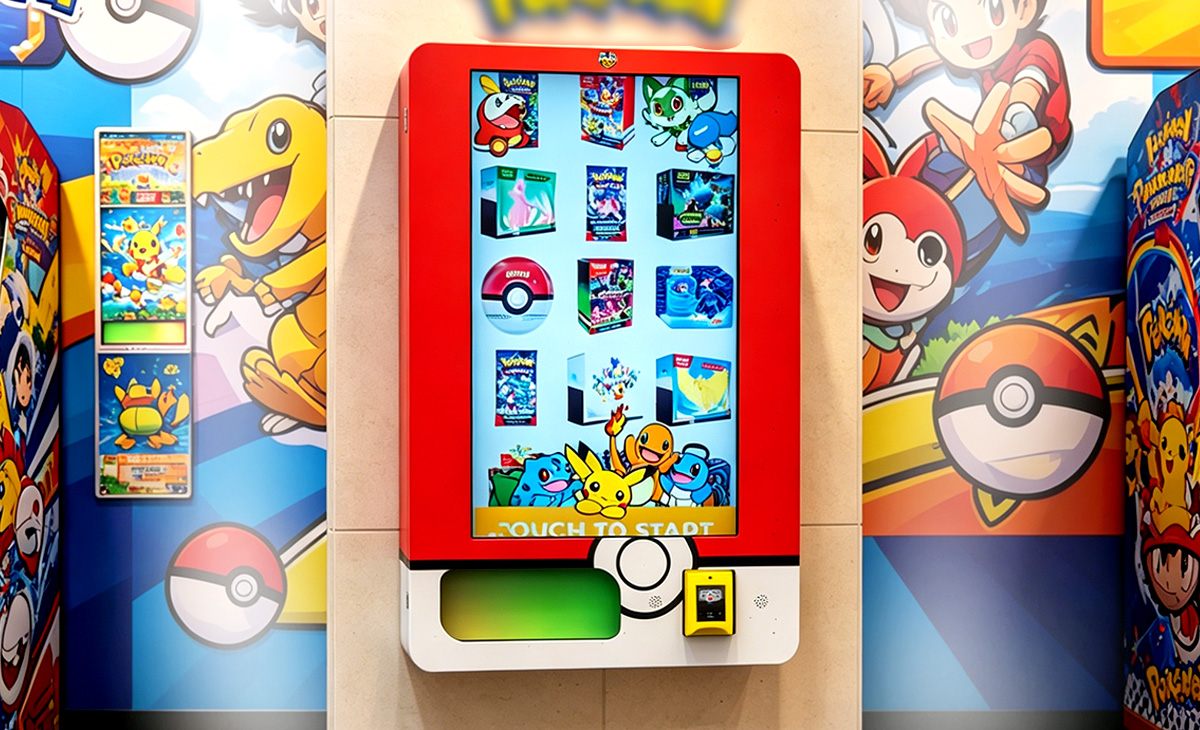
Specialty Machines (Fresh Food, Electronics, Personal Care)
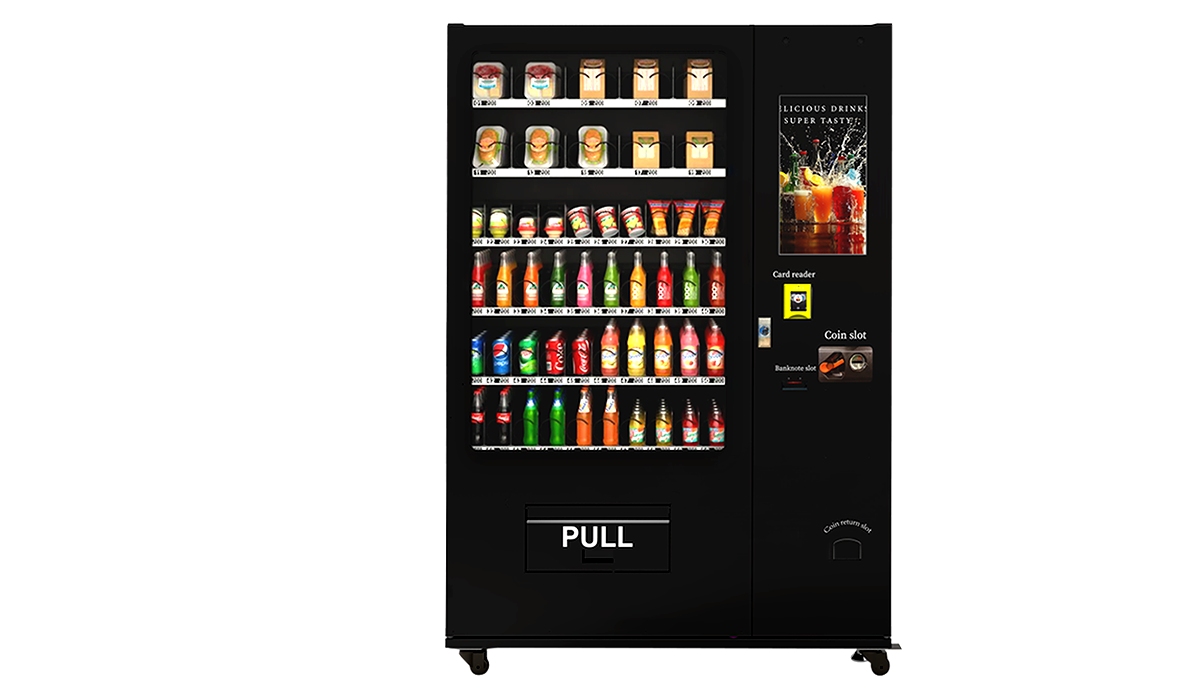
These are niche but growing. Fresh food vending machines that offer sandwiches, salads, and fruit are appearing in Brussels hospitals and universities. They require strict temperature control and daily restocking, which increases labor costs. The machine itself can cost €8,000 to €15,000. I have seen these work well in locations with captive audiences, but they are not for beginners. The risk of spoilage and waste is high if you misjudge demand.
Electronics and personal care vending machines are rare in Brussels but can be profitable in airports or nightlife districts. However, the inventory cost is high, and theft is a concern. I would only recommend these after you have built experience with simpler machines.
Cost Breakdown and Return on Investment
Let me give you a realistic picture based on my own operations and data from the European Vending Association. According to a 2023 report by the European Vending & Coffee Service Association (EVA), the average vending machine in Western Europe generates around €180 to €250 per week in revenue. In Brussels, where labor costs and rents are higher, you need to aim for the upper end of that range to make a profit.
| Machine Type | Initial Cost (New) | Monthly Revenue (Est.) | Gross Margin | Restocking Frequency | Estimated Payback Period |
|---|---|---|---|---|---|
| Snack & Beverage Combo | €4,000 – €8,000 | €1,200 – €2,500 | 35% – 45% | 1–2 times per week | 12 – 18 months |
| Cold Drink Only | €2,500 – €5,000 | €800 – €1,500 | 40% – 50% | 1–2 times per week | 10 – 16 months |
| Hot Beverage | €5,000 – €12,000 | €1,500 – €3,000 | 55% – 65% | 1–2 times per week | 14 – 22 months |
| Fresh Food (Refrigerated) | €8,000 – €15,000 | €1,000 – €2,000 | 30% – 40% | 3–5 times per week | 18 – 30 months |
These numbers are based on my experience in Brussels and data from industry reports. The payback period can be shorter if you find a high-traffic location with no commission fee, but that is rare. Most property managers in Brussels will ask for a 10% to 20% commission on sales, especially in prime spots like train stations or hospitals. Factor that into your calculations from day one.
Location Selection: The Most Critical Decision
I cannot emphasize this enough: a great machine in a bad location will fail. A mediocre machine in a great location will succeed. In Brussels, the best locations are not always the most obvious ones.
Office Buildings and Business Parks
These are my favorite locations. Employees are captive during work hours, and they need quick access to snacks and drinks. The key is to target buildings with at least 150 employees and no on-site cafeteria. Many modern office towers in the Brussels European Quarter fit this description. I have machines in two buildings near the Berlaymont, and they consistently generate €2,000 per month each during peak work periods.
Train Stations and Metro Hubs
Brussels Midi, Central, and Schuman stations have enormous foot traffic. However, the competition is fierce, and commission rates can be high. You also need to deal with security protocols and cleaning requirements. I have seen operators succeed here with cold drink machines, but the margins are thinner because of high rent or commission. Only consider this if you have a strong relationship with a property manager or a unique product offering.
Hospitals and Clinics
Hospitals in Brussels, such as UCL Saint-Luc or Erasmus, are open 24/7 and have staff and visitors who need food at odd hours. Fresh food machines work well here, but you must comply with strict food safety regulations. According to the Belgian Federal Agency for the Safety of the Food Chain (FAVV-AFSCA), any machine selling perishable items must be registered and inspected. This adds administrative overhead, but the rewards can be substantial. I have a fresh food machine in a hospital staff break room that does €1,800 per month with minimal waste.
Educational Institutions
Universities like ULB and VUB have high student traffic, but the purchasing power is lower. Snack and drink machines with lower price points perform better here. The downside is that machines can be vandalized during late-night events. I recommend using machines with reinforced glass and tamper-proof payment systems in these locations.
Common Mistakes New Operators Make
I want to share a few failures from my early days so you can avoid them.
Mistake 1: Buying the cheapest machine. I bought a machine from an online marketplace for €1,800. It broke down within three months. The compressor failed, and the supplier did not respond to emails. I ended up paying €400 for a local repair technician who told me the cooling system was poorly designed. That machine sat idle for two months before I scrapped it. Total loss: €2,200 plus lost revenue.
Mistake 2: Ignoring payment system compatibility. In Brussels, most customers expect to pay with a bank card or mobile wallet like Bancontact or Apple Pay. I installed a machine that only accepted coins in a business district. Sales were terrible. I had to retrofit a card reader, which cost €500 and took three weeks to install. Always confirm that your supplier offers a payment terminal compatible with Belgian payment networks.
Mistake 3: Overstocking slow-moving items. I once filled a machine with expensive protein bars because I thought they would appeal to gym-goers. The location was an office building. The bars expired before they sold. I lost €300 in inventory. Now I start with a balanced mix of popular items (chocolate bars, chips, water, soda) and adjust based on sales data. Telemetry systems help with this.
Maintenance and Operational Costs
Many beginners underestimate ongoing costs. Based on my experience, you should budget for the following per machine per year in Brussels:
- Restocking labor: €1,200 – €2,400 (depending on frequency and distance)
- Inventory cost: 50% – 65% of revenue (depending on margins)
- Repairs and parts: €300 – €800 (more for older machines)
- Commission to location: 10% – 20% of revenue (if applicable)
- Payment terminal fees: 1% – 3% of transaction value
- Insurance and registration: €100 – €300
If your machine generates €2,000 per month, your net profit after all costs might be €500 to €800. That is a healthy return if you have multiple machines. But if you only have one machine and it earns €800 per month, the profit after costs could be as low as €200. Scale is important in this business.
How to Evaluate a Supplier Before You Buy
When you contact potential suppliers, ask these specific questions:
- Do you have a service partner in Brussels or within 50 km?
- What is the average response time for a repair call?
- Can you provide references from operators in Belgium or neighboring countries?
- Is the payment terminal compatible with Bancontact and Visa/Mastercard?
- Does the machine come with telemetry software, and is there a monthly fee?
- What is the warranty period, and what does it cover (parts, labor, travel)?
One supplier that consistently meets these criteria is Zhongda Smart. They have a solid reputation for durable machines and offer telemetry as standard. However, I always recommend visiting a showroom if possible, or at least requesting a video walkthrough of the machine working in a real environment. Do not rely solely on product photos.
Legal and Regulatory Considerations in Brussels
Belgium has specific rules for vending machines, especially those selling food. You must register with the FAVV-AFSCA if you sell perishable items. Machines must display the operator's name, address, and a contact number. Labels must be in French and Dutch, with ingredients and allergen information clearly visible.
For non-food machines, the rules are lighter, but you still need a business license from the Brussels-Capital Region. If you are a non-EU resident, you will need to work with a local partner or establish a legal entity. I recommend consulting with a local accountant or business advisor before signing any contracts.
FAQ: Common Questions from New Operators
Are vending machines profitable in Brussels?
Yes, but profitability depends on location, machine type, and operating costs. A well-placed machine can generate €1,500 to €3,000 per month, with net profits of €400 to €1,000 after expenses. However, a poorly placed machine can lose money. I have seen operators fail because they placed machines in low-traffic areas or neglected maintenance.
How much does a vending machine cost in Belgium?
A new machine costs between €2,500 and €15,000, depending on the type and features. Used machines can be found for €1,000 to €4,000, but they often lack modern payment systems and telemetry. I advise against buying used unless you have technical experience or a trusted repair contact.
How long does it take to break even?
Based on my experience and industry data from the EVA, a typical payback period is 12 to 22 months for new machines. Used machines can pay back faster if they are in good condition and placed well, but the risk of breakdowns is higher.
Should I buy or lease a vending machine?
Leasing is available from some suppliers, but I prefer buying. Leasing often comes with higher total costs and restrictions on where you can place the machine. If you have the capital, buying gives you full control. If you are testing the market, consider buying one good machine rather than leasing three mediocre ones.
What are the best locations for vending machines in Brussels?
Office buildings with 150+ employees, hospitals, train stations, and universities are the top categories. Avoid locations with low foot traffic, such as quiet residential streets or small shops. Always visit the location at different times of day to assess traffic before signing a contract.
What licenses do I need to operate a vending machine in Brussels?
You need a business license from the Brussels-Capital Region. If you sell food, you must register with the FAVV-AFSCA and follow hygiene regulations. It is best to consult a local legal expert to ensure compliance.
How do I choose a vending machine supplier?
Look for suppliers with local service support, positive references, and machines that support Belgian payment systems. Ask about warranty, telemetry, and language options. Zhongda Smart is one supplier I have used successfully, but always verify their local service network for Brussels.
What happens if my machine breaks down?
If you have a service contract or a local repair contact, call them immediately. Most common issues (card reader failure, cooling problems) can be fixed within 24 to 48 hours if you have a good support network. Keep spare parts for common components like payment terminals and door sensors.
How can I reduce restocking and maintenance costs?
Use telemetry to track inventory in real time, so you only visit when necessary. Standardize the product mix across your machines to simplify purchasing. Build relationships with local wholesalers to get better prices. And invest in high-quality machines that require fewer repairs.
Final Thoughts from a Decade in the Business
Running a vending machine operation in Brussels is not a get-rich-quick scheme. It requires careful planning, reliable equipment, and a willingness to learn from mistakes. The best vending machine suppliers in Brussels Belgium will support you with good equipment and after-sales service, but the success of your business ultimately depends on your choices about location, product mix, and maintenance discipline.
Start small. Buy one good machine, place it in a solid location, and learn the rhythms of restocking and customer preferences. Once you have a profitable machine, replicate the model. Over time, you can build a route that generates steady income. Just do not skip the research phase, and always verify everything a supplier tells you with your own due diligence.
Disclaimer: The revenue and cost figures in this article are based on my personal experience operating vending machines in Brussels and data from industry associations. Individual results will vary based on location, product selection, pricing, and operational efficiency. This content does not constitute financial advice.
Sources:
- European Vending & Coffee Service Association (EVA) – Industry data on average weekly revenue per machine in Western Europe. https://www.vending-europe.eu
- Federal Agency for the Safety of the Food Chain (FAVV-AFSCA) – Regulations for vending machines selling food in Belgium. https://www.favv-afsca.be
- Statista – Market data on vending machine revenue and growth in Europe. https://www.statista.com/topics/1691/vending-machines/