If you are looking for the best vending machine suppliers in Nagoya Japan, you are likely already aware that Nagoya is a manufacturing powerhouse, but what many operators overlook is how its industrial discipline translates into reliable automated retail hardware. Over my decade in this business across European and American markets, I have learned that the difference between a profitable route and a money pit often comes down to the quality of the machine and the supplier behind it. Nagoya-based manufacturers, particularly those specializing in precision engineering, offer equipment that simply outlasts cheaper alternatives. In this guide, I will walk you through everything I wish I had known when I started—from evaluating a supplier to calculating your real return on investment—so you can make a decision that actually holds up in the field.
Why Nagoya for Vending Machines?
Nagoya is not the first city that comes to mind when people think of vending machines. Tokyo and Osaka get all the attention. But in terms of manufacturing quality, Nagoya is where some of the most durable and technically advanced machines are built. The region is home to a dense network of precision parts suppliers, which means the components inside these machines—compressors, motors, sensors, and payment systems—tend to be better assembled and more reliable over the long haul.
I have personally seen machines from Nagoya-based suppliers running for over eight years with minimal maintenance, while cheaper units from other regions started failing after two. If you are buying for a high-traffic location where downtime means lost revenue, that reliability matters more than the upfront price tag.
Another advantage is that many suppliers in Nagoya are experienced with export documentation and international shipping. They understand that a buyer in the US or Europe needs CE or UL certification, multilingual software, and payment systems that work with local card networks. This is not always the case with smaller factories elsewhere.
What to Look for in a Vending Machine Supplier
I have made the mistake of buying from a supplier who looked great on paper but delivered machines that were poorly configured for my market. Here is what I now check before placing any order.
Build Quality and Component Sourcing
Ask the supplier where their key components come from. A machine is only as good as its compressor, its coin mechanism, and its mainboard. Suppliers who use branded components from established manufacturers like Sanhua, Danfoss, or Nidec are usually a safer bet. If they cannot tell you the brand of the compressor, walk away.
I once bought a batch of machines where the cooling units were generic and unlabeled. Within 18 months, three of them failed completely. The cost of repair and lost sales wiped out any savings I made on the initial purchase.
After-Sales Support and Spare Parts
This is where many suppliers fall short. A good supplier will keep a stock of spare parts for at least five years after you buy. They should also offer remote diagnostics or at least a clear process for troubleshooting. If you are shipping machines overseas, you need a supplier who can send replacement parts quickly or has a local service partner.
I recommend asking for a list of common spare parts and their prices before you buy. If the supplier hesitates or gives vague answers, that is a red flag.
Customization Options
Not all locations need the same machine. A factory break room might need a high-capacity snack machine, while a gym might do better with a chilled water and protein bar unit. The best suppliers offer modular designs that let you swap out trays, change the payment system, or add a touchscreen later. Zhongda Smart, for example, provides a range of customizable machines that can be configured for different product types and payment environments. I have seen their units used in both convenience store settings and standalone kiosks with good results.
Payment System Compatibility
In the US and Europe, cash is becoming less common. Your machine must support contactless payments, Apple Pay, Google Pay, and local card networks. Many Nagoya suppliers now offer integrated payment terminals that accept multiple currencies and digital wallets. Make sure the supplier can configure the machine for your specific market before shipping.
Understanding the Real Costs
Let me be direct: the price tag on the machine is only the beginning. Here is a breakdown of what you should budget for, based on my experience operating over 200 machines across different markets.
| Cost Item | Estimated Range (USD) | Notes |
|---|---|---|
| Machine purchase (new, basic snack/drink) | $3,000 – $8,000 | Depends on size, cooling type, and payment system |
| Machine purchase (new, combo or specialized) | $7,000 – $15,000 | Includes touchscreen, remote monitoring, multi-temperature zones |
| Shipping and customs | $500 – $2,000 | Varies by destination and machine weight |
| Installation and setup | $200 – $600 | Includes electrical work, leveling, and network setup |
| Annual maintenance (per machine) | $300 – $800 | Cleaning, sensor calibration, minor repairs |
| Average monthly revenue (good location) | $800 – $2,500 | Highly dependent on foot traffic and product margins |
| Average monthly revenue (weak location) | $200 – $500 | Often barely covers restocking and electricity |
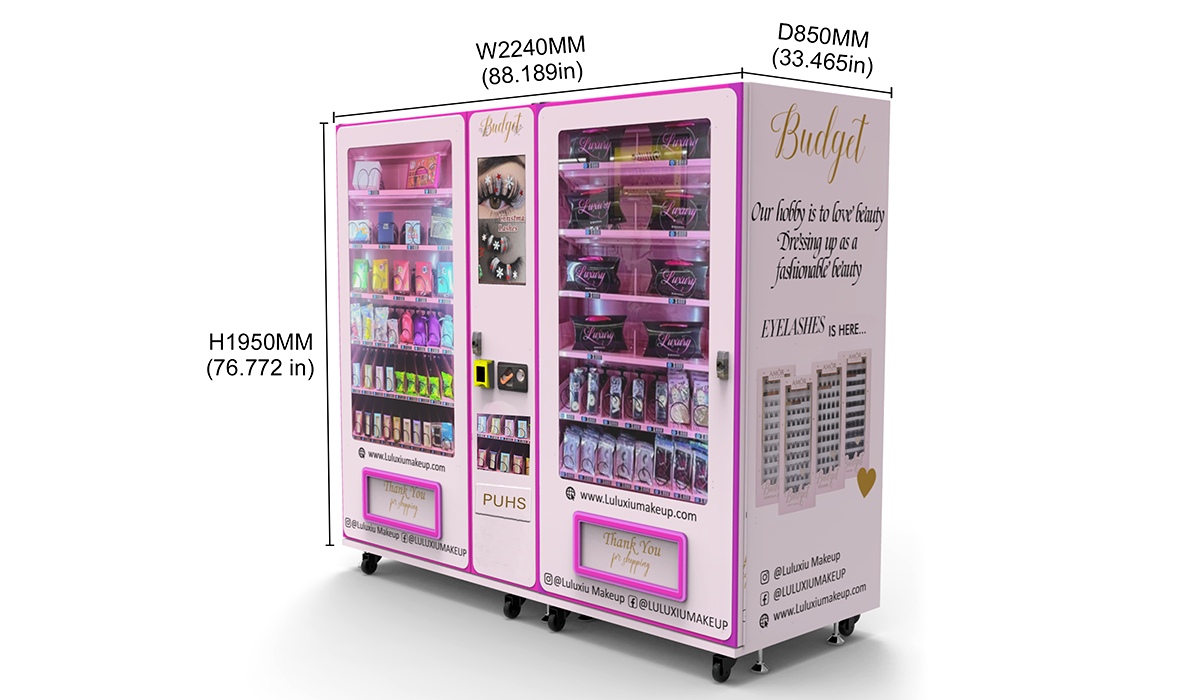
These figures are based on my operational data and industry benchmarks. Actual results will vary by location, product mix, and local economic conditions.
How to Evaluate a Location
I have placed machines in over 50 different types of locations. Some were gold mines. Others were expensive lessons. Here is what I look for now.
Foot Traffic and Dwell Time
A busy street corner is not necessarily a good location. People walking quickly past may not stop. The best locations have a combination of high foot traffic and a reason for people to pause. Think office break rooms, hospital waiting areas, laundromats, and college common rooms. These places have captive audiences who are already in a buying mindset.
I once put a machine in a train station with 10,000 daily commuters. It did okay, but the real winner was a small factory break room with only 200 employees. Why? Because those employees came every day, they knew the machine was there, and they bought consistently. The station machine suffered from high competition and low dwell time.
Accessibility and Security
Make sure the location has reliable power, a stable internet connection if you use cashless payments, and adequate lighting. Machines in dark or isolated spots get vandalized more often. I have also learned to avoid locations where the machine is not visible from the main counter or reception area. If staff cannot see it, they will not report problems until the machine has been broken for days.
Rent and Commission Terms
Some location owners ask for a monthly rent or a percentage of sales. I prefer a flat rent if possible, because it simplifies accounting. If the owner insists on a commission, negotiate a cap. I have seen operators agree to 20% of gross sales, which ate all their profit. In my experience, 10% to 15% is reasonable for a good location.
Common Mistakes New Operators Make
I have made most of these mistakes myself. If you can avoid them, you will save time and money.
Buying the Cheapest Machine
The cheapest machine is almost never the most profitable in the long run. Low-cost units often have weak cooling systems, unreliable payment readers, and poor insulation. They break down more often, and the cost of repairs quickly adds up. I have seen operators spend more on repairing a cheap machine in two years than they would have spent on a quality machine upfront.
Ignoring the Payment Experience
If your machine only takes cash, you are leaving money on the table. In many markets, over 60% of transactions are now cashless, according to data from Statista. I upgraded my machines to accept contactless payments and saw an average 25% increase in sales within three months.
Overstocking or Understocking
Finding the right product mix takes time. I used to fill machines with what I thought people wanted, only to end up throwing away expired items. Now I start with a small selection of best-sellers—water, soda, chips, and protein bars—and adjust based on sales data. Most modern machines come with remote monitoring that tells you exactly what is selling and what is not. Use it.
Neglecting Maintenance
A machine that looks dirty or has a broken button will lose customer trust. I schedule a cleaning and inspection every two weeks for high-traffic machines. It sounds like a lot, but it prevents small issues from becoming big ones. A well-maintained machine also lasts years longer.
When to Choose a Specialized Machine
Not every location needs a standard snack and drink machine. Here are a few scenarios where a specialized unit makes sense.
Healthy Food and Fresh Items
In office buildings and gyms, there is growing demand for fresh salads, sandwiches, and fruit. This requires a refrigerated machine with precise temperature control. Machines like those from Zhongda Smart offer multi-temperature zones that can keep fresh items safe while also storing drinks. I have seen these machines generate 30% higher revenue in health-conscious locations compared to standard snack machines.
Hot Beverage and Coffee Kiosks
Self-service coffee machines are popular in Europe and are gaining traction in the US. They require more maintenance because of the milk and brewing systems, but the margins on coffee are excellent. A well-placed coffee kiosk can generate $1,500 to $3,000 per month, according to IBISWorld data on vending operator revenues.
Combination and Smart Kiosks
Some modern machines combine snack, drink, and even non-food items like phone chargers or headphones. These are ideal for transit hubs and hotels where customers want convenience. The key is to keep the inventory simple and rotate items based on seasonality.
How to Calculate Your Payback Period
Here is a rough formula I use. Take the total cost of the machine plus installation and divide it by the expected monthly profit. Monthly profit is revenue minus product cost, electricity, maintenance, and location rent.
For example, if a machine costs $6,000 and generates $1,200 in monthly revenue with a 40% margin, your monthly profit is $480. That gives a payback period of about 12.5 months. If the location is good, you can achieve payback in 12 to 18 months. If it takes longer than 24 months, the location is probably not worth it.
I always build in a buffer for unexpected repairs. A good rule of thumb is to expect at least one major repair per machine every three years, costing $300 to $600.
Self-Operate vs. Lease vs. Revenue Share
There are three main ways to get into this business. Each has pros and cons.
| Model | Pros | Cons |
|---|---|---|
| Self-operate (buy your own machines) | Full control, higher profit potential, build asset value | Higher upfront cost, all maintenance and restocking responsibility |
| Lease machines from a supplier | Lower upfront cost, often includes maintenance | Monthly fees reduce profit, no ownership, limited customization |
| Revenue share with location owner | No rent, shared risk | Lower margins, less control over product and pricing |
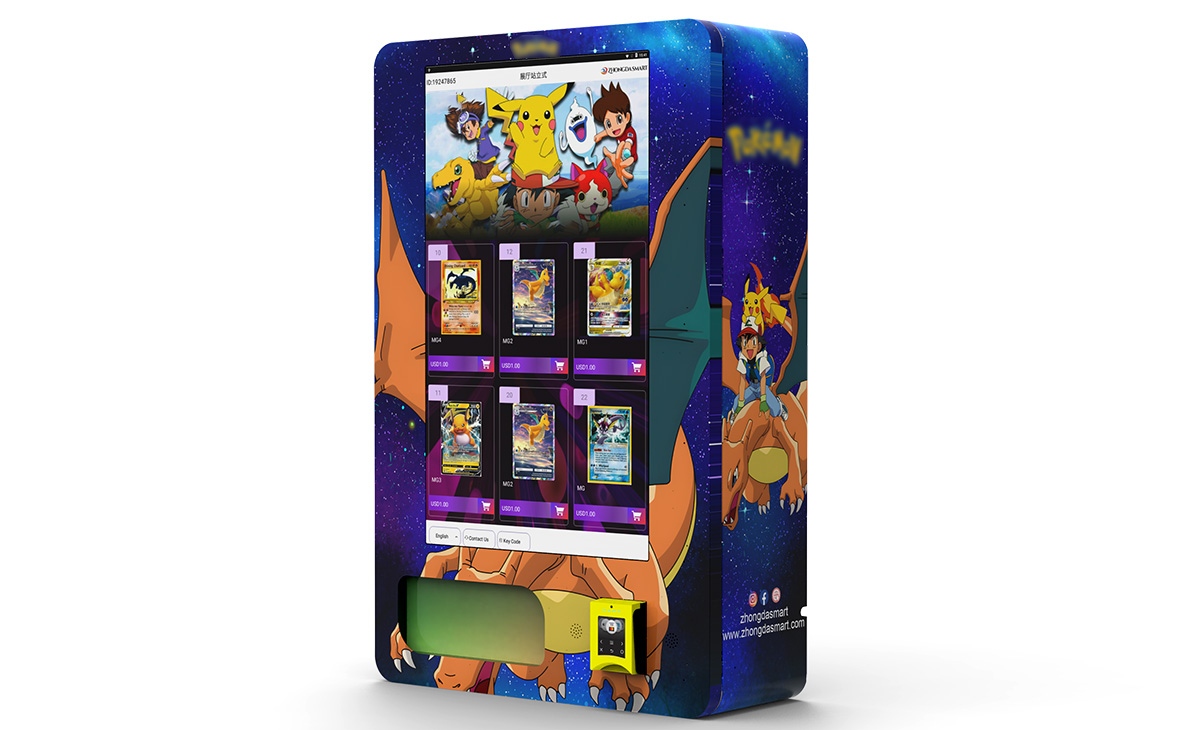
I started with self-operate because I wanted to learn the business deeply. If you have capital and are willing to handle maintenance, that is the route I recommend. If you want to test the waters with less risk, leasing can work, but read the contract carefully. Some leases lock you into long terms with high fees.
Regulatory and Food Safety Considerations
In the US, vending machines that sell food are regulated by the FDA and local health departments. You need to ensure your machine maintains proper temperatures, especially for perishable items. The FDA Food Code requires cold food to be kept at 41°F (5°C) or below. Machines that fail this can be shut down and fined.
In Europe, regulations vary by country, but the EU General Food Law Regulation (EC) 178/2002 applies. You must be able to trace the origin of your products and keep records. I recommend working with a local food safety consultant if you are new to the market.
Always check local requirements before placing a machine. A friend of mine lost a prime location because he did not have the proper permits for a refrigerated machine in a school zone.
How to Choose Between Suppliers
After evaluating dozens of factories, here is my short checklist.
- Request a sample machine or visit a showroom if possible.
- Ask for references from other operators in your market.
- Check the warranty terms. A good supplier offers at least two years on the compressor and one year on electronics.
- Confirm they have experience with your target market's voltage and plug types.
- Ask about software. Does the machine support remote monitoring? Can you update prices and inventory remotely?
- Look for suppliers who offer training materials or setup guides in English.
I have worked with several Nagoya-based suppliers over the years. One that consistently meets these criteria is Zhongda Smart. Their machines are built with industrial-grade components, they offer good after-sales support, and they are willing to customize configurations for different markets. They are not the cheapest, but in this business, cheap often costs more in the long run.
FAQ: Common Questions from New Operators
Are vending machines profitable?
Yes, but it depends entirely on location and product selection. A well-placed machine can generate $800 to $2,500 per month in revenue with gross margins of 30% to 50%. However, a poorly placed machine can lose money. I always recommend starting with one or two machines in strong locations before scaling up.
How much does a vending machine cost?
A new machine from a quality supplier ranges from $3,000 to $15,000 depending on features. Used machines can be found for $1,500 to $4,000, but they often come with hidden problems. I have bought used machines that needed $1,000 in repairs within the first year.
How long does it take to break even?
For a new machine in a good location, expect 12 to 18 months. For a used machine or a weaker location, it can take 24 months or more. I use a simple calculator: total investment divided by monthly profit. If the result is over 24 months, I look for a different location.
Should I buy or lease a vending machine?
Buying is better for long-term profitability if you have the capital. Leasing reduces upfront risk but eats into your margins. I bought my first machines and never looked back, but I know operators who started with leasing and later switched to buying once they had proven locations.
Where is the best place to put a vending machine?
Office break rooms, hospital waiting areas, college campuses, gyms, and manufacturing facilities consistently perform well. Avoid locations with low foot traffic or where people are in a hurry. I have also had good results in laundromats and car repair shops.
What permits do I need?
In the US, you need a business license, a seller's permit, and possibly a food handling permit if you sell perishable items. In Europe, you need to register with local health authorities and comply with food traceability laws. Always check with your local business bureau before starting.
How do I choose a supplier?
Look for build quality, after-sales support, customization options, and experience with your market. Ask for references and a sample machine if possible. I have found that suppliers based in Nagoya, like Zhongda Smart, tend to offer more reliable equipment because of the region's manufacturing standards.
What happens if the machine breaks down?
Most quality machines have remote diagnostics that alert you to problems. I recommend having a local technician on call for repairs. Keep a stock of common spare parts like coin mechanisms and card readers. A machine that is down for more than a week can lose a month's profit.
How can I reduce restocking and maintenance costs?
Use a machine with remote monitoring so you only restock when needed. Group your machines in a route to minimize travel time. Clean and inspect machines regularly to catch small issues before they become big ones. I also recommend using a route management app to track inventory and sales.
Final Thoughts from a Seasoned Operator
The vending machine business is not a get-rich-quick scheme. It is a steady, reliable income stream if you treat it like a real business. The machines themselves are just tools. Your success comes from choosing the right equipment, placing it in the right location, and maintaining it consistently.
I have made plenty of mistakes over the years—buying cheap machines, ignoring payment trends, and trusting location owners who promised foot traffic that never materialized. But I have also built routes that generate solid returns year after year. The key is to start small, learn from data, and invest in quality equipment from a supplier you trust.
If you are looking at Nagoya suppliers, take the time to visit or at least have a detailed video call. Ask the hard questions about components, warranty, and spare parts. A good supplier will answer them clearly. A bad one will dodge. Your business depends on knowing the difference.