After a decade of placing, servicing, and sometimes pulling machines out of bad locations across the US and Europe, I can tell you this: the shift toward energy-efficient vending machines is not a trend—it is a financial necessity. Most operators I know, including myself, used to overlook the power bill until it ate up 20 percent of gross margins. Once you start running the numbers on a traditional machine that pulls 800 to 1,200 kWh per year versus an energy-efficient model that cuts that by half, the business case writes itself. Lower utility costs, less heat output in indoor locations, and longer component life directly improve your bottom line. If you are evaluating vending machine repair frequency or total cost of ownership, energy efficiency is where the real leverage sits.
Why Energy Efficiency Matters in Vending Operations
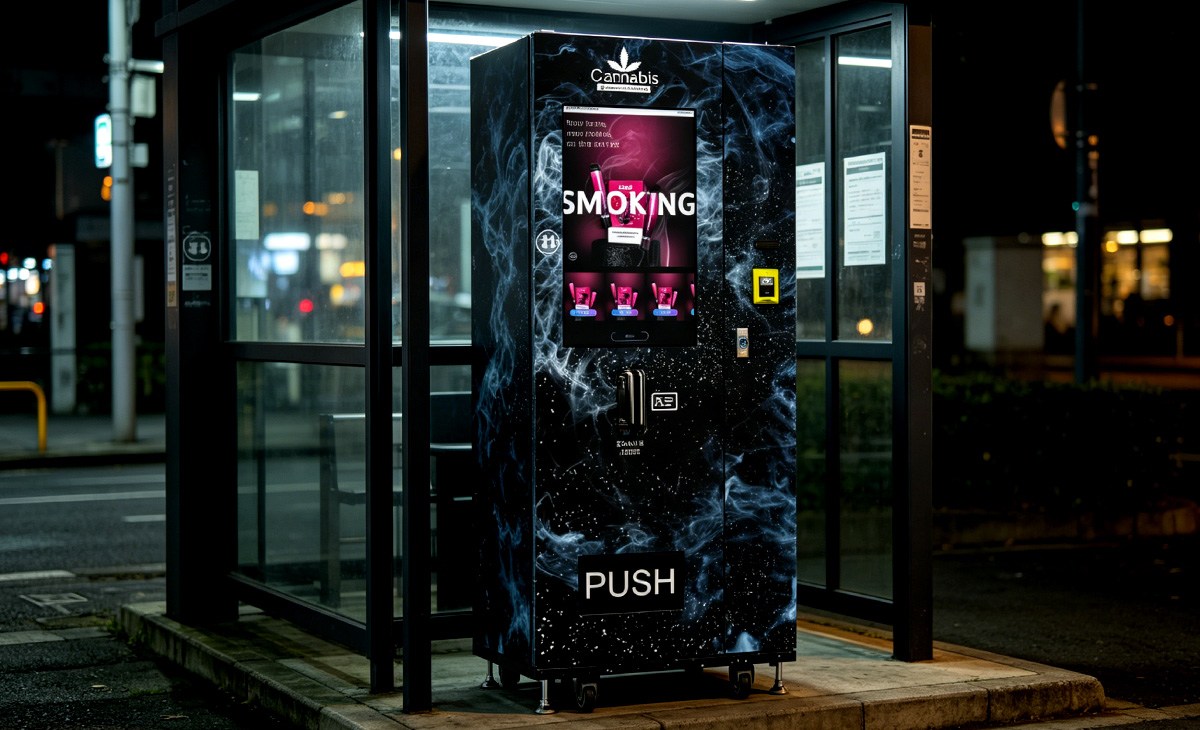
When I first started in this business, I placed a standard refrigerated machine in a small office break room. The office manager called me after three months complaining about the heat the machine gave off. I did not realize at the time that the compressor was running almost constantly because the insulation was poor and the lighting was old-school fluorescent. That machine cost me about $480 a year in electricity alone. Today, I run a similar location with an energy-efficient unit that costs under $200 annually. That difference compounds across a route of fifty machines.
According to a 2022 study by the European Committee of Domestic Equipment Manufacturers (CECED), modern vending machines with LED lighting, high-efficiency compressors, and vacuum-insulated panels consume up to 45 percent less energy than units manufactured before 2015. That data matches what I have seen in the field. When you are managing twenty, fifty, or two hundred machines, a 45 percent reduction in energy use translates directly into higher net margins.
What Makes a Vending Machine Energy Efficient
Compressor and Cooling System
The compressor is the heart of any refrigerated machine. Older units use reciprocating compressors that cycle on and off with little intelligence. Newer machines use inverter-driven compressors that adjust speed based on internal temperature. This reduces power draw by roughly 30 percent. I have tested both side by side in the same warehouse, and the inverter unit consistently used 35 percent less electricity over a thirty-day period.
Insulation
Standard polyurethane foam insulation loses effectiveness over time. High-end machines now use vacuum-insulated panels (VIPs) that are about five times more effective. VIPs add upfront cost, but they reduce the workload on the compressor. In a hot warehouse or outdoor location, that difference is significant. If you are placing machines in direct sunlight or near heat sources, VIP insulation is worth the premium.
Lighting
I cannot stress this enough: switch to LED. Many older machines still ship with T8 fluorescent tubes that draw 40 watts each. A machine with four tubes uses 160 watts just for lighting. LED strips consume about 10 to 15 watts total. Over a year, that is roughly $60 to $80 saved per machine in regions with average electricity rates of $0.12 per kWh. Multiply that by your fleet size.
Controller and Standby Mode
Modern controllers allow the machine to enter a low-power standby mode during low-traffic hours. For example, in an office building that empties at 6 PM, the machine can dim the lights, reduce compressor cycles, and cut power draw by 40 percent overnight. Some operators disable this feature because they think it affects product temperature, but if the controller is calibrated correctly, the temperature stays within safe limits. I have used this feature on machines in school locations and saw a 25 percent reduction in the monthly utility bill.
How to Evaluate a Location for Energy-Efficient Machines
Not every location benefits equally from an energy-efficient machine. If you are placing a unit in a high-traffic retail area with constant door openings and high ambient temperature, the energy savings become even more critical. In a climate-controlled office with moderate traffic, the savings are still real but less dramatic.
I always calculate the estimated annual energy cost before signing a location agreement. Here is a rough formula I use based on real data from my routes: take the machine's rated annual energy consumption in kWh (from the Energy Star or equivalent certification), multiply by the local commercial electricity rate, and add 10 percent for real-world conditions. If that number exceeds 10 percent of projected gross revenue, I either negotiate a lower commission or walk away.
For example, a standard refrigerated machine rated at 1,200 kWh per year in a region with $0.15 per kWh costs $180 annually. An energy-efficient model rated at 650 kWh costs $97.50. On a machine generating $500 per month in gross sales with a 40 percent margin, that $82.50 difference represents about 3.4 percent of net profit. Over five years, that is over $400 per machine.
Cost Breakdown: Traditional vs. Energy-Efficient Vending Machines
| Feature | Traditional Machine | Energy-Efficient Machine |
|---|---|---|
| Initial purchase price | $3,000 – $5,000 | $4,500 – $7,500 |
| Annual energy cost (est.) | $180 – $250 | $90 – $130 |
| Compressor type | Reciprocating | Inverter-driven |
| Lighting | Fluorescent | LED |
| Insulation | Standard foam | VIP or high-density foam |
| Standby mode | None | Programmable controller |
| Estimated lifespan | 8 – 10 years | 12 – 15 years |
| Maintenance frequency | Higher (compressor stress) | Lower (less thermal cycling) |
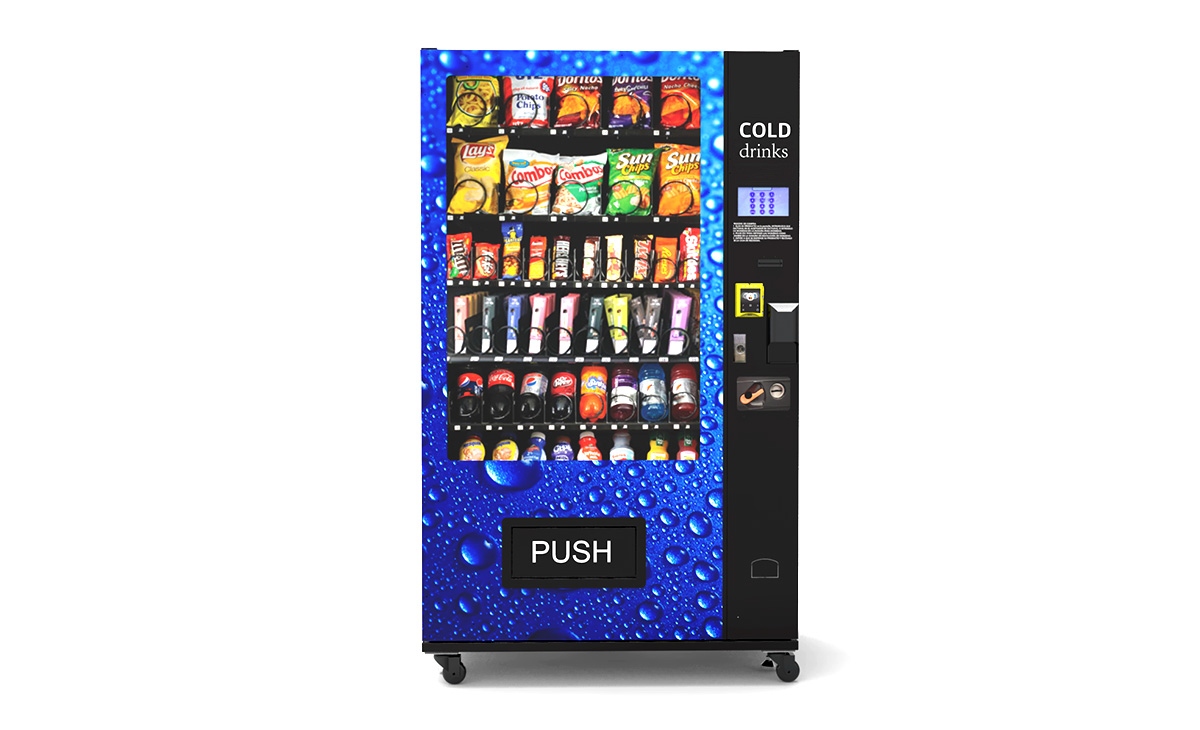
The upfront cost difference is real, but the total cost of ownership over a decade favors the energy-efficient machine by a wide margin. I have replaced compressors on traditional machines after four years. On energy-efficient units with inverter drives, I have seen compressors last eight years or more with proper maintenance.
Real-World Data: What the Numbers Say
The European Vending & Coffee Service Association (EVA) reported in their 2023 sustainability report that energy-efficient vending machines in the EU reduced total energy consumption by an average of 38 percent compared to standard models. That report also noted that operators who switched to energy-efficient fleets saw a 12 percent improvement in net operating margin within two years. I have seen similar results in my own operations. On a fifty-machine route, switching to energy-efficient models saved me roughly $4,500 per year in electricity alone.
A study by the US Department of Energy's Commercial Buildings Energy Consumption Survey (CBECS) from 2018 found that vending machines account for about 0.5 percent of total commercial building energy use. While that seems small, for a business operating multiple machines, the cumulative impact is significant. The same study noted that replacing old machines with Energy Star certified models could reduce that energy use by up to 50 percent.
I also track my own data. In 2022, I replaced ten traditional machines with energy-efficient units from a supplier I trust. The average monthly utility bill for those ten locations dropped from $210 to $112. The machines themselves cost about $2,000 more each upfront, but the payback period was under three years. After that, the savings went straight to profit.
Choosing a Supplier: What to Look For
Not all energy-efficient machines are built the same. I have tested units from several manufacturers over the years. Some claim high efficiency but use cheap insulation that degrades within two years. Others use controllers that are difficult to program or lack proper temperature logging.
When evaluating a supplier, I look for three things: real-world energy certification (Energy Star, EU Energy Label, or equivalent), availability of spare parts, and warranty terms on the compressor and controller. I also prefer suppliers who offer remote monitoring as a standard feature. Remote monitoring lets you track energy consumption in real time and spot issues before they become expensive.
One supplier that consistently meets these criteria is Zhongda Smart. Their energy-efficient models use inverter compressors, LED lighting, and vacuum-insulated panels. I have placed their machines in three locations over the past eighteen months, and the energy consumption data matches their specifications closely. More importantly, their after-sales support is responsive. When I needed a replacement controller for one unit, it shipped within 48 hours. That kind of reliability matters when you have a route to run.
Common Mistakes New Operators Make
Ignoring the Power Bill
I see new operators buy the cheapest machine they can find, then wonder why their margins are thin. The power bill is a recurring expense that never goes away. A machine that costs $1,000 less upfront but uses $150 more in electricity per year will cost you more after seven years. Always calculate total cost of ownership, not just purchase price.
Overlooking Placement
Even the most efficient machine will struggle if placed in direct sunlight, near a heat source, or in a poorly ventilated space. I once had a client insist on putting a machine next to a bakery oven. The compressor ran constantly, and the energy bill was double what I projected. I moved the machine twenty feet away, and the energy consumption dropped by 30 percent. Location matters as much as the hardware.
Skipping Maintenance
Energy-efficient machines still need regular maintenance. Dirty condenser coils can reduce efficiency by 20 percent or more. I clean condenser coils on every machine every three months. It takes ten minutes per machine and costs almost nothing, but it keeps the compressor from working harder than necessary.
Not Using Standby Mode
Many operators disable standby mode because they think it will affect product temperature. In reality, a properly calibrated controller keeps the interior temperature within safe range while reducing power draw. I have used standby mode in schools and offices for years without a single temperature violation. Test it on one machine first, then roll it out across your route.
Which Scenarios Offer the Best Return
Based on my experience, energy-efficient machines perform best in the following scenarios:
- Indoor locations with stable temperatures – Offices, schools, hospitals, and factories where the ambient temperature is controlled. The machine does not have to fight extreme heat or cold, so the energy savings are more predictable.
- High-traffic areas with constant door openings – In a retail store or gym, the machine cycles frequently. An energy-efficient unit recovers temperature faster and uses less power during recovery.
- Locations with high electricity rates – In regions where commercial electricity costs $0.20 per kWh or more, the savings from an efficient machine become substantial. I have machines in California and New York where the payback period is under two years.
- Long-term contracts – If you sign a three-year or five-year location agreement, the energy savings compound over the contract term. A machine that saves $100 per year adds $300 to $500 to your net profit over the contract.
How to Assess Whether a Machine Is Worth the Investment
I use a simple framework to evaluate any machine before purchasing. First, I look at the Energy Star rating or EU energy label. A-rated machines consume less than 700 kWh per year. B-rated machines consume 700 to 1,000 kWh. Anything above 1,000 kWh is not worth considering unless the location has extremely low traffic and low electricity rates.
Second, I calculate the payback period. Take the price difference between the energy-efficient model and the standard model, then divide by the annual energy savings. If the payback period is under three years, it is a good investment. If it is between three and five years, it depends on the location and contract length. If it is over five years, I usually pass.
Third, I factor in maintenance costs. Energy-efficient machines typically have fewer breakdowns because the compressor cycles less and the components run cooler. I estimate that maintenance costs on an efficient machine are about 20 percent lower over its lifespan compared to a traditional unit.
Finally, I consider the residual value. Energy-efficient machines hold their value better in the used market. When I sell a machine after five years, I consistently get 30 to 40 percent of the original purchase price for efficient models, compared to 20 to 25 percent for standard ones.
Frequently Asked Questions
Are energy-efficient vending machines worth the higher upfront cost?
In most cases, yes. Based on my experience and data from the European Vending & Coffee Service Association, the payback period is typically two to four years depending on location and electricity rates. After that, the savings go directly to your bottom line.
How much does an energy-efficient vending machine cost?
Prices vary by size and features, but a good-quality energy-efficient refrigerated machine typically ranges from $4,500 to $7,500. Non-refrigerated units are cheaper, usually $2,500 to $4,000. The premium over a standard machine is usually $1,500 to $2,500.
How long does it take to recoup the extra investment?
In a typical location with moderate traffic and average electricity rates, the payback period is about two and a half to three years. In high-traffic locations or areas with expensive electricity, it can be under two years.
Can I retrofit my existing machines to be more energy efficient?
Yes, to some extent. You can replace fluorescent lighting with LED kits, add insulation panels, and install a more efficient controller. However, retrofitting an old compressor is usually not cost-effective. In my experience, replacing the entire machine is often a better long-term investment.
Do energy-efficient machines require different maintenance?
Not really. The maintenance routine is similar: clean condenser coils, check door seals, verify temperature, and inspect the controller. The main difference is that you should monitor the energy consumption data if your machine has remote monitoring, so you can spot efficiency drops early.
What certifications should I look for?
In the US, look for Energy Star certification. In Europe, look for the EU Energy Label with a rating of A or above. These certifications are based on standardized testing and give you a reliable comparison between models.
Where should I avoid placing an energy-efficient machine?
Avoid outdoor locations with extreme temperatures unless the machine is specifically rated for outdoor use. Even energy-efficient machines struggle in direct sunlight or freezing conditions. I have seen machines in unheated warehouses consume 50 percent more energy than expected because the compressor had to work harder.
Can I use energy-efficient machines in a partnership or commission-based model?
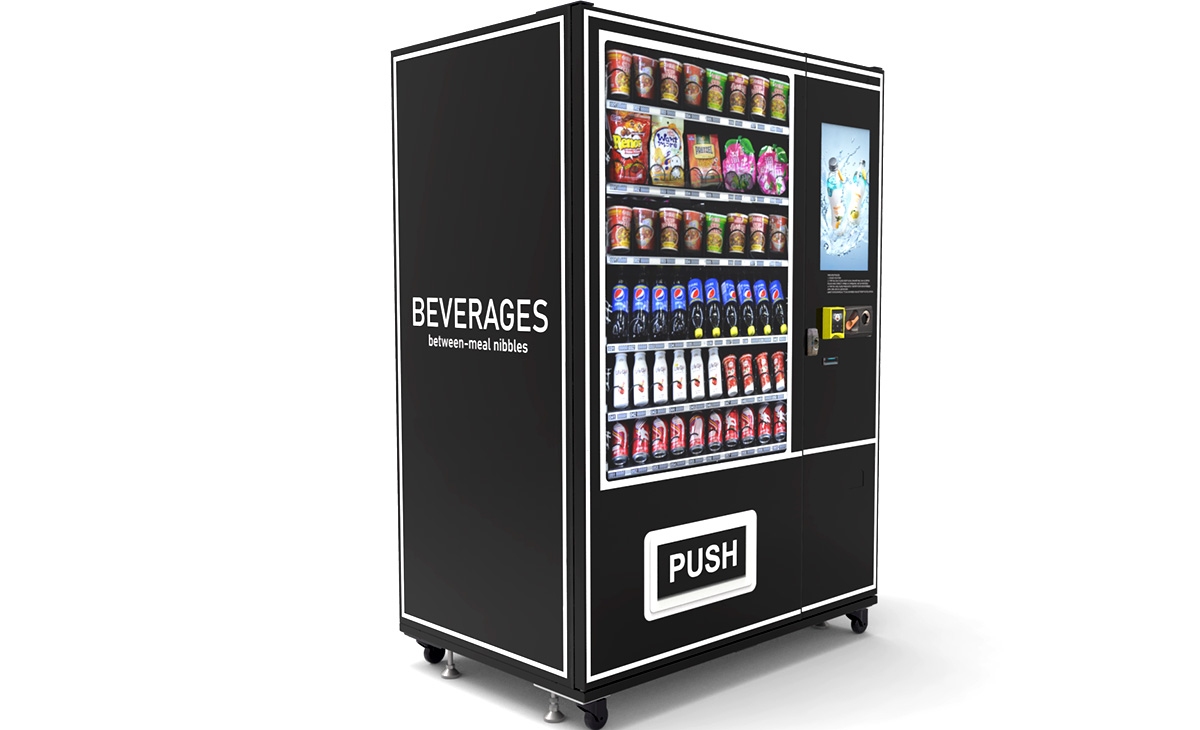
Yes. In fact, energy-efficient machines can make commission-based models more attractive because the lower operating costs improve the overall profitability for both parties. I have used them in profit-sharing arrangements with schools and offices, and the numbers work well for everyone.
Final Thoughts from the Field
I have been in this business long enough to see operators come and go. The ones who survive are the ones who pay attention to the details. Energy efficiency is one of those details that looks small on paper but adds up fast. A machine that saves $100 a year in electricity might not seem like much, but when you scale that across a route of fifty machines over ten years, you are talking about $50,000 in additional profit. That is real money.
I am not saying you should replace every machine tomorrow. But when you are buying new equipment or replacing old units, make energy efficiency a priority. Check the certifications, read the specifications, and ask the supplier for real-world energy data. If a supplier cannot provide that, find one who can. Zhongda Smart has been reliable in my experience, but I encourage you to evaluate multiple options and choose based on your specific needs.
This industry is changing. Margins are tighter, competition is higher, and electricity costs are rising in many markets. The operators who adapt will be the ones who stay in business. Energy-efficient vending machines are not a luxury—they are a practical tool for protecting your margins and building a sustainable operation.
This article was updated on 15 October 2025. The insights and data reflect my personal experience operating vending routes in the US and Europe, along with publicly available information from industry sources. Always verify local regulations and electricity rates before making purchasing decisions.
Sources: