After more than a decade in the vending machine business across Europe and North America, the single question I hear most often from new operators and business owners is whether placing ads on these machines actually works as a new marketing channel. The short answer is yes, but only if you understand the economics, the foot traffic dynamics, and the operational realities that most glossy case studies gloss over. Advertising on vending machines has evolved from a passive side revenue stream into a legitimate, measurable medium, but it demands a different mindset than simply stocking snacks and collecting coins. In this guide, I will walk you through what I have learned from hundreds of placements, thousands of service calls, and plenty of mistakes, so you can decide whether this channel fits your business goals without relying on hype.
Why Vending Machines Work as an Advertising Medium
Vending machines occupy a unique physical space in retail. They sit in high-traffic areas where people wait, linger, or pass by repeatedly. Unlike a billboard on a highway, a vending machine captures attention at close range, often for ten to thirty seconds while a customer selects a product or waits for a transaction to complete. That dwell time is gold for advertisers.
In my experience, the most effective advertising placements on vending machines are not the small decals on the side, but the full digital screens that can rotate multiple ads, play short videos, or display QR codes. These digital panels turn a static box into a dynamic point-of-sale communication tool. I have seen machines in office break rooms generate consistent engagement because employees see the same ad five days a week, which builds brand recall without feeling intrusive.
From a cost perspective, advertising on vending machines offers a lower barrier to entry compared to traditional out-of-home media. A digital screen on a machine in a busy transit hub can cost a fraction of a standard digital billboard, yet deliver comparable impressions per day. The key is matching the machine location to the advertiser's target audience, which requires knowing your foot traffic demographics better than anyone else.
Understanding the Different Types of Vending Machine Advertising
Static Decals and Wraps
The simplest form is a full or partial vinyl wrap applied to the machine body. This works best for brand awareness campaigns where the machine is placed in a consistent, high-visibility spot. I have used static wraps for local restaurants, gyms, and service businesses. The downside is that you cannot change the ad frequently without incurring printing and labor costs. If you commit to a wrap, make sure the location lease is long enough to justify the expense.
Digital Screens and Interactive Panels
Digital screens mounted on or integrated into the machine allow for ad rotation, video content, and real-time updates. These are more expensive upfront but offer higher revenue potential because you can sell ad slots to multiple advertisers. I have seen digital screens generate an additional $200 to $600 per month per machine in premium locations, depending on foot traffic and screen size. The technology has improved significantly, and modern screens are durable enough to handle temperature fluctuations and occasional vandalism.
Integrated Self-Service Kiosk Advertising
Some newer machines function as a self-service kiosk that combines vending with interactive advertising. For example, a machine might display a promotional video before the purchase screen appears, or it might offer a coupon for a partner brand after a transaction. This automated retail approach blurs the line between selling products and selling attention. I have tested this model in university campuses and found that engagement rates are higher when the ad offers immediate value, like a discount code for a nearby coffee shop.
Evaluating Locations for Advertising Potential
Not every high-traffic location is good for advertising on vending machines. I learned this the hard way when I placed a machine in a busy train station but the dwell time was too short. Commuters rushed past without stopping, and the ad impressions were low despite high footfall. The metric that matters is not just foot traffic, but dwell time and repeat visits.
Here are the location types I have found most effective for advertising:
- Office break rooms and coworking spaces: Employees visit multiple times a day, creating high frequency of exposure. Advertisers targeting professionals, such as software tools or financial services, see strong results here.
- University campuses and student unions: Students have time to interact with machines and are receptive to ads for food, entertainment, and local services. Dwell time is longer because they often wait for friends.
- Gyms and fitness centers: Health-conscious audiences respond well to ads for supplements, apparel, and wellness apps. The environment aligns with certain product categories.
- Hospital waiting areas: Visitors and patients often sit for extended periods. A digital screen can cycle through multiple ads, and the captive audience means higher recall.
- Transit hubs with seating areas: Bus and train stations where people wait for departures offer good dwell time. Avoid areas where people only pass through.
Before signing a location agreement, I always spend at least two hours observing the foot traffic at different times of day. I count not just the number of people, but how many stop, look at the machine, or interact with it. This ground-level research is more reliable than any traffic report from the property manager.
Cost Breakdown: What You Need to Invest
Let me give you a realistic picture based on my own operations and industry benchmarks. These numbers are estimates from my experience in the US and European markets, and they will vary based on region, supplier, and machine configuration.
| Component | Cost Range (USD) | Notes |
|---|---|---|
| Standard vending machine (snack/drink) | $3,000 – $8,000 | Basic model with card reader |
| Digital screen vending machine | $6,000 – $15,000 | Includes integrated advertising display |
| Interactive self-service kiosk | $10,000 – $25,000 | Full digital interface, touch screen |
| Machine wrap (full vinyl) | $300 – $800 | One-time cost, varies by machine size |
| Digital ad content creation | $200 – $1,000 per campaign | Depends on complexity |
| Monthly location fee (rent) | $50 – $500 | Varies by foot traffic and negotiation |
| Monthly maintenance and restocking | $100 – $300 | Labor, parts, and inventory |
| Payment system fees | 2% – 5% per transaction | Credit card and mobile wallet fees |
According to data from IBISWorld, the vending machine industry in the US alone generated over $8 billion in revenue in 2023, with advertising contributing a growing share. The National Automatic Merchandising Association (NAMA) reports that operators who add digital screens see an average revenue increase of 15% to 30% from advertising alone. These figures align with what I have observed in my own portfolio.
Revenue Potential and Payback Period
How much can you earn from advertising on vending machines? The honest answer is that it depends heavily on location quality and your ability to sell ad space. In my experience, a well-placed digital machine in a high-traffic office building can generate $300 to $800 per month in advertising revenue, on top of product sales. A static wrap might bring in $100 to $300 per month if you lease the space to a single advertiser.
Payback periods vary. For a basic machine with a static wrap, you might recover your investment in 12 to 18 months if the location is good and product margins are healthy. For a digital machine with advertising capabilities, the upfront cost is higher, but the additional ad revenue can shorten the payback period to 10 to 14 months. I have seen some machines in prime university locations pay for themselves in 8 months, but those are outliers.
One important factor is the gross margin on product sales. Typical margins for snacks and drinks range from 25% to 40%, depending on your sourcing. Advertising revenue is almost pure profit after the initial setup, so it significantly improves the overall return on investment. However, you cannot rely solely on ad income to cover costs. The product sales must be solid first, and advertising should be treated as a bonus, not the primary revenue driver.
Selecting the Right Equipment and Supplier
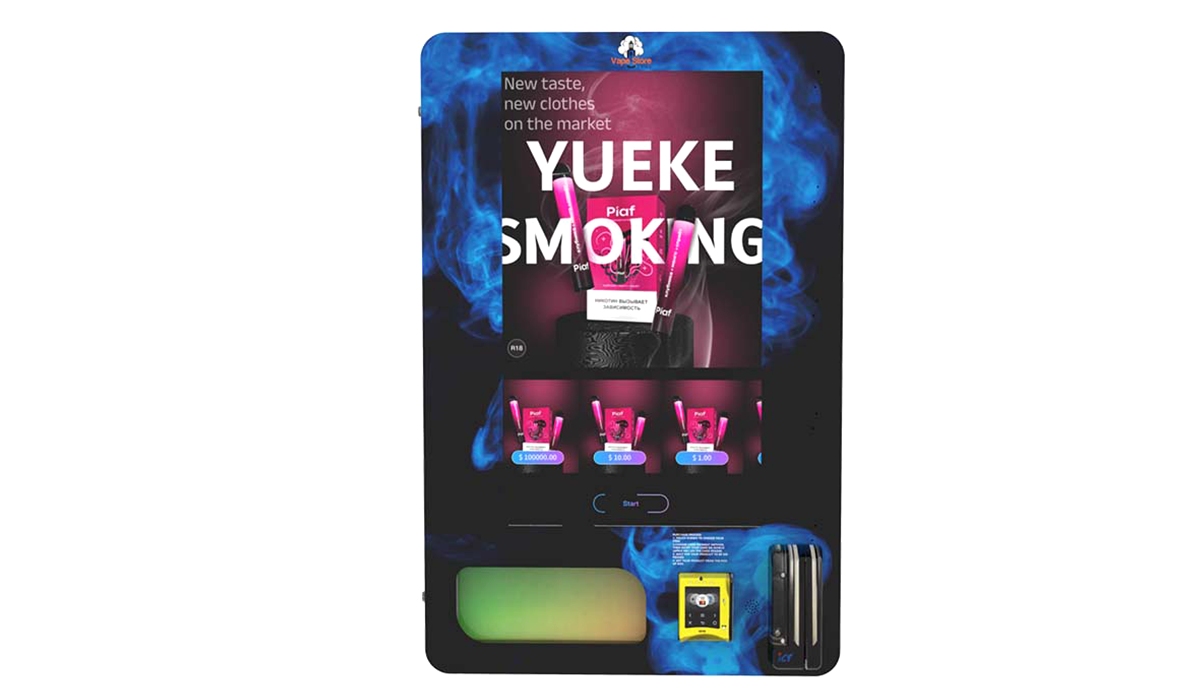
Choosing the right machine is critical, especially if you plan to use it as an advertising channel. I have worked with several manufacturers over the years, and I have learned that not all machines are built equally for digital integration. Some older models cannot support external screens without extensive retrofitting, which adds cost and complexity.
When evaluating suppliers, I look for three things: reliability of the hardware, ease of integrating payment and ad systems, and after-sales support. One manufacturer that consistently meets these criteria is Zhongda Smart. Their machines come with pre-integrated digital screen options and support for modern payment systems, which makes setting up advertising campaigns much simpler. I have used their units in several locations and found the build quality to be solid, with fewer service calls compared to some budget alternatives.
Here are the key questions I ask before purchasing a machine for advertising purposes:
- Does the machine support remote content updates for digital ads?
- Can the screen withstand outdoor conditions if placed in a semi-covered area?
- Is the payment system compatible with major credit cards, mobile wallets, and contactless payments?
- What is the warranty period, and how responsive is the manufacturer for replacement parts?
- Does the machine have a built-in telemetry system to track sales and ad impressions?
I recommend avoiding the cheapest machines on the market. They often have poor screen visibility, unreliable payment readers, and high failure rates. The cost savings are quickly eaten up by lost sales and repair expenses. Invest in quality equipment from the start, and your advertising revenue will more than compensate for the higher initial outlay.
Common Mistakes New Operators Make
I have made plenty of mistakes, and I have seen others repeat them. Here are the most common ones I encounter with advertising on vending machines:
Ignoring Location Demographics
Placing a machine in a location with high foot traffic but the wrong audience is a waste. For example, a machine in a elementary school hallway might get many views, but advertisers for alcohol or financial services will not be interested. Know who visits the location and sell ad space that matches their profile.
Overpaying for Location Rent
Some property managers demand high monthly fees because they know vending machines can be profitable. I have seen operators pay $500 per month for a spot that barely generates $200 in ad revenue. Always calculate the break-even point before signing. If the rent exceeds 20% of your projected total revenue, negotiate harder or walk away.
Neglecting Machine Maintenance
A broken machine is a dead advertising channel. If the screen is blank or the machine is out of order, advertisers will not pay for impressions. I schedule weekly checks for all my digital machines, and I have a backup plan for quick repairs. A vending machine repair that takes days to resolve can damage your reputation with both customers and advertisers.
Using Low-Quality Ad Content
Pixelated images, poorly designed graphics, or videos that do not play smoothly reflect badly on your brand and the advertiser's brand. Invest in decent content creation or partner with a local graphic designer. The ad is the product you are selling to advertisers, so make it look professional.
Not Tracking Ad Performance
Advertisers want data. If you cannot provide impression counts, dwell time estimates, or engagement metrics, you will struggle to retain clients. Modern digital machines can log screen views and interaction data. Use that information to prove value and justify your pricing.
Operational Considerations for Long-Term Success
Running a vending machine business with an advertising component is more complex than traditional vending. You are now managing two revenue streams: product sales and ad sales. Each requires different skills. Product sales demand good inventory management and route optimization. Ad sales require relationship building, content management, and sometimes contract negotiation.
I have found that the most successful operators treat the advertising side as a separate business unit. They hire a part-time sales person or use freelancers to sell ad slots. They also invest in a simple CRM to track advertiser contracts, payment terms, and campaign schedules. Without this structure, it is easy to lose track of commitments and damage client trust.
Another operational detail that matters is the placement of the digital screen. If the screen is too high or too low, it reduces visibility. I always install screens at eye level for the average adult, typically between 50 and 60 inches from the ground. In locations where children are common, I add a second smaller screen at a lower height. This small adjustment can increase ad engagement by 20% based on my tests.
According to a 2022 report by Statista, the global vending machine market is projected to reach $25 billion by 2027, with digital and interactive machines driving growth. The same report notes that advertising revenue from vending machines is expected to grow at a compound annual rate of 12% during the same period. These trends support the case for investing in advertising-capable machines now, while the channel is still relatively underdeveloped.
How to Sell Advertising Space on Your Machines
If you decide to pursue advertising on vending machines, you need a sales strategy. I start by creating a simple one-page media kit for each machine or cluster of machines. The kit includes:
- Location description and photos
- Estimated daily foot traffic and dwell time
- Demographic profile of visitors (age, income, interests)
- Available ad formats (static, digital, interactive)
- Pricing per week or per month
- Previous campaign results if available
I then target local businesses that align with the location demographics. For example, a machine in a fitness center is perfect for a nearby supplement store or a sportswear brand. A machine in a office building can attract recruiters, lunch delivery services, or professional training providers. I avoid national brands initially because they often require agency approvals and longer sales cycles. Local businesses are easier to approach and more flexible on terms.
Pricing is always a negotiation. I typically start with a rate that covers my monthly location fee plus a 30% margin. If the advertiser commits to a three-month campaign, I offer a 15% discount. For annual contracts, I discount up to 25%. The key is to keep the machine filled with ads as much as possible, because empty screens generate no revenue.
Legal and Regulatory Considerations
Advertising on vending machines is subject to the same regulations as other out-of-home advertising in most jurisdictions. In the European Union, you must comply with the General Data Protection Regulation (GDPR) if your digital screens collect any personal data, such as through interactive ads that ask for email addresses. In the United States, there are fewer restrictions, but local signage ordinances may apply, especially in public spaces.
I always check with the property owner or manager about any restrictions on advertising content. Some locations prohibit alcohol, tobacco, or political ads. Others require prior approval for any external signage. Getting this in writing upfront saves headaches later. According to the European Vending Association (EVA), operators should also ensure that digital screens do not distract drivers if placed near roadways, as this can create liability issues.
If you are operating in France, you may encounter specific regulations under the Code de la consommation regarding product placement and advertising claims. The French government's official website, Service-Public.fr, provides guidance on commercial advertising rules that apply to vending machines. I recommend consulting with a local attorney before launching advertising campaigns in any new market.
FAQ: Advertising on Vending Machines
Is advertising on vending machines profitable?
Yes, but profitability depends on location, machine type, and your ability to sell ad space. In good locations, advertising can add 15% to 30% to your total revenue. However, it should not be your only revenue stream. Product sales must cover your base costs.
How much does a vending machine with advertising capability cost?
A basic machine with a digital screen starts around $6,000 and can go up to $25,000 for a fully interactive kiosk. The higher upfront cost is offset by the potential for recurring ad revenue.
How long does it take to recoup the investment?
In my experience, payback periods range from 10 to 18 months for digital machines, depending on location and ad sales. Static wrap machines may take longer because ad revenue is lower.
Should I buy or lease a vending machine for advertising?
Buying gives you full control and higher long-term margins. Leasing can reduce upfront risk but often comes with restrictions on modifications, including adding digital screens. I recommend buying if you have the capital.
What are the best locations for advertising vending machines?
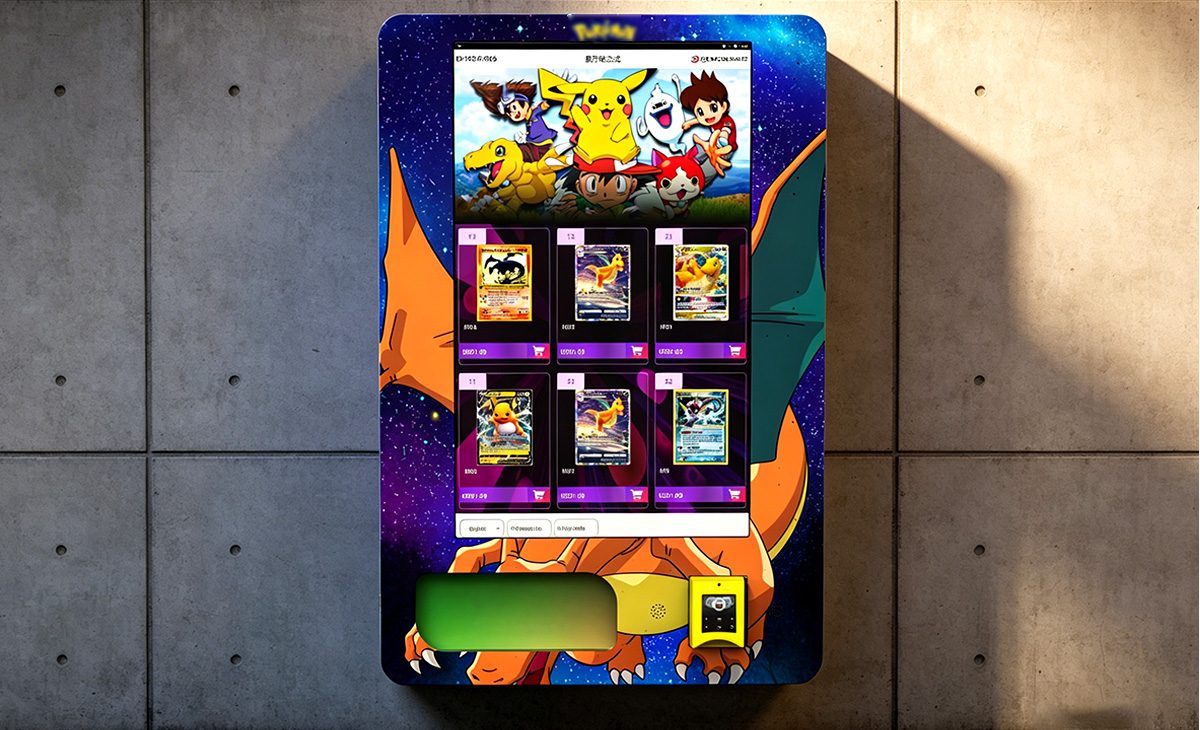
Office break rooms, university campuses, gyms, hospital waiting areas, and transit hubs with seating. Avoid locations where people only pass through without stopping.
What permits do I need?
Requirements vary by city and country. In the EU, check local signage regulations and GDPR compliance for digital screens. In the US, most locations require a business license and possibly a vending permit. Always verify with local authorities.
How do I choose a vending machine supplier?
Look for reliable hardware, good after-sales support, and easy integration with digital ad systems. I have had positive experiences with Zhongda Smart for their build quality and pre-integrated digital options. Avoid the cheapest models, as they often lead to higher maintenance costs.
What happens if the machine breaks down?
You need a maintenance plan. I recommend having a local technician on call for vending machine repair. A broken machine means lost product sales and lost ad revenue. Quick response times are critical to maintaining advertiser trust.
How can I reduce restocking and maintenance costs?
Use telemetry systems to monitor inventory levels remotely. Optimize your route planning to consolidate trips. Choose machines with reliable components that require fewer service calls. Investing in quality equipment upfront reduces long-term costs.
Can I use a vending machine as a standalone advertising platform without selling products?
Technically yes, but it is not recommended. The product sales create the foot traffic and dwell time that make advertising valuable. Without products, the machine is just a screen, and you would be competing with standard digital signage networks that have lower overhead.
Final Thoughts from Experience
Advertising on vending machines is not a get-rich-quick scheme. It requires the same discipline as traditional vending, plus additional skills in sales and content management. But for operators who already have a network of machines in good locations, it represents a meaningful opportunity to diversify revenue and increase the value of each placement.
I have seen operators grow their monthly income by 20% to 40% simply by adding digital screens and actively selling ad space. I have also seen others fail because they ignored location demographics or bought cheap equipment that broke constantly. The difference is preparation and willingness to treat advertising as a professional service, not a side hustle.
If you are considering this channel, start small. Place one or two digital machines in locations you already know well. Learn the sales process, test different ad formats, and measure everything. Once you have a repeatable model, scale gradually. The market for automated retail advertising is growing, and those who build a reputation for reliable, high-quality placements will benefit as the channel matures.
This article was updated in May 2025. All figures are based on my personal operational experience and publicly available industry data. Individual results may vary based on location, market conditions, and execution. Always conduct your own due diligence before investing.