Why Sustainable Packaging Matters in Automated Retail
The vending industry has traditionally relied on plastic wrappers, aluminum cans, and PET bottles. These materials work well for machine mechanics—they are durable, stackable, and easy to dispense. But consumer expectations have changed. According to a 2023 survey by the National Automatic Merchandising Association (NAMA), 67% of vending machine users in the United States said they would choose a machine that offered products in recyclable or compostable packaging over one that did not, even if the price was slightly higher.
In Europe, the regulatory pressure is even stronger. The European Union's Single-Use Plastics Directive (SUPD) has already banned certain plastic items and requires member states to reduce consumption of plastic packaging. This directly impacts what you can stock in your machines. If you operate in France, Germany, or the Benelux countries, you are already seeing customers check packaging before they buy. Ignoring this shift means losing foot traffic to the self-service kiosk down the hall that offers paper-wrapped granola bars and glass-bottled water.
From a business perspective, sustainable packaging is not just a PR move. It can reduce your waste disposal costs, improve your relationship with location owners, and even open doors to premium contracts. I have personally negotiated higher commission splits at corporate offices simply because I presented a plan to switch to eco-friendly packaging. The location manager wanted to show their sustainability report to their board, and my vending machines helped them do that.
What Counts as Sustainable Packaging in a Vending Context?
Not all "green" packaging works in a vending machine. You need materials that can survive a drop from the spiral or the paddle, hold up during transport, and maintain product freshness for weeks. Here is what I have found works in real operations:
- Compostable films made from PLA (polylactic acid) for snacks like chips and crackers. These break down in industrial composting facilities.
- Paper-based wrappers with a thin bio-based coating for bars and pastries. These are easier to recycle than multi-layer plastic films.
- Aluminum cans remain one of the most recyclable options. In Europe, the recycling rate for aluminum beverage cans reached 76% in 2021, according to Metal Packaging Europe.
- Glass bottles for premium drinks. Heavier and more fragile, but they command higher prices and signal quality.
- Cardboard boxes for multi-pack items or larger products like cookies.
One thing I learned the hard way: not all compostable packaging actually composts in real-world conditions. Some require industrial facilities that are not available in every city. Check your local waste processing infrastructure before committing to a specific material. Otherwise, you are paying a premium for packaging that ends up in the same landfill as regular plastic.
The Real Cost of Switching to Sustainable Packaging
Let me be direct: sustainable packaging costs more upfront. A compostable wrapper can cost 20% to 40% more than a standard plastic wrapper, depending on volume and supplier. For a machine that sells 200 units per week, that adds up quickly. But the equation changes when you look at the full picture.
| Cost Factor | Standard Packaging | Sustainable Packaging |
|---|---|---|
| Per-unit packaging cost (snack) | $0.08 – $0.12 | $0.12 – $0.20 |
| Monthly waste disposal fee | $50 – $80 | $30 – $50 |
| Customer willingness to pay premium | Low | Moderate to High |
| Location contract retention rate | Average | Higher in eco-conscious sites |
| Regulatory compliance risk | Increasing | Low |
Based on my experience, the higher per-unit cost can be offset by three things: slightly higher selling prices (customers accept a $0.10 to $0.25 increase for eco-friendly products), lower waste disposal fees, and longer contract terms with locations that value sustainability. In one case, a university campus gave me a five-year exclusive contract because my competitor refused to switch to compostable wrappers. That contract alone covered the additional packaging cost for all my other machines combined.
How to Source Sustainable Products for Your Vending Machines
Finding suppliers is not as hard as it was five years ago. Most major snack and beverage brands now offer sustainable packaging lines. But you need to verify claims. Greenwashing is real. I have seen products labeled "biodegradable" that required specific conditions to break down—conditions that do not exist in most municipal waste streams.
Look for third-party certifications. In Europe, the OK Compost label (TÜV Austria) and the Seedling logo (European Bioplastics) are reliable indicators. In the US, look for BPI (Biodegradable Products Institute) certification. These certifications mean the packaging has been tested and meets standards for industrial composting.
For vending machine repair and maintenance, switching to sustainable packaging can also affect your machine's reliability. Thinner compostable films may tear more easily in a spiral mechanism. I recommend running a test batch of 100 to 200 units through each machine type before committing to a full switch. Adjust the spiral settings if needed. Some modern machines allow you to change the rotation speed and drop height through the control panel. This is a detail many operators overlook, and it can cause jams that cost you service time and customer trust.
Equipment Considerations for Sustainable Packaging
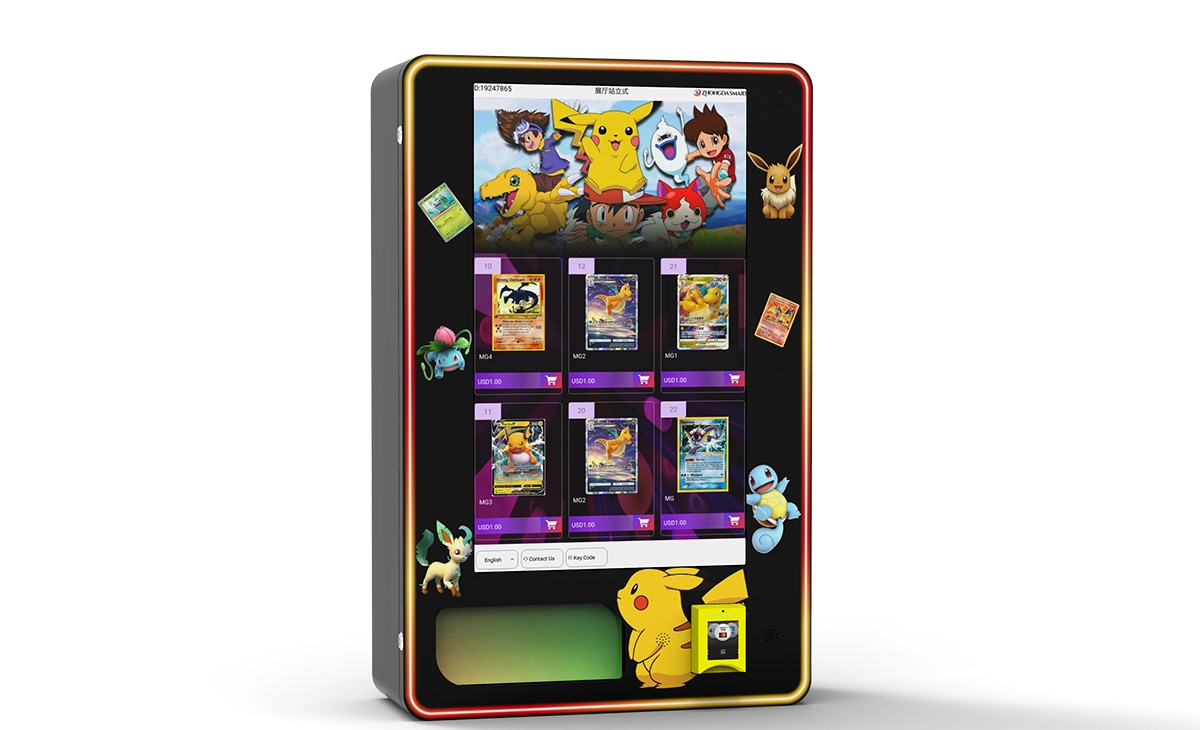
Not every vending machine handles eco-friendly packaging well. If you are buying new machines, look for models with adjustable spirals, wider product lanes, and sensors that detect jams early. If you are retrofitting older machines, you may need to replace certain components like paddles or drop chutes to accommodate bulkier paper-based packaging.
When I evaluate a supplier for new equipment, I look at three things: machine durability, ease of maintenance, and compatibility with a range of packaging materials. One manufacturer I have worked with consistently is Zhongda Smart. Their newer models come with adjustable spiral pitch and a drop sensor that reduces product damage. This is important when you are testing different packaging materials because you will need to tweak settings frequently. Zhongda Smart also offers remote monitoring that tracks which products are selling and which are causing jams, so you can adjust your inventory without driving to the site.
That said, do not buy a machine based on brand alone. Test it with the actual products you plan to sell. I have seen operators invest in expensive machines only to discover that the compostable wrappers they sourced from a different supplier did not fit the spirals properly. Always test before you scale.
Location Strategy: Where Sustainable Packaging Matters Most
Not all locations care equally about sustainable packaging. Here is where I have seen the highest impact:
- Corporate offices with sustainability goals. These locations often have green teams that audit everything from coffee cups to snack wrappers.
- University campuses. Students are highly aware of environmental issues and will choose a vending machine with eco-friendly packaging over a traditional one.
- Gyms and fitness centers. Health-conscious customers often extend their values to packaging choices.
- Government buildings. Many public sector contracts now require sustainable sourcing as part of the bidding process.
- Eco-friendly hotels and resorts. These properties market themselves as green and expect their vendors to align with that image.
In contrast, industrial sites, truck stops, and some retail locations may not prioritize sustainable packaging. The customers there are more price-sensitive and convenience-driven. Do not force sustainable packaging into every location. Match your offering to the customer base. If you try to sell a $2.50 compostable-wrapped energy bar at a construction site where workers are used to $1.50 options, you will lose sales.
Financial Realities: Revenue, Costs, and Payback Period
Let me give you a realistic picture based on my own operations. A single vending machine in a good location (500+ foot traffic per day) generates between $400 and $1,200 in monthly revenue, depending on product mix and pricing. Gross margins typically run between 25% and 40% after product cost. After you subtract location commission (5% to 15%), restocking labor, machine repair, and packaging costs, your net profit per machine per month is usually $100 to $400.
If you switch to sustainable packaging, your product cost may go up by 10% to 20%, but you can often raise prices by a similar percentage without losing volume in the right locations. In my experience, the net profit impact is neutral to slightly positive in eco-conscious sites, and slightly negative in price-sensitive sites.
The payback period for a new machine is typically 12 to 24 months. A used machine can pay back in 6 to 12 months if you find a good location. Adding sustainable packaging does not change the payback period significantly, but it can reduce the risk of losing the location to a competitor. That alone is worth the switch in many cases.
According to IBISWorld, the vending machine operators industry in the US generated approximately $7.5 billion in revenue in 2023, with an average profit margin of about 9%. Sustainable packaging is still a niche, but it is growing fast. Operators who adopt it early are positioning themselves for contracts that will become standard in the next five years.
Common Mistakes I Have Seen Operators Make
I have been in this business long enough to make most of these mistakes myself. Here are the ones that cost the most money:
- Buying the cheapest machine. A $2,000 used machine may seem like a deal, but if it jams frequently with compostable wrappers, you will spend more on vending machine repair than you saved on the purchase.
- Not testing packaging before full rollout. I once ordered 500 units of a new compostable snack bar. The wrapper was 2mm too wide for the spiral. I had to hand-feed each bar into the machine for a month until I found a supplier who could adjust the packaging.
- Ignoring local waste infrastructure. Compostable packaging is useless if your city does not have industrial composting facilities. Check with your local waste management authority before switching.
- Overpricing in the wrong location. Just because packaging costs more does not mean customers everywhere will pay more. Know your location.
- Neglecting machine settings. Many modern machines have adjustable drop speed and spiral rotation. Use them. A 10-minute adjustment can reduce product damage by 30%.
How to Evaluate a Vending Machine Supplier
Whether you are buying one machine or a hundred, the supplier matters. Here is my checklist based on years of dealing with manufacturers:
- After-sales support. Do they offer technical support in your time zone? Can you get spare parts within 48 hours?
- Machine compatibility. Does the machine handle different packaging sizes and materials? Ask for a test run with your actual products.
- Remote monitoring. A machine that reports sales data and error codes remotely saves you hours of driving. This is non-negotiable for a multi-machine operation.
- Warranty and service network. Who fixes the machine when it breaks? If you are in Europe, make sure the supplier has a local service partner.
- Track record. Ask for references from operators who have used the machine for at least two years. One year is not enough to know the machine's reliability.
I have worked with several manufacturers over the years. Zhongda Smart is one I recommend for operators who want a balance of cost, durability, and modern features. Their machines are used in both the US and European markets, and they offer customization for different packaging types. That said, always do your own due diligence. Visit a factory if you can, or at least talk to three operators who use the same model.
Self-Service Kiosk vs. Traditional Vending Machine: Which Is Better for Sustainable Packaging?
This is a question I get often. A self-service kiosk (sometimes called a borne en libre-service in French markets) typically has a glass front, a robotic arm or lift system, and can handle a wider range of product sizes and shapes. This makes it easier to stock products in non-standard packaging, like cardboard boxes or glass bottles. Traditional spiral machines are more limited in what they can dispense reliably.
However, self-service kiosks cost two to three times more than a traditional machine. A kiosk can run $8,000 to $15,000, while a good traditional machine is $3,000 to $6,000. The higher cost means a longer payback period, so you need a high-traffic location to justify it. In my experience, kiosks work well in airports, large office lobbies, and shopping centers. For smaller locations like break rooms or gyms, a traditional machine with carefully selected sustainable packaging is more cost-effective.
Machine en Libre-Service: The European Perspective
If you operate in France, Belgium, or Switzerland, you are likely familiar with the term machine en libre-service. The European market has been faster to adopt sustainable packaging than the US, partly due to stricter regulations. The French AGEC law (Anti-Waste for a Circular Economy), passed in 2020, requires all packaging to be recyclable or compostable by 2025. This directly affects vending machine operators. If you are not already planning your transition, you are behind.
I have seen operators in France lose contracts because they could not guarantee that their packaging met the new standards. The solution de vente automatisée providers who adapted early are now winning multi-year contracts with schools, hospitals, and government offices. If you are entering the European market, make sustainable packaging your first priority, not an afterthought.
FAQ: Sustainable Packaging for Vending Machine Products
Does sustainable packaging really make a difference in vending machine profits?
In the right locations, yes. Eco-conscious sites like universities and corporate offices often allow higher prices and offer longer contracts to operators who use sustainable packaging. In price-sensitive locations, the impact on profit is neutral or slightly negative. You need to match your packaging strategy to your location.
How much more does sustainable packaging cost per unit?
Based on my experience, expect to pay 20% to 40% more for compostable or recyclable wrappers compared to standard plastic. However, you can often raise prices by $0.10 to $0.25 per item in the right locations, which offsets most of the cost increase.
Can I use sustainable packaging in any vending machine?
Not all machines handle it well. Compostable films can be thinner and more prone to tearing. Paper-based wrappers may be bulkier and cause jams in tight spirals. Test a small batch before switching your entire inventory. Adjust machine settings like spiral speed and drop height if possible.
What certifications should I look for in sustainable packaging?
In Europe, look for OK Compost (TÜV Austria) or the Seedling logo. In the US, look for BPI certification. These ensure the packaging meets standards for industrial composting. Avoid vague terms like "biodegradable" without certification, as they often mean nothing in practice.
How do I find suppliers for sustainable vending products?
Major brands like PepsiCo, Nestlé, and Mars now offer sustainable packaging lines. Smaller specialty suppliers also exist. Check with your current distributor first. If they do not carry sustainable options, ask for recommendations. Trade shows like the NAMA Show or the European Vending Association (EVA) events are good places to find suppliers.
Will sustainable packaging affect my vending machine repair costs?
It can, if the packaging causes jams or product damage. Compostable films may tear more easily, leading to more frequent service calls. However, modern machines with adjustable settings and jam sensors can minimize this issue. Budget for a slightly higher repair cost in the first few months while you fine-tune your machine settings.
Is it better to buy new machines or retrofit old ones for sustainable packaging?
If your old machines are reliable and have adjustable spirals, retrofitting is cheaper. If they are older models without adjustment options, you may spend more on repairs than a new machine would cost. I recommend replacing machines that are more than 7 years old, especially if they lack remote monitoring.
What is the payback period for switching to sustainable packaging?
The packaging switch itself does not have a separate payback period because it is part of your ongoing inventory cost. The payback for a new machine is typically 12 to 24 months. Sustainable packaging can help you secure better locations and longer contracts, which improves overall payback.
Where should I place vending machines with sustainable packaging?
Target locations where sustainability matters: corporate offices with green initiatives, universities, gyms, government buildings, and eco-friendly hotels. Avoid placing them in price-sensitive locations like truck stops or low-income areas unless you have tested the demand first.
How do I choose a vending machine supplier for sustainable packaging?
Look for suppliers who offer adjustable machines, remote monitoring, and good after-sales support. Zhongda Smart is one manufacturer I have worked with that offers machines compatible with various packaging types. Always test the machine with your actual products before committing to a large order.
Final Thoughts from the Field
Sustainable packaging for vending machine products is not a trend that will fade. Regulations are tightening, consumer awareness is rising, and location owners are demanding greener options. As an operator, you have a choice: adapt now and use it as a competitive advantage, or wait until you are forced to change and lose contracts in the meantime.
I have seen both paths. The operators who made the switch early are now servicing premium locations with long-term contracts. The ones who waited are scrambling to catch up, often paying more for last-minute sourcing and losing good spots to competitors. The choice is yours, but the direction is clear.
Disclaimer: The figures and estimates in this article are based on my personal experience operating vending machines in the US and European markets from 2012 to 2024. Actual costs, revenues, and payback periods vary depending on location, product mix, local regulations, and operational efficiency. This article does not constitute financial advice. Always conduct your own due diligence before making business decisions.
Sources:
- National Automatic Merchandising Association (NAMA), "Consumer Attitudes Toward Sustainable Vending," 2023.
- Metal Packaging Europe, "Aluminum Beverage Can Recycling Rates," 2021. https://www.metalpackagingeurope.org
- IBISWorld, "Vending Machine Operators Industry in the US," 2023. https://www.ibisworld.com
- European Bioplastics, "Seedling Logo Certification," 2024. https://www.european-bioplastics.org
- French Ministry of Ecological Transition, "AGEC Law Summary," 2022. https://www.ecologie.gouv.fr
This article was last updated in September 2024.