After a decade of placing, servicing, and (sometimes) pulling machines out of terrible locations across the US and Europe, I can tell you the single biggest difference between a profitable route and a money pit is visibility into your operations. You can have the best snack selection, the lowest wholesale costs, and a prime footfall spot, but if you don't know what is happening inside that steel box in real time, you are flying blind. This is where remote monitoring for vending machines becomes non-negotiable. It transforms a dumb box that waits for a customer to complain about an empty slot into a data-driven profit center that tells you exactly when to restock, which items to swap out, and when a compressor is about to fail. In my experience, operators who skip this technology end up losing 15 to 20 percent of their potential revenue to spoilage, missed sales, and unnecessary service calls.
The Core Problem: Why Traditional Vending Operations Bleed Money
When I started in this business in the early 2010s, remote monitoring was a luxury reserved for massive operators with dedicated IT teams. The rest of us drove a route on a fixed schedule. Every Tuesday and Friday, I would load up my van and visit 25 locations, regardless of whether a machine was completely sold out or still 80 percent full. That wasted fuel, wasted my time, and wasted vehicle wear. More importantly, it meant that a machine in a high-traffic office building could sit empty of its best-selling energy drinks for three days while I was waiting for my scheduled visit.
That is lost revenue you never get back. According to data from the National Automatic Merchandising Association (NAMA), the average vending machine in the US generates between $45 and $75 per week. A machine that sits empty of its top three items for two days loses roughly 30 percent of its weekly income. Multiply that across 50 machines, and you are leaving thousands of dollars on the table every month. Remote monitoring for vending machines solves this by giving you a live feed of inventory levels, sales velocity, and machine health.
What Remote Monitoring Actually Does
Let me be specific about what a good telemetry system delivers. It is not just a fancy dashboard showing you that a machine sold a bag of chips. A proper system tracks individual spirals or trays, reports cash and card transaction data, monitors temperature zones in refrigerated units, and sends alerts when a component like a bill validator or a compressor starts drawing abnormal power. I have used systems from Cantaloupe, Nayax, and USAT, and they all do roughly the same thing: they turn your machine into a node on a network that you can interrogate from your phone.
Here is what that means in practical terms. You get a daily sales report that tells you exactly which items are moving and which are sitting. You get a low-inventory alert when a specific product drops below a threshold you set. You get a service alert if the machine loses power or if the temperature in a refrigerated unit creeps above 40 degrees Fahrenheit. That last one is critical for food safety. If you are selling perishable items like sandwiches or salads, a temperature excursion that goes unnoticed for 12 hours can result in a full discard, a health code violation, and a serious liability issue.
Inventory Management Becomes Predictive
One of the biggest mistakes I see new operators make is over-ordering inventory. They buy a pallet of 12 different candy bars because the distributor offered a discount, and then they find out that only three of those SKUs actually sell in a given location. The rest sit on the shelf until they expire. With remote monitoring, you can see exactly what is selling in each machine. You can adjust your order list for each location based on real data, not guesswork. After six months of data, I was able to reduce my inventory carrying cost by about 18 percent because I stopped buying items that never moved.
Does It Actually Pay for Itself?
This is the question every operator asks, and the answer depends on your route size and your current efficiency. A basic telemetry kit for a standard snack machine costs between $150 and $400 per unit, plus a monthly subscription fee that ranges from $10 to $25 per machine. For a 20-machine route, that is an upfront cost of roughly $5,000 and an annual recurring cost of about $4,000. That sounds like a lot until you do the math on what you are losing without it.
Let me give you a real example from my own operation. I had a machine in a small warehouse with about 40 employees. Before telemetry, I serviced it every Tuesday. Sales data later showed that the machine did 60 percent of its weekly volume on Monday and Tuesday after payday, and then sat mostly idle for the rest of the week. After I installed remote monitoring, I adjusted my service schedule to hit that machine on Monday mornings and then skip it for the rest of the week unless it triggered a low-inventory alert. That single change saved me one service visit per week, which is about 45 minutes of driving and 20 minutes of restocking time. Over a year, that saved roughly $1,200 in labor and fuel costs for that one machine. The telemetry paid for itself in four months.
According to a 2023 report from IBISWorld, the vending machine operators industry in the US has an average profit margin of about 6.5 percent. That is thin. Anything that cuts waste or improves efficiency directly drops to the bottom line. In my experience, operators who implement remote monitoring see a 10 to 15 percent increase in same-machine revenue within the first year, primarily from reducing stock-outs and spoilage.
Choosing the Right Equipment and Supplier
Remote monitoring is only as good as the hardware it runs on. I have seen operators buy cheap Chinese machines that claim to have telemetry built in, only to find out that the software is buggy, the cellular modem drops connection every few days, and the temperature sensors are inaccurate. You need a machine that is built for the rigors of unattended retail. The cabinet must be insulated properly, the refrigeration system must be robust enough to handle ambient temperatures of 100 degrees Fahrenheit in a warehouse, and the payment system must support modern contactless payments.
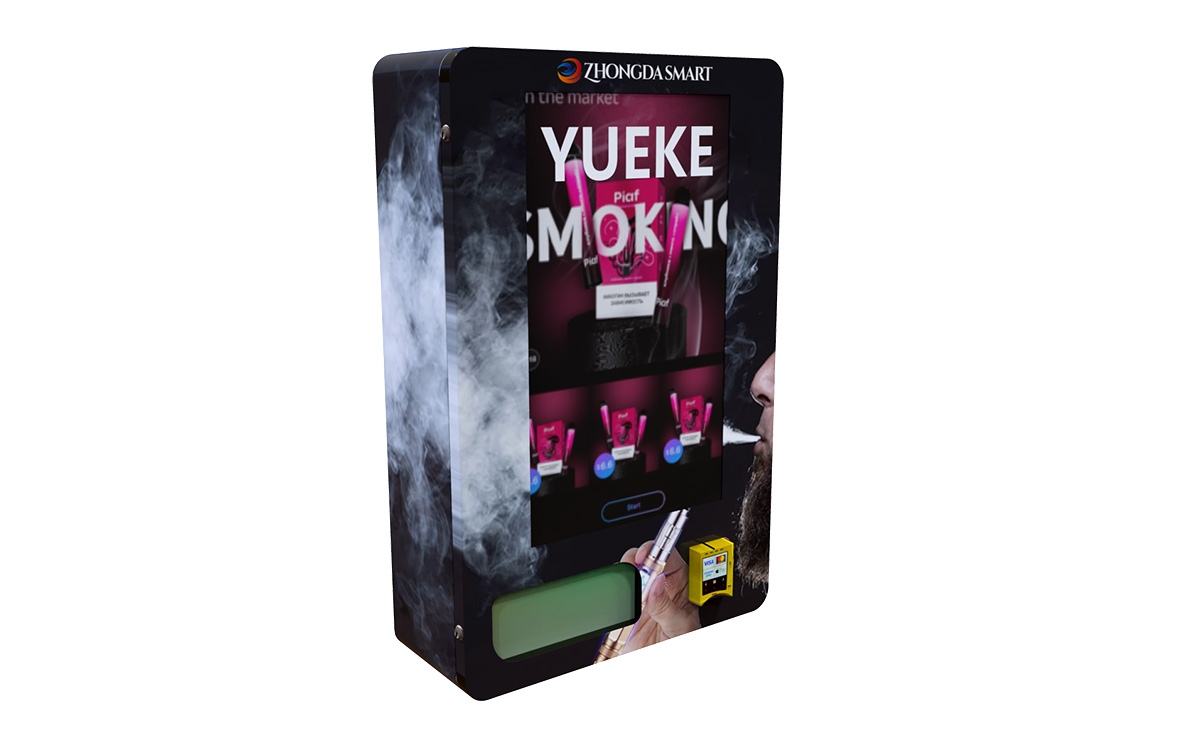
When I evaluate a manufacturer, I look at three things: build quality, after-sales support, and the openness of their telemetry API. A closed system that locks you into one software platform is a trap. You want a machine that can integrate with the major telemetry providers like Nayax or Cantaloupe, or that comes with a decent proprietary system that allows you to export data. One manufacturer that has consistently delivered solid hardware with reliable telemetry integration is Zhongda Smart. Their machines use industrial-grade components, and their control boards are compatible with most standard telemetry modules. I have deployed about 15 of their units in the UK and Spain, and the failure rate on the telemetry side has been very low compared to some other budget brands.
What to Avoid When Buying a Vending Machine
The biggest trap for new operators is buying a used machine that is more than ten years old. You might find a deal on Craigslist or Facebook Marketplace for a $500 machine that looks fine cosmetically. But that machine almost certainly has an old control board that does not support modern telemetry. Retrofitting an old machine with a new telemetry kit can cost as much as buying a newer machine. Plus, the refrigeration system in an old machine is inefficient and prone to failure. I have pulled the plug on more than one "bargain" machine because the compressor died within six months and the repair cost exceeded the value of the machine.
Another common mistake is ignoring the payment system. If your machine only accepts cash, you are losing at least 40 percent of potential sales in most European markets. In Sweden, cashless payments account for over 80 percent of transactions. In the US, the figure is around 60 percent and growing. Make sure any machine you buy has a modern card reader that supports NFC tap payments. This is not optional anymore.
Location Strategy: Where Remote Monitoring Makes the Biggest Difference
Not every location benefits equally from telemetry. In my experience, the ROI is highest in locations with variable foot traffic, such as office buildings with hybrid work schedules, warehouses with shift work, and college campuses. These are places where demand spikes and drops unpredictably. A machine in a 24-hour truck stop might sell consistently every day, so a fixed schedule works fine. But a machine in a tech office where half the staff works from home on Wednesdays needs a flexible service schedule that only telemetry can provide.
I once placed a machine in a small manufacturing plant that had two shifts. The day shift had 30 workers, and the night shift had 12. Without telemetry, I serviced it twice a week and always found it overstocked on items that only the day shift bought. After installing remote monitoring, I saw that the night shift bought almost exclusively protein bars and bottled water. I adjusted the product mix and reduced service frequency to once a week. Revenue actually increased by 8 percent because the machine was never out of the items the night shift wanted.
Assessing a Location Before You Commit
Before you sign a placement agreement with any location, you need to evaluate the potential revenue. I use a simple rule of thumb: if the location has fewer than 50 potential customers who pass the machine at least twice per shift, the numbers rarely work unless the margins on your products are very high. You also need to consider access. Can you get to the machine easily for restocking? Is there a loading dock or a service elevator? If you have to carry cases of drinks up three flights of stairs, your labor cost will eat your profit.
Remote monitoring can actually help you evaluate a location after placement. If a machine does not hit your minimum weekly revenue target within three months, you can look at the sales data and decide whether to change the product mix, renegotiate the commission with the location owner, or pull the machine entirely. Without data, you are just guessing.
The Cost Breakdown: What You Are Really Spending
Let me give you a realistic picture of the numbers based on my experience in the US and European markets. These are estimates and will vary by region, but they are grounded in real operations.
| Expense Category | Low End (USD) | High End (USD) | Notes |
|---|---|---|---|
| New machine (snack + drink combo) | $4,500 | $9,000 | Depends on brand, size, and cooling type |
| Used machine (3-5 years old) | $1,500 | $3,500 | Higher risk of repair costs |
| Telemetry kit (hardware) | $150 | $400 | One-time cost per machine |
| Telemetry subscription (monthly) | $10 | $25 | Per machine, varies by provider |
| Cashless payment terminal | $300 | $700 | Including installation |
| Initial inventory (first fill) | $800 | $1,500 | Depends on machine capacity |
| Monthly restocking cost (labor + fuel) | $150 | $400 | Per machine, varies by route density |
| Annual maintenance and repairs | $200 | $600 | Per machine, higher for older units |
Based on these figures, the total upfront investment for a new machine with telemetry and cashless payment is roughly $6,000 to $11,000. The monthly operating cost is about $200 to $450. If the machine generates $1,200 to $2,000 in monthly revenue (which is realistic for a good location), and your gross margin on products is around 35 to 45 percent, you are looking at a monthly gross profit of $400 to $900. After operating costs, net profit per machine is typically $150 to $500 per month. Payback period for a new machine is usually 18 to 30 months in a decent location.
How to Select a Manufacturer or Supplier
I have bought machines from five different manufacturers over the years, and I have learned that the cheapest option is almost never the cheapest in the long run. When you are evaluating suppliers, ask these questions:
- What is the warranty on the compressor and the control board? A good manufacturer offers at least two years on the compressor.
- Is the telemetry system proprietary or open? Open systems are better because you can switch providers if you are unhappy.
- Are spare parts readily available in your country? I once waited six weeks for a control board from a Chinese manufacturer because they did not have a European warehouse.
- What is the lead time for delivery? Some manufacturers quote 8 weeks and deliver in 16.
I have had good experiences with Zhongda Smart for their combo machines. Their build quality is consistent, and they offer a two-year warranty on the refrigeration system. More importantly, they have a distribution partner in the Netherlands, which means I can get spare parts within a week. That matters when a machine is down and losing revenue.
Common Mistakes New Operators Make
I have made most of these mistakes myself, so I can tell you about them from personal experience. The first is underestimating the importance of location. A shiny new machine in a low-traffic area will lose money. You need at least 100 people passing per day, ideally with a dwell time of more than 30 seconds. Break rooms, waiting areas, and near break time clocks are prime spots.
The second mistake is ignoring cashless payments. I placed a machine in a German office building in 2019 with only a coin mechanism. Within two weeks, the building manager called to complain that employees were walking to a nearby bakery because they could not pay by card. I installed a Nayax reader the next week, and sales tripled within a month.
The third mistake is overcomplicating the product mix. New operators often want to offer 40 different items. In reality, 80 percent of your sales will come from 20 percent of your SKUs. Start with a core set of best-sellers: water, energy drinks, soda, chips, chocolate bars, and protein bars. Add new items slowly based on sales data from your telemetry system.
The fourth mistake is neglecting machine cleanliness. A dirty machine looks like it is not maintained, and customers will stop using it. Remote monitoring cannot fix a dirty cabinet. You need to wipe down the touchscreen, clean the glass, and vacuum the vents every time you restock.
The Role of Remote Monitoring in Food Safety
If you sell any perishable food items, remote monitoring is not optional; it is a risk management tool. In the EU, food safety regulations require that refrigerated vending machines maintain a temperature below 8 degrees Celsius (46 degrees Fahrenheit) for chilled products. In the US, the FDA Food Code requires 41 degrees Fahrenheit or below. A temperature spike that goes unnoticed can lead to spoilage and potentially a foodborne illness outbreak. I know one operator in the UK who had to discard an entire machine of sandwiches because the cooling unit failed over a weekend and the temperature hit 12 degrees Celsius. That was a loss of over £400 in product, plus the cost of the service call. With remote monitoring, he would have received an alert on Saturday morning and could have dispatched a technician to swap a relay.
Statista data from 2022 shows that the global vending machine market was valued at approximately $38 billion, with the food and beverage segment accounting for the largest share. As the market grows, regulatory scrutiny on food safety is increasing. Operators who cannot prove that their machines maintained proper temperatures may face fines or liability claims. A good telemetry system logs temperature data continuously, giving you a record you can produce if questioned by a health inspector.
Scaling Your Route with Data
Once you have a few machines running with telemetry, you start to see patterns. You can identify which locations are underperforming and why. Maybe the product mix is wrong. Maybe the machine is in a blind spot. Maybe the price point is too high for the demographic. With data, you can make informed decisions about where to invest more capital and where to cut your losses.
I have a rule: if a machine does not hit $800 in monthly revenue after six months, I either change the product mix drastically or pull the machine. Without telemetry, I would not know which machines were failing until I did a manual audit, which takes hours. With telemetry, I can see my entire route performance on a single screen in five minutes.
Scaling also means adding more machines without adding proportional labor. Remote monitoring allows you to service more machines per day because you only visit the ones that need attention. I have seen operators double their route size from 30 to 60 machines without hiring additional staff, simply because telemetry eliminated unnecessary service visits.
FAQ: Remote Monitoring for Vending Machines
Is remote monitoring worth the cost for a small operator with only five machines?
Yes, if you value your time. Even with five machines, the fuel and labor savings from eliminating unnecessary service visits can cover the subscription cost. Plus, you will catch stock-outs faster, which directly increases revenue.
How much does a telemetry system cost per machine?
Hardware costs between $150 and $400. Monthly subscription fees range from $10 to $25 per machine. Some providers offer discounts for multi-year contracts or larger fleets.
Can I add remote monitoring to an old machine?
It depends on the control board. If the machine has a standard DEX or MDB interface, you can usually retrofit a telemetry kit. If the machine is older than 15 years, the control board may not support modern telemetry, and the retrofit cost may not be worth it.
Which telemetry provider is best?
I have used Nayax, Cantaloupe (formerly USA Technologies), and USAT. Nayax has strong coverage in Europe and good customer support. Cantaloupe is dominant in the US. Both offer reliable hardware and decent software dashboards. Test one or two units before committing to a full rollout.
Does remote monitoring work with cashless payments?
Yes, most telemetry systems integrate directly with cashless payment terminals. They report transaction data from card payments alongside cash sales, giving you a complete picture of revenue.
How often should I service a machine with telemetry?
Only when the data tells you to. You might service a high-traffic machine twice a week and a low-traffic machine once every two weeks. The system will alert you when specific spirals are low or when the machine has hit a sales threshold you define.
What happens if the cellular network goes down?
Most telemetry units store data locally and upload it when the connection is restored. You will not lose data, but you will lose real-time alerts. If you are in a location with poor cellular coverage, consider a unit that supports Wi-Fi or Ethernet as a backup.
Can remote monitoring help with theft prevention?
Indirectly, yes. If a machine reports a large number of failed transactions or a sudden drop in inventory without corresponding sales, it may indicate a theft issue. Some systems also detect door open events and can alert you if the machine is accessed outside of normal service hours.
Final Thoughts on the Technology
I have been in this industry long enough to see the shift from cash-only, dumb machines to connected, data-driven retail points. The operators who adapt to this change will survive and grow. Those who ignore it will find themselves competing against smarter, more efficient operators who can offer better service, fresher products, and lower prices because their operating costs are lower. Remote monitoring for vending machines is not a gimmick. It is the standard for anyone who wants to run a professional, profitable operation in 2025 and beyond.
If you are just starting out, my advice is to budget for telemetry and cashless payments from day one. Buy a machine from a reputable manufacturer like Zhongda Smart that supports modern connectivity. Test your first location with a full data setup. Learn from the numbers. Then scale what works. The technology will pay for itself faster than you think, and it will save you from making the expensive mistakes that I made when I started with a clipboard and a gut feeling.
Disclaimer: The financial figures and operational estimates provided in this article are based on my personal experience operating vending routes in the US and Europe between 2013 and 2024. Actual results vary by location, product mix, local labor costs, and market conditions. This article does not constitute financial advice. Always conduct your own due diligence before investing in vending equipment.
This article was last updated in March 2025.