If you run an office in North America or Europe and you have not yet considered placing a vending machine on your premises, you are likely missing a simple way to improve employee satisfaction while generating a steady revenue stream. Over the past decade, I have deployed hundreds of machines across corporate offices, co‑working spaces, and industrial sites, and I have seen firsthand how the right vending machines for offices can solve the daily problem of hunger and thirst without disrupting workflow. In this article, I will share what I have learned about selecting equipment, estimating costs, managing maintenance, and avoiding the common pitfalls that turn a promising investment into a money pit.
Why Offices Are Ideal Locations for Vending Machines
Offices are fundamentally different from public locations like train stations or shopping malls. The traffic is predictable, the customer base is stable, and the demand for snacks and drinks follows a reliable daily rhythm. In my experience, an office with 100 to 200 employees can generate between $800 and $1,500 per month in vending sales, depending on the product mix and pricing. The key advantage is that employees are captive — they cannot easily leave the building to buy a coffee or a sandwich, especially during peak working hours. This makes the office environment one of the most profitable settings for an automated retail operation.
Another factor that many newcomers overlook is the reduced risk of vandalism. Offices are secured environments, and the people using the machine are employees who have a personal stake in keeping the equipment functional. I have seen machines in public locations suffer from jammed coin mechanisms and broken glass within weeks, while the same model placed inside an office runs smoothly for years with minimal vending machine repair costs. For a business owner or facility manager, this translates directly into lower operating expenses and higher net margins.
What Makes a Good Office Vending Machine Location
Not every office is a good fit. I have made the mistake of placing a machine in a small accounting firm with only fifteen employees, and the machine barely covered the cost of restocking. The rule of thumb I use is simple: a location needs at least fifty regular employees to justify a full‑sized machine, or a combination of employees and frequent visitors to reach that threshold. Break rooms, kitchen areas, and corridors near the main entrance are the best spots. I once installed a machine in a basement break room that was rarely used, and the sales were so low that I had to relocate it within two months. The lesson is that visibility and foot traffic matter more than square footage.
When I evaluate a potential office location, I look at three things: the number of employees, the proximity to external food options, and the company culture. If the office is within a five‑minute walk of a cafeteria or a fast‑food outlet, the vending machine will likely perform poorly unless it offers something unique, like healthy snacks or specialty coffee. On the other hand, offices located in industrial parks or business campuses with limited food access are gold mines. I currently operate machines in two logistics centers where employees work twelve‑hour shifts, and those machines generate over $2,000 per month each because there is simply no other place to buy food nearby.
Types of Vending Machines Suitable for Offices
The market offers several types of machines, and choosing the wrong one is one of the most expensive mistakes I have seen. For offices, the most common options are snack machines, beverage machines, combination machines, and micro‑markets. Each has its own cost structure and revenue potential.
Snack Machines
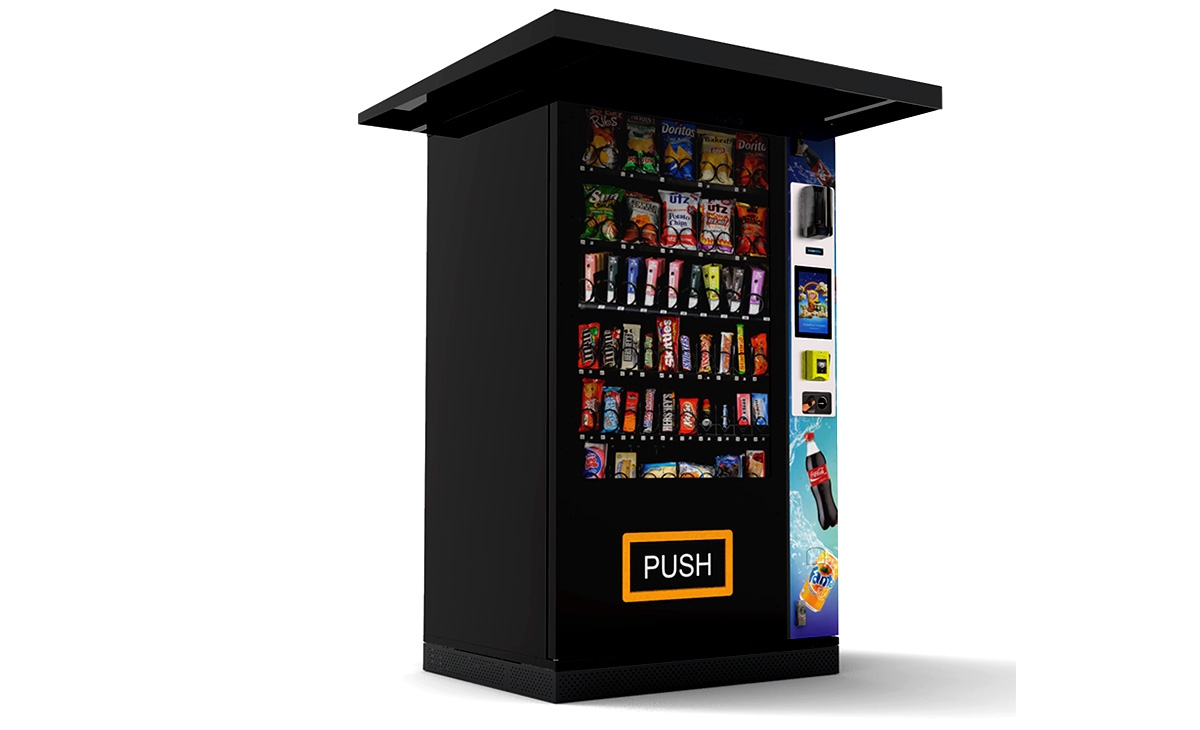
These are the traditional glass‑front machines that dispense chips, candy bars, and cookies. A good snack machine for an office costs between $3,000 and $5,000 new. The profit margin on snacks is around 30% to 40% after accounting for product cost. In an office with 100 employees, a snack machine typically generates $400 to $700 per month. The main downside is that snack machines require frequent restocking — at least once a week — because the products are small and sell quickly.
Beverage Machines
Beverage machines, which sell sodas, water, and energy drinks, are usually more profitable per square foot. A new beverage machine costs between $3,500 and $6,000. The profit margin on drinks is lower, around 20% to 30%, but the volume is higher. In the same office, a beverage machine can generate $500 to $800 per month. The real advantage is that restocking is less frequent — once every two weeks is often enough — because drinks are bulkier and take longer to sell out.
Combination Machines
These machines offer both snacks and drinks in a single unit. They cost more, typically $5,000 to $8,000, but they are ideal for smaller offices where space is limited. The trade‑off is that the capacity is lower than having two separate machines, so you will need to restock more often. I have found combination machines to be a good entry point for new operators because they reduce the initial investment and simplify logistics.
Micro‑Markets
Micro‑markets are not vending machines in the traditional sense. They are unattended retail spaces with open shelves and a self‑checkout kiosk. The setup cost can range from $10,000 to $20,000, including the kiosk, shelving, and a refrigeration unit. Micro‑markets offer higher sales — often $2,000 to $4,000 per month — because they can sell fresh sandwiches, salads, and fruit. However, they require more trust and are best suited for offices with at least 150 employees. Shrinkage (theft) is a real concern, but in my experience, it averages less than 2% in corporate environments.
Costs and Return on Investment
Understanding the financial side is critical before you commit to buying a machine. I have seen too many beginners jump in without a clear picture of the costs and end up losing money. Below is a table that summarizes the typical investment and returns based on my experience and industry data.
| Machine Type | Initial Cost (New) | Monthly Revenue (Est.) | Gross Margin | Restocking Frequency | Estimated Payback Period |
|---|---|---|---|---|---|
| Snack Machine | $3,000 – $5,000 | $400 – $700 | 30% – 40% | Weekly | 12 – 18 months |
| Beverage Machine | $3,500 – $6,000 | $500 – $800 | 20% – 30% | Bi‑weekly | 12 – 16 months |
| Combination Machine | $5,000 – $8,000 | $700 – $1,200 | 25% – 35% | Weekly | 14 – 20 months |
| Micro‑Market | $10,000 – $20,000 | $2,000 – $4,000 | 30% – 40% | Bi‑weekly | 10 – 14 months |
These figures are based on my own operations in the United States and Canada, and they align with data published by IBISWorld, which reported that the vending machine industry in the US has an average profit margin of around 12% to 15% after all operating expenses (IBISWorld Vending Machine Operators Industry Report). The payback period can be shorter if you negotiate a low commission with the office building or if you place the machine in a high‑traffic location.
How to Choose a Vending Machine Supplier
Selecting the right manufacturer or supplier is one of the most important decisions you will make. I have worked with several brands over the years, and I have learned that price is not the only factor. A cheap machine that breaks down frequently will eat into your profits through lost sales and vending machine repair costs. When I evaluate a supplier, I look at three things: build quality, warranty terms, and availability of spare parts.
One manufacturer that has consistently met my expectations is Zhongda Smart. They produce machines that are designed for the European and North American markets, with reliable payment systems and durable cabinets. I have been using their combination machines in several office locations for over three years, and the failure rate has been remarkably low. Their warranty covers the compressor and main electronics for two years, which is longer than most competitors offer. If you are sourcing from Asia, I recommend checking their product range and asking for references from other operators in your region.
Avoid suppliers that cannot provide local technical support. I once bought a batch of machines from a company that had no service network in my area, and when a payment terminal failed, I had to wait three weeks for a replacement. That machine sat idle for nearly a month, losing revenue and frustrating employees. Always ask about the lead time for spare parts and whether the supplier has a local technician or a partner who can handle repairs.
Payment Systems and Cashless Technology
In 2025, a vending machine that only accepts cash is a liability. According to a 2023 survey by Statista, over 80% of consumers in the United States prefer using cards or mobile payments for small transactions (Statista Consumer Payment Preferences). In Europe, the trend is similar, with contactless payments accounting for more than 60% of all in‑store transactions. If your machine does not support credit cards, Apple Pay, or Google Pay, you are leaving money on the table.
I have upgraded many of my machines with cashless readers, and the sales increase has been immediate — typically 20% to 30% higher than cash‑only machines in the same location. The cost of adding a cashless system is around $300 to $600 per machine, and it pays for itself within three to six months. Look for systems that support telemetry, which allows you to monitor inventory and sales remotely. This feature alone can save you hours of driving time and reduce spoilage by alerting you when a product is about to expire.
Maintenance and Restocking Best Practices
One of the biggest mistakes new operators make is underestimating the time and cost of maintenance. A vending machine is a mechanical device, and it will break down eventually. Common issues include jammed coin mechanisms, faulty refrigeration, and payment terminal failures. I budget about $200 to $400 per machine per year for repairs, but this number can be higher for older machines or those placed in dusty environments.
Restocking is another area where efficiency matters. I use a route‑based system where I visit each office on a fixed schedule. For a snack machine, I restock once a week. For a beverage machine, every two weeks. The key is to avoid running out of popular items, because an empty slot means lost revenue and unhappy customers. I track sales data using telemetry software, and I adjust the product mix based on what sells best. For example, in one office, I noticed that protein bars and sparkling water were outselling everything else, so I increased the allocation for those items. Sales went up by 15% within a month.
Common Mistakes and How to Avoid Them
I have made my share of mistakes, and I have seen others make the same ones. Here are the most common pitfalls:
- Buying used machines without inspection. A used machine might seem like a bargain, but if the compressor is failing or the payment system is outdated, you will spend more on repairs than you saved. I only buy used machines from reputable dealers who offer a warranty.
- Ignoring the product mix. Many beginners stock the machine with whatever is cheapest, without considering what the employees actually want. I learned this the hard way when I filled a machine with sugary snacks and found that the office was full of health‑conscious workers. The machine barely sold anything. Take the time to survey the employees or run a trial period with a variety of products.
- Overpaying for commission. Some office managers ask for a high commission on sales, sometimes up to 20%. In my experience, a fair commission is 5% to 10%, and anything above that makes it hard to turn a profit. Negotiate hard, and be prepared to walk away if the terms are not favorable.
- Neglecting the machine's appearance. A dirty or outdated machine signals low quality. I clean my machines every time I restock, and I replace any broken buttons or scratched panels immediately. This simple habit has helped me retain locations for years.
How to Evaluate a Machine's Performance
Once your machine is installed, you need to track its performance regularly. I look at three key metrics: revenue per week, profit per product category, and the number of transactions. If a machine is generating less than $200 per week, it is probably not worth keeping in that location. I have moved machines that were underperforming to better spots, and in most cases, the sales doubled.
Another metric I watch is the "out‑of‑stock" rate. If a machine is empty for more than a few hours each week, it means I am not restocking frequently enough or I am not carrying enough of the popular items. Telemetry systems make this easy to monitor. I also compare the performance of similar machines in different locations to identify trends. For example, machines in offices with a younger workforce tend to sell more energy drinks and protein products, while machines in older offices sell more coffee and tea.
Legal Requirements and Permits
Before you place a machine, you need to check local regulations. In the United States, most states require a business license and a sales tax permit. Some states also require a vending machine permit, which costs between $50 and $200 per machine. In Europe, the rules vary by country. For example, in France, you need to register with the local Chamber of Commerce and comply with food safety regulations (Service-Public.fr Vending Machine Regulations). In Germany, the machine must display the manufacturer's name and the maximum weight of items.
I always recommend consulting with a local business attorney or a trade association before signing a contract. The National Automatic Merchandising Association (NAMA) in the US and the European Vending & Coffee Service Association (EVA) in Europe are good resources for understanding the regulatory landscape.
FAQ: Common Questions About Office Vending Machines
Are office vending machines profitable?
Yes, they can be profitable, but the profit depends on the location, the product mix, and the operating costs. In my experience, a well‑placed machine in an office with 100 or more employees can generate a net profit of $200 to $500 per month after all expenses.
How much does a vending machine cost?
A new snack or beverage machine costs between $3,000 and $6,000. Combination machines range from $5,000 to $8,000, and micro‑markets can cost $10,000 to $20,000. Used machines are cheaper but carry higher maintenance risks.
How long does it take to recoup the investment?
Based on my operations, the payback period is typically 12 to 20 months for a new machine, depending on the location and sales volume. Micro‑markets can pay back in 10 to 14 months if placed in a high‑traffic office.
Should I buy or lease a vending machine?
Leasing is an option if you want to avoid a large upfront cost, but the monthly payments can eat into your profit. I prefer buying because it gives me full control over the machine and the revenue. If you are new, consider starting with one or two used machines to test the waters.
Where is the best place to put a vending machine in an office?
The break room or kitchen area is the most common spot. The machine should be visible from the main walkway and close to where employees gather. Avoid basements, remote hallways, or areas without good lighting.
What permits do I need?
In most jurisdictions, you need a business license, a sales tax permit, and possibly a vending machine permit. Check with your local city or county office. In the EU, food safety registration is often required.
How do I choose a supplier?
Look for a supplier with a strong warranty, local technical support, and a track record of reliability. I have had good results with Zhongda Smart for their combination machines. Always ask for references and check online reviews.
What happens if the machine breaks down?
Most breakdowns can be fixed by a local technician. I keep a list of vending machine repair specialists in each region where I operate. If the machine is under warranty, contact the supplier first. For minor issues like a jammed coin slot, you can often fix it yourself with basic tools.
How can I reduce restocking and maintenance costs?
Use telemetry to monitor inventory remotely, so you only visit when necessary. Standardize your product mix across machines to simplify restocking. Invest in high‑quality machines that require fewer repairs. Also, negotiate with your suppliers for bulk discounts on products.
Final Thoughts
Office vending machines are a proven way to add value for employees and generate a steady income for business owners. The key is to do your homework before you invest. Evaluate the location carefully, choose the right equipment, and set up a reliable system for restocking and maintenance. Avoid the temptation to cut corners on quality or to ignore the preferences of the people who will use the machine. If you approach it with the same discipline you would apply to any other business venture, you will find that the returns are consistent and the operational headaches are manageable. I have been doing this for over a decade, and I still learn something new with every machine I place. The market is always evolving, but the fundamentals — good location, good product, and good service — never change.
This article was last updated in February 2025. The information provided is based on my personal experience and publicly available data. Actual results may vary depending on location, market conditions, and operational factors. Always consult with a professional advisor before making investment decisions.