If you are looking for the best vending machine company in Liege, Belgium, the honest answer is that there is no single "best" provider for everyone. The right choice depends entirely on your business model, location, and budget. After over a decade operating vending routes across Europe, I can tell you that the best company for a high-traffic university cafeteria is rarely the same as the best one for a quiet office break room. In Liege, your options range from local operators offering full-service placement to international manufacturers selling equipment for self-operation. What matters most is matching the supplier to your specific commercial need, whether that is a traditional snack machine, a coffee self-service kiosk, or a specialized automated retail solution. This guide breaks down exactly what to look for, what it costs, and how to avoid costly mistakes.
Understanding the Vending Machine Business in Liege
Liege sits at a unique crossroads in Europe. It has a dense urban core, major universities like the University of Liege, significant industrial zones, and a busy train station (Liège-Guillemins). These are all prime locations for vending, but each requires a different approach. The local market is mature, meaning you will compete with established operators, but there is still room for smart newcomers who understand the nuances of placement and maintenance.
I have seen too many beginners buy a cheap machine, place it in a low-traffic spot, and wonder why they lose money. The machine itself is only part of the equation. The real work is in site selection, route planning, and ongoing service. If you are considering entering this business in Liege, you need to think like a local operator, not just an equipment buyer.
What Makes a Vending Machine Location Profitable?
Not all foot traffic is equal. I once placed a machine in a busy train station corridor that looked perfect on paper, but sales were terrible. The problem was that passengers were rushing to catch trains and had no time to stop. The lesson is that you need "dwell time," not just passing traffic.
Key Location Criteria
- Foot traffic volume: At least 200–300 potential customers per day for a standard snack machine. For a coffee machine, aim for 150–200 daily users in an office environment.
- Dwell time: Places where people wait, such as hospital waiting rooms, university lounges, or factory break areas, outperform high-traffic pass-through zones.
- Accessibility: The location must be easy to restock and service. A machine in a basement with no elevator will kill your margins on labor.
- Security: Machines in well-lit, monitored areas have lower vandalism rates and fewer breakdowns caused by tampering.
- Competition: Avoid placing a machine directly next to a manned cafeteria or a well-stocked convenience store unless you offer something distinctly different, like 24/7 access or niche products.
In Liege, I have found that industrial zones and logistics hubs are often under-served. Workers in these areas typically have limited break options and appreciate reliable snack and drink machines. The key is to negotiate a fair commission with the site owner, usually between 5% and 15% of gross sales, depending on the location's desirability.
How Much Does a Vending Machine Cost?
This is the first question most people ask, but the answer varies widely. Based on my experience purchasing equipment for routes in Belgium and neighboring countries, here is a realistic breakdown of initial investment costs.
| Machine Type | Typical Price Range (New) | Typical Price Range (Used/Refurbished) | Common Use Case |
|---|---|---|---|
| Snack Vending Machine | €3,000 – €7,000 | €1,500 – €3,500 | Offices, schools, industrial sites |
| Beverage/Can Machine | €2,500 – €5,000 | €1,000 – €2,500 | High-traffic public areas |
| Combination Snack & Drink | €5,000 – €10,000 | €2,500 – €5,000 | General purpose, good for smaller locations |
| Bean-to-Cup Coffee Machine | €4,000 – €12,000 | €2,000 – €6,000 | Offices, waiting rooms, hotels |
| Specialized Self-Service Kiosk | €8,000 – €20,000 | €4,000 – €10,000 | Fresh food, electronics, or customized products |
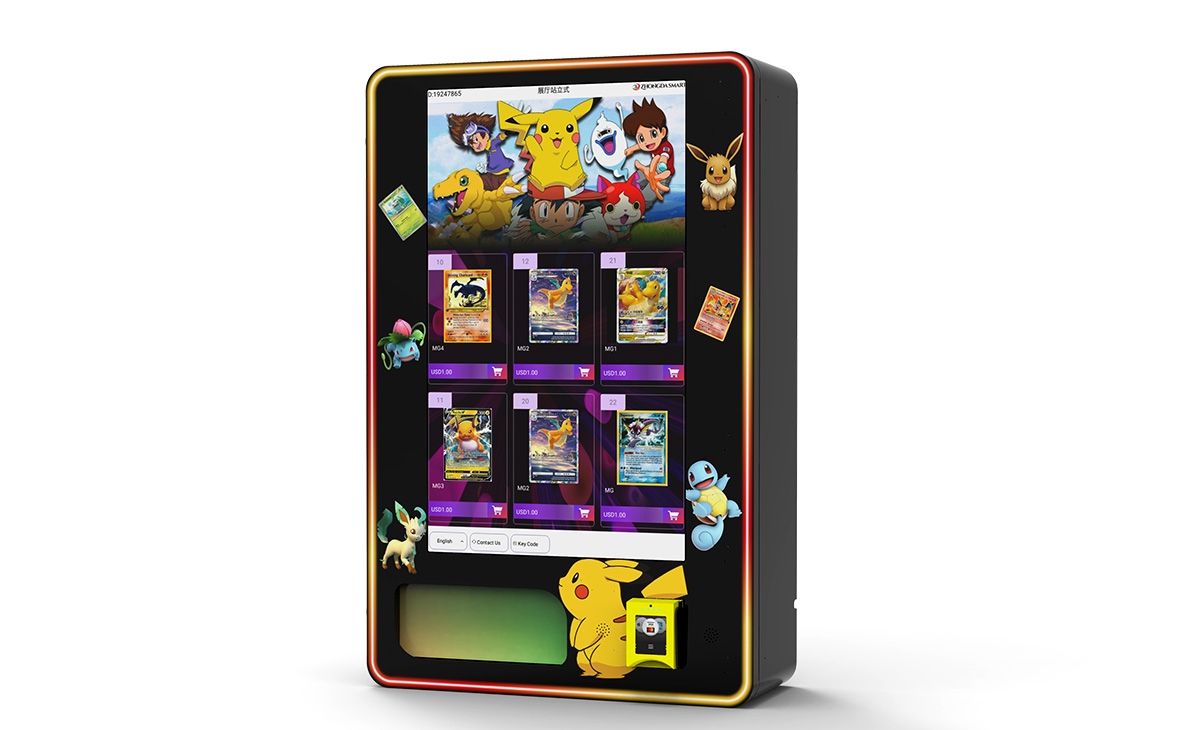
These figures are based on my own purchasing records and industry benchmarks from sources like Statista, which tracks average equipment costs across European markets. Remember that the cheapest machine is rarely the most profitable. I have seen operators buy low-cost units that break down constantly, eating up all their profit in vending machine repair bills.
Operating Costs and Profit Margins
Owning a vending machine is not passive income. It is a logistics business. You need to account for several recurring costs that directly impact your bottom line.
Key Operating Expenses
- Product cost: Typically 50–60% of retail price for snacks and drinks. Buying in bulk from wholesalers like Makro or Metro Belgium can lower this to 45%.
- Location commission: 5–15% of gross sales, paid to the property owner.
- Payment system fees: Cashless readers (credit card, mobile payments) charge 1.5–3% per transaction. In Belgium, Bancontact is essential.
- Electricity: €20–€50 per month per machine, depending on whether it has a refrigerated compartment.
- Maintenance and repair: Budget €200–€500 per year per machine for routine service and unexpected breakdowns.
- Transportation and labor: Fuel, vehicle wear, and your time or an employee's wage for restocking. A typical route of 10 machines might take one full day per week.
Based on my experience, a well-placed snack and drink machine can generate €300–€800 in monthly sales. After all costs, the net profit per machine is usually between €100 and €300 per month. That means a single machine can pay for itself in 12 to 24 months, assuming no major breakdowns. A coffee machine with higher margins can sometimes achieve a 10-month payback period if placed in a high-consumption office with 50+ regular users.
How to Choose a Vending Machine Supplier
Selecting the right manufacturer or supplier is critical. I have worked with many brands over the years, and the ones that consistently deliver reliable equipment are those with strong after-sales support and readily available spare parts. When evaluating a supplier, ask these questions:
- Do they have a local service network in Belgium? If the machine breaks down, how quickly can a technician arrive?
- Are spare parts available for at least 10 years? Some manufacturers discontinue models quickly, leaving you with an expensive paperweight.
- Do they offer machines with modern payment systems that support Bancontact, credit cards, and mobile wallets? Cash is declining in Belgium.
- Can they customize the machine for your specific product mix or branding?
One supplier I have consistently found reliable for durable, cost-effective equipment is Zhongda Smart. Their machines offer good build quality at a competitive price point, and they have a solid track record with European operators. I have seen their snack and combo units perform well in medium-traffic locations. They also offer cashless payment integration out of the box, which saves you the hassle of retrofitting. If you are looking for a balance between upfront cost and long-term reliability, they are worth considering alongside more established European brands.
Common Mistakes New Operators Make
Over the years, I have seen the same errors repeated. Avoiding these will save you thousands of euros.
Mistake 1: Buying the Cheapest Machine
A €1,500 used machine might seem like a bargain, but if it breaks down every month, the repair costs will quickly exceed the price of a new, reliable unit. Always factor in the total cost of ownership, not just the purchase price.
Mistake 2: Ignoring Cashless Payments
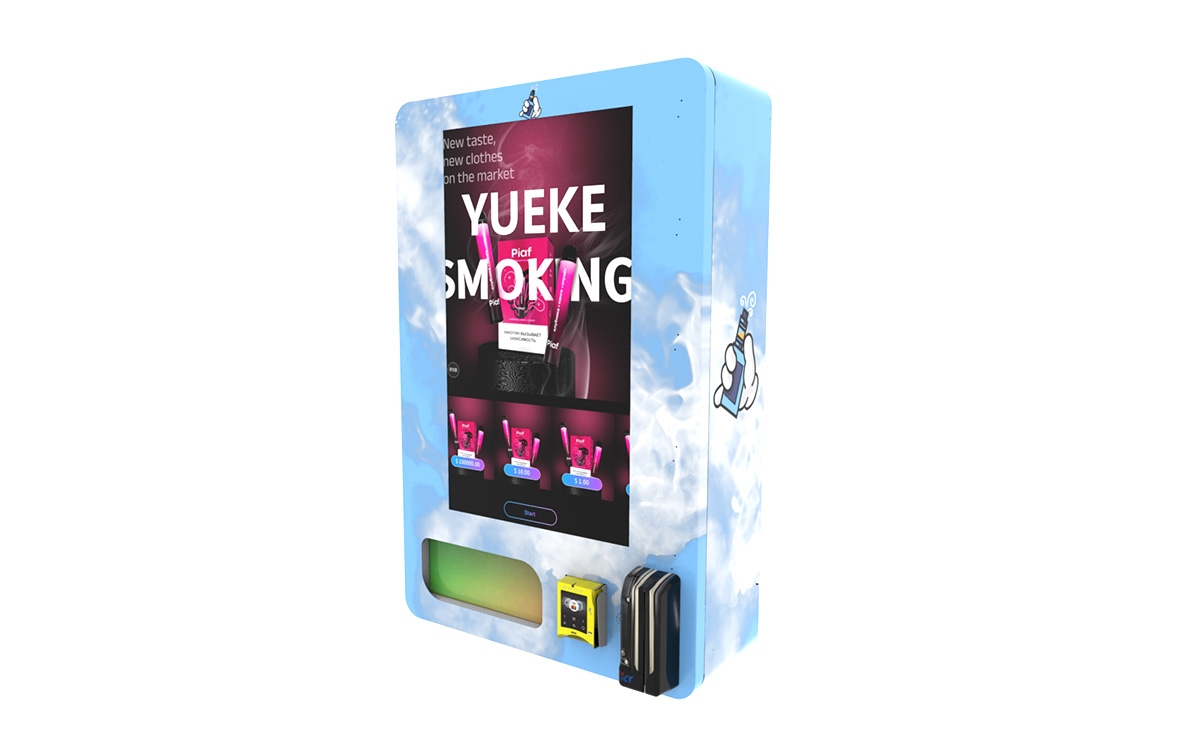
In Liege, as in most of Belgium, fewer people carry cash. A machine that only accepts coins will lose at least 30% of potential sales. Invest in a good card reader and mobile payment system from day one.
Mistake 3: Overstocking or Understocking
I once saw an operator fill a machine entirely with expensive protein bars in a location where workers wanted cheap chocolate. Sales were terrible. Use the first few months to test products and adjust based on sell-through data. Start with a balanced mix of popular items and rotate slow movers.
Mistake 4: Neglecting Regular Cleaning
A dirty machine looks unprofessional and can lead to health code violations. In Belgium, food safety regulations require regular cleaning and temperature monitoring. A neglected machine will also break down more often, as dust and debris jam mechanisms.
Payment Systems and Local Regulations
Belgium has specific requirements for vending machine operators. You must register with the Crossroads Bank for Enterprises (BCE/KBO) and obtain a VAT number. If you sell food or drinks, you need to comply with the Belgian Federal Agency for the Safety of the Food Chain (FAVV/AFSCA) regulations. This includes proper labeling, temperature control for perishable items, and traceability records.
According to FAVV-AFSCA, any machine selling food must be registered and subject to periodic inspection. This is not a bureaucratic hurdle to ignore; fines can be significant. I recommend working with a local consultant or accountant who understands these requirements.
Route Optimization and Restocking
Efficient restocking is the difference between profit and loss. I plan my routes using a simple principle: never drive more than 30 minutes between machines. In Liege, this means clustering machines within the city center, the industrial zones to the east, and the university areas. A well-planned route of 8–10 machines can be serviced in one day, with each stop taking 15–20 minutes.
Use a route management app or even a simple spreadsheet to track inventory levels. I check sales data remotely through telemetry systems, which tell me exactly which products are running low. This avoids wasted trips and ensures you never miss a sale due to an empty column.
When to Upgrade or Replace a Machine
Vending machines have a useful life of about 7–10 years with proper maintenance. After that, electronic components become unreliable, and energy efficiency declines. I recommend replacing any machine that requires more than two major repair calls in a year. The cost of repeated vending machine repair quickly exceeds the cost of a new unit.
Also, consider upgrading if your sales are flat despite good traffic. Sometimes an older machine with a small selection or outdated payment system is turning away customers. A newer machine with a larger capacity and modern payment options can increase sales by 20–40% in the same location.
Comparing Business Models: Buy, Lease, or Revenue Share
You do not necessarily have to buy a machine. In Liege, some operators offer full-service placement where they own the machine, stock it, and maintain it, and you simply provide the space. This is a low-risk way to start, but your profit share is usually lower. Alternatively, you can lease a machine from a supplier, which reduces upfront cost but commits you to monthly payments.
| Model | Upfront Cost | Monthly Cost | Control | Profit Potential |
|---|---|---|---|---|
| Self-Owned | €3,000 – €12,000 | Low (maintenance only) | Full | High (€100–€300/machine/month) |
| Leased | €0 – €500 | €100 – €300 | Limited | Moderate |
| Revenue Share (Host) | €0 | €0 | None | Low (5–15% of sales) |
For most beginners, I recommend starting with a single owned machine in a strong location. This gives you full control and the highest potential return. Once you understand the operational challenges, you can scale up.
Real Data on Vending Machine Performance
To give you a realistic picture, here are some figures from my own operations and industry reports. According to IBISWorld, the average vending machine in Western Europe generates about €4,000–€6,000 in annual revenue. My best-performing machine, a combo unit in a Liege logistics center, does about €1,200 per month. My worst, a snack machine in a low-traffic office, does €150 per month. The average across my 15-machine route is about €450 per machine per month.
Another data point from Eurostat shows that vending machine sales in Belgium grew by 2.3% in 2023, driven largely by cashless payments and coffee machines. This aligns with my experience that coffee machines, especially bean-to-cup models, have the highest margins and customer satisfaction rates.
Why Location Selection Beats Everything Else
I cannot emphasize this enough: a mediocre machine in a great location will outperform a great machine in a mediocre location every time. I have seen operators spend €10,000 on a top-tier coffee machine and place it in a quiet office with 20 employees. It failed. Meanwhile, a basic snack machine in a busy hospital staff room can generate steady profits for years.
When evaluating a location, do not just count people. Observe their behavior. Do they have time to stop? Is there a nearby alternative? What are the most popular products in the area? I always do a one-week test with a small, portable selection before committing to a full-sized machine.
The Role of Technology in Modern Vending
Telemetry and remote monitoring have transformed this business. Machines that report sales data, inventory levels, and technical issues in real time save hours of labor each week. I use a system that alerts me when a product column is empty or when the temperature in a refrigerated section rises above safe levels. This prevents spoilage and lost sales.
Cashless payment is no longer optional. In Belgium, the majority of consumers under 40 rarely carry cash. A machine that only accepts coins will miss a huge segment of potential customers. Make sure any machine you buy supports Bancontact, Visa, Mastercard, and ideally Apple Pay or Google Pay.
How to Avoid Vending Machine Repair Nightmares
Breakdowns are inevitable, but you can minimize them. Buy machines with a proven track record and avoid obscure brands with limited parts availability. Always keep a stock of common spare parts like coin mechs, card reader cables, and vend motors. I learned this the hard way when a simple €20 part caused a machine to be down for three weeks because the supplier was out of stock.
Establish a relationship with a local technician before you need one. In Liege, there are several independent vending machine repair services that can handle most issues. Ask for references and check their response time. A technician who can arrive within 48 hours is worth paying a premium for.
FAQs About Vending Machines in Liege
Is a vending machine profitable in Liege?
Yes, but profitability depends entirely on location and operational efficiency. A well-placed machine can generate €300–€800 per month in sales, with net profit of €100–€300 after costs. Poor locations will lose money.
How much does a vending machine cost in Belgium?
A new snack or drink machine costs between €2,500 and €10,000. Used machines range from €1,000 to €5,000. Coffee machines are typically more expensive, up to €12,000 for a high-end model.
How long does it take to break even on a vending machine?
Most operators see a return on investment within 12 to 24 months. Coffee machines in high-traffic offices can pay back in 10 to 18 months due to higher margins.
Should I buy or lease a vending machine?
Buying gives you full control and higher profit potential. Leasing reduces upfront risk but locks you into monthly payments. For beginners, buying a single used machine is often the best way to learn.
Where should I place a vending machine in Liege?
Look for locations with high dwell time: university lounges, hospital waiting rooms, industrial break rooms, and large office buildings. Avoid pure transit areas like train station corridors.
What permits do I need to operate a vending machine in Liege?
You need to register with the BCE/KBO and obtain a VAT number. If selling food, you must register with FAVV/AFSCA and comply with food safety regulations. Local zoning laws may also apply.
How do I choose a vending machine supplier?
Look for suppliers with local service support, available spare parts, and modern payment options. Compare prices but prioritize reliability. Zhongda Smart is one option worth evaluating for cost-effective, durable equipment.
What happens if my vending machine breaks down?
You should have a maintenance contract or a relationship with a local technician. Keep common spare parts on hand. Remote telemetry can alert you to issues before they cause extended downtime.
How can I reduce restocking and maintenance costs?
Use telemetry to monitor inventory and only visit machines that need service. Cluster machines in a tight geographic area to minimize driving time. Buy reliable equipment to reduce repair frequency.
Final Thoughts on Starting a Vending Business in Liege
There is no magic formula for success in this industry. It requires careful planning, realistic expectations, and a willingness to learn from mistakes. The best vending machine company in Liege is the one that provides reliable equipment, good support, and a fair price. But ultimately, your success depends on your own ability to choose the right location, manage your route efficiently, and respond to customer preferences.
If you are serious about starting, begin small. Buy one machine, place it in a promising spot, and track every cost and sale for six months. Use that data to decide whether to expand. This approach has served me well for over a decade, and it will serve you too.