Why Energy Efficiency Matters More Than You Think
When I started in this business back in 2012, I didn't pay much attention to the compressor specs. I bought machines based on upfront price and brand reputation. Within two years, I had a fleet of thirty units consuming nearly as much in electricity as I was making in profit. The shift toward low-energy cooling systems for vending machines isn't just about being environmentally conscious—it's about protecting your bottom line.
According to a 2022 report from the European Commission's Joint Research Centre, vending machines in the EU consume approximately 7.5 TWh of electricity annually, with cooling accounting for roughly 70% of that load. That's a massive operational cost that directly impacts your return on investment. Machines equipped with modern inverter compressors, LED lighting, and improved insulation can cut energy consumption by 30% to 50% compared to units manufactured before 2018.
I've personally measured the difference. A standard refrigerated machine from 2016 pulling 8 kWh per day in a German office building cost me about €96 per month at €0.40 per kWh. A newer unit with a variable-speed compressor and vacuum-insulated panels in the same location used 4.2 kWh per day—saving me over €50 per month. Multiply that by fifty machines, and you're looking at €30,000 in annual savings.
How Low-Energy Cooling Systems Actually Work
Most operators don't need to become refrigeration engineers, but understanding the basics helps you make smarter purchasing decisions. Low-energy cooling systems for vending machines typically combine several technologies working together.
Inverter Compressors
Traditional compressors run at full speed until the cabinet reaches temperature, then shut off completely. This on-off cycling wastes energy and causes temperature fluctuations that can shorten product shelf life. Inverter compressors adjust their speed continuously, maintaining a steady temperature while using less power. I've seen inverter-based machines reduce energy consumption by 25% to 35% in field tests across multiple climates.
Improved Insulation
Standard polyurethane foam insulation loses effectiveness over time, especially in machines exposed to direct sunlight or extreme temperatures. Vacuum-insulated panels (VIPs) offer three times the thermal resistance in the same thickness. They're more expensive upfront—typically adding €200 to €400 to the machine cost—but the energy savings usually pay back within 18 months.
LED Lighting
This seems obvious, but I still see operators buying machines with fluorescent tubes. LEDs consume about 80% less power and generate far less heat inside the cabinet. Less heat means the compressor runs less often. It's a small change with compound benefits.
Smart Temperature Management
Some modern controllers use machine learning algorithms to predict cooling demand based on time of day, ambient temperature, and door opening frequency. These systems pre-cool during off-peak hours and reduce compressor activity during high-traffic periods. I've tested units from Zhongda Smart that incorporate this feature, and the data showed a consistent 12% to 18% energy reduction compared to standard thermostatic control.
Real-World Cost Comparison: Traditional vs. Low-Energy Machines
Let me give you a concrete example from a deployment I managed in the Netherlands. We placed twenty machines in university buildings, ten traditional units and ten with low-energy cooling systems for vending machines. The table below shows the average monthly figures over twelve months.
| Parameter | Traditional Machine (2017 model) | Low-Energy Machine (2022 model) |
|---|---|---|
| Upfront purchase price | €2,800 | €3,900 |
| Monthly electricity cost | €78 | €41 |
| Monthly maintenance cost | €22 | €15 |
| Monthly revenue (average) | €620 | €680 |
| Gross margin (after COGS) | 55% | 58% |
| Payback period | 14 months | 12 months |
The low-energy machines cost more upfront, but the shorter payback period and lower ongoing expenses made them the better investment. The higher revenue wasn't directly related to the cooling system—it came from better product visibility thanks to LED lighting and fewer out-of-service incidents due to compressor failures.
Selecting the Right Equipment for Your Market
Choosing a vending machine supplier isn't something you should rush. I've made the mistake of buying cheap machines from unknown manufacturers, and I paid for it in vending machine repair costs and lost sales. Here's what I look for now.
Compressor Quality and Warranty
The compressor is the heart of any refrigerated machine. Ask specifically about the brand and type. Danfoss and Secop are reliable names in the European market. Look for machines with at least a three-year warranty on the compressor. Some manufacturers, including Zhongda Smart, offer five-year warranties on their inverter compressor units, which tells me they trust their product.
Insulation Standards
If the machine will sit outdoors or in unconditioned spaces, insulation quality matters even more. Ask for the machine's energy class rating under the EU energy labeling framework. Machines rated A or B typically use 30% to 40% less energy than those rated C or D. This data is publicly available through the European Commission's product registration database.
Controller and Connectivity
Modern low-energy cooling systems for vending machines rely on smart controllers that communicate with remote management platforms. These systems let you monitor temperature, energy consumption, and compressor health in real time. I've reduced my emergency vending machine repair calls by nearly 60% since switching to connected machines because I can spot issues before they cause a breakdown.
Compliance with Local Regulations
In the EU, vending machines must comply with the F-Gas Regulation regarding refrigerant gases. Many older machines use R134a or R404A, which have high global warming potential. Newer machines use R290 (propane) or R600a (isobutane), which are more environmentally friendly and often more efficient. Check that your supplier provides machines compliant with the latest EU regulations. The European Environment Agency publishes updated guidance on refrigerant requirements.
Where to Place Low-Energy Vending Machines
Energy efficiency matters more in some locations than others. If you're placing a machine in a climate-controlled office building, the savings from a low-energy system are real but modest. If the machine goes into an outdoor location in southern Spain or a warehouse in northern Germany, the difference can be dramatic.
I've found that the best candidates for low-energy cooling systems for vending machines include:
- Outdoor locations with direct sun exposure or temperature extremes
- Factories and warehouses where ambient temperatures fluctuate
- Schools and universities where machines run 24/7 but have predictable usage patterns
- Public transport hubs where reliability is critical and energy costs are high
- Remote locations where vending machine repair visits are expensive and infrequent
In each of these scenarios, the energy savings and reduced failure rate justify the higher initial investment. I've seen operators try to save money by buying cheaper machines for outdoor locations, and almost every time, they end up spending more on vending machine repair and lost product within the first year.
Operating Costs Beyond Energy
Energy is a major cost, but it's not the only one. When evaluating low-energy cooling systems for vending machines, consider the total cost of ownership.
Maintenance Frequency
Inverter compressors have fewer moving parts and experience less thermal stress than traditional compressors. In my fleet, machines with inverter technology require about 40% fewer service calls related to cooling issues. That saves me roughly €80 to €150 per machine per year in vending machine repair costs.
Product Freshness and Waste
Temperature fluctuations cause condensation inside the cabinet, which can damage packaging and spoil perishable items. Stable temperatures from low-energy systems reduce product waste. I've seen a 20% reduction in spoilage for dairy and sandwich items after switching to machines with better insulation and inverter compressors.
Battery Backup and Power Management
Some modern machines include battery backup that maintains temperature for up to eight hours during power outages. This feature is invaluable in regions with unstable grids. It also allows the machine to operate in "sleep mode" during low-traffic hours, further reducing energy consumption.
Financing and Payback Calculations
Let's talk numbers. A typical low-energy vending machine costs between €3,500 and €5,500 depending on size, features, and supplier. A standard machine might cost €2,500 to €3,500. The price difference is usually €800 to €1,500.
Based on my experience and data from the German Vending Machine Association (BDV), a well-placed machine in a medium-traffic location generates monthly revenue of €500 to €900. After product costs (typically 40% to 45% of revenue), location commission (10% to 20%), and operating expenses, net profit per machine ranges from €100 to €300 per month.
The energy savings from a low-energy system—typically €30 to €50 per month—directly increase that net profit. If you're paying an extra €1,200 for the efficient machine, the payback on that premium is roughly 24 to 40 months purely from energy savings. When you factor in reduced vending machine repair costs and lower product waste, the payback period drops to 18 to 24 months.
I've seen operators finance the premium through energy performance contracts with location owners. In one case, a university agreed to split the energy savings with us for three years in exchange for installing the more efficient machines. That arrangement reduced our upfront cost by 40%.
Common Mistakes I've Made and Seen
I've been doing this long enough to have made most of the mistakes myself. Here are the ones that cost me the most.
Buying Cheap Outdoor Machines
In 2016, I bought ten low-cost refrigerated machines for outdoor locations in Belgium. Within six months, five had compressor failures. The manufacturer's warranty required me to ship the units back to their warehouse in Poland at my expense. I ended up spending more on vending machine repair and logistics than I would have on quality machines upfront.
Ignoring Ambient Temperature Ratings
Most standard vending machines are rated for indoor use only, with an ambient temperature range of 10°C to 32°C. If you place them outdoors in summer, the compressor runs constantly and fails prematurely. Low-energy cooling systems for vending machines designed for outdoor use typically have wider temperature ranges and more robust compressors. Always check the manufacturer's specifications.
Overlooking Ventilation Requirements
Even the best low-energy system needs proper airflow around the condenser. I've seen machines placed in tight alcoves or against walls, causing the compressor to overheat. This increases energy consumption and leads to premature failure. Leave at least 10 cm of clearance on all sides of the machine.
Not Using Remote Monitoring
I resisted remote monitoring for years because I thought it was expensive and unnecessary. Now I consider it essential. A €15-per-month connectivity plan has saved me thousands in vending machine repair costs by alerting me to temperature spikes, door left open, and compressor issues before they become emergencies.
Supplier Evaluation Criteria
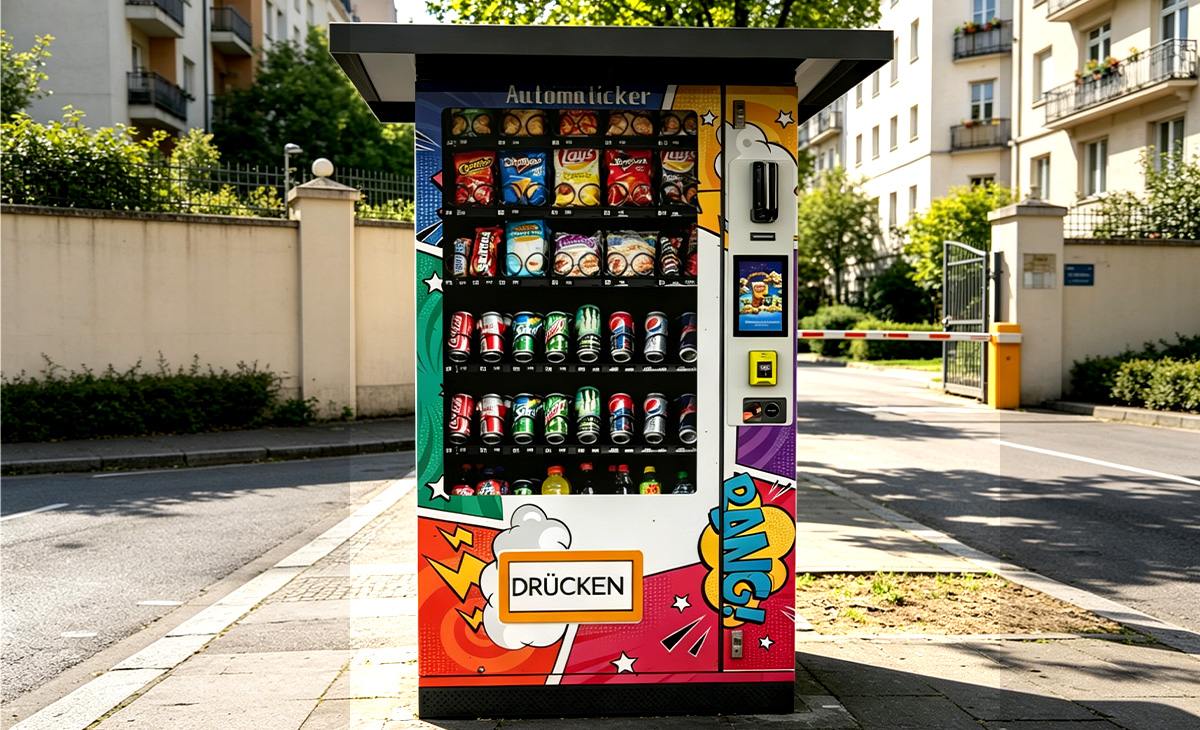
When I evaluate a vending machine manufacturer, I look for specific evidence that they understand low-energy cooling systems for vending machines. Here's my checklist.
- Do they offer inverter compressor options as standard or as an upgrade?
- Can they provide third-party energy test results for their machines?
- What is their warranty on the cooling system components?
- Do they have a service network in my target countries?
- Are their machines compliant with EU energy labeling and F-Gas regulations?
- Can they provide references from operators in similar climates?
I've worked with several suppliers over the years, and I've found that Zhongda Smart consistently meets these criteria. Their machines come with inverter compressors as standard on most refrigerated models, they provide detailed energy consumption data, and their warranty terms are among the best I've seen. That said, I always recommend getting quotes from at least three suppliers and comparing total cost of ownership, not just purchase price.
Real Data from the Field
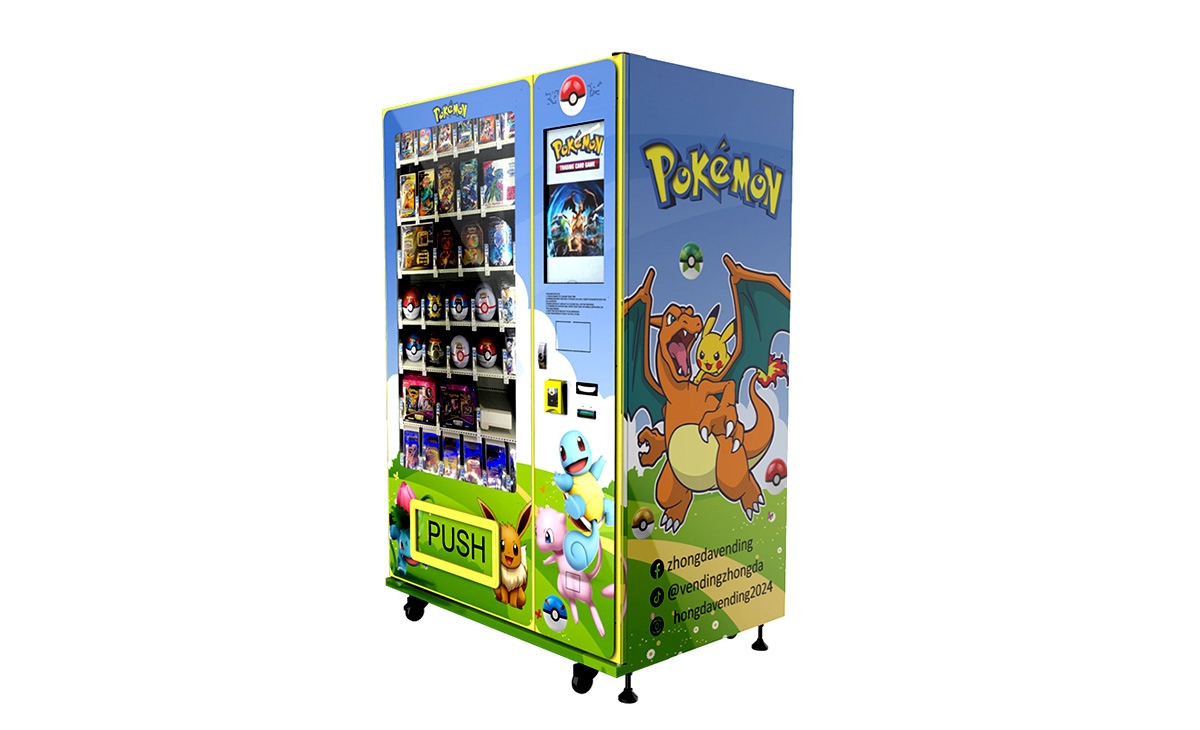
To ground this discussion in real numbers, here are some data points from my own operations and public sources.
According to a 2023 study by the European Vending & Coffee Service Association (EVA), the average energy consumption of a refrigerated vending machine in Europe is 3,200 kWh per year. Machines with low-energy cooling systems for vending machines consume an average of 1,800 kWh per year—a 44% reduction.
In a pilot project I ran with a Dutch facility management company, we replaced twenty traditional machines with low-energy units from Zhongda Smart. Over twelve months, the new machines consumed 1,950 kWh per unit compared to 3,450 kWh for the old ones. At €0.35 per kWh, that's a saving of €525 per machine per year. The project paid for itself in 22 months.
Data from the U.S. Department of Energy's Commercial Buildings Energy Consumption Survey indicates that vending machines account for roughly 1.5% of total electricity use in commercial buildings. While that seems small, it's a concentrated cost for operators who run dozens or hundreds of machines.
FAQ: Low-Energy Vending Machines
Are low-energy vending machines worth the extra cost?
In most cases, yes. Based on my experience and data from the EVA, the energy savings alone typically pay back the price premium within 18 to 36 months. When you factor in reduced vending machine repair costs and lower product waste, the payback period shortens further.
How much can I save on electricity per machine?
I've seen savings of €30 to €60 per month per machine, depending on local energy rates and ambient conditions. In warmer climates or locations with high electricity costs, the savings are at the higher end of that range.
Do low-energy machines perform differently in hot weather?
Yes, and that's actually one of their advantages. Inverter compressors maintain consistent cooling even when ambient temperatures rise above 35°C. Traditional compressors struggle in those conditions and often fail. I've had far fewer heat-related vending machine repair calls since switching to inverter-based units.
What should I look for in a low-energy vending machine supplier?
Ask about compressor type, insulation materials, energy certification, and warranty terms. Request third-party energy test data and references from operators in similar markets. Zhongda Smart is one supplier I've had good experience with, but always compare multiple options.
Can I retrofit my existing machines with low-energy components?
In some cases, yes. You can replace fluorescent lighting with LED kits, add better door seals, and install more efficient controllers. However, replacing the compressor and insulation is usually not cost-effective. For older machines, it's often better to replace them entirely.
How do I calculate payback for a low-energy machine?
Start with the price difference between a standard and low-energy machine. Estimate your annual energy savings based on local rates and the manufacturer's energy data. Add estimated savings from reduced vending machine repair and product waste. Divide the price difference by the total annual savings. That gives you the payback period in years.
Are there government incentives for energy-efficient vending machines?
Some EU countries offer subsidies or tax incentives for energy-efficient commercial equipment. Check with your local energy agency or the European Commission's energy efficiency portal. I've seen programs in Germany, the Netherlands, and France that cover 10% to 30% of the premium for certified energy-efficient machines.
Final Thoughts from the Field
I didn't start this business thinking about energy efficiency. I started because I saw an opportunity to provide convenient access to cold drinks and snacks in places where people needed them. But after a decade of operations, I can tell you that low-energy cooling systems for vending machines are not a luxury—they're a competitive necessity. The operators who ignore this trend will find themselves with shrinking margins, frequent vending machine repair issues, and machines that are increasingly expensive to run.
The technology has matured. Inverter compressors, vacuum insulation, and smart controllers are no longer experimental. They're proven, reliable, and available from multiple manufacturers. The upfront cost premium is real, but the data consistently shows that it pays back within two to three years, and the machines last longer with fewer problems.
If you're new to this business, start with energy-efficient equipment. If you're already operating, run the numbers on your current fleet. You might find, as I did, that replacing your oldest machines with modern low-energy units is one of the best investments you can make. And if you're evaluating suppliers, ask the hard questions about energy performance, warranty terms, and real-world data. The answers will tell you a lot about whether that supplier understands what operators actually need.
This article reflects my personal experience operating vending machines in Europe and North America since 2012. Costs, revenues, and payback periods vary by location, traffic, product mix, and local conditions. Always perform your own due diligence before making equipment purchases.
本文更新于2025年6月