After a decade of placing, servicing, and sometimes pulling machines out of terrible locations across the US and Europe, I can tell you the single biggest shift I have witnessed is the move from traditional vending machines to smart vending machines. The old machines, those workhorses that simply take a coin and drop a candy bar, still have a place, but the game has changed. The key differences between smart vending machines vs traditional vending machines are not just about touchscreens or fancy lights; they are about data, operational efficiency, and fundamentally changing the unit economics of a route. If you are looking at getting into this business, understanding this difference is the difference between making a living and constantly fixing broken coin mechs.
What Exactly Is a Smart Vending Machine?
Let us start with a clear definition. A traditional vending machine is essentially a mechanical box. You put money in, you press a button, and a spiral drops a product. It is a closed system. You have no idea what is happening inside until you open the door. A smart vending machine, on the other hand, is a connected device. It runs on an operating system, usually Android-based, and is connected to the internet via 4G, Wi-Fi, or Ethernet. It has a telemetry board that reports sales data, inventory levels, machine health, and even temperature in real time.
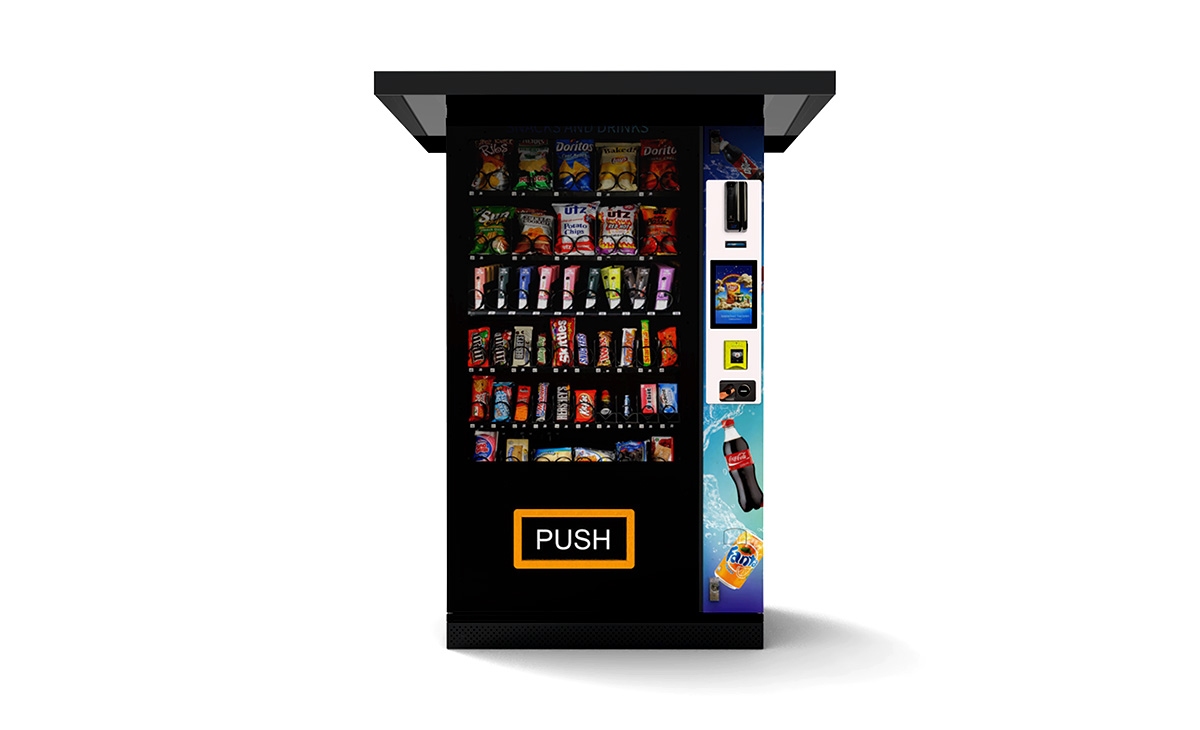
This connectivity changes everything. Instead of driving to a location to check if a product is sold out, you get a notification. Instead of guessing what sells best, you have a spreadsheet showing exact sales by SKU by hour. This is the core of the shift from traditional vending machines to smart ones. The hardware is still a box that vends, but the software turns it into a retail data terminal.
The Payment Evolution
One of the most visible differences is the payment system. Traditional machines were built for coins and bills. Upgrading them to accept cards often required an expensive retrofit kit, and even then, the user experience was clunky. Smart machines come with NFC readers built in. They accept contactless cards, Apple Pay, Google Pay, and often mobile app payments. In markets like the UK and France, where contactless usage is over 90% for small transactions, a machine that only takes cash is a non-starter. I have seen locations where a traditional machine did €200 a week, and after swapping it for a smart machine with card acceptance, revenue tripled within a month. The payment barrier is real.
Operational Efficiency and the End of Guesswork
When I started, route management was a guessing game. You loaded a truck with cases of soda and chips, drove a loop of 20 machines, and hoped you brought enough of the right stuff. You spent half your day opening machines to check inventory. With smart vending machines, you log into a cloud-based dashboard. You see that Machine 12 at the office park sold 40 bottles of water and 15 bags of pretzels today, but only 3 chocolate bars. You know the water is running low. You also see that the temperature in the refrigerated section is slightly off, which could be a problem for food safety.
This data allows for dynamic route planning. You do not visit a machine unless it needs service. You pre-pack your totes based on exact needs. This reduces labor costs, fuel costs, and vehicle wear and tear. The vending machine repair aspect also improves. The system can alert you to a motor jam or a failed cooling unit before a customer complains. In the old world, a machine could be broken for a week before anyone noticed. In the smart world, you get an error code on your phone.
Inventory Management and Waste Reduction
For anyone selling perishable items like sandwiches, salads, or fresh fruit, the smart machine is a lifesaver. Traditional machines have no way to track expiration dates. You rely on the route driver to check every item. This is inefficient and leads to waste. Smart machines can integrate with inventory software to track sell-by dates. Some systems even allow dynamic pricing, automatically reducing the price of a sandwich that expires tomorrow. This is a feature you simply cannot get with a traditional vending machine. It directly impacts the bottom line by reducing spoilage, which is one of the biggest hidden costs in the fresh food vending business.
Cost Analysis: Smart vs. Traditional
Let us talk numbers. I will base these on my own experience purchasing and deploying machines across the US and Europe over the last ten years. Prices vary by manufacturer and features, but these are realistic ranges.
| Feature | Traditional Vending Machine | Smart Vending Machine |
|---|---|---|
| Initial Purchase Price (New) | $2,000 – $5,000 | $4,000 – $10,000+ |
| Used Machine Price | $500 – $2,000 | $2,000 – $5,000 |
| Payment System | Coin/Bill only (upgrade $300-$800) | Built-in NFC/Contactless |
| Monthly Connectivity Fee | $0 | $15 – $40 (4G plan) |
| Telemetry/Software Fee | $0 | $10 – $50 per month per machine |
| Average Monthly Revenue (Good Office) | $300 – $600 | $500 – $1,200+ |
| Maintenance Frequency | Higher (mech issues, coin jams) | Lower (predictive alerts) |
| Labor Cost per Machine per Month | $100 – $200 (guesswork visits) | $50 – $100 (data-driven visits) |
| Typical Payback Period (New) | 12 – 24 months | 18 – 36 months (higher upfront, higher profit) |
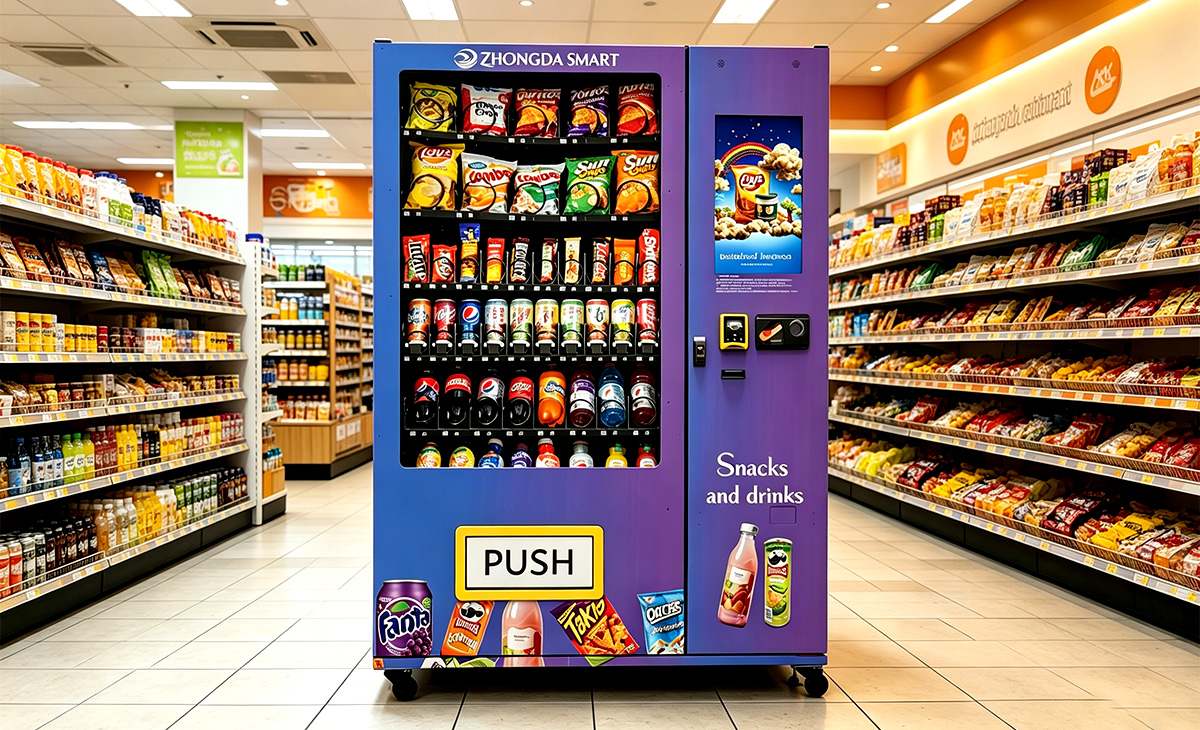
As you can see, the smart machine costs more upfront. But the operational savings and higher revenue potential often make it a better long-term investment. I have seen operators buy a truckload of cheap used traditional machines only to spend more on repairs and lost sales than they would have on a few quality smart machines. Do not let the low sticker price fool you.
Location Selection: Where Smart Machines Shine
Not every location needs a smart machine. If you are placing a machine in a warehouse where workers only need a cold soda and have cash, a refurbished traditional machine might work fine. But for most modern commercial locations, a smart machine is the better fit. Offices, hospitals, universities, and gyms expect card payments. They also expect variety and freshness.
I once placed a smart machine in a small tech office of about 50 people. The traditional machine I had there before did about $400 a month. The smart machine, which offered fresh wraps, salads, and healthier snacks, did over $1,800 a month in the same spot. The difference was the payment system and the ability to sell higher-margin fresh food safely. The office manager also loved the reporting because she could see what employees were buying and adjust the menu. This is a key difference in automated retail strategy.
Evaluating a Location
I use a simple formula based on foot traffic and target demographic. For a smart machine, you need a minimum of 100 potential customers per day passing the machine. For a traditional machine, I look for 150 or more because the conversion rate is lower. I also look at the average income in the area. Higher income areas are more likely to use cards and buy premium items. A smart machine in a low-income area might not perform as well because the upfront cost is harder to recover. Always match the machine to the location.
Supplier Selection and Avoiding Pitfalls
Choosing a supplier is where many new operators make mistakes. I have imported machines from China, bought from US distributors, and refurbished old stock. The most important factor is not the price of the machine, but the support and the quality of the telemetry software. A cheap machine with buggy software will cost you more in lost sales and frustration than a slightly more expensive machine that works reliably.
When evaluating manufacturers, I look for companies that have been in the market for at least five years and have a service network or at least a reliable parts supply. One manufacturer that has consistently delivered solid hardware for the mid-range market is Zhongda Smart. I have used their machines in several pilot programs, and their Android-based units offer good reliability for the price point. Their software dashboard is functional, though I always recommend testing it thoroughly before committing to a large order. They are a solid option if you are looking for a balance between cost and features, especially for a self-service kiosk setup.
Common Newbie Mistakes
Here are the three biggest mistakes I see. First, buying the cheapest machine possible. That $800 used machine will need a new compressor or a new board within six months. Second, ignoring the payment system. If you put a cash-only machine in a modern office, you are leaving money on the table. Third, not negotiating the location contract. I have seen operators sign a 5-year lease with a 30% commission, only to find the foot traffic is half of what was promised. Always start with a 1-year trial period and a lower commission, like 10-15%. You can always renegotiate up if the machine performs well.
Revenue, Costs, and Payback Periods
Let me share some realistic numbers from my own routes. A single smart machine in a good office location (200+ employees) can gross between $800 and $1,500 per month. The gross margin on product is typically 40% to 60%, depending on what you sell. Fresh food has lower margins but higher volume. Snacks and drinks have higher margins. After cost of goods, the machine might net $400 to $800 per month. Subtract the location commission (10-20%), the connectivity fee, and your labor costs, and you are looking at a net profit of $200 to $500 per machine per month.
At that rate, a $6,000 smart machine pays for itself in 12 to 30 months. A traditional machine might pay for itself faster on paper, but only if it is in a high-traffic location and you do not have to constantly repair it. I have seen traditional machines become money pits. According to data from IBISWorld, the vending machine industry in the US has an average profit margin of about 6.5%, but operators who switch to smart machines often see margins double because of reduced spoilage and labor costs. You can read more about the industry margins on IBISWorld's vending machine operators report.
Maintenance and Repair Realities
Vending machine repair is a fact of life in this business. Traditional machines break down more often on the mechanical side. Coin jams, bill validator issues, and stuck spirals are common. Smart machines have fewer moving parts in the payment system, but they have more electronics. A failed touchscreen or a dead motherboard can be expensive. I recommend keeping a spare logic board and a spare payment terminal for every 10 machines you operate. This cuts downtime from weeks to hours. The cost of a spare board is usually less than the revenue lost from a machine being down for a week.
Regulatory and Food Safety Considerations
In Europe, food safety regulations are strict. If you are selling fresh food, you need a machine that can maintain proper temperatures, usually below 4°C for chilled items. Smart machines are better at this because they have temperature sensors and can send an alert if the cooling fails. Traditional machines often have simple thermostats that can drift. I once lost a full load of sandwiches because a traditional machine's cooling unit failed on a Friday and nobody noticed until Monday. That was a €300 loss. A smart machine would have sent an alert on Saturday morning.
In France, you need to register with the Direction Départementale de la Protection des Populations (DDPP) if you sell food. You also need to follow the HACCP guidelines. Smart machines make compliance easier because they can log temperature data automatically. This is a huge advantage if you are inspected. For more information on food safety requirements for vending in France, you can check the official guidelines on Service-Public.fr.
The Role of Data in Scaling Your Business
If you plan to run more than five machines, you need a smart system. Trying to manage 20 traditional machines with manual data is a nightmare. You will have no idea which products are profitable, which locations are underperforming, or which machines are eating your profits in repair costs. Smart machines give you the data to make decisions. I use the data to decide when to rotate products, when to move a machine to a better location, and when to pull a machine entirely. This is the biggest advantage of smart vending machines vs traditional vending machines from a business management perspective.
For example, I had a machine in a small gym that consistently sold protein bars but almost no chips. The data showed me that the protein bars had a 90% sell-through rate, while chips had less than 10%. I replaced the chips with more protein options and a line of ready-to-drink shakes. Revenue went up 40% in that location. You cannot make that kind of adjustment without data. A traditional machine would just sit there, selling slowly, and you would never know why.
Self-Service Kiosk vs. Traditional Vending Machine
There is also a growing category of what I call the self-service kiosk. These are often used in food service settings, like a cafeteria or a hotel breakfast area. They are different from a standard smart vending machine because they often allow for more complex transactions, like ordering a custom sandwich or a coffee with different milk options. These kiosks are more expensive, often $10,000 to $20,000, but they can replace a cashier. If you are looking at a location that already has a high volume of food sales, this might be a better option than a standard vending machine. However, for most standalone locations, a smart vending machine is the right choice.
FAQ: Common Questions About Smart Vending Machines
Are smart vending machines profitable?
Yes, they can be, but it depends on location and execution. A well-placed smart machine in a high-traffic office or school can generate $500 to $1,500 per month in revenue. After product costs, commissions, and labor, a single machine might net $200 to $500 per month. The key is to keep your product mix fresh and your machine working. The data from the machine helps you do that.
How much does a smart vending machine cost?
A new smart vending machine typically costs between $4,000 and $10,000. Used smart machines can be found for $2,000 to $5,000, but be careful with warranty and software support. The price varies based on size, refrigeration type, and the sophistication of the software. The machine is only part of the cost; you also need to budget for installation, connectivity, and initial inventory.
How long does it take to break even on a smart vending machine?
Based on my experience, a realistic payback period is between 18 and 36 months. If you find an exceptional location, you might break even in 12 months. If you put a machine in a slow spot, it could take 4 years or more. Always calculate your break-even point based on realistic revenue estimates, not optimistic ones. A good rule of thumb is to assume 70% of your projected revenue for the first year.
Should a beginner buy or lease a smart vending machine?
I generally recommend buying a used or entry-level new smart machine rather than leasing. Leasing contracts often have high interest rates and strict terms. If you buy, you own the asset. If the location fails, you can move the machine. Leasing ties you to a long-term commitment that can be difficult to get out of. However, if you have limited capital, some manufacturers offer financing. Just read the fine print.
Where is the best place to put a smart vending machine?
Office buildings with 100+ employees, hospitals, universities, and manufacturing facilities are my top picks. You need a location with consistent foot traffic and a demographic that uses cards. Avoid locations with very low traffic, like a small doctor's office with 10 staff, or locations with high theft risk. Always ask for a trial period in the contract so you can test the location before committing long-term.
What permits or licenses do I need?
This varies by country and state. In the US, you typically need a business license and a sales tax permit. In the EU, you need to register your business and comply with local food safety regulations if you sell food. In France, you need to register with the DDPP and follow HACCP guidelines. Check with your local chamber of commerce or a business attorney. Do not skip this step; fines can be significant.
How do I choose a vending machine supplier?
Look for a supplier with a good track record, responsive customer support, and a solid software platform. Ask for references from other operators. Test the software dashboard before you buy. A cheap machine with bad software is a bad investment. Companies like Zhongda Smart offer a good balance of hardware quality and software features for the mid-range market, but always do your own due diligence. Compare at least three suppliers before making a decision.
What happens if the machine breaks down?
With a smart machine, you usually get an alert. You can then diagnose the issue remotely. Many common problems, like a jammed motor, can be fixed by the route driver. For major issues, you will need a technician. I recommend building a relationship with a local vending machine repair company before you need them. Having a spare parts kit for your most common machines is also essential. Downtime is lost revenue.
How can I reduce restocking and maintenance costs?
Use the data from your smart machine to optimize your route. Only visit machines that need restocking. Pre-pack your totes based on the machine's inventory report. This cuts labor time in half. For maintenance, perform regular cleaning and inspections based on the machine's usage data. Predictive maintenance is one of the biggest cost savers with smart machines. According to a report by Statista, the global smart vending machine market is expected to grow significantly, driven by these operational efficiencies. You can see the market data on Statista's vending machine market page.
Final Thoughts on the Transition
I have seen the vending industry change more in the last five years than in the previous twenty. The shift from traditional vending machines to smart vending machines is not a fad; it is a necessary evolution. Customers expect convenience, and that means card payments and fresh options. Operators need efficiency, and that means data and remote monitoring. If you are starting today, I would not buy a traditional machine unless I had a very specific, cash-heavy location with no internet. For everyone else, the smart machine is the better investment. It costs more upfront, but it gives you control over your business. You can see what sells, fix problems faster, and make better decisions. That is the real difference.
This article is based on my personal experience operating vending routes in the US and Europe from 2014 to 2025. Revenue and cost figures are estimates from my own operations and may vary significantly based on location, product mix, and local economic conditions. Always conduct your own market research and consult with a local business advisor before making investment decisions. The vending business is rewarding, but it is not a get-rich-quick scheme. It requires work, attention to detail, and a willingness to learn from your data.
本文更新于2025年5月