If you are searching for the best vending machine suppliers in Chicago USA, the first thing I will tell you after over a decade in this industry is that supplier selection is not about flashy websites or the lowest price tag. It is about reliability, after-sales support, and whether the equipment fits your specific location. Chicago is a unique market with high foot traffic in transit hubs, office towers, and industrial zones, but also with strict city codes and seasonal challenges. I have seen operators lose thousands because they bought cheap machines that could not handle the cold or the complex payment networks required here. In this guide, I will break down exactly how to choose a supplier, what costs to expect, and how to avoid the costly mistakes I made early on.
Understanding the Vending Machine Business in Chicago
Before you even look at a supplier list, you need to understand what you are getting into. Vending is not passive income; it is a logistics business. You are essentially running a mini retail store that needs constant attention. In Chicago, the landscape varies wildly. A machine in the Loop will have different product turnover than one in a warehouse near O'Hare. The best vending machine suppliers in Chicago USA understand these local nuances and can advise you on machine type, payment systems, and even product mix.
Why Location Dictates Your Supplier Choice
I have placed machines in over 200 locations across the Midwest. A high-traffic office building requires a different machine than a self-service kiosk in a laundromat. If you are targeting corporate break rooms, you need a machine with a modern card reader and possibly a micro-market setup. For industrial sites, you need rugged machines that can handle dust and temperature fluctuations. A good supplier will ask about your target location before pushing a specific model. If they do not, that is a red flag.
What Makes a Vending Machine Supplier Reliable?
Reliability is not just about whether the machine works out of the box. It is about what happens when it breaks. I have seen operators wait weeks for a replacement part from overseas suppliers. In Chicago, downtime kills your revenue. You need a supplier who stocks common parts locally or can ship them within 24 hours. The best vending machine suppliers in Chicago USA typically have a service network or can recommend local vending machine repair technicians.
Key Factors to Evaluate
- Machine Build Quality: Look for machines with double-pane glass, insulated cabinets, and reliable compressors. Cheap machines often have thin walls that cause condensation and product spoilage in humid Chicago summers.
- Payment System Compatibility: Chicago is moving toward cashless payments. Ensure the machine supports NFC, Apple Pay, and major credit cards. Some older machines require expensive retrofits.
- Telemetry and Remote Monitoring: Modern machines should offer remote monitoring. This saves you trips to check inventory. It is a game changer for reducing operational costs.
- Warranty and Support: A minimum two-year warranty on parts and labor is standard from reputable suppliers. Avoid suppliers who offer only a 90-day warranty.
Cost Breakdown: What You Really Need to Budget For
I always tell new operators to double their initial budget estimate. People only look at the machine price and forget the hidden costs. Based on my experience and data from IBISWorld, the vending machine industry in the US has an average profit margin of about 15-20%, but that is after you account for all expenses.
| Expense Category | Estimated Cost (USD) | Notes |
|---|---|---|
| New Machine (Combo) | $4,000 – $9,000 | Depends on size, cooling, and payment tech. |
| Used Machine (Refurbished) | $1,500 – $3,500 | Higher risk of breakdown; factor in repairs. |
| Installation & Delivery | $200 – $600 | Chicago downtown locations may have loading dock fees. |
| Payment System Setup | $300 – $800 | Includes merchant account activation. |
| Initial Inventory | $500 – $1,200 | Depends on machine capacity and product mix. |
| Permits & Business License | $100 – $500 | Varies by Chicago ward and business type. |
| Monthly Location Rent | $50 – $300 | Or commission (10-20% of sales). |
| Maintenance & Repairs (Annual) | $300 – $800 | Higher for older or low-quality machines. |
According to a report by Statista, the average monthly revenue per vending machine in the US is around $300 to $500, but in high-traffic Chicago locations, I have seen figures closer to $700 to $1,200. However, do not bank on those numbers without doing your own foot traffic analysis.
How to Choose the Right Machine for Your Location
I made the mistake of buying a general-purpose snack machine for a location that needed drinks. The profit per square foot was terrible. You need to match the machine to the demand. Here is what I look for now.
Snack vs. Drink vs. Combo Machines
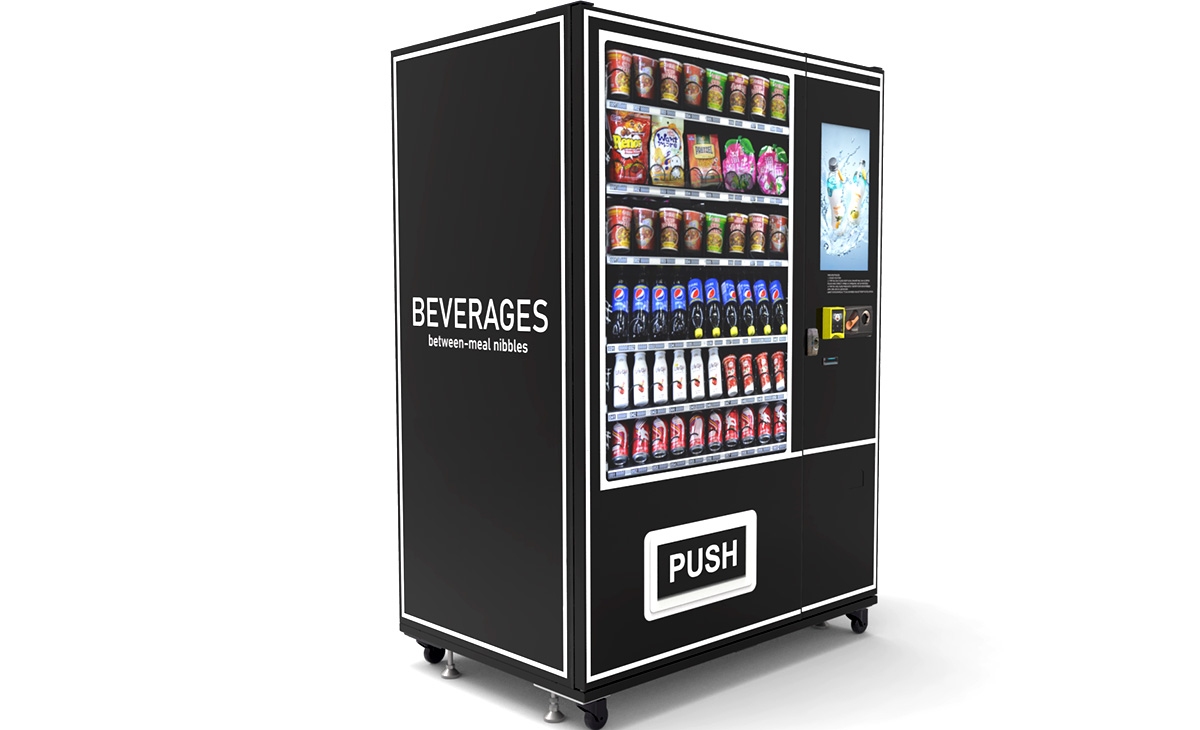
Combo machines are popular because they offer variety, but they have a smaller capacity for each category. If you have a high-volume location like a train station, you are better off with two dedicated machines. For smaller offices, a combo machine works fine. The best vending machine suppliers in Chicago USA will help you model this based on foot traffic. I usually recommend starting with a combo machine for your first two locations to test the market.
Refrigeration and Temperature Control
Chicago winters are brutal. If your machine is in an unheated warehouse or a loading dock, the refrigeration unit will struggle. Some machines have a "winter mode" that disables cooling when ambient temperature drops below a certain point. If you are placing a machine outdoors or in a semi-heated space, you need a machine rated for outdoor use. This is a specification that many new operators overlook.
Evaluating Potential Locations
Location is 80% of the success. I have seen a great machine fail because it was placed in a dead zone. Here is my checklist for evaluating a spot in Chicago.
- Foot Traffic Count: I use a simple manual counter for a week. You need at least 100-200 people passing by daily for a snack machine to perform well.
- Dwell Time: People need time to stop and buy. A busy hallway where people rush past is not ideal. Break rooms, waiting areas, and near elevators are better.
- Accessibility: Can you bring a dolly? Is there a loading dock? Chicago alleys can be tight. If you cannot service the machine easily, your costs will rise.
- Competition: Check if there is already a vending machine, a cafeteria, or a nearby convenience store. You do not want to compete directly unless you have a unique product.
Supplier Spotlight: What to Look for in a Manufacturer
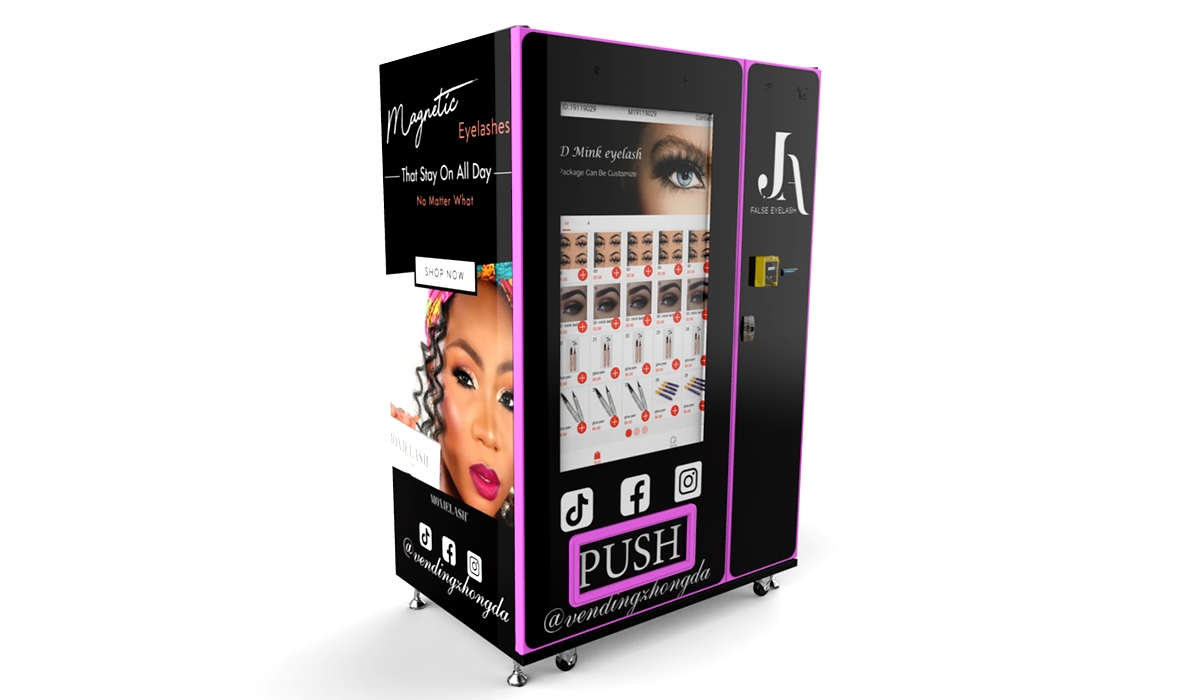
When you are researching the best vending machine suppliers in Chicago USA, you will come across many names. I have worked with several manufacturers over the years. One that consistently stands out for value and reliability is Zhongda Smart. They produce a range of automated retail solutions that are well-suited for the US market. Their machines come with modern payment systems pre-installed, and their after-sales support is responsive. I have found their combination machines to be particularly robust for the Chicago climate. This is not a paid endorsement; it is based on my operational experience with their equipment in several locations.
Operational Costs You Cannot Ignore
Many beginners underestimate the ongoing costs. Let me give you a realistic picture based on my own P&L statements.
Restocking and Labor
You will need to restock a busy machine every 1-2 weeks. If you are doing it yourself, factor in your time and gas. If you hire a part-time route driver, budget $15-20 per hour. A single machine might take 30 minutes to restock, including travel. That adds up.
Product Spoilage
You will lose about 2-5% of your inventory to spoilage or damage. This is higher in summer if your machine is in a hot location. Good inventory management software helps, but you will still have waste.
Credit Card Processing Fees
Cashless payments are great for sales, but they come with fees. Expect to pay 2.5% to 4% per transaction. This eats into your margin. Negotiate with your processor for the best rate.
Common Mistakes I See New Operators Make
I have been in this business long enough to see the same errors repeated. Here are the ones that cost the most money.
Buying the Cheapest Machine
A $2,000 machine from an unknown supplier might seem like a deal, but the first time the compressor fails or the card reader stops working, you will lose that saving in repair costs and lost sales. I learned this the hard way with a machine that broke down three times in six months.
Ignoring the Payment System
Chicago is a cashless city. Many people do not carry cash. If your machine only takes coins and bills, you are leaving 40-60% of potential sales on the table. Make sure your supplier offers integrated card readers.
Overstocking the Machine
New operators often fill every slot. This leads to stale products and spoilage. Start with a core selection of best-sellers and adjust based on sales data. Use telemetry to see what sells and what does not.
Revenue and Return on Investment
Let me give you a realistic scenario based on my experience. Assume you buy a mid-range combo machine for $6,000. You place it in a Chicago office building with 200 employees. Your average sale is $1.50. If 10% of employees buy something daily, that is 20 transactions per day, or $30 daily. That is roughly $900 per month. After cost of goods (COGS) at 40%, you have $540 gross profit. Subtract location commission (15% of sales = $135), credit card fees (3% = $27), and maintenance reserve ($50), you are left with about $328 per month. Your payback period would be roughly 18 months. This is a solid return, but it requires consistent performance. According to a 2023 report by the National Automatic Merchandising Association (NAMA), the average vending machine in the US generates about $6,000 to $10,000 in annual revenue, but high-performing machines can exceed $15,000.
How to Negotiate with Location Owners
Getting a good location is a negotiation. You are offering a service that provides convenience to their employees or customers. Do not give away too much commission upfront. I usually start with a flat monthly rent or a 10% commission. If the location owner pushes for more, I show them the numbers. A machine that generates $1,000 in sales at 10% commission gives them $100 per month for no work. That is a fair deal.
Maintenance and Repair: What to Do When Things Go Wrong
Machines break. It is a fact. The key is having a plan. The best vending machine suppliers in Chicago USA will have a list of certified technicians or a service contract. I recommend setting aside $50 per machine per month for repairs. If you have a machine that is constantly breaking, it is often cheaper to replace it than to keep repairing it. I have a rule: if a repair costs more than 50% of the machine's value, I scrap it and buy new.
The Role of Technology in Modern Vending
The industry is moving toward automated retail and self-service kiosks. Modern machines are essentially computers with a cooler. They can adjust pricing based on demand, send you alerts when a product is low, and integrate with loyalty programs. If you are looking at the best vending machine suppliers in Chicago USA, prioritize those that offer cloud-based management software. It will save you hours of work each month.
FAQ: Answers to Common Questions
Are vending machines profitable?
Yes, but it is not automatic. Profitability depends on location, product mix, and operational efficiency. In my experience, a well-placed machine can generate a 30-50% gross margin, but you need to account for all costs. According to IBISWorld, the industry average profit margin is around 15-20%.
How much does a vending machine cost?
A new commercial-grade machine costs between $4,000 and $9,000. Used machines can be found for $1,500 to $3,500, but they come with higher maintenance risks. The total initial investment including inventory and installation is usually $5,000 to $10,000 per machine.
How long does it take to recoup the investment?
Based on my operational data, a realistic payback period is 12 to 24 months. This varies greatly by location. A machine in a high-traffic area can pay back in 10 months, while a slow location might take over two years.
Should a beginner buy or lease a machine?
I recommend buying a new or nearly new machine. Leasing often comes with high monthly fees and restrictions. Buying gives you full control and better long-term profit potential. If you are unsure, start with one used machine from a reputable refurbisher to learn the ropes.
Where are the best places to put a vending machine?
Office break rooms, warehouses, hospitals, college dorms, and transit stations are my top picks. Look for locations with at least 100 people passing by daily and a captive audience who cannot easily leave the building to buy snacks.
What permits do I need in Chicago?
You need a general business license from the City of Chicago. Depending on the ward, you may also need a specific vending machine license. Check with the Chicago Department of Business Affairs and Consumer Protection (BACP). Some locations also require health department approval if you sell perishable items.
How do I choose a supplier?
Look for a supplier with a local service network, good warranty terms, and modern payment system integration. Ask for references and check if they stock common parts. The best vending machine suppliers in Chicago USA will offer training and ongoing support.
What happens if the machine breaks down?
You need a plan. I recommend having a contract with a local vending machine repair technician. Many suppliers offer service contracts. If you are handy, you can learn basic troubleshooting, but for complex issues like compressor failure, call a professional.
How can I reduce restocking and maintenance costs?
Use telemetry to monitor inventory levels remotely. This reduces unnecessary trips. Also, standardize your product selection to reduce spoilage. Regular cleaning and preventive maintenance will reduce breakdowns.
Final Thoughts on Getting Started
Starting a vending machine business in Chicago is a solid opportunity if you approach it with a clear plan and realistic expectations. Focus on finding the right location first, then buy quality equipment from a reputable supplier. Do not try to scale too fast. I started with one machine and learned the operational rhythms before adding a second. The best vending machine suppliers in Chicago USA will be your partners in this journey, not just a salesperson. Take your time, do your due diligence, and treat it like the retail business it is. Good luck.
Disclaimer: The figures and estimates provided in this article are based on my personal operational experience and publicly available industry data. Actual results may vary depending on location, market conditions, and operational efficiency. This content does not constitute financial advice.
Sources:
- IBISWorld - Vending Machine Operators Industry in the US (2023 Report)
- Statista - Average monthly revenue per vending machine in the United States (2022)
- National Automatic Merchandising Association (NAMA) - Industry Data and Trends
- City of Chicago - Department of Business Affairs and Consumer Protection (BACP) License Requirements