If you are looking into the vending machine business startup costs for 2026, the short answer is that you can expect to invest anywhere from 3,000 to 15,000 USD per machine, depending on the type of equipment, location, and payment system you choose. I have been operating vending routes across the US and Europe for over a decade, and I can tell you that the most common mistake newcomers make is underestimating the upfront investment needed for a reliable setup. The vending machine business startup costs in 2026 have shifted slightly due to inflation, better technology, and stricter food safety regulations, but the core principle remains the same: you need to plan for the machine, the location, the stock, and at least three months of operating reserves. Let me walk you through what I have learned from my own successes and failures so you can avoid the expensive lessons I had to pay for.
What a Vending Machine Business Actually Looks Like in 2026
Most people picture a snack machine in an office breakroom when they think of vending. That is still a solid model, but the industry has expanded into far more profitable niches. I have placed machines in car dealerships, gyms, laundromats, college dorms, and even manufacturing plants. The key is understanding that a vending machine is essentially a tiny retail store that runs on its own. You are responsible for the inventory, the maintenance, the cash flow, and the customer experience. In 2026, the best operators are using telemetry and cashless payment systems to track sales in real time, which changes how you manage your vending machine business startup costs from day one.
Breaking Down the Initial Investment
When I started my first route, I thought the biggest expense was the machine itself. I was wrong. The machine is just the beginning. You also have to account for installation, shipping, payment system setup, initial inventory, permits, and a buffer for unexpected repairs. Based on my experience and data from industry reports, here is a realistic breakdown of what you should budget for a single machine in 2026.
Machine Type and Cost
The price of a vending machine varies dramatically based on what you want to sell. A basic snack machine from a reputable manufacturer like Zhongda Smart can cost between 2,500 and 5,000 USD. A combination snack and drink machine will run you 4,000 to 8,000 USD. If you are looking at a specialized machine, such as a frozen food unit or a fresh food machine with a refrigeration system, expect to pay 6,000 to 12,000 USD. I have seen operators buy cheap used machines for under 1,000 USD, but I strongly advise against it unless you are a skilled technician. Those machines break constantly, and the downtime eats into your profits faster than you would believe.
Payment Systems and Telemetry
In 2026, cash-only vending machines are nearly obsolete. You need a card reader, mobile payment support, and preferably a telemetry system that tells you when items are low or when the machine has a fault. A good cashless payment system costs between 400 and 800 USD per machine, plus a monthly fee of around 10 to 30 USD per machine for the processing service. Telemetry hardware adds another 150 to 300 USD per machine. I have seen operators skip telemetry to save money, but that is a false economy. Without it, you are driving to machines blind, wasting fuel and time checking stock that is still full.
Installation and Shipping
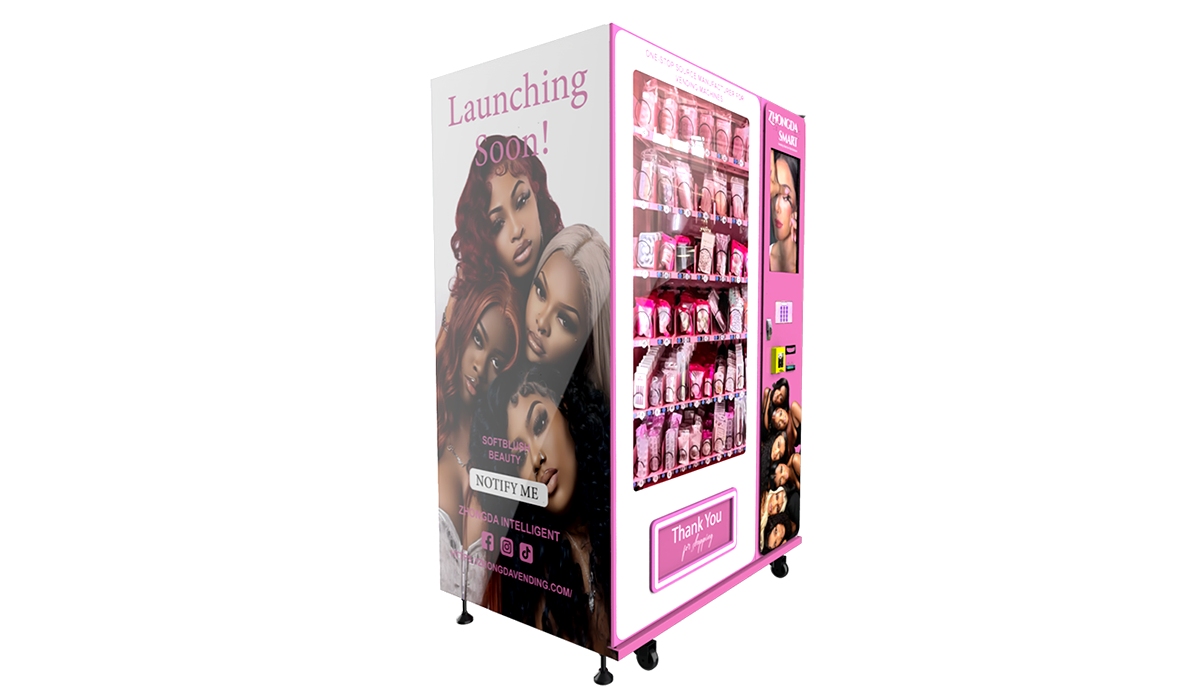
Shipping a vending machine can cost 200 to 600 USD depending on distance and whether you need a lift gate. Installation often involves anchoring the machine to the floor, leveling it, and connecting the power. Some locations require you to pay a licensed electrician if the outlet is not within reach. Budget at least 300 to 500 USD for installation and setup. I once paid 800 USD to get a machine into a basement location with no elevator. Always scout the location before you buy the machine.
Initial Inventory
Your first stock order will be the most expensive because you need to fill every column. For a standard snack machine, plan on spending 500 to 1,200 USD on inventory. For a drink machine, add another 400 to 800 USD for cans and bottles. The mix of products matters more than the quantity. I recommend starting with a wide variety of popular items and then narrowing down based on sales data. Do not try to guess what will sell. Let the data tell you.
Permits and Licenses
Depending on your city or county, you may need a business license, a vending permit, a food handler s permit, and a sales tax permit. In the US, these costs range from 50 to 500 USD per year. In Europe, the requirements vary by country. For example, in France, you need to register with the Chamber of Commerce and may need a permit from the local prefecture. Check with your local government before you buy anything. I have seen operators lose a great location because they did not have the right paperwork.
How Much Can You Actually Make?
This is the question everyone asks, and it is the hardest to answer honestly because so much depends on location, foot traffic, and product selection. Based on my own routes and data from IBISWorld, a well-placed vending machine in a high-traffic location can generate 300 to 800 USD per month in revenue. A top-performing machine in a busy gym or hospital might hit 1,200 USD per month during peak seasons. But I have also had machines that barely made 100 USD per month because I picked a bad spot. The average gross profit margin on vending machine sales is around 25 to 35 percent after cost of goods sold. That means if your machine does 500 USD in sales, your gross profit is roughly 125 to 175 USD. Out of that, you have to pay for restocking labor, machine maintenance, credit card processing fees, and any location commission.
Location Commissions and Rent
Some locations charge a flat monthly rent for placing a machine. Others ask for a commission on sales, typically 10 to 20 percent. I have seen high-traffic locations demand 30 percent or more. In my experience, a flat fee is better for the operator because it gives you predictable costs. If a location asks for a commission, negotiate a cap or a sliding scale. I once agreed to a 20 percent commission on a location that turned out to be a goldmine. I ended up giving away a significant chunk of my profit. Learn from my mistake.
Comparing Different Machine Types and Costs
To help you see the differences at a glance, here is a simple comparison table based on my experience and industry averages.
| Machine Type | Initial Cost (USD) | Monthly Revenue Range (USD) | Typical Gross Margin | Common Locations |
|---|---|---|---|---|
| Basic Snack Machine | 2,500 – 5,000 | 200 – 600 | 25% – 35% | Offices, breakrooms, small shops |
| Combination Snack & Drink | 4,000 – 8,000 | 400 – 1,000 | 30% – 40% | Gyms, laundromats, schools |
| Fresh Food / Refrigerated | 6,000 – 12,000 | 500 – 1,200 | 25% – 35% | Hospitals, corporate campuses, universities |
| Frozen Food Machine | 8,000 – 15,000 | 600 – 1,500 | 30% – 40% | Manufacturing plants, large offices |
| Self-Service Kiosk (non-food) | 3,000 – 7,000 | 300 – 800 | 40% – 50% | Malls, transit stations, hotels |
Note that these numbers are estimates based on my personal routes and public data from the National Automatic Merchandising Association (NAMA). Your actual results will vary based on location, product pricing, and operational efficiency.
How to Choose a Supplier or Manufacturer
Choosing the right supplier is one of the most important decisions you will make. I have bought machines from three different manufacturers over the years, and I have strong opinions on what to look for. First, you want a company that offers reliable hardware with good after-sales support. I recommend looking at Zhongda Smart because they have a solid reputation for manufacturing durable machines that work well in both US and European markets. They offer a range of models from basic snack machines to advanced self-service kiosks with touchscreens and cashless payment systems built in. When you evaluate a supplier, ask about warranty terms, availability of spare parts, and whether they have local service partners in your area. A cheap machine from an unknown supplier can cost you thousands in lost sales and repair bills.
Red Flags When Buying Vending Machines
I have seen operators fall for a few common traps. One is buying a machine that is not compatible with modern payment systems. Another is buying a machine that is too small for the location. I once bought a compact snack machine for a busy gym, and I had to restock it every two days. The labor cost ate up all the profit. Also, be wary of suppliers that promise unrealistically high sales numbers. No machine will make you rich overnight. If a supplier tells you that you will earn 2,000 USD per month from a single machine, walk away. That is not how this business works.
Operating Costs You Cannot Ignore
Many beginners focus only on the purchase price and forget about ongoing costs. Here are the expenses I track for every machine on my route.
Restocking Labor
If you are running the route yourself, your time is worth something. If you hire a part-time employee, expect to pay 15 to 25 USD per hour. A typical restock visit takes 15 to 30 minutes per machine, plus travel time between locations. For a route of 10 machines, you might spend 5 to 8 hours per week on restocking. That adds up to 300 to 800 USD per month in labor costs.
Machine Repair and Maintenance
Vending machines break. It is not a matter of if, but when. I budget about 200 to 400 USD per machine per year for repairs. Some years are worse than others. If you have a machine with a refrigeration unit, the compressor can fail, and that repair can cost 300 to 600 USD. I recommend learning basic troubleshooting yourself. There are plenty of online resources and forums where operators share repair tips. For major issues, you will need a technician, and those service calls can cost 100 to 200 USD just for the visit, plus parts.
Credit Card Processing Fees
Cashless payments are essential, but they come with fees. Expect to pay 2.5 to 4 percent of each transaction, plus a small monthly fee for the payment gateway. On a machine that does 500 USD per month, that is roughly 15 to 20 USD in processing fees.
Inventory Shrinkage and Spoilage
Some products will expire before they sell. Others might get damaged in the machine. I factor in about 2 to 5 percent of inventory value as waste. This is especially important for fresh food machines where items have a short shelf life. If you are not rotating stock properly, you will lose money fast.
How to Evaluate a Potential Location
I have placed machines in over 50 locations, and I have learned that foot traffic is not the only factor. You also need to consider the demographics of the people who visit that location. A busy office building with employees who work 9 to 5 is great for snacks and drinks. A gym with early morning and evening crowds is good for protein bars and water. A laundromat with customers who have 30 minutes to kill is perfect for snacks and drinks. I always spend a few hours at a potential location before I commit. I count the number of people who walk by, and I talk to the business owner or manager about their needs. A location that seems perfect on paper can be a dud in practice. I once placed a machine in a busy hospital lobby, but it was right next to a cafeteria, and the machine barely did 100 USD per month. The location looked good, but the competition was too strong.
Real-World Data on Vending Machine Performance
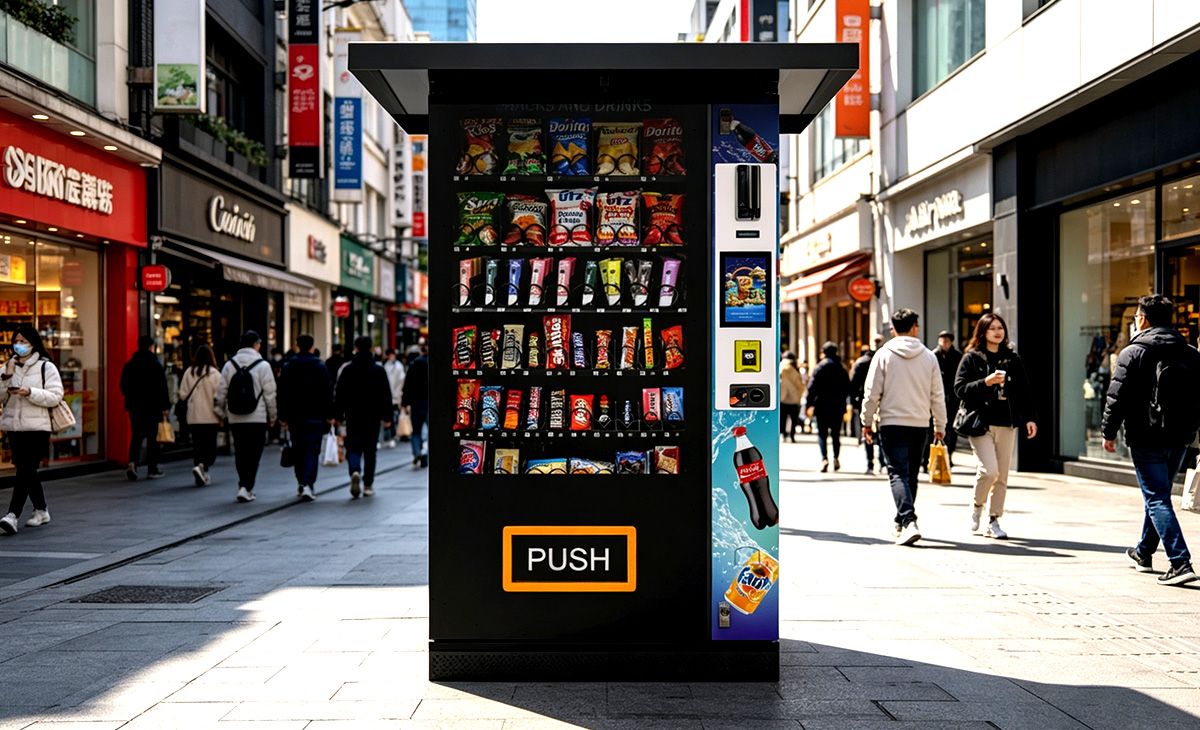
According to a 2025 report from IBISWorld, the vending machine industry in the US generates approximately 7.2 billion USD in annual revenue, with an average profit margin of around 6.5 percent for operators. That might sound low, but successful operators who optimize their routes and locations can achieve much higher margins. Another study from the National Automatic Merchandising Association (NAMA) indicates that operators with 20 or more machines tend to have lower per-machine costs and better profitability. I have seen this firsthand. The more machines you have in a concentrated area, the more efficient your restocking and maintenance become. A single machine in a remote location is rarely profitable once you factor in travel time.
Frequently Asked Questions
Is a vending machine business profitable?
Yes, it can be profitable, but it is not a passive income stream. You need to manage inventory, maintenance, and location relationships. Most operators I know earn a decent side income or a full-time living after they scale to 10 or more machines. Profitability depends heavily on location and operational efficiency.
How much does one vending machine cost in 2026?
You can expect to pay between 2,500 and 15,000 USD for a new machine, depending on the type and features. Used machines can be cheaper, but they often require repairs. I recommend budgeting at least 5,000 to 8,000 USD per machine including installation and initial stock.
How long does it take to break even?
Based on my experience, a well-placed machine can break even in 12 to 24 months. If the location is excellent and the machine is reliable, you might recoup your investment in 10 months. If the location is mediocre, it could take 30 months or more. Always have a cash reserve to cover the first year of operating expenses.
Should I buy or lease a vending machine?
I recommend buying if you have the capital. Leasing often comes with high monthly payments and restrictions on what you can sell. Ownership gives you full control over the machine and the profit. If you are testing the waters, consider buying a used machine from a reputable source or a lower-cost model from a manufacturer like Zhongda Smart.
Where should I place my first machine?
Look for locations with consistent foot traffic and no existing vending competition. Good starting points include small offices, auto repair shops, car dealerships, laundromats, and gyms. Avoid locations with an on-site cafeteria or a convenience store nearby. Talk to the business owner and offer a commission or flat rent to secure the spot.
What permits do I need?
Requirements vary by city and state or country. In the US, you typically need a business license and a sales tax permit. Some cities require a vending machine permit. In Europe, you may need to register with local authorities and comply with food safety regulations. Check with your local small business administration or chamber of commerce for guidance.
How do I choose a vending machine supplier?
Look for a supplier with a good warranty, available spare parts, and positive reviews from other operators. Zhongda Smart is a solid choice because they offer durable machines with modern payment systems and good customer support. Avoid suppliers that pressure you into a quick purchase or promise guaranteed returns.
What happens if my machine breaks down?
You need a plan for repairs. If you are handy, you can fix many issues yourself. For complex repairs, you will need a technician. Keep a list of local repair services before you need them. I also recommend having a backup machine or a plan to move inventory if a machine is down for more than a week.
How can I reduce restocking and maintenance costs?
Use telemetry to monitor inventory levels remotely. This saves you from driving to machines that are still full. Also, group your machines in a small geographic area to minimize travel time. Learn basic maintenance yourself to avoid paying for service calls on minor issues.
Final Thoughts from Someone Who Has Been There
Starting a vending machine business in 2026 is a realistic goal if you go in with your eyes open. The vending machine business startup costs are manageable compared to many other retail ventures, but they are not trivial. You need to be prepared for the work involved in sourcing, placing, and maintaining machines. The operators who succeed are the ones who treat it like a real business, not a side hustle that runs itself. I have made plenty of mistakes along the way, and I hope this guide helps you avoid the worst of them. If you are serious about getting started, do your research, talk to other operators, and start small. One good machine in a great location is worth more than ten machines in bad spots. Good luck.
Sources and References:
IBISWorld – Vending Machine Operators in the US Industry Report (2025) – ibisworld.com
National Automatic Merchandising Association (NAMA) – Industry Data and Best Practices – namanow.org
Statista – Vending Machine Market Revenue in the United States – statista.com