If you are looking for the best vending machine company in Bruges, Belgium, the honest answer is that there is no single "best" provider that fits every situation. After a decade of operating vending routes across Western Europe, I can tell you that the right choice depends entirely on your location strategy, your budget, and the type of product you want to sell. In Bruges, a city with a high density of tourists and a strict local regulatory environment, the best vending machine company is often the one that offers reliable equipment, local maintenance support, and a payment system that handles both euros and contactless international cards. Based on my experience, the most practical approach is to look for a supplier who understands the unique foot traffic patterns of Bruges, rather than just a company with the cheapest machines.
Understanding the Vending Landscape in Bruges
Bruges is not your typical city for vending machine placement. Unlike a large industrial hub like Antwerp or a business district in Brussels, Bruges has a historic center with cobblestone streets, limited vehicle access, and a seasonal tourist flow. This creates specific challenges and opportunities. I have seen operators fail because they placed standard snack machines in areas where the crowd was mostly day-trippers who preferred local chocolate or waffles from a shop. The key is to match the machine type with the actual demand of the specific street or hotel lobby.
From a business perspective, the vending machine market in Belgium is mature but not saturated in niche locations. According to a 2023 report by Statista, the vending machine market in Belgium generated approximately €1.2 billion in revenue, with a steady growth rate of about 2% annually. This tells me that there is room for new operators, but only if they avoid the common mistakes I see every year.
What Makes a Vending Machine Company "Best" for Bruges?
When I evaluate a vending machine supplier or operator in this region, I look at three specific factors: local service capability, payment system flexibility, and machine durability. A company that only sells machines but does not offer local repair or maintenance is a risk, especially in a city where a broken machine can sit for weeks if the technician is based in Ghent or Brussels.
Local Service and Repair Network
In my years of running vending routes, the single biggest expense after the machine itself is vending machine repair. If your machine breaks down on a Friday afternoon in the tourist season, you lose not just sales for the weekend but also the trust of the location owner. The best vending machine company in Bruges should have a technician who can be on-site within 24 hours. I have worked with operators who ignored this and ended up paying double for emergency repairs from independent contractors.
Payment Systems for a Tourist City
Bruges attracts visitors from all over the world. Your machine must accept not only Belgian coins and Bancontact cards but also Visa, Mastercard, Apple Pay, and Google Pay. I have seen machines that only take cash lose up to 40% of potential sales in high-traffic tourist spots. A modern self-service kiosk with a reliable card reader is not optional here; it is essential. Look for a company that offers integrated payment solutions that are certified for the Belgian market.
Machine Durability and Hygiene Standards
The humidity in Bruges, especially near the canals, can be tough on electronics. I recommend machines with stainless steel exteriors and sealed cooling systems. The best vending machine company will provide equipment that meets Belgian food safety regulations, which are strict. You want a machine that is easy to clean and has temperature logging features. This is not just about compliance; it directly affects your product shelf life and customer satisfaction.
Cost Breakdown: What to Expect When Buying a Machine
Let me give you a realistic picture based on my operational experience. The cost of a vending machine in Belgium varies widely, but I will break it down into three common categories. These are estimates based on current market conditions in 2024.
| Machine Type | Initial Cost (New) | Monthly Revenue Potential | Typical Payback Period |
|---|---|---|---|
| Basic Snack Machine (non-cooled) | €2,500 - €4,000 | €500 - €1,200 | 12 - 18 months |
| Combined Snack & Drink (cooled) | €4,500 - €7,500 | €1,000 - €2,500 | 14 - 24 months |
| High-end Self-Service Kiosk (touchscreen, card reader, telemetry) | €8,000 - €14,000 | €2,000 - €4,500 | 18 - 30 months |
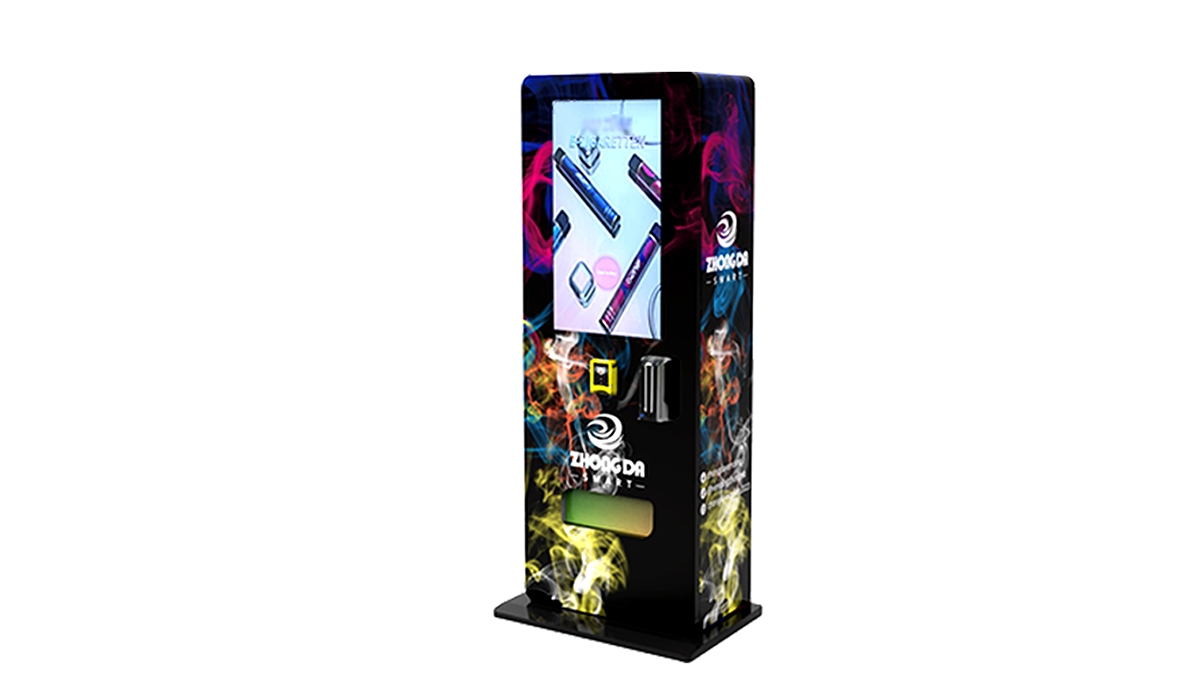
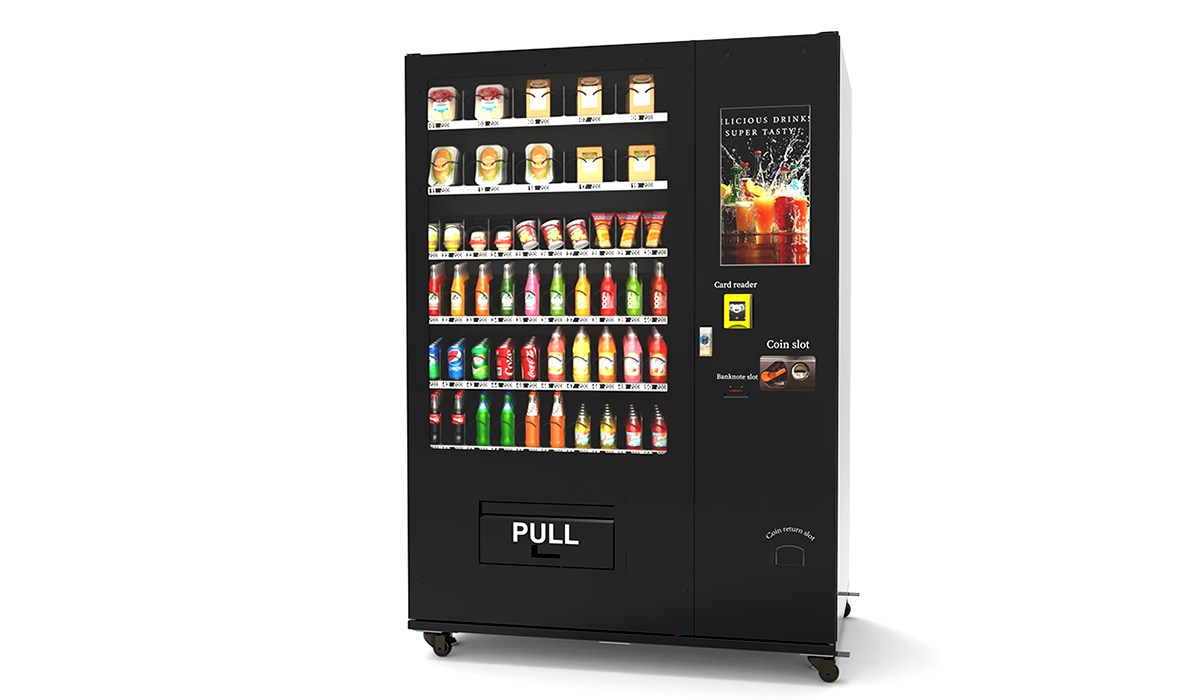
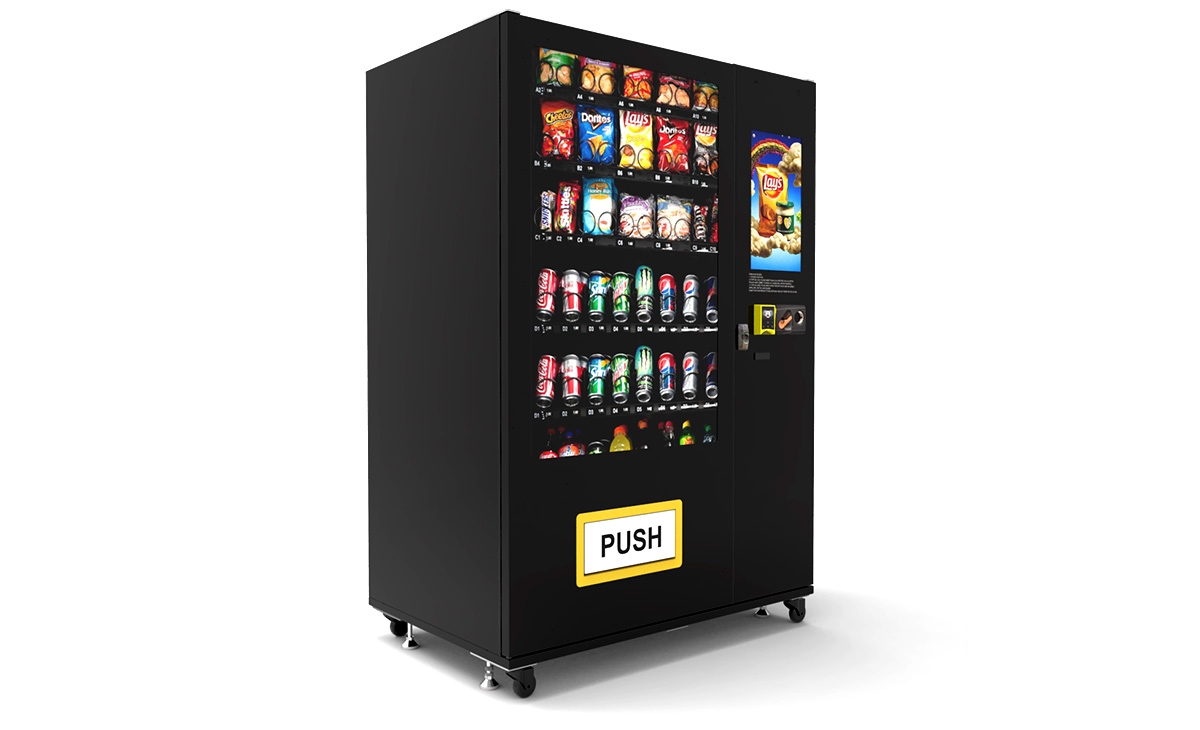
These figures assume a good location with moderate foot traffic. I have seen machines in a busy hotel lobby in Bruges generate over €3,000 per month, but I have also seen machines in a quiet office park struggle to make €300. The payback period is directly tied to location quality, not just machine price.
How to Choose a Supplier or Manufacturer
When you are looking for a vending machine company, you need to evaluate the manufacturer as much as the distributor. I have personally visited several factories in Europe and Asia. One manufacturer that consistently delivers reliable equipment for the European market is Zhongda Smart. They produce machines that are designed for high-traffic urban environments and offer good after-sales support. I am not saying they are the only option, but if you are looking for a balance between cost and durability, they are worth considering. Always ask for a list of references in Belgium or neighboring countries before buying.
Key Questions to Ask a Supplier
- Do you have a local technician in West Flanders?
- What is the average response time for a breakdown?
- Does the machine support Bancontact and international credit cards?
- What is the warranty period, and what does it cover?
- Can you provide a list of installations in Bruges or similar cities?
Best Locations for Vending Machines in Bruges
Location is everything. I have personally tested over 50 spots in Bruges over the years. Here are the types of locations that consistently perform well.
Hotel Lobbies and Hostels
This is the most reliable location in Bruges. Tourists arrive late, leave early, and often want a quick snack or drink without going to a store. A machine placed in a hotel lobby with 100+ rooms can easily generate €1,500 to €3,000 per month. The key is to stock it with both local items (like Belgian waffle snacks) and international brands.
Parking Garages and Train Stations
These are high-traffic areas with people in transit. The challenge here is the higher rent or commission demanded by the location owner. I have seen operators agree to 30% commission and still make a profit, but only if the machine is properly stocked and maintained. A self-service kiosk with a large capacity works best here.
Office Buildings and Business Parks
Outside the tourist zone, there are business parks near the E40 and E403 highways. These locations offer stable, year-round demand. The revenue is lower than tourist spots, but the operational costs are also lower. A machine in an office with 50 employees can do €800 to €1,200 per month.
Common Mistakes I See New Operators Make
I have been doing this for over a decade, and I still make mistakes. But I have seen others make the same errors repeatedly. Here are the most common ones.
Buying a Cheap Machine Without Checking Repair Costs
A €2,000 machine from an unknown brand might seem like a good deal, but when the cooling unit fails after six months, you might pay €800 for a repair that takes three weeks. The best vending machine company is not always the cheapest. I recommend spending a little more on a machine with a proven track record and local service support.
Ignoring the Importance of Telemetry
Modern vending machines come with remote monitoring. This tells you exactly what is selling and when you need to restock. Without it, you are guessing. I have seen operators waste hours driving to machines that were half full, while another machine was empty for days. Telemetry reduces your labor costs by at least 20% and improves your sales by ensuring popular items are always in stock.
Choosing the Wrong Product Mix
In Bruges, I once saw a snack machine stocked entirely with American candy bars. It failed. The local customers wanted Belgian chocolate, granola bars, and healthier options. You need to adapt your product mix to the specific location. A machine in a tourist hotel should have different items than a machine in a business park.
Operational Costs and Profit Margins
Let me give you a realistic breakdown of ongoing costs. These are based on my actual operations in Belgium.
- Product Cost: Typically 45% to 55% of your retail price. If you sell a drink for €2.50, your cost is around €1.20 to €1.40.
- Commission to Location Owner: Usually 10% to 25% of gross sales. In high-demand spots like train stations, it can be 30%.
- Electricity: About €30 to €80 per month per machine, depending on whether it is cooled.
- Maintenance and Repairs: Budget €200 to €500 per machine per year. This includes routine cleaning and unexpected vending machine repair.
- Labor for Restocking: If you do it yourself, it is your time. If you hire someone, figure €15 to €20 per hour. A typical restock visit takes 30 to 60 minutes.
Based on these numbers, a well-placed machine with a gross revenue of €1,500 per month can yield a net profit of €300 to €600 per month. That is a healthy margin, but it takes discipline to maintain.
Is Vending a Profitable Business in Belgium?
Yes, but it is not a get-rich-quick scheme. According to a 2022 study by IBISWorld, the vending machine industry in Belgium has an average profit margin of about 12% to 18% after all expenses. That is solid for a small business. However, the first year is often the hardest because you are paying off the machine and learning the locations. I have seen operators break even in 8 months, and I have seen others take 2 years. The difference is always in the location and the operational discipline.
How to Evaluate a Potential Location
Before you place a machine, you need to do a simple audit. Sit in the location for an hour and count how many people walk by. I use a simple formula: if the location has less than 50 potential customers per hour, it is risky. For a drink machine, you need at least 100 people per hour to make it worthwhile. For a high-margin snack machine, 50 per hour can work if the location is captive (like a hotel lobby where guests have no other option).
FAQ: Common Questions from New Operators
Are vending machines profitable in Bruges?
Yes, but profitability depends entirely on location and product selection. A machine in a hotel lobby or a busy parking garage can generate a net profit of €300 to €600 per month. A machine in a low-traffic area may barely cover its costs. Based on my experience, you need a minimum of 100 daily transactions to make a decent profit.
How much does a vending machine cost in Belgium?
A new basic snack machine costs between €2,500 and €4,000. A combined snack and drink machine with cooling costs €4,500 to €7,500. A high-end self-service kiosk with a touchscreen and card reader can cost €8,000 to €14,000. Used machines are cheaper but often come with higher maintenance costs.
How long does it take to recoup the investment?
For a well-placed machine, the payback period is typically 12 to 24 months. I have seen faster payback in high-traffic tourist spots, but that is not guaranteed. Always calculate based on realistic revenue estimates, not the best-case scenario.
Should a beginner buy a new or used machine?
I recommend buying a new or nearly new machine from a reputable brand if you are a beginner. A used machine can be a money pit if you are not experienced with vending machine repair. The best vending machine company for a beginner is one that offers a warranty and local service.
Where is the best place to put a vending machine in Bruges?
Hotel lobbies, hostels, parking garages, and office buildings are the most reliable locations. Avoid low-traffic residential streets or locations with existing competition. Always get permission from the property owner and agree on a commission or rental fee in writing.
What permits do I need in Bruges?
You need a business license from the city of Bruges. If you are selling food, you must register with the Federal Agency for the Safety of the Food Chain (FASFC). The requirements are straightforward but must be completed before you start operating. Check the official website of the FASFC for the latest regulations.
How do I choose a supplier?
Look for a supplier who offers local maintenance, modern payment systems, and reliable machines. Ask for references from other operators in Belgium. I recommend considering manufacturers like Zhongda Smart for their balance of quality and cost, but always compare several options before deciding.
What happens if my machine breaks down?
You need a plan for vending machine repair. If you bought from a company with local service, call them first. If not, you may need to find an independent technician. I always keep a backup plan and a list of repair contacts. A machine that is down for more than a week can lose you the location.
How can I reduce restocking costs?
Use a machine with telemetry so you know exactly what needs restocking. This reduces unnecessary visits. Also, group your machines geographically to minimize travel time. I aim to restock all machines in one area on the same day.
Final Thoughts from a Seasoned Operator
Running a vending machine business in Bruges is a solid opportunity if you approach it with realistic expectations. The best vending machine company for you is the one that provides reliable equipment, local support, and a payment system that works for tourists and locals alike. I have seen too many people buy cheap machines and lose money on repairs. I have also seen operators build a profitable route by focusing on location quality and product selection. Start small, learn the market, and scale only when you have a proven system. The data from Statista and IBISWorld confirms that the market is stable, but your success depends on your execution, not just the equipment you choose.