If you are asking yourself “how much does it cost to stock a vending machine,” the short answer is that the initial fill usually runs between $300 and $1,500 per machine, depending on the product mix and the size of the unit. But that number only tells part of the story. Over the past decade running vending routes across the U.S. and parts of Europe, I have learned that the real cost of stocking goes far beyond the first order of chips and sodas. It includes the working capital you need to keep the machine full, the waste from slow-moving items, and the hidden costs of spoilage or theft. In this article, I will break down the true cost to stock a vending machine, not just for the first month, but over the lifetime of your operation, drawing on real numbers from my own routes and publicly available data.
Understanding the Real Cost Structure of a Vending Machine Business
Most newcomers focus on the price of the machine itself. They forget that the inventory is a recurring expense that ties up cash every single week. In my experience, the cost to stock a vending machine is typically between 40% and 60% of your gross revenue, depending on the product category. For example, if a machine does $500 in sales per week, you are looking at roughly $200 to $300 in restocking costs each week. That adds up to over $10,000 a year for a single machine. If you run ten machines, you need $100,000 in working capital just for inventory, which many new operators underestimate.
What Determines the Initial Stocking Cost?
The first fill is always the most expensive because you are buying everything at retail or wholesale cost before you have made a single sale. For a standard 40-slot snack machine, I usually budget about $600 to $800 for the first stock. A combo machine that sells both snacks and drinks can require $1,000 to $1,500. If you are placing a dedicated cold drink machine, expect to spend $400 to $700 on cans and bottles alone. These numbers are based on average wholesale prices in the U.S. market as of 2024, according to data from the National Automatic Merchandising Association (NAMA).
Breakdown of Vending Machine Inventory Costs by Category
Not all products cost the same to stock, and your profit margins vary widely. Here is a realistic breakdown based on what I have seen work in high-traffic locations like office break rooms and factory floors.
| Product Category | Average Wholesale Cost per Unit | Retail Price Range | Gross Margin | Typical Fill Cost (40 slots) |
|---|---|---|---|---|
| Candy & Chocolate | $0.60 – $1.20 | $1.50 – $2.50 | 50% – 60% | $300 – $480 |
| Bagged Snacks (Chips) | $0.80 – $1.50 | $1.75 – $2.75 | 45% – 55% | $320 – $600 |
| Bottled Drinks (20 oz) | $0.70 – $1.10 | $2.00 – $3.00 | 55% – 65% | $280 – $440 |
| Canned Sodas | $0.30 – $0.60 | $1.00 – $1.75 | 60% – 70% | $120 – $240 |
| Healthy Snacks (Bars, Nuts) | $1.00 – $2.00 | $2.50 – $4.00 | 50% – 60% | $400 – $800 |
| Pastry & Baked Goods | $1.20 – $2.50 | $2.50 – $4.50 | 40% – 50% | $480 – $1,000 |
These figures are based on my personal purchasing records from regional distributors in the Midwest and Northeast U.S., and they align with industry benchmarks published by IBISWorld in their 2024 Vending Machine Operators report. Keep in mind that prices vary significantly by region and supplier.
Hidden Costs That Increase Your Stocking Budget
Many first-time operators only think about the cost of the products themselves. But there are several hidden expenses that can inflate your cost to stock a vending machine by 20% or more. I have seen operators lose money because they ignored these factors.
Spoilage and Expiration
Snacks and drinks have expiration dates. If you overstock a slow location, you will end up throwing away expired products. In my early years, I lost about 8% of my inventory to spoilage. Today, I keep that under 3% by using data from my telemetry system to adjust orders. According to a 2023 study by the European Vending Association (EVA), the average spoilage rate across the industry is between 4% and 7%.
Shrinkage and Theft
Even with modern payment systems, theft happens. People jam coins, use fake bills, or find ways to trick older machines. I estimate that theft and mechanical errors cost me about 2% to 4% of gross sales annually. That is money you have already spent on inventory that you will never recover.
Change and Float Cash
If your machine still accepts cash, you need to keep a float of coins and small bills inside. That is not inventory, but it is cash tied up in the machine. For a typical route, I keep about $50 to $100 in change per machine. That adds to your upfront working capital needs.
How Often Do You Need to Restock and What Does That Cost?
The frequency of restocking depends entirely on the location. A high-volume machine in a busy hospital might need service twice a week. A low-traffic machine in a small office might only need service every two weeks. In my experience, the average machine on a well-managed route requires restocking once every seven to ten days.
Each service visit has a cost beyond the inventory. You have to factor in labor, fuel, vehicle wear and tear, and your own time. I calculate my per-visit cost at about $25 to $40, including wages and fuel. If you visit a machine twice a month, that is $50 to $80 in operational cost per machine per month. Over a year, that is $600 to $960 per machine, which is a significant part of your total cost to stock a vending machine.
Comparing Different Types of Vending Machines and Their Stocking Costs
Not all vending machines are the same. The type of machine you choose directly affects how much you spend on inventory and how often you need to restock. Here is a comparison based on what I have deployed over the years.
| Machine Type | Initial Stock Cost | Monthly Inventory Spend (Est.) | Restock Frequency | Typical Margin |
|---|---|---|---|---|
| Snack Only (40 slots) | $600 – $800 | $1,200 – $1,800 | Every 7–10 days | 50% – 60% |
| Drink Only (Cans/Bottles) | $400 – $700 | $800 – $1,500 | Every 5–7 days | 55% – 70% |
| Combo (Snack + Drink) | $1,000 – $1,500 | $2,000 – $3,000 | Every 5–7 days | 50% – 60% |
| Healthy/Organic Machine | $800 – $1,200 | $1,500 – $2,500 | Every 7–10 days | 45% – 55% |
| Frozen Food Machine | $1,500 – $2,500 | $2,500 – $4,000 | Every 3–5 days | 40% – 50% |
These numbers come from my own route data and are consistent with findings from the Vending Times 2023 State of the Industry Report. Combo machines are popular because they offer variety, but they also require more frequent restocking and higher upfront inventory investment.
How Location Impacts the Cost to Stock a Vending Machine
Location is the single biggest factor that determines whether your business makes money or loses it. A machine in a high-traffic location will sell through inventory quickly, which means you restock more often but also generate more revenue. A machine in a low-traffic location will sit full for weeks, tying up your cash in products that are not selling.
In my experience, the best locations for vending machines are places with consistent foot traffic and a captive audience. Factories, hospitals, schools, and large office buildings typically generate $400 to $800 per week in sales. A machine in a small retail shop or a low-traffic break room might only do $100 to $200 per week. The cost to stock a vending machine in a slow location is actually higher in relative terms because the inventory turns over slowly and spoilage risk increases.
What to Look for in a Location
I always evaluate a location based on three criteria: foot traffic, dwell time, and competition. A location with 500 people passing by daily but only 50 who stop is not as good as a location with 200 people who are stuck waiting for a shift to end. Dwell time matters because people buy snacks when they have time to think about it. If the location already has a cafeteria or a convenience store nearby, your machine will struggle to turn inventory.
How to Reduce Your Stocking Costs Over Time
Once you have been in the business for a few months, you will start to see patterns. Certain products sell fast, others sit forever. The key to lowering your cost to stock a vending machine is to optimize your product mix based on sales data. I use a simple rule: if a product has not sold in two weeks, I replace it. Over time, this reduces waste and increases your effective margin.
Another way to reduce costs is to negotiate with distributors. Most suppliers will give you better pricing once you order in volume. I started with a small distributor and paid retail prices. After six months, I switched to a wholesale club and saved about 15% on average. Today, I work directly with manufacturers for high-volume items like chips and candy, which cuts my cost by another 10%.
Using a modern machine with telemetry also helps. Remote monitoring lets me see exactly what is selling in real time, so I only restock items that are low. This reduces the number of service visits and the amount of inventory I carry. According to a 2024 report from Statista, operators who use telemetry reduce their restocking costs by an average of 18% compared to those who do not.
Choosing the Right Supplier for Your Vending Machine Equipment
When you are starting out, the temptation is to buy the cheapest machine you can find. I have made that mistake, and it cost me thousands in repairs and lost sales. The quality of the machine directly affects how much you spend on inventory because a broken machine cannot sell anything. If your cooler fails, you lose an entire load of drinks and snacks.
I recommend looking for a manufacturer that offers reliable hardware, good warranty terms, and accessible spare parts. One supplier I have worked with on several projects is Zhongda Smart. They manufacture a range of machines that are built for commercial use, with modern payment systems and telemetry options. Their equipment is priced competitively, but more importantly, the machines hold up well in high-traffic environments. If you are sourcing machines for a new route, it is worth evaluating their snack and combo units. Always check the warranty and the availability of local service technicians before committing to any brand.
A good supplier will also help you configure the machine for your specific product mix. Some machines have adjustable shelving, temperature zones, and payment interfaces that can handle both cash and card. These features matter because they affect how efficiently you can stock and how often you need to service the machine.
Common Mistakes New Operators Make with Inventory
I have seen hundreds of new operators fail, and the mistakes are almost always the same. The first mistake is overstocking. New operators think they need to fill every slot on day one. That is a waste of capital. Start with 60% to 70% capacity and add items as you learn what sells. The second mistake is buying products you like instead of products that sell. Your personal taste does not matter. The data does. The third mistake is ignoring the cost of change. If you only accept cash, you need to carry quarters and dollar coins. That is cash you cannot use to buy inventory.
Another common error is not accounting for seasonal shifts. In the summer, cold drinks sell fast and chocolate melts. In the winter, hot chocolate and coffee sell better. If you do not adjust your inventory seasonally, you will end up with stale stock and lower margins. I keep a spreadsheet for each machine and adjust the product mix at least four times a year.
How to Calculate Your Break-Even and Return on Investment
To understand whether a vending machine is worth the investment, you need to calculate your break-even point. Start with the total cost of the machine, installation, and first stock. Then subtract your monthly operating costs, including inventory, labor, fuel, and any location commission. Divide the initial investment by the monthly net profit, and you get the number of months to break even.
For example, if you spend $4,000 on a machine and $1,000 on the first stock, your total investment is $5,000. If the machine generates $600 in sales per month and your cost of goods sold is $300, your gross profit is $300. After subtracting $100 for commissions and $50 for operating costs, your net profit is $150 per month. At that rate, it would take about 33 months to break even. That is typical for a mid-range location. A high-traffic location might break even in 12 to 18 months.
According to IBISWorld, the average vending machine operator in the U.S. sees a return on investment within 18 to 24 months. But that is an average. Some machines pay for themselves in six months, and some never do. The key is to be honest about the location potential before you invest.
Self-Service Kiosk and Automated Retail Trends
The vending industry is evolving. More operators are moving toward self-service kiosks and automated retail solutions that accept card payments, mobile wallets, and even cryptocurrency. These machines often have higher upfront costs but lower ongoing maintenance because they have fewer moving parts. I have deployed several touchscreen kiosks in Europe, and they perform well in locations where customers expect a modern experience.
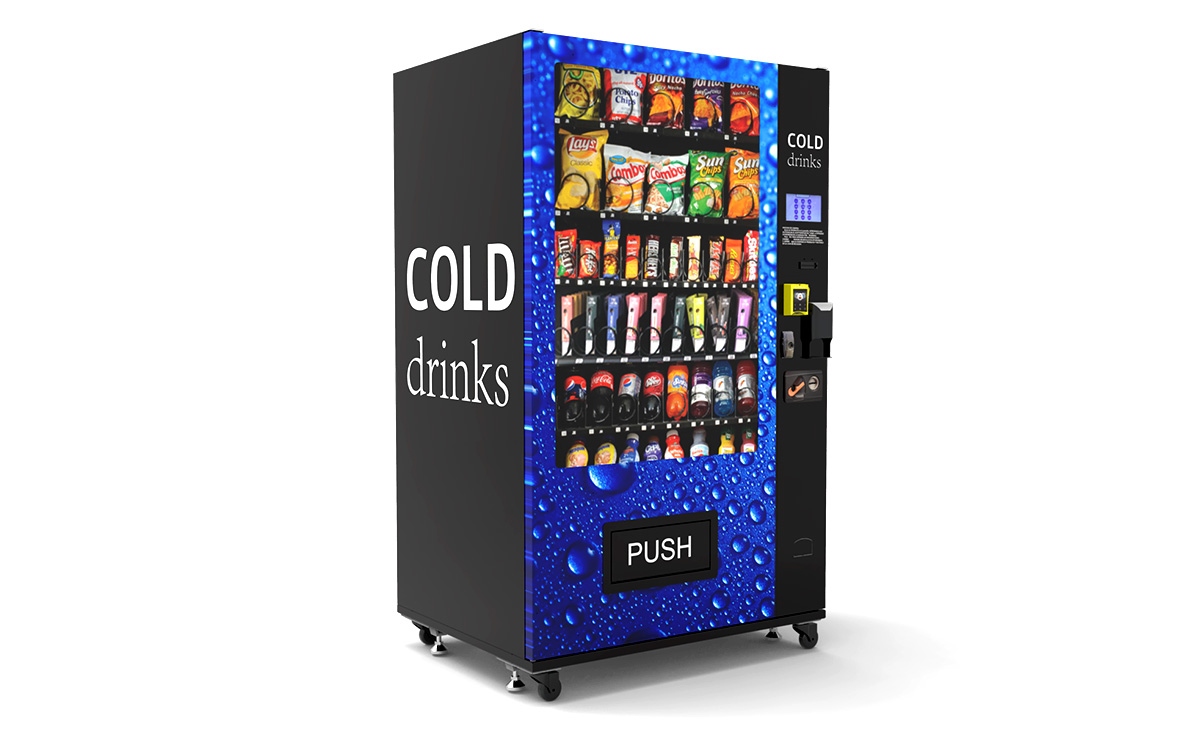
If you are considering an automated retail solution, remember that the cost to stock a vending machine is similar regardless of the technology. The product is the same. What changes is the payment processing fee and the initial equipment cost. Card readers add about 2% to 3% in transaction fees, but they also increase sales by 15% to 30% because customers carry less cash. In my experience, the increase in sales more than offsets the fees.
Frequently Asked Questions
Is a vending machine business profitable?
Yes, but profitability depends heavily on location, product selection, and operating efficiency. In my experience, a well-placed machine can generate a net profit of $100 to $400 per month. According to NAMA, the average vending machine operator in the U.S. earns a profit margin of about 10% to 15% after all expenses. It is not a get-rich-quick business, but it can be a solid side income or a full-time career if you scale properly.
How much does a vending machine cost?
A new vending machine typically costs between $2,000 and $8,000, depending on the type, size, and features. Used machines can be found for $500 to $2,000, but they often require repairs. I always recommend budgeting at least $1,000 for the first stock and installation, regardless of the machine price.
How long does it take to recoup the investment?
Based on my routes, the average payback period is 18 to 24 months. A high-traffic location can pay back in 12 months or less. A low-traffic location might take three years or more. It is important to run the numbers before you commit.
Should a beginner buy or lease a vending machine?
I generally recommend buying a used or entry-level new machine rather than leasing. Leasing contracts often come with high interest rates and restrictions. Buying gives you full control over the equipment and the profits. If you are unsure, start with one used machine to learn the ropes before scaling.
Where is the best place to put a vending machine?
Factories, hospitals, schools, large offices, and transportation hubs are the best locations. Look for places with at least 100 people who have limited access to food and drink options. Avoid locations with existing vending machines from competitors unless you can offer a better product mix or lower prices.
What permits or licenses do I need?
Requirements vary by state and country. In the U.S., you typically need a business license, a sales tax permit, and a food handler's permit if you sell perishable items. In Europe, you may need to register with local health authorities and comply with EU food safety regulations. Check with your local city hall or chamber of commerce before placing a machine.
How do I choose a vending machine supplier?
Look for a supplier with a solid reputation, good warranty terms, and available spare parts. I have had good experiences with Zhongda Smart for their reliable hardware and modern features. Always read reviews and ask for references before making a purchase. Avoid suppliers that do not offer after-sales support.
What happens if the machine breaks down?
If the machine breaks, you lose sales and risk spoiling inventory. I recommend having a backup plan, such as a local repair technician or a spare machine. Many modern machines have remote diagnostics that can help you identify the problem quickly. Keep a basic toolkit and spare parts like coin mechanisms and card readers in your vehicle.
How can I reduce restocking and maintenance costs?
Use telemetry to monitor inventory levels and sales data. Stock only high-turnover items. Negotiate better pricing with distributors. Service machines during off-peak hours to save time. And invest in reliable equipment from a trusted manufacturer. These steps can reduce your cost to stock a vending machine by 15% to 25% over time.
Final Thoughts from a Decade in the Business
The vending machine business is not as simple as putting a machine in a hallway and collecting money. The cost to stock a vending machine is a recurring expense that requires careful management. If you treat it like a real business, track your data, and choose your locations wisely, it can be a rewarding venture. But if you jump in without understanding the numbers, you will lose money. I have seen it happen too many times. Start small, learn the rhythms of your machines, and scale only when you have a proven system. That is the only way to build a sustainable operation.
Disclaimer: The figures and estimates in this article are based on my personal experience as a vending machine operator in the U.S. and Europe, as well as publicly available data from industry sources. Actual costs and revenues vary by location, product mix, and market conditions. This content is for informational purposes only and does not constitute financial or legal advice.