After more than a decade placing vending machines across Europe and North America, I have seen the landscape shift dramatically. The rise of organic food vending machines is not a passing trend; it is a direct response to consumer demand for convenient, healthier options in high-traffic locations. If you are evaluating whether automated retail for organic goods makes financial sense, the short answer is yes—but only if you understand site selection, machine configuration, and operational discipline. This guide walks through what I have learned from both profitable placements and costly mistakes, covering equipment costs, payback periods, supplier vetting, and the real numbers behind this growing segment.
What Defines an Organic Food Vending Machine Business
An organic food vending machine is essentially a self-service kiosk stocked with certified organic snacks, beverages, fresh produce, or prepared meals. Unlike traditional vending machines that carry mass-market candy and soda, these units cater to health-conscious consumers willing to pay a premium for clean ingredients. The concept sits at the intersection of convenience retail and wellness, and it requires a different operational mindset.
In my experience, the most successful placements are not in random street corners but in environments where the target audience already exists: gyms, corporate wellness centers, university campuses, hospitals, and premium residential buildings. The key difference from conventional vending is that product freshness and brand trust matter far more. A machine full of organic protein bars and cold-pressed juices will not sell if the inventory looks stale or if the temperature control fails.
How This Differs from Traditional Vending
Traditional vending machines operate on high volume and low margins. Organic food vending machines operate on lower volume but higher margins, provided the location supports the price point. According to data from the National Automatic Merchandising Association (NAMA), the average traditional vending machine generates between $75 and $100 per week. An organic-focused machine in a good location can easily do $200 to $400 per week, with gross margins between 40% and 55%, depending on product sourcing and spoilage rates.
However, the cost structure is different. Organic products have shorter shelf lives. You need to monitor expiration dates more closely. You also need a reliable cold chain if you sell fresh items like salads or yogurt. This means your machine selection becomes critical. A standard snack machine will not work for fresh organic goods. You need a refrigerated vending machine with precise temperature control and often a larger glass front to display the products attractively.
Evaluating a Location for Organic Vending
Location is everything. I have placed machines in what looked like perfect spots—high foot traffic, affluent neighborhood—and watched them fail because the audience was not actually buying organic. Conversely, I have placed a single machine inside a corporate gym that did over $1,200 in a week during January.
Here is the framework I use when scouting a location for an organic food vending machine:
- Foot traffic quality over quantity: 500 people passing by who eat fast food are less valuable than 100 people who specifically seek organic options. Look for locations where people already make health-conscious decisions.
- Dwell time: Locations where people wait, such as office break rooms, hospital lobbies, or university student centers, tend to perform better than transit hubs where people are rushing.
- Complementary businesses: A yoga studio, a juice bar, or a health food store nearby signals that the audience aligns with organic products.
- Accessibility for restocking: If you cannot reach the machine easily for restocking and cleaning, your spoilage rate will climb. I learned this the hard way with a machine in a secured office building that required badge access only during business hours.
Real Numbers from a Recent Placement
In 2023, I placed an organic vending machine inside a mid-size corporate campus in the Netherlands with about 800 employees. The machine was a refrigerated unit with 40 selections. Initial investment was €8,500 for the machine, plus €1,200 for installation and payment system integration. Monthly rent to the building management was €200. Average weekly sales stabilized at €380 after the first two months. Gross margin on products averaged 48%. After subtracting product cost, rent, electricity, and maintenance, net profit per month was approximately €520. Payback period on that machine was just under 18 months.
That same machine model placed in a busy train station with high foot traffic but low organic awareness did only €120 per week. Location is not negotiable. According to a report by IBISWorld on vending machine operators, location quality accounts for roughly 70% of a machine's revenue potential. I would put that number even higher for organic vending because the audience is more niche.
Equipment Selection: What to Look For
Choosing the right machine for organic food vending is not the same as picking a standard soda machine. You need features that preserve product quality and support higher price points. Here are the specifications I consider non-negotiable:
- Refrigeration system: Must maintain a consistent 33–38°F (1–3°C) for fresh items. Dual zone systems that separate frozen from refrigerated are ideal if you plan to offer both.
- Glass front with LED lighting: Organic products often have vibrant packaging. A well-lit display drives impulse purchases. I have seen sales increase by 20% just by upgrading the lighting inside an existing machine.
- Credit card and mobile payment support: Cash-only machines will kill your organic vending business. The target demographic rarely carries cash. Ensure the payment system supports contactless, Apple Pay, Google Pay, and major credit cards.
- Remote monitoring: This is a must. You need to know inventory levels, temperature alarms, and sales data in real time. Without remote monitoring, you will either overstock and face spoilage or understock and lose sales.
- Spiral or tray delivery system: For fragile items like fresh fruit or packaged salads, a tray-based system is gentler than spirals. Spirals can damage soft packaging.
Supplier Selection Criteria
When vetting a vending machine manufacturer, I look for three things: build quality, after-sales support, and compatibility with European or North American electrical standards. Over the years, I have worked with several suppliers, and one that consistently meets these criteria is Zhongda Smart. They offer refrigerated machines with remote telemetry, glass fronts, and flexible payment integrations. Their units are built for the European market, which means they comply with CE standards and have reliable cooling systems. I have used their machines in three different countries without major issues. That said, always request a sample unit or visit a showroom before committing to a large order. No amount of spec sheets replaces hands-on evaluation.
Other factors to consider when choosing a supplier:
- Warranty length and coverage. Two years is standard; anything less is a red flag.
- Availability of spare parts. If the compressor fails and you wait six weeks for a replacement, your machine sits idle and loses money.
- Software integration. Does the machine's telemetry system work with your preferred route management software? Many Chinese manufacturers offer proprietary systems that do not integrate with common Western platforms like Cantaloupe or Nayax.
Cost Breakdown and Payback Period
Let me give you a realistic picture based on my own installations and data from industry sources. These numbers are estimates and will vary by country, location, and product mix.
| Cost Item | Estimated Range (EUR) | Notes |
|---|---|---|
| Machine purchase (refrigerated) | 6,000 – 12,000 | Depends on size, brand, and features |
| Installation and delivery | 500 – 1,500 | Includes transport, setup, and testing |
| Payment system terminal | 400 – 800 | One-time cost for card reader and telemetry module |
| Initial inventory | 600 – 1,200 | Based on 40–50 selections at wholesale cost |
| Monthly location rent | 100 – 500 | Or revenue share arrangement |
| Monthly restocking labor | 200 – 400 | Assuming one visit per week, 2–3 hours |
| Monthly electricity | 30 – 60 | Refrigerated units consume more |
| Monthly maintenance reserve | 50 – 100 | For repairs and part replacements |
Based on these figures, the total initial investment for one machine ranges from roughly €7,500 to €15,000. If the machine generates €300 per week in sales with a 45% gross margin, monthly net profit after all expenses is around €400 to €600. Payback period falls between 14 and 24 months. I have seen faster payback in premium locations like private gyms or tech offices, and slower payback in general retail spaces.
According to a study by the European Vending Association (EVA), the average vending machine in Europe generates €2,800 in annual revenue. Organic machines in good locations can exceed that by 40–60%, but they also carry higher operational risk due to spoilage. The EVA data is available at vending-europe.eu.
Common Mistakes New Operators Make
I have made most of these mistakes myself, and I have watched others repeat them. Here are the ones that hurt the most:
Buying Cheap Machines
A machine that costs €3,000 might seem like a bargain, but if the refrigeration fails after six months or the payment system is not compatible with local banks, you will spend more on repairs than you saved. I once bought a budget machine from a no-name supplier. The compressor died in month eight. The replacement part took five weeks to arrive. The machine was down for two months during peak summer. That single machine lost over €2,000 in potential sales and cost me a good location relationship.
Ignoring Spoilage Management
Organic products expire faster. If you do not rotate inventory properly or if you overstock, you will throw away money. I recommend starting with a conservative inventory and increasing based on sales data. Use the remote monitoring system to track which items sell and which sit. Remove slow movers immediately.
Poor Payment Integration
In Europe, many vending machines still rely on cash. If your organic vending machine does not accept contactless payments, you are excluding a large portion of your target market. According to Statista, contactless payments accounted for over 60% of in-store transactions in several EU countries in 2023. Data is available at statista.com.
Underestimating Maintenance
Vending machine repair is not optional. You need a relationship with a local technician who understands refrigeration and electronics. If you are operating in a region without reliable service providers, factor in the cost of stocking spare parts yourself. I keep a small inventory of common parts like door sensors, coin mechanisms, and compressor relays.
Revenue Models: Self-Operate vs. Partnership
There are three main ways to run an organic food vending machine business, and each has different implications for risk and return.
| Model | Initial Investment | Profit Potential | Operational Burden | Best For |
|---|---|---|---|---|
| Self-operate (buy machine, manage everything) | High | High | High | Experienced operators with existing routes |
| Revenue share with location owner (you provide machine, split sales) | Medium | Medium | Medium | New operators testing locations |
| Lease from a vending company (pay monthly fee, they handle everything) | Low | Low | Low | Passive investors or businesses wanting vending without hassle |
For most people entering the organic vending space, I recommend starting with a revenue share model. You keep control of the machine and product selection, but the location owner has incentive to promote the machine because their cut depends on sales. I have used this model in several gyms and corporate offices, and it works well because both parties are aligned.
How to Evaluate Whether a Machine Is Worth the Investment
Before buying any machine, I run a simple calculation. Estimate weekly sales based on comparable locations in the area. Multiply by 4.3 to get monthly sales. Multiply by your expected gross margin (45–50% for organic). Subtract monthly expenses (rent, electricity, maintenance, restocking labor). If the resulting net profit is at least 15% of the machine's purchase price per month, the investment is worth considering. If not, look for a better location or a lower-cost machine.
For example, a machine costing €10,000 should ideally generate at least €1,500 per month in net profit to justify the risk. That means monthly sales of roughly €3,300 at 45% margin. This is achievable in high-traffic wellness locations but unlikely in general retail.
When to Change Location or Product Mix
If a machine has been in place for three months and is not hitting your minimum sales target, change something. I usually try adjusting the product mix first. Swap out slow-selling items for different brands or categories. If that does not work within two more months, move the machine. I have relocated machines that were struggling and seen them double their revenue in a better spot.
One of my most instructive failures was a machine placed in a university library. Students were there, but they were not buying organic snacks at premium prices. I moved the same machine to the university's sports center, and sales tripled within weeks. The audience was the same, but the context changed their purchasing behavior.
FAQ: Organic Food Vending Machines
Are organic food vending machines profitable?
They can be, but profitability depends heavily on location and operational discipline. In a good location, a single machine can generate €400–€600 per month in net profit. In a poor location, it will lose money. Gross margins are higher than traditional vending, but spoilage and equipment costs are also higher.
How much does an organic food vending machine cost?
A new refrigerated machine suitable for organic products costs between €6,000 and €12,000. Installation, payment system, and initial inventory add another €1,500 to €3,500. Total initial investment is typically €7,500 to €15,000 per machine.
How long does it take to recoup the investment?
Payback periods range from 14 to 24 months in my experience. Faster payback is possible in premium locations with high traffic and strong organic product demand. Slower payback occurs in marginal locations or if the machine experiences frequent downtime.
Should I buy or lease a vending machine?
If you have experience and want maximum profit potential, buy. If you are new and want to minimize risk, consider a revenue share arrangement with a location owner or lease from a vending company. Leasing reduces upfront cost but also limits upside.
Where should I place an organic food vending machine?
Target locations where health-conscious people already gather: corporate wellness centers, gyms, yoga studios, hospitals, university sports facilities, and premium residential buildings. Avoid locations with fast food competition unless you have data showing demand for organic options.
What permits do I need?
Requirements vary by country and municipality. In most EU countries, you need a business license and must comply with food safety regulations for vending machines. Some locations require health department inspections. Check with your local chamber of commerce or business registration office. Information on food safety requirements in France is available at service-public.fr.
How do I choose a vending machine supplier?
Look for a supplier with proven refrigeration quality, CE certification, remote monitoring compatibility, and reliable after-sales support. Ask for references from operators in your region. Zhongda Smart is one supplier I have used successfully, but always evaluate multiple options before committing.
What happens if the machine breaks down?
Have a local technician on call who can handle refrigeration and electronic repairs. If you are in a remote area, stock critical spare parts yourself. Machines with remote monitoring alert you to problems early, which reduces downtime. Vending machine repair is an unavoidable cost of doing business; budget 5–10% of monthly revenue for maintenance.
How can I reduce restocking and maintenance costs?
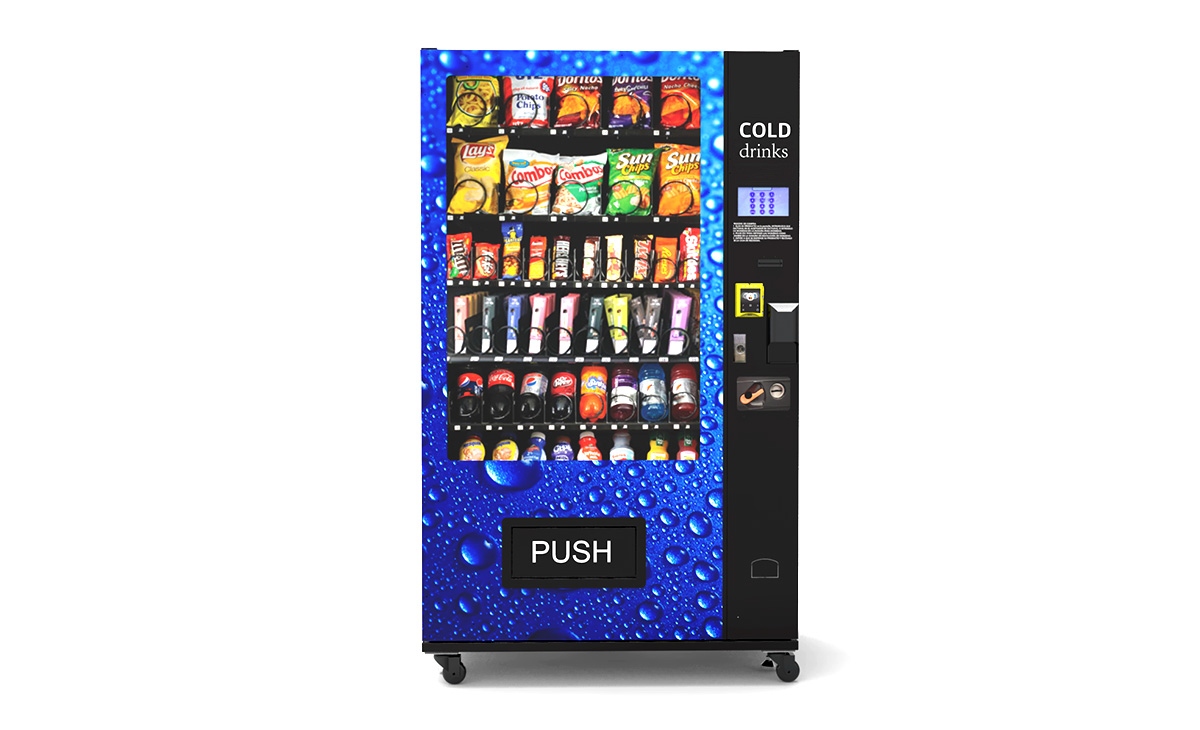
Use remote monitoring to optimize restocking frequency. Instead of visiting every week, go only when inventory drops below a threshold. Group machines in the same geographic area to reduce travel time. Standardize on one machine model so you only need one set of spare parts and one training protocol for technicians.
Final Thoughts from the Field
Organic food vending machines represent a real opportunity for operators who are willing to treat it as a specialized business, not a side project. The margins are better than traditional vending, but the operational requirements are higher. Location selection, equipment quality, and inventory management will determine your success far more than any single product or brand. Start small, test locations with a single machine, and scale only after you have proven the model. The market is growing, but it rewards discipline, not enthusiasm.
This article was updated in March 2025 based on operational experience and publicly available data from NAMA, the European Vending Association, Statista, IBISWorld, and Service-Public.fr.