After a decade in the automated retail space, I can tell you that the most common question I hear from newcomers is whether a vending machine business is actually profitable. The honest answer is that it can be, but only if you treat it like a real business rather than a passive income fantasy. I have seen too many people buy a machine, throw it in a random break room, and wonder why they are losing money. The difference between success and failure often comes down to a handful of critical factors: location selection, equipment quality, product mix, and operational discipline. In this deep dive, I will share what I have learned the hard way about vending machine business success tips strategies, so you can avoid the mistakes that cost me thousands of dollars in my early years.
Understanding the Vending Machine Business Model
At its core, a vending machine business is about convenience. You are selling small, high-margin items to people who are already in a location where they need something quickly. It is not a get-rich-quick scheme, but it can generate consistent cash flow if you understand the mechanics. The model is simple: you buy or lease a machine, stock it with products, place it in a high-traffic location, and collect the revenue. But the simplicity ends there. The real work happens in the details.
I have operated everything from snack machines in office parks to combination units in industrial warehouses. Each type of location has its own rhythm. For example, an office break room might do well with healthy snacks and coffee, while a warehouse floor is better suited for energy drinks and protein bars. The key is matching the product to the audience. I learned this after placing a machine full of organic granola bars in a construction site. It sat untouched for three weeks. That was a costly lesson in understanding your customer base.
Key Revenue Drivers in Automated Retail
Revenue in this industry is driven by three main factors: foot traffic, purchase frequency, and average transaction value. A busy location with low competition can generate strong monthly sales, but you need to calculate your break-even point carefully. I have seen single machines in high-traffic hospital lobbies generate over $2,000 per month, while similar machines in low-traffic retail corridors struggle to hit $200. The difference is not the machine; it is the environment.
Another factor often overlooked is the payment system. Modern machines need to accept credit cards, mobile payments, and contactless transactions. A study by Statista in 2023 found that over 60% of vending machine transactions in the United States are now cashless. If your machine only takes coins, you are leaving money on the table. I switched to cashless systems in 2019 and saw my average sale jump by nearly 30% because people were no longer limited by the change in their pockets.
Choosing the Right Equipment for Your Market
One of the biggest decisions you will make is selecting the machine itself. There is a wide range of options, from basic snack machines to advanced self-service kiosks that can sell electronics or fresh food. Your choice should be driven by your target location and the products you plan to sell. I have owned machines from several manufacturers, and I can tell you that build quality varies significantly.
When I started, I bought a cheap used machine to save money. That decision cost me more in repairs and lost sales than if I had invested in a reliable unit from the start. The machine broke down twice in the first three months, and each time I lost a week of sales while waiting for a technician. If you are serious about this business, you need equipment that can handle daily use without constant maintenance. I have had good experiences with machines from Zhongda Smart because their units are built with durable components and offer modern payment integration out of the box. But I always advise people to compare multiple suppliers before committing.
New vs. Used Machines: A Practical Comparison
| Factor | New Machine | Used Machine |
|---|---|---|
| Initial Cost | $3,000 – $8,000 | $1,000 – $3,000 |
| Reliability | High, with warranty | Lower, no warranty |
| Maintenance Frequency | Low for first 3–5 years | High, especially after year 2 |
| Payment System | Modern cashless included | Often outdated, needs upgrade |
| Energy Efficiency | Better, lower power bills | Older compressors use more electricity |
| Return on Investment | Slower initial payback, but lower risk | Faster payback if machine runs well, but higher risk of downtime |
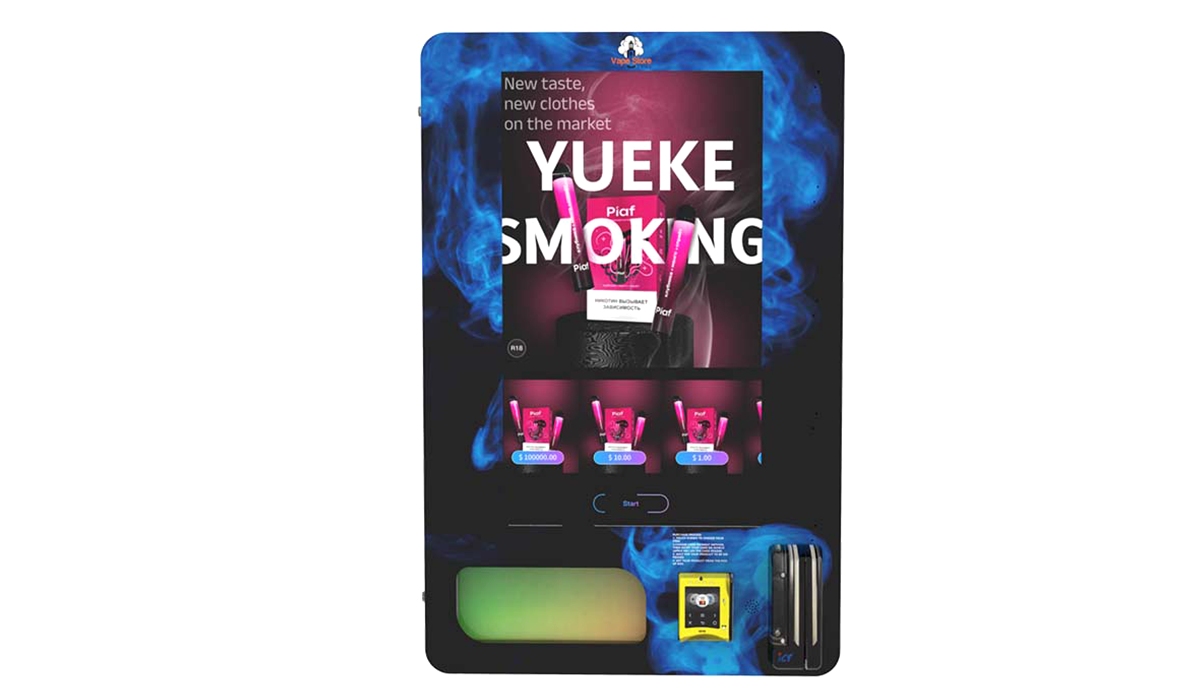
Based on my experience, a new machine is almost always the better choice if you can afford the upfront cost. The downtime on used machines can eat into your profits quickly. I have a friend who bought three used machines for a small route. Within a year, two of them needed major repairs that cost more than the machines themselves. He ended up replacing them anyway.
Location Selection: The Make-or-Break Factor
I cannot overstate the importance of location. A great machine in a bad location will fail. A mediocre machine in a great location can succeed. Over the years, I have developed a checklist for evaluating potential spots. First, I look at foot traffic. I want at least 100 people passing by per day, ideally more. Second, I assess the demographic. Are these people likely to buy what I am selling? Third, I check for competition. If there is already a vending machine or a convenience store within 100 feet, I usually pass.
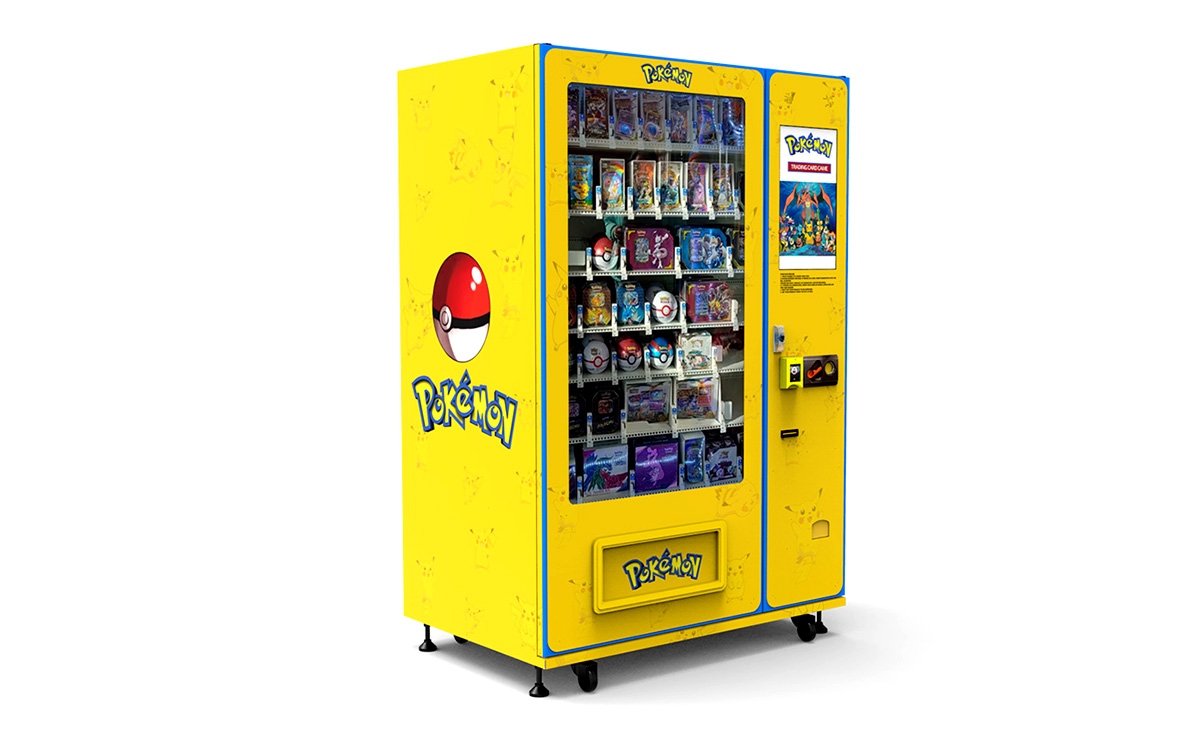
One of my best locations is a small manufacturing plant with 200 employees. The machine there does about $1,500 in sales per month because there is no cafeteria on site, and the nearest store is a 10-minute drive. The workers are captive. They need snacks and drinks during their breaks, and I am the only option. That is the ideal scenario. On the other hand, I placed a machine in a busy shopping mall once, thinking the foot traffic would guarantee sales. But the mall had multiple food outlets and other vending machines. My machine barely broke even, and I eventually moved it.
How to Approach Property Owners
Getting permission to place a machine is often easier than people think. Many business owners are open to the idea because it provides a free amenity for their employees or customers. I usually approach them with a simple proposal: I provide the machine, stock it, maintain it, and pay them a commission on sales. Typical commission rates range from 10% to 20% of gross revenue, depending on the location and the level of foot traffic. Some locations, like schools or government buildings, may require a formal contract, while others just want a handshake agreement.
I once negotiated a deal with a small gym where I paid no commission but provided free protein bars to the staff. That worked well for both sides. The key is to be flexible and understand what the property owner values. If they want a commission, offer a fair percentage. If they want a flat monthly fee, calculate whether that works with your projected sales. Never agree to a deal that leaves you with no margin.
Costs and Return on Investment
Understanding the financial side is critical. I have seen too many people jump into this business without a clear picture of the costs. Here is a breakdown based on my own operations and industry data from IBISWorld, which tracks the vending machine industry in the United States.
Initial Investment
A single machine setup, including the unit, installation, and initial stock, will typically cost between $4,000 and $10,000. This varies by machine type and features. A basic snack machine might be on the lower end, while a combination machine with a glass front and cashless payment will be higher. If you are starting with a route of three to five machines, expect to invest $15,000 to $40,000.
Monthly Operating Costs
Once the machine is running, your costs include restocking, maintenance, electricity, and location commission. For a single machine in a moderate-traffic location, I estimate monthly costs around $200 to $500. This includes about $100 for electricity, $50 for maintenance reserves, and the rest for restocking labor and product costs. If you are paying a 15% commission on $1,000 in sales, that is another $150 per month. Your gross profit margin on product sales is typically 40% to 60%, depending on what you sell. Energy drinks and candy bars have higher margins, while fresh food has lower margins but can drive higher volume.
Payback Period
Based on my experience, a well-placed machine can pay for itself in 12 to 24 months. A machine that generates $800 per month in sales with a 50% gross margin will produce $400 in gross profit per month. After operating costs of $300, you have $100 in net profit per month. That is a slow payback. But a machine doing $1,500 per month in the right location can net $400 to $500 per month, paying back in under a year. The variance is huge, which is why location is everything.
Product Selection and Pricing Strategy
What you put inside the machine matters as much as where you put it. I have learned that variety is important, but too much choice can lead to slow turnover and expired products. I usually stock a mix of top-selling items and a few unique options to test demand. For example, in an office location, I might stock 60% traditional snacks and drinks, 20% healthier options, and 20% premium items like specialty coffee or protein shakes.
Pricing is another area where beginners often make mistakes. You need to cover your costs and make a profit, but you also need to be competitive. In most locations, you can price items 20% to 40% higher than a grocery store because you are offering convenience. A can of soda that costs $0.50 at the store can sell for $1.25 in a vending machine, and people will pay it. But if you price too high, they will walk away. I have tested pricing in different locations and found that a 50-cent increase on a $1.50 item can reduce sales by 15% in price-sensitive environments.
Using Sales Data to Optimize
Modern machines with telemetry allow you to track sales in real time. This data is gold. I review my sales reports every week and adjust my product mix based on what is selling. If a particular snack is not moving, I replace it with something else. I once had a machine where a specific brand of chips was selling poorly. I swapped it for a different flavor, and sales doubled. Small changes like that add up over time. If you are not using sales data to make decisions, you are flying blind.
Maintenance and Repairs: What to Expect
No machine is perfect. Even the best units will need service eventually. Common issues include jammed coin mechanisms, faulty card readers, and refrigeration problems. I have learned to do basic repairs myself to save money. Simple fixes like clearing a jam or resetting a payment terminal take 10 minutes and cost nothing. But for major issues, like a compressor failure, you will need a professional. A service call can cost $100 to $300, plus parts. That is why I recommend setting aside a maintenance fund of at least $200 per machine per year.
One mistake I made early on was buying a machine from a manufacturer that had no local service network. When it broke down, I had to ship parts from across the country, and the machine was down for three weeks. That experience taught me to choose suppliers that offer reliable support. Zhongda Smart has a good reputation for providing spare parts and technical support, which is important if you are running a route in multiple locations. Always ask about warranty terms and parts availability before you buy.
Common Mistakes New Operators Make
I have compiled a list of the most frequent errors I see from people starting in this business. Avoiding these will save you time and money.
- Ignoring location quality: Placing a machine in a low-traffic area because the rent is cheap is a losing strategy. You cannot make money if nobody is there to buy.
- Buying cheap equipment: The initial savings are often wiped out by repair costs and lost sales. Invest in quality from the start.
- Poor product mix: Stocking items that do not match the audience is a common mistake. Do your research before filling the machine.
- Neglecting cashless payments: If your machine only takes cash, you are excluding a large portion of potential customers. Upgrade as soon as possible.
- Overlooking maintenance: A machine that is down for a week can lose a month of profit. Stay on top of repairs.
- Not tracking data: Guessing what to stock instead of using sales reports leads to waste and lower profits.
Business Models: Self-Owned vs. Lease vs. Profit Sharing
There are several ways to enter this industry. Each has its own pros and cons. Here is a quick comparison based on what I have seen work in the field.
| Model | Pros | Cons |
|---|---|---|
| Self-Owned | Full control, higher profit potential, no ongoing fees | Higher upfront cost, all risk is yours |
| Lease from Operator | Lower upfront cost, operator handles maintenance | Lower profit share, less control over product choices |
| Profit Sharing with Location | Easier to get into high-traffic spots, shared risk | Lower net profit, need to negotiate terms carefully |
I prefer the self-owned model because it gives me the most flexibility. But if you are new and want to test the waters, a profit-sharing arrangement with a location owner can be a low-risk way to start. Just make sure the terms are clear in writing.
Regulations and Compliance
Depending on where you operate, there may be specific regulations you need to follow. In the United States, the FDA has guidelines for vending machines that sell food and beverages, especially if you are selling items that require refrigeration. You need to ensure your machine maintains proper temperatures to prevent spoilage. Some states also require permits or health inspections. I always check with the local health department before placing a machine in a new area.
In Europe, regulations vary by country. For example, in France, vending machines that sell food must comply with hygiene standards set by the Direction Générale de l'Alimentation. A 2022 report from the French Ministry of Agriculture highlighted the importance of temperature control in automated food sales. If you are operating in the EU, you should also be aware of the General Food Law Regulation (EC) 178/2002, which applies to all food businesses, including vending operators. Ignoring these rules can result in fines or forced removal of your machine.
Evaluating Whether a Machine Is Worth the Investment
Before you buy any machine, I recommend doing a simple calculation. Estimate the monthly foot traffic at the location, multiply by the expected conversion rate (usually 2% to 5% for vending), and multiply by the average transaction value. That gives you a rough sales figure. Then subtract your costs. If the net profit is not at least 20% of the initial investment per year, it is probably not worth it. I have walked away from many locations that looked good on paper but did not meet this threshold.
Another factor is the opportunity cost. If you have $10,000 to invest, consider whether that money could earn a better return elsewhere. Vending is not passive; it requires time for restocking, maintenance, and route management. If you value your time at $50 per hour, factor that into your calculations. I have seen people who thought they were making money but were actually earning less than minimum wage when they accounted for their labor.
Supplier Selection Criteria
Choosing the right supplier is one of the most important decisions you will make. I look for several things when evaluating a manufacturer or distributor. First, I want to see the build quality of their machines. I ask about the materials used, the type of compressor, and the warranty terms. Second, I check their payment system compatibility. Does the machine support modern cashless options like Apple Pay and Google Pay? Third, I look at their customer support. Can I get spare parts quickly? Do they offer technical support by phone or email?
Over the years, I have worked with several suppliers, and I have found that companies like Zhongda Smart offer a good balance of quality and support for the price. Their machines are well-built for the US and European markets, with features that meet current industry standards. But I always recommend that you do your own due diligence. Talk to other operators in your area, join vending machine forums, and read reviews from real users. A supplier that works well for one person may not be the best for another, depending on your specific needs.
FAQ: Common Questions About the Vending Machine Business
Is a vending machine business profitable?
It can be, but profitability depends heavily on location, product selection, and operational efficiency. A well-placed machine in a high-traffic area with good margins can generate a solid return. However, many beginners overestimate profits and underestimate costs. Based on my experience, a single machine can net $100 to $500 per month after expenses, but this varies widely.
How much does a vending machine cost?
A new machine typically costs between $3,000 and $8,000. Used machines can be found for $1,000 to $3,000, but they often require repairs and upgrades. The total cost including installation and initial stock is usually $4,000 to $10,000 per machine.
How long does it take to recoup the investment?
In a good location, you can expect to recoup your investment in 12 to 24 months. In a poor location, it may take much longer or never happen. I have had machines pay back in 10 months and others that took over two years.
Should a beginner buy or lease a machine?
If you have the capital, buying is usually better because you keep all the profit. Leasing can be a lower-risk way to start, but you will share the revenue. I recommend buying if you have done your research and found a good location.
Where is the best place to put a vending machine?
High-traffic locations with captive audiences are ideal. Examples include office buildings, factories, hospitals, schools, and gyms. Avoid locations with existing vending machines or nearby convenience stores unless you have a clear advantage.
What licenses or permits do I need?
Requirements vary by location. In the US, you may need a business license, a sales tax permit, and possibly a health department permit if you sell food. In Europe, check with local authorities for specific regulations. I always recommend consulting with a local business attorney or accountant.
How do I choose a supplier?
Look for a supplier that offers durable machines, modern payment systems, and reliable after-sales support. Read reviews, ask for references, and compare warranties. I have had good experiences with Zhongda Smart, but you should evaluate multiple options.
What happens if my machine breaks down?
Basic issues like jams can be fixed yourself. Major problems require a technician. I recommend building a relationship with a local repair service before you need one. Also, set aside a maintenance fund to cover unexpected repairs.
How can I reduce restocking and maintenance costs?
Using telemetry to monitor inventory levels helps you restock only when necessary. This reduces trips and labor costs. Also, investing in high-quality equipment reduces the frequency of breakdowns. I have cut my maintenance costs by 40% since switching to better machines.
Final Thoughts from the Field
Running a vending machine business is not as simple as some online courses make it seem. It requires attention to detail, a willingness to learn from mistakes, and a realistic understanding of the numbers. But for those who approach it with the right mindset, it can be a rewarding way to generate income. I have had machines that paid for themselves in less than a year, and I have had machines that I had to relocate after six months of losses. The difference was always the same: preparation and discipline.
If you are considering getting into this industry, start small. Buy one machine, find a good location, and learn the ropes before scaling up. Track everything, from sales data to maintenance costs. Talk to other operators and learn from their experiences. And remember that the equipment you choose matters. A reliable machine from a supplier like Zhongda Smart can save you headaches down the road, but no machine will save you from a bad location or poor product choices. The business rewards those who do their homework.
Disclaimer: The financial figures and estimates in this article are based on my personal experience and publicly available data. They are not guarantees of future performance. Actual results will vary based on location, market conditions, and operational factors. Always conduct your own research and consult with a financial advisor before making investment decisions.
Sources:
- Statista, "Cashless payment usage in vending machines in the United States," 2023. www.statista.com
- IBISWorld, "Vending Machine Operators in the US Industry Report," 2024. www.ibisworld.com
- French Ministry of Agriculture, "Hygiene standards for automated food