If you are looking for the best vending machine company in Canberra Australia, the honest answer is that there is no single "best" provider that fits every scenario—but there are operators and suppliers who consistently outperform others based on machine reliability, service response time, and local market knowledge. After a decade running vending operations across the US, UK, and Australia, I can tell you that the right partner depends heavily on your location type, product mix, and whether you plan to self-operate or use a full-service provider. In Canberra, the market is unique: high foot traffic in government buildings, universities, and healthcare centers, but also strict food safety regulations and a demand for cashless payment systems. The best company for you will be the one that understands these local conditions, offers modern equipment with telemetry, and provides transparent maintenance contracts. Let me walk you through exactly what to look for, what it costs, and how to avoid the mistakes I have seen too many new operators make.
Understanding the Vending Machine Landscape in Canberra
Canberra is not like Sydney or Melbourne. The city has a concentrated population of public servants, university students, and healthcare workers. This creates predictable daily foot traffic but also means your vending machines need to operate in environments with specific compliance requirements. For example, machines placed in ACT Government buildings often need to meet additional electrical safety standards and may require a food business registration if you sell perishable items. I have seen operators lose money simply because they did not factor in the cost of annual inspections or the need for a local repair technician who can respond within 24 hours.
When I first started looking at the Canberra market, I assumed any standard machine would work. That was a mistake. The best vending machine company in Canberra Australia for one operator might be a full-service provider like a local franchise, while for another it could be a direct supplier of new or refurbished equipment. The key is matching the business model to the location. If you are placing a machine in a busy hospital cafeteria, you need a high-capacity unit with a card reader and remote monitoring. If you are putting a machine in a small office break room, a smaller model with basic features might be more cost-effective.
Key Factors to Consider Before Buying or Leasing a Machine
Foot Traffic and Location Quality
Location is everything in this business. I have seen a $6,000 machine generate $1,500 per month in a busy university lobby, while the same machine placed in a quiet office park barely did $200. Before you even talk to a supplier, spend a week observing potential spots. Count how many people walk past during peak hours. Look for places where people have limited food options within a five-minute walk. In Canberra, locations near the Australian National University, Canberra Hospital, and major government office buildings like the Department of Health are prime spots. But remember: high foot traffic does not always mean high sales. You need to match the product to the audience.
Machine Type and Configuration
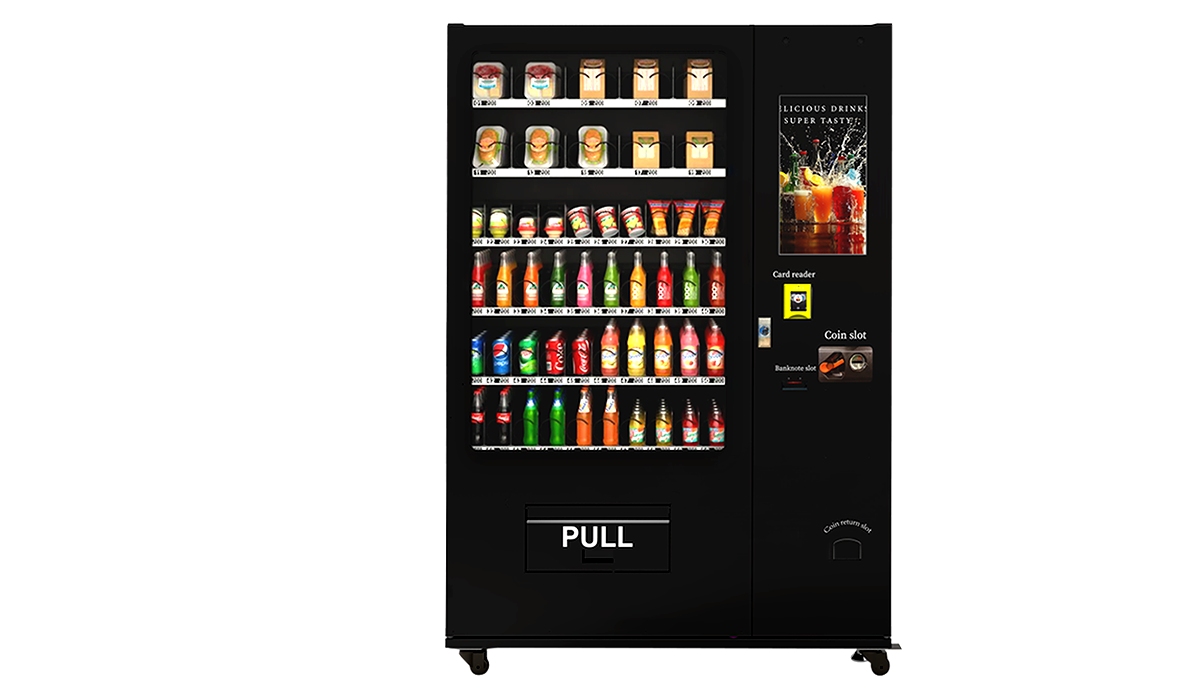
There are three main types of machines you will encounter in the Canberra market: snack machines, combo machines (snacks and drinks), and specialized machines for fresh food or coffee. Each has different upfront costs and maintenance needs. A basic snack machine might cost you between $3,000 and $5,000 AUD for a used unit, while a new combo machine with a card reader can run $8,000 to $12,000 AUD. Coffee machines are the most expensive, often starting at $10,000 AUD and going up significantly for bean-to-cup models. The best vending machine company in Canberra Australia will offer a range of options and help you choose based on your location's traffic volume and product preferences.
Payment Systems and Telemetry
Cash-only machines are becoming obsolete in Canberra. Most customers expect to pay with a card, phone, or smartwatch. You need a machine that supports contactless payments, and ideally one that includes telemetry—remote monitoring that tells you when items are low or if the machine has a technical issue. I have seen operators lose hundreds of dollars because they did not know a machine was offline for three days. Telemetry adds about $20 to $30 per month per machine, but it pays for itself by reducing lost sales and optimizing restocking routes. When evaluating suppliers, ask specifically about their payment terminal compatibility and whether they offer a telemetry package.
Cost Breakdown: What You Will Actually Spend
Let me give you a realistic picture based on my own operations and data from industry sources. According to IBISWorld, the vending machine industry in Australia has seen steady growth, with average revenue per machine ranging from $300 to $1,200 per month depending on location and product type. But those are averages—your actual numbers will vary. Here is a rough breakdown of costs I have observed in the Canberra market:
| Item | Low-End Estimate (AUD) | High-End Estimate (AUD) | Notes |
|---|---|---|---|
| Used snack machine | $2,500 | $4,500 | No warranty, may need repairs soon |
| New combo machine | $7,000 | $12,000 | Includes warranty and basic telemetry |
| Bean-to-cup coffee machine | $10,000 | $18,000 | Higher maintenance, but higher margins |
| Card reader installation | $300 | $600 | One-time cost, plus monthly processing fees |
| Monthly telemetry subscription | $20 | $40 | Per machine, essential for remote monitoring |
| Monthly restocking labor | $100 | $300 | Depends on distance and frequency |
| Annual maintenance | $200 | $600 | Includes cleaning, part replacement, inspections |
These numbers are based on my experience and conversations with operators in Canberra. A Statista report from 2023 noted that the average vending machine transaction in Australia is around $3.50, which means you need roughly 100 to 300 transactions per month just to cover basic costs. The best vending machine company in Canberra Australia will be transparent about these numbers and help you run a realistic projection before you commit.
How to Evaluate a Vending Machine Supplier
I have dealt with dozens of suppliers over the years, and I can tell you that the cheapest machine is almost never the best deal. Here is what I look for when evaluating a potential partner:
- Local service network: Can they fix a machine within 24 hours? If not, you will lose sales and damage your relationship with the location owner.
- Machine warranty: A good supplier offers at least one year on new machines and 90 days on refurbished units. Avoid anyone who offers no warranty.
- Payment system integration: Do they support major card networks and digital wallets? In Canberra, customers expect to tap and go.
- Product sourcing help: Some suppliers offer wholesale purchasing programs. This can save you 10-20% on product costs, which is huge for your margins.
- Buyback or trade-in options: If you decide to upgrade or exit the business, can they buy back your machine? This reduces your risk.
One supplier that consistently meets these criteria is Zhongda Smart. They are not a local Canberra company, but they manufacture high-quality machines that many Australian operators use. I have seen their equipment in several locations in Canberra, and the feedback from operators is generally positive—especially regarding build quality and the reliability of their payment systems. If you are considering importing a machine or buying from a national distributor, Zhongda Smart is worth looking into. Their machines typically come with good warranties and support for Australian payment standards.
Common Mistakes New Operators Make
Buying the Cheapest Machine
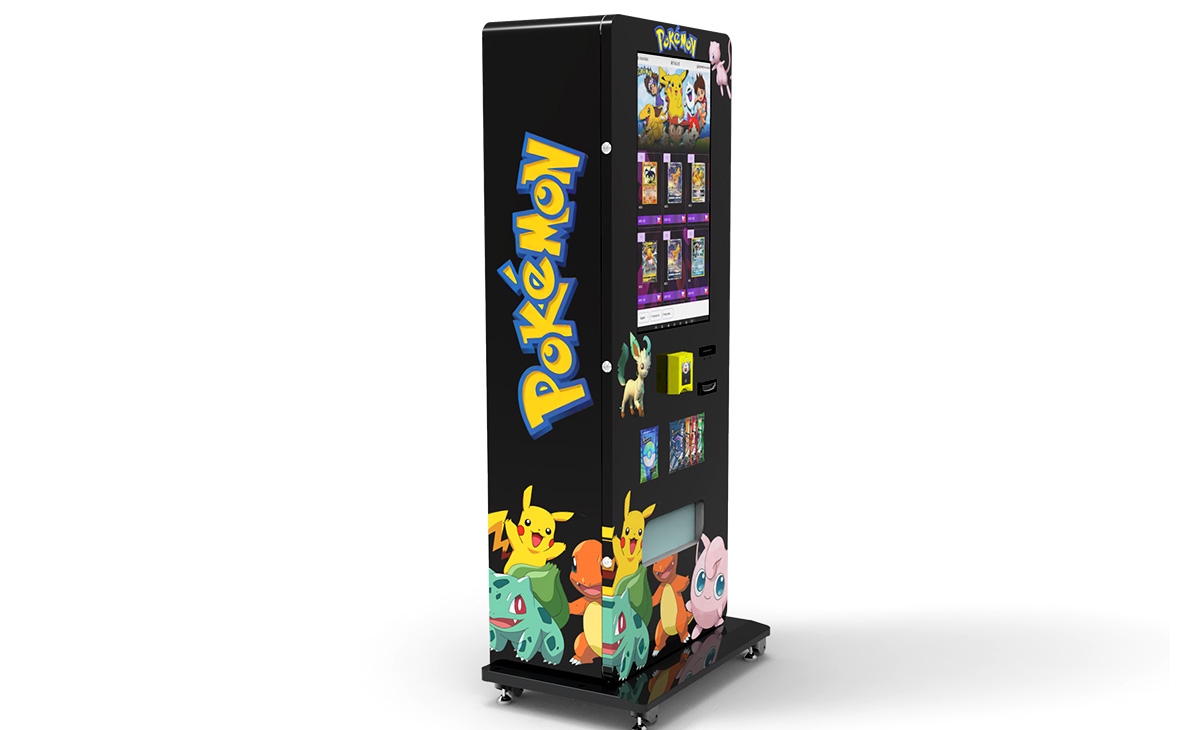
I have seen this happen more times than I can count. A new operator finds a used machine online for $1,500, buys it without inspecting it, and then spends another $1,000 on repairs in the first three months. The machine breaks down frequently, the location owner gets frustrated, and the operator ends up losing the spot. Cheap machines often have outdated cooling systems, unreliable coin mechanisms, and no card reader support. You are better off spending a bit more upfront for a reliable unit.
Ignoring Location Contracts
Some operators shake hands on a deal and start placing machines without a written agreement. This is a recipe for disaster. I have seen location owners change their minds, ask for a higher commission, or even remove the machine without notice. Always get a written contract that specifies the commission percentage, the duration of the agreement, and the process for termination. In Canberra, some government buildings require formal lease agreements, so make sure you understand the requirements.
Overlooking Food Safety Regulations
If you plan to sell perishable items like sandwiches, salads, or fresh fruit, you need to comply with ACT Health regulations. This includes temperature monitoring, regular cleaning logs, and possibly a food business registration. I have seen operators fined for not keeping proper records. The best vending machine company in Canberra Australia will advise you on these requirements and may offer machines with built-in temperature logging.
Not Adjusting Product Mix
Many new operators stock their machines with products they personally like, rather than what sells. You need to track sales data and adjust regularly. A machine in a university might sell more energy drinks and protein bars, while one in a hospital might see higher sales for bottled water and healthy snacks. Use your telemetry data to see what is moving and what is sitting on the shelf. If an item has not sold in two weeks, replace it with something else.
Revenue Potential and Return on Investment
Let me give you a realistic example based on a typical Canberra location. Suppose you place a combo machine in a busy government office building with 500 employees. Based on my experience, you can expect around 80 to 150 transactions per day, with an average transaction value of $3.50. That works out to $280 to $525 per day in gross revenue, or roughly $5,600 to $10,500 per month. After product costs (typically 50-60% of revenue), location commission (often 10-20%), and operating expenses, your net profit could be between $1,500 and $3,500 per month. At that rate, a $10,000 machine would pay for itself in three to six months.
But not every location performs that well. I have seen machines in low-traffic areas generate only $300 per month, which barely covers restocking and maintenance. The key is to test a location with a lower-cost machine or negotiate a short-term trial before committing to a long-term contract. According to a 2022 report by the Australian Vending Association, the average return on investment for a new machine in a good location is 12 to 18 months. That aligns with what I have seen in the field.
Fresh Food and Coffee Machines: Higher Risk, Higher Reward
If you are willing to take on more complexity, fresh food and coffee machines can offer significantly higher margins. Coffee machines, for example, can generate gross margins of 70-80% because the cost of a cup of coffee is low compared to the selling price. However, these machines require more maintenance, daily cleaning, and a reliable supply of fresh ingredients. In Canberra, coffee machines are popular in office buildings and hospitals, but you need to be prepared for regular service calls. A machine that breaks down for a week can lose you hundreds of dollars in sales and damage your reputation.
Fresh food machines also require careful planning. You need a supply chain for fresh items, and you must rotate stock regularly to avoid spoilage. I have seen operators lose money because they over-ordered or did not track expiration dates. If you are new to the business, I recommend starting with snacks and drinks before moving into fresh food or coffee.
How to Choose Between Buying, Leasing, or Revenue Sharing
There are three main ways to get into the vending business in Canberra: buy your own machine, lease one from a supplier, or enter a revenue-sharing agreement with a full-service operator. Each has pros and cons.
| Model | Upfront Cost | Monthly Cost | Control | Best For |
|---|---|---|---|---|
| Buy outright | $3,000 - $12,000 | Low (maintenance only) | Full control | Operators with capital and time |
| Lease | $0 - $500 deposit | $100 - $300 per month | Limited | New operators testing the market |
| Revenue sharing | $0 | Split revenue (often 50/50) | Minimal | Passive investors |
I generally recommend buying your own machine if you have the capital and plan to operate for more than two years. Leasing is a good way to test a location without a large upfront investment, but you will pay more over time. Revenue sharing is the easiest option—you just provide the space and the operator does everything else—but your profit per machine is lower. The best vending machine company in Canberra Australia will offer all three options and help you decide based on your goals.
Maintenance and Repair: What You Need to Know
Vending machines break down. It is not a matter of if, but when. The most common issues I have encountered include jammed coin mechanisms, faulty card readers, cooling system failures, and display screen problems. If you do not have a local repair technician, you will lose days of sales. In Canberra, I recommend building a relationship with a technician before you even place your first machine. Some suppliers offer maintenance contracts, which can cost $200 to $500 per year per machine. These contracts usually cover labor but not parts, so read the fine print.
If you are handy, you can learn to do basic repairs yourself. I have saved thousands of dollars by watching YouTube tutorials and buying spare parts online. But for complex issues like compressor failure or motherboard replacement, you need a professional. When choosing a supplier, ask about their vending machine repair network in Canberra. A good supplier will have a list of certified technicians or offer their own service team.
Understanding the Local Regulations
Canberra has specific rules that affect vending machine operators. You may need to register your business with Access Canberra, obtain a food business registration if you sell perishable items, and comply with electrical safety standards. Some locations, like schools and hospitals, have additional requirements. I recommend contacting the ACT Government's business support service to understand what applies to your situation. Ignoring these regulations can lead to fines or even removal of your machine.
Another consideration is the Australian Consumer Law, which applies to all businesses. If your machine malfunctions and causes a customer to lose money or get sick, you could be liable. Make sure you have public liability insurance, which typically costs $500 to $1,000 per year for a small operation. The best vending machine company in Canberra Australia will advise you on insurance requirements and may offer coverage through their own programs.
Why Location Contracts Matter More Than You Think
I have seen operators lose profitable spots because they did not have a solid contract. A written agreement should specify the commission rate, the duration of the agreement, the responsibilities of each party, and the process for termination. It should also address who is responsible for electricity costs, cleaning, and maintenance. In Canberra, some location owners will ask for a flat monthly fee instead of a percentage commission. This can be beneficial if your sales are high, but risky if they are low. I prefer a percentage model because it aligns incentives—if the location owner helps promote the machine, both of you benefit.
How to Scale Your Vending Business
Once you have one or two machines running profitably, you can start thinking about scaling. The most efficient way to grow is to focus on similar locations with high foot traffic. For example, if you have a successful machine in one government building, look for other government buildings in the same area. This allows you to optimize your restocking routes and reduce labor costs. I have seen operators grow from one machine to twenty within two years by following this approach.
Another strategy is to partner with a local supplier who offers volume discounts on machines and products. Some suppliers, including Zhongda Smart, offer bulk pricing for operators who buy multiple units. This can save you 10-15% per machine, which significantly improves your return on investment. Just make sure the supplier has a reliable service network in Canberra, or you will end up spending your savings on repairs.
FAQ: Common Questions About Vending Machines in Canberra
Are vending machines profitable in Canberra?
Yes, they can be profitable, but it depends heavily on location and product selection. In my experience, a well-placed machine in a high-traffic area like a university or hospital can generate $1,000 to $3,000 in net profit per month. However, a poorly placed machine may barely break even. Always test a location before committing to a long-term contract.
How much does a vending machine cost in Australia?
Prices vary widely. A used snack machine can cost $2,500 to $4,500 AUD, while a new combo machine with a card reader runs $7,000 to $12,000 AUD. Coffee machines start around $10,000 AUD. The best vending machine company in Canberra Australia will offer machines at different price points and help you choose based on your budget and location.
How long does it take to recoup my investment?
Based on my experience and industry data, the average payback period is 12 to 18 months for a well-placed machine. Some operators recoup their investment in as little as 6 months if the location is exceptional. However, if the location underperforms, it can take 24 months or longer. Always run a conservative projection before buying.
Should I buy a new machine or a used one?
If you have the budget, buy new. Used machines often come with hidden problems that cost more to fix than the savings you get upfront. If you are on a tight budget, buy a refurbished machine from a reputable supplier who offers a warranty. Avoid buying from private sellers unless you have experience inspecting machines.
What locations are best for vending machines in Canberra?
High-traffic areas with limited food options are ideal. Universities, hospitals, government office buildings, and large business parks are my top picks. Avoid locations with low foot traffic or where people have easy access to food courts and cafeterias.
Do I need a license to operate a vending machine in Canberra?
You need a general business registration with Access Canberra. If you sell perishable food, you also need a food business registration. Some locations, like schools, may require additional permits. Check with the ACT Government before placing your first machine.
What happens if my machine breaks down?
You need a local repair technician or a service contract with your supplier. Most breakdowns can be fixed within 24 to 48 hours if you have a reliable partner. I recommend having a backup plan, such as a spare machine or a temporary replacement, to avoid losing sales.
How do I choose a vending machine supplier?
Look for a supplier with a local service network, good warranty terms, and transparent pricing. Ask for references from other operators in Canberra. The best vending machine company in Canberra Australia will be willing to answer your questions and provide a clear contract.
Can I import machines directly from overseas?
Yes, but it comes with risks. You need to ensure the machine meets Australian electrical standards, payment system compatibility, and food safety regulations. Importing from a manufacturer like Zhongda Smart can be cost-effective if you buy in bulk, but you need a local technician who can service the machine. I recommend starting with a local supplier to learn the ropes before importing.
How do I reduce restocking costs?
Use telemetry to monitor inventory levels and restock only when needed. Plan your routes to minimize travel time. If you have multiple machines in the same area, restock them on the same day. You can also negotiate bulk discounts with product suppliers to lower your cost per item.
Final Thoughts: What Matters Most
After ten years in this industry, I have learned that success in vending comes down to three things: location, machine reliability, and product selection. You can have the best machine in the world, but if it is in a dead spot, you will not make money. You can have a great location, but if your machine breaks down every week, you will lose the spot. And you can have a reliable machine in a busy area, but if you are selling the wrong products, customers will walk away.
The best vending machine company in Canberra Australia is the one that helps you get all three right. Whether you choose a local full-service operator, a national supplier, or a manufacturer like Zhongda Smart, the key is to do your homework, test your locations, and be prepared to adapt. The vending business is not a get-rich-quick scheme, but with the right approach, it can be a solid, profitable venture. Good luck.
Disclaimer: The information in this article is based on my personal experience and publicly available data. Revenue and cost estimates are approximate and may vary based on location, market conditions, and individual circumstances. Always consult with a local business advisor and legal professional before making investment decisions.
- online service