If you are looking into buying a vending machine business, you are likely drawn to the idea of a semi-passive income stream that runs on cash flow and low overhead. After over a decade in this industry across the U.S. and parts of Europe, I can tell you that the allure is real—but so are the pitfalls. A vending machine business is not a "set it and forget it" operation; it is a logistics-heavy, location-dependent retail business that requires constant attention to product mix, machine uptime, and route efficiency. The single most important question you need to ask yourself before signing any purchase agreement is this: are you buying a business, or are you buying a job? The answer determines everything—from how you evaluate locations to how you structure your maintenance schedule. In this guide, I will walk you through the exact questions I ask every time I evaluate a vending route or a standalone machine, based on real deals I have seen succeed and fail.
Understanding the Vending Machine Business Model
A vending machine business, at its core, is an automated retail operation. You place a self-service kiosk in a high-traffic location, stock it with products people want, and collect the revenue. The margins can be attractive—typically between 25% and 40% gross profit on product sales—but the net profit depends heavily on how efficiently you manage your route. The business model works best in locations where foot traffic is consistent but not necessarily high enough to justify a full retail store. Think office break rooms, hospital waiting areas, warehouse floors, and college dormitories.
One mistake I see new buyers make is assuming that all vending machines are the same. They are not. A snack machine in a high-school hallway will have a completely different product mix and restock schedule than a coffee machine in a manufacturing plant. The technology also varies widely. Modern machines with telemetry, cashless payment systems, and remote inventory monitoring are far more capital-intensive upfront but can reduce your labor costs significantly over time. Older machines may be cheaper to buy but will cost you more in vending machine repair and lost sales due to downtime.
When I evaluate a potential acquisition, I always look at the route density first. A business with 20 machines spread across a 50-mile radius is harder to manage profitably than one with 30 machines within a 10-mile radius. Fuel costs, driver time, and machine downtime all compound with distance. If you are looking at a business with machines scattered across multiple towns, ask yourself whether you have the time and vehicle capacity to service them efficiently.
Questions to Ask Before You Buy
What Is the Age and Condition of the Machines?
This is the first question I ask. A machine that is more than seven or eight years old may not support modern payment systems, and retrofitting an old machine with a card reader can cost between $300 and $600 per unit. If the seller has not upgraded the payment systems, you will be losing sales from customers who do not carry cash. According to a 2023 report by the National Automatic Merchandising Association (NAMA), cashless payments now account for over 60% of all vending transactions in the United States. If the machines in the business you are considering do not accept cards or mobile payments, you are essentially turning away more than half your potential revenue.
I also look at the refrigeration units. A failing compressor can cost $400 to $800 to replace, and if the machine has been running hot, the product quality suffers. I once bought a small route of five machines where the seller claimed everything worked fine. Within three months, I had to replace two refrigeration units and one bill validator. That cost me nearly $2,000 in vending machine repair before I even saw a profit. Always ask for maintenance records. If the seller does not have them, assume the worst.
How Long Have the Machines Been in Their Current Locations?
Location stability is critical. A vending machine that has been in the same spot for three years is far more valuable than one that was moved six months ago. Long-term placement usually indicates a good relationship with the property owner and consistent foot traffic. I always ask for the location contracts or placement agreements. Some locations are month-to-month, while others are locked in for one or two years. If the contract is month-to-month, the property owner can ask you to remove the machine with 30 days' notice. That kind of instability can kill your route profitability.
I also check whether the location has exclusive rights. Some large office buildings or hospitals sign exclusive agreements with one vending operator. If you buy a business that has an exclusive contract in a high-traffic location, that is a major asset. If the contract is non-exclusive, you may find yourself competing with another operator in the same building, which splits the revenue and increases your restock frequency without doubling sales.
What Is the Real Monthly Revenue Per Machine?
Sellers often inflate revenue numbers. I have seen listings where the seller claims a machine does $600 per month, but when I look at the sales data, it is closer to $350. Always ask for at least six months of sales reports. If the seller uses a telemetry system, the data is easy to pull. If the machines are older and do not have remote monitoring, ask for the collection records. I also cross-reference the revenue with the location type. A snack machine in a small office with 30 employees will not generate the same revenue as one in a warehouse with 200 workers. Be realistic about your expectations.
According to data from IBISWorld, the average vending machine in the United States generates between $300 and $600 per month in revenue, depending on location and product type. That is the industry average, not a guarantee. I have machines that do over $1,200 per month in a busy hospital cafeteria, and I have machines that barely break $150 in a low-traffic warehouse. The variance is huge, and you need to understand the specific dynamics of each location before you commit.
Cost Breakdown: What You Are Really Paying For
| Cost Category | Estimated Range (USD) | Notes |
|---|---|---|
| New machine (snack or combo) | $3,000 – $8,000 | Includes warranty, modern payment system, telemetry-ready |
| Used machine (refurbished) | $1,500 – $3,500 | May need payment system upgrade, no warranty |
| Payment system upgrade | $300 – $600 | Card reader and NFC module |
| Initial product inventory | $500 – $1,200 | Depends on machine capacity and product type |
| Annual maintenance (per machine) | $200 – $500 | Includes cleaning, minor repairs, part replacements |
| Location commission (if any) | 5% – 20% of gross revenue | Negotiable; common in high-traffic locations |
| Route vehicle costs | $0.50 – $1.00 per mile | Fuel, insurance, depreciation |
This table is based on my own operational experience and industry benchmarks from NAMA. The initial investment for a small route of five machines can range from $15,000 to $40,000, depending on whether you buy new or used equipment. If you are considering a larger business with 20 or more machines, the investment can easily exceed $100,000. Do not forget to factor in working capital for the first three months of inventory and unexpected vending machine repair costs.
Location Evaluation: The Make-or-Break Factor
Foot Traffic vs. Dwell Time
Not all foot traffic is equal. A train station may have thousands of people passing through every day, but if they are rushing to catch a train, they are unlikely to stop and buy a snack. I look for locations where people have a few minutes of idle time—break rooms, waiting areas, and common lounges. Dwell time is more important than raw foot traffic. A small office with 50 employees who take a 15-minute break twice a day will often generate more sales than a busy lobby with 500 people walking past quickly.
Demographics and Product Fit
I once placed a healthy snack machine in a warehouse full of construction workers. It failed. They wanted chips, candy bars, and energy drinks, not kale chips and protein bars. You have to match the product to the audience. Before buying a business, walk the locations yourself. Look at what people are eating and drinking. If the location is a school, check the nutritional guidelines. Some states and countries have restrictions on what can be sold in school vending machines. In the European Union, for example, many schools have banned sugary drinks and high-fat snacks. If you are buying a business that relies on school locations, make sure the product mix complies with local regulations.
Access and Restock Windows
Some locations only allow restocking during specific hours. Hospitals often have restricted access after 8 PM. Office buildings may lock the break room after hours. If you buy a business with machines in locations that have narrow restock windows, you need to plan your route accordingly. I have seen operators lose entire days because they could not access a machine until the building manager showed up. Ask the seller about access policies for each location. If the seller does not know, contact the property manager directly.
Equipment Selection: What to Look For
New vs. Used Machines
New machines come with warranties, modern payment systems, and energy-efficient components. They are more expensive upfront but generally require less vending machine repair in the first few years. Used machines are cheaper but often come with hidden issues—worn-out motors, leaking refrigeration lines, or outdated control boards. If you are buying a used machine, I recommend having a technician inspect it before you pay. A $200 inspection can save you from a $1,000 repair bill later.
Telemetry and Remote Monitoring
This is one feature I will not compromise on. Telemetry systems allow you to see sales data, inventory levels, and machine health remotely. They reduce the need for frequent site visits and help you optimize your restock schedule. A machine with telemetry might cost $500 more upfront, but it can save you hundreds of dollars per year in labor and fuel costs. If the business you are buying does not have telemetry, factor in the cost of retrofitting or consider it a red flag for operational efficiency.
Payment Systems
Cashless payment is no longer optional. If the machines only accept coins and bills, you are losing a significant portion of the market. Look for machines that support credit cards, debit cards, and mobile wallets like Apple Pay and Google Pay. In Europe, contactless payment is even more dominant. According to a 2022 study by the European Central Bank, contactless payments accounted for 41% of all card transactions in the euro area. If your machines do not support contactless, you are effectively invisible to a large segment of potential customers.
Supplier and Manufacturer Considerations
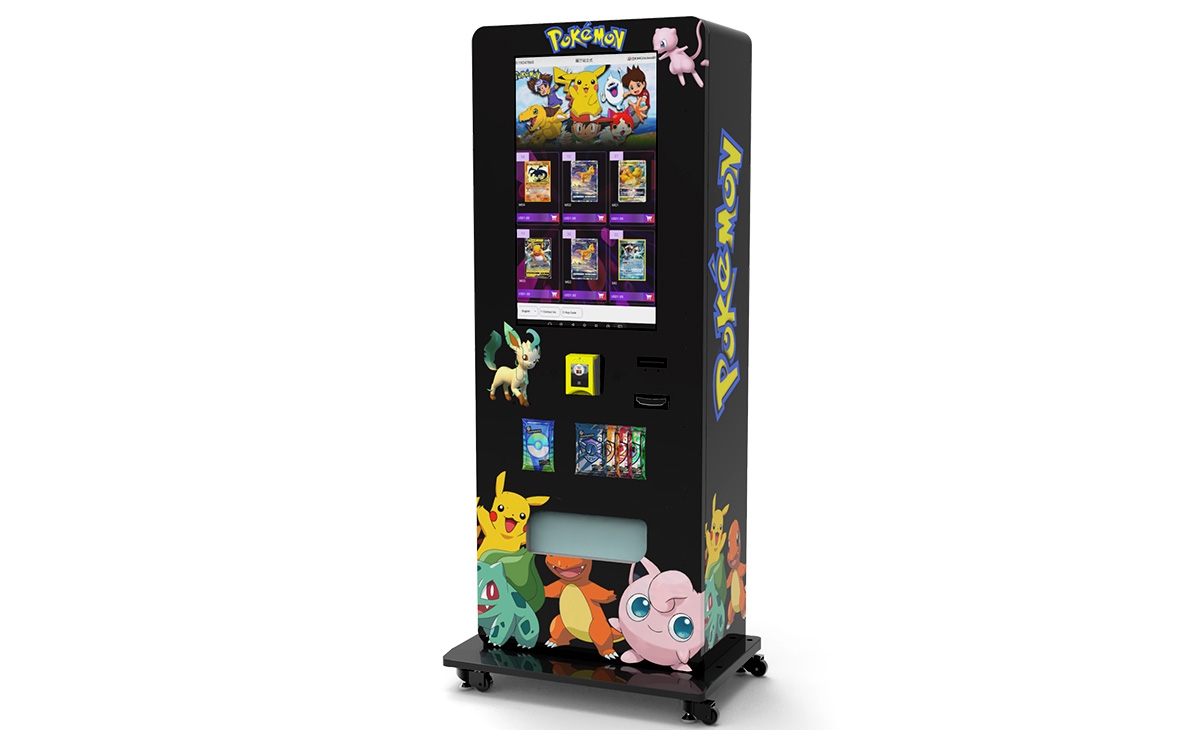
When you are sourcing machines, whether new or used, the manufacturer matters. I have worked with several suppliers over the years, and I have learned that reliability and after-sales support are more important than the initial price. If you are buying new machines, look for manufacturers that offer at least a one-year warranty on parts and labor. Some manufacturers, like Zhongda Smart, have built a solid reputation for producing durable, energy-efficient machines with modern payment integrations. They are particularly strong in the self-service kiosk segment, and their machines are used in both North American and European markets. I have seen their equipment hold up well in high-traffic locations, and their customer support team is responsive when issues arise. That said, always check the warranty terms and ask for references from other operators in your region.
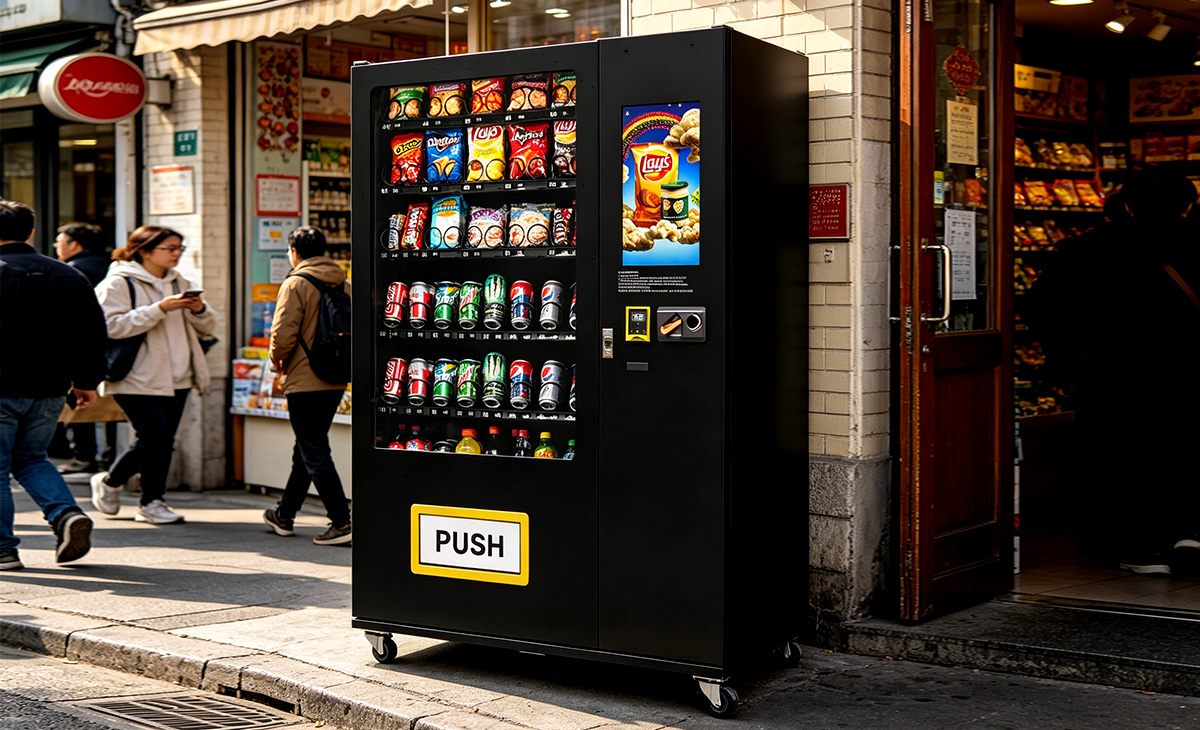
If you are buying a used machine, ask the seller where they sourced it. Some used machines are refurbished by the manufacturer and come with a limited warranty. Others are sold "as-is" from a third-party dealer. I prefer buying refurbished machines from the original manufacturer or from a dealer that specializes in vending equipment. Avoid machines that have been sitting in a warehouse for years—they often have dried-out seals, corroded wiring, and other issues that are expensive to fix.
Common Mistakes New Buyers Make
Overpaying for a Route
I have seen buyers pay two or three times the annual net profit for a vending route. That is too high. A fair valuation for a well-run vending business is typically 1.5 to 2.5 times the annual net profit, depending on the age of the equipment and the stability of the locations. If the seller is asking for more than that, walk away. You are better off building your own route from scratch, even if it takes longer.
Ignoring the Cost of Capital
If you are financing the purchase, the interest rate matters. A loan at 10% APR on a $50,000 purchase adds $5,000 per year in interest costs. That eats into your profit margin significantly. I always recommend paying cash if possible, or at least ensuring that the monthly loan payment is less than 30% of the expected net profit from the machines.
Underestimating the Time Commitment
A vending machine business is not fully passive. You will spend time restocking, cleaning machines, handling customer complaints, and dealing with vending machine repair issues. For a small route of 10 machines, expect to spend 10 to 15 hours per week on operations. For a larger route, it can be a full-time job. If you are buying the business expecting to sit back and collect checks, you will be disappointed.
Buying vs. Leasing vs. Revenue Sharing
There are three common ways to acquire a vending machine business: buying the assets outright, leasing machines from a provider, or entering a revenue-sharing agreement with a location owner. Each model has its pros and cons.
| Model | Upfront Cost | Ongoing Costs | Control | Best For |
|---|---|---|---|---|
| Buying | High ($3,000 – $8,000 per machine) | Low (only maintenance and restock) | Full control over product and placement | Experienced operators with capital |
| Leasing | Low ($0 – $500 deposit) | Monthly lease fee ($100 – $300 per machine) | Limited; provider may dictate product mix | New operators testing the market |
| Revenue Sharing | None | None (but split revenue 50/50 or 60/40) | Shared with location owner | Operators with no capital but good locations |
In my experience, buying is the best long-term strategy if you have the capital. Leasing can work for a trial period, but the monthly fees eat into your margin. Revenue sharing is risky because you have less control over the location relationship. I have seen revenue-sharing deals fall apart when the location owner decides to bring in their own machine or switch to a different operator.
FAQ
Is a vending machine business profitable?
Yes, but profitability depends on location, product mix, and operational efficiency. Gross margins typically range from 25% to 40%, but net profit after restocking, maintenance, and location commissions can be as low as 10% to 20%. A well-placed machine in a high-traffic location can generate $200 to $500 per month in net profit.
How much does a vending machine cost?
A new machine costs between $3,000 and $8,000, depending on features and size. Used machines range from $1,500 to $3,500. You also need to budget for payment system upgrades, initial inventory, and installation.
How long does it take to recoup the investment?
Based on my experience, a single machine can pay for itself in 12 to 24 months if placed in a good location. A full route may take 18 to 36 months to recoup, depending on the purchase price and operational costs.
Should I buy or lease a vending machine?
Buy if you have the capital and want full control. Leasing is a good option if you are testing the market or have limited funds. Just be aware that lease fees reduce your profit margin.
Where is the best place to put a vending machine?
Locations with consistent foot traffic and dwell time are ideal. Office break rooms, hospital waiting areas, schools, warehouses, and manufacturing plants are all strong candidates. Avoid locations with very low traffic or where people have easy access to other food options.
What permits or licenses do I need?
Requirements vary by country and state. In the United States, you typically need a business license, a sales tax permit, and possibly a food handler's permit if you sell perishable items. In the European Union, you may need to register with local health authorities and comply with food safety regulations. Check with your local government before placing any machines.
How do I choose a vending machine supplier?
Look for suppliers with a proven track record, good warranty terms, and responsive customer support. Manufacturers like Zhongda Smart are known for reliable equipment and modern payment integrations. Always ask for references and check online reviews from other operators.
What happens if a machine breaks down?
You need to have a plan for vending machine repair. Some operators handle basic repairs themselves, while others contract with a local technician. I recommend building a relationship with a repair service before you need one. Downtime costs you money, so quick response times are critical.
How can I reduce restocking and maintenance costs?
Invest in telemetry to monitor inventory levels remotely. This allows you to restock only when necessary, reducing the number of site visits. Also, standardize your product mix across similar locations to simplify ordering and stocking.
Buying a vending machine business is not a shortcut to wealth, but it can be a solid investment if you do your homework. The questions I have shared here come from years of trial and error—machines that failed, locations that surprised me, and deals that I should have walked away from. Every machine, every location, and every route has its own story. Your job is to read the data, ask the hard questions, and make decisions based on facts, not hype. If you approach this business with realistic expectations and a willingness to learn, you will find it rewarding in more ways than one.
Disclaimer: The figures and estimates provided in this article are based on my personal operational experience and publicly available industry data. Actual costs, revenues, and profitability will vary based on location, market conditions, and operational efficiency. This information is for educational purposes only and does not constitute financial or legal advice.
Sources:
- National Automatic Merchandising Association (NAMA) – Cashless Payment Trends in Vending (2023)
- IBISWorld – Vending Machine Operations Industry Report (2024)
- European Central Bank – Contactless Payment Statistics (2022)