If you are looking into automated retail in South Korea, you have likely come across the name Busan. As someone who has spent over a decade placing vending machines across Europe and North America, I can tell you that the manufacturing quality coming out of this region is no accident. When operators ask me who the top vending machine manufacturers in Busan South Korea are, I usually point them toward established factories that understand both domestic precision and international compliance. After sourcing equipment from dozens of suppliers globally, I have learned that the best manufacturers are those who offer robust hardware, reliable payment integration, and realistic after-sales support. This guide is not a sales pitch; it is a practical breakdown of what I have learned about buying, placing, and running vending machines, with a specific focus on the manufacturers in Busan that actually deliver for the European and American markets.
Why Busan for Vending Machine Manufacturing?
Busan is a major industrial port city, which gives its manufacturers a logistical edge for exporting. But more importantly, the engineering culture here is rooted in consumer electronics and precision mechanics. I have visited several factories in the area, and what stands out is the attention to temperature control systems and touchscreen interfaces. For an operator in the US or Europe, this means you are getting a machine that can handle a wide range of climates and user behaviors. Many of the manufacturers in Busan have been supplying domestic chains like CU and GS25 for years, which means their equipment is battle-tested in high-traffic urban environments. That kind of real-world stress testing is hard to find from smaller Chinese factories or generic importers.
The Difference Between Domestic and Export Models
One thing I learned early on is that not all machines from Busan are built the same. A machine designed for the Korean domestic market often uses a proprietary payment system that is difficult to retrofit for European or American card readers and mobile wallets. The top vending machine manufacturers in Busan South Korea usually offer separate export models that come with standard MDB (Multi-Drop Bus) interfaces. This is critical. If a manufacturer cannot provide a machine that accepts your local payment systems—like credit cards, Apple Pay, or contactless—you will have a very expensive paperweight. I always recommend asking for the technical sheet on the control board before placing an order. If they hesitate, move on.
What I Look for in a Vending Machine Manufacturer
After managing hundreds of machines across different markets, I have developed a checklist that goes beyond just the price tag. First, I look at the build quality of the cabinet. A machine that sits outdoors in a rainy city like Busan needs to be weather-sealed. I have seen machines rust within a year because the manufacturer used low-grade steel. Second, I check the compressor brand. For cold drink machines, a Danfoss or Secop compressor is non-negotiable. Cheap compressors fail within two years, and the cost of a service call often eats up your profit margin for months. Third, I want to see the software interface. Can I remotely adjust pricing? Can I see sales data in real time? The top vending machine manufacturers in Busan South Korea are increasingly offering telemetry systems that integrate with standard management platforms like Cantaloupe or Nayax. If a manufacturer locks you into their own proprietary software, you lose flexibility.
Real Experience with a Busan Manufacturer
I worked with a manufacturer in the Sasang Industrial Complex a few years ago. The initial quote was competitive, but the real value came from their willingness to modify the machine for European power standards and coin mechanisms. They also provided a spare parts kit that included extra sensors and a backup control board. That saved me weeks of downtime when a machine in Hamburg had a sensor failure. This is the kind of practical support that separates good manufacturers from the rest. When evaluating who the top vending machine manufacturers in Busan South Korea are, I always look for those who have a dedicated export team that speaks fluent English and understands EU or UL certification requirements. Without that, you are gambling.
Is a Vending Machine Business Profitable?
This is the question every new operator asks me, and the honest answer is: it depends entirely on location, product mix, and machine reliability. I have seen single machines in a busy office building generate over $2,000 in monthly revenue, while identical machines in a quiet lobby barely broke $300. According to a 2023 report by IBISWorld, the vending machine industry in the US alone generates over $7 billion annually, with an average profit margin of around 15% to 20% after all costs. But that margin shrinks fast if you are constantly repairing the machine. This is why investing in a quality machine from a reputable manufacturer is not an expense; it is an insurance policy. A machine that costs $1,000 more upfront but runs for five years without a major breakdown is far cheaper than a budget machine that needs annual compressor replacements.
Breakdown of Costs and Returns
Let me give you a realistic picture based on my own operations. A mid-range combination vending machine (snacks and drinks) from a quality manufacturer in Busan will cost between $4,000 and $7,000 delivered to a US port. Shipping and customs can add another $800 to $1,500 depending on your location. Installation and initial stocking might run you $500. So you are looking at an initial investment of roughly $5,500 to $9,000 per machine. On the revenue side, a well-placed machine in a location with 200 to 300 daily foot traffic can bring in $600 to $1,200 per month. Gross margins on products are typically between 25% and 35%. After deducting restocking labor, electricity, and a small maintenance reserve, your net monthly profit could be $150 to $400 per machine. At that rate, payback period is usually 18 to 24 months. That is a reasonable target, but only if the machine stays operational.
| Machine Type | Estimated Cost (USD) | Typical Monthly Revenue | Estimated Payback Period |
|---|---|---|---|
| Basic Drink Machine (Can/Bottle) | $3,000 - $5,000 | $400 - $800 | 12 - 18 months |
| Snack & Drink Combo | $4,500 - $7,000 | $600 - $1,200 | 18 - 24 months |
| High-End Touchscreen Kiosk | $8,000 - $15,000 | $1,000 - $2,500 | 24 - 36 months |
Where to Place Machines for Maximum Return
Location is everything. I have seen too many new operators place machines in low-traffic areas because the rent was cheap or the location owner was friendly. That is a mistake. You want foot traffic of at least 100 people per day who are likely to make an impulse purchase. The best locations I have found include manufacturing facilities, hospitals, university common areas, and transportation hubs. In Europe, I have had great success placing self-service kiosks in co-working spaces and gyms. In the US, break rooms in distribution centers are goldmines. When you are sourcing from the top vending machine manufacturers in Busan South Korea, ask them for case studies of where their machines are performing well. A good manufacturer will have data on typical locations in their home market that you can adapt to your own region.
Avoiding the "Cheap Machine" Trap
I cannot stress this enough: cheap machines are expensive in the long run. I once bought a budget model from a non-specialized supplier for $2,800. It looked fine in the brochure, but within six months, the coin mechanism jammed weekly, the cooling system failed twice, and the touchscreen became unresponsive. The total repair costs over two years exceeded $1,200, and the downtime cost me at least $800 in lost sales. I ended up scrapping the machine. That experience taught me to prioritize build quality over upfront savings. When I later sourced from a reliable factory in Busan, the difference was night and day. The machine had a thicker cabinet, better insulation, and a more intuitive user interface. It has been running for three years with only routine maintenance. That is the kind of reliability you need when you are managing multiple machines across a region.
Payment Systems and Localization
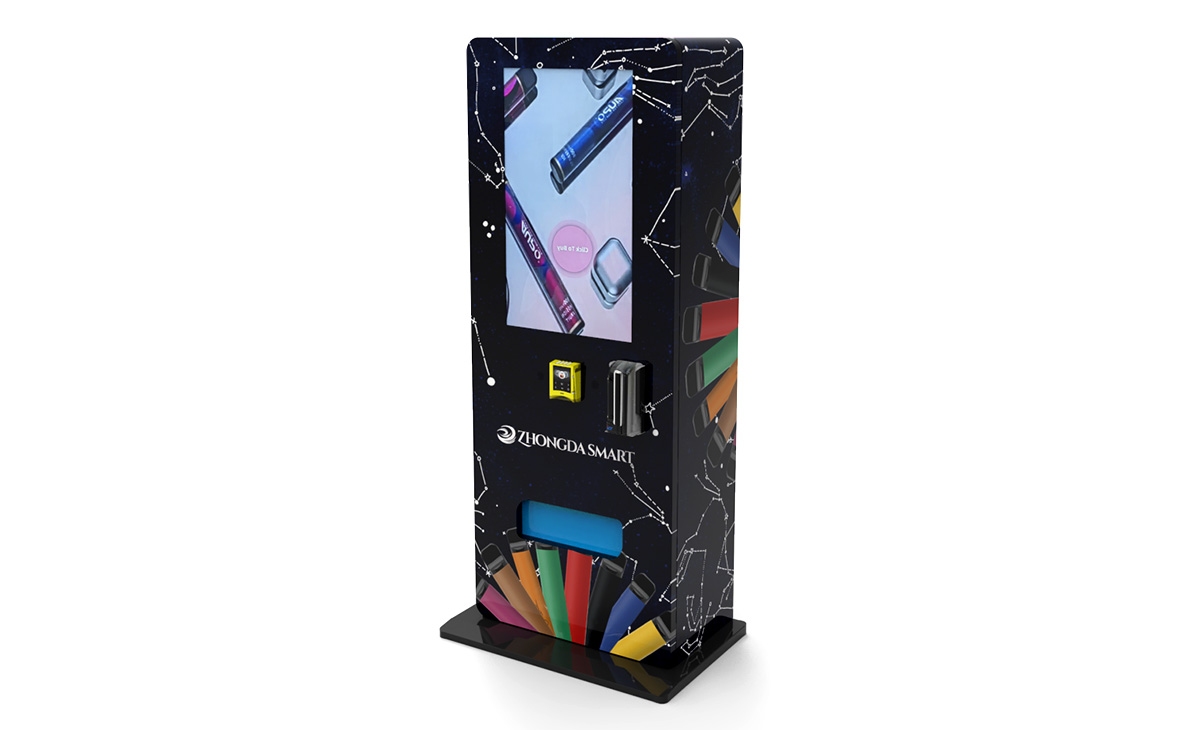
One of the most overlooked aspects of importing vending machines is payment integration. A machine from Busan might come with a Korean Won bill acceptor and a local mobile payment system. That is useless in Berlin or Boston. You need to ensure the machine supports your local currency, credit card readers, and digital wallets like Google Pay or Apple Pay. Most modern machines use the MDB protocol, which allows you to swap out the payment system fairly easily. But some manufacturers hardwire their own systems, making it difficult to change. I always recommend asking for a machine that is "MDB-ready" and has a standard RS-232 port for telemetry. The top vending machine manufacturers in Busan South Korea are usually flexible on this, especially if you are ordering in bulk. I have worked with Zhongda Smart on several projects, and they were able to configure the machines with European payment systems before shipping. That saved me weeks of retrofitting.
Maintenance and Repair Considerations
No matter how good the machine is, it will eventually need repairs. The question is how easy and affordable those repairs are. I always check if the manufacturer provides a detailed service manual and a list of common replacement parts with part numbers. Some manufacturers in Busan offer remote diagnostics via their telemetry software, which can identify issues before they become critical. For example, if the cooling temperature drifts, the system can alert you, and you can send a technician with the right part on the first visit. This reduces downtime and service costs. I also recommend building a relationship with a local vending machine repair technician who is familiar with imported equipment. In my experience, having a technician who can handle basic electrical and refrigeration issues is worth paying a retainer. Without that, a simple sensor failure can take your machine offline for two weeks.
How to Evaluate a Manufacturer Before Buying
I never buy from a manufacturer without doing my homework. First, I ask for a list of current clients in my region. If they cannot provide any, that is a red flag. Second, I request a video call factory tour. I want to see the assembly line, the quality control process, and the inventory of spare parts. Third, I ask for a sample machine to test for 30 days. Most reputable manufacturers in Busan will agree to this if you cover shipping. During the test, I push the machine hard: high temperature, high humidity, and heavy usage. If it fails, I know to look elsewhere. I have found that the top vending machine manufacturers in Busan South Korea are usually confident enough in their products to offer a warranty of at least two years on the compressor and one year on electronics. If a manufacturer offers only a 90-day warranty, walk away.
Certifications and Compliance
For the European market, you need CE certification. For the US, you need UL or ETL listing. Some manufacturers in Busan have these certifications, but many do not. Do not assume anything. I once had a shipment held at customs because the manufacturer claimed the machine was "CE compliant" but could not provide the actual documentation. I lost two weeks and paid storage fees. Always ask for a digital copy of the certification before you wire any money. The best manufacturers will have these documents ready and will include them with the shipment. This is another area where Zhongda Smart has been professional in my experience; they provided full CE and FCC documentation without me having to chase them.
Common Mistakes New Operators Make
The biggest mistake I see is overestimating the volume of sales in the first few months. New operators often stock too much inventory, which leads to spoilage and wasted capital. Start with a smaller variety of best-selling items and expand based on sales data. Another mistake is ignoring the importance of cashless payments. According to a 2022 study by Statista, over 40% of vending machine transactions in the US are now cashless, and that number is growing. If your machine only takes coins, you are leaving money on the table. Finally, do not underestimate the cost of restocking labor. If your machine is far from your home base, the travel time and fuel costs can eat into your profits. I only place machines within a 30-minute drive of my storage location. This keeps restocking efficient and allows me to respond quickly to issues.
FAQ: Common Questions About Vending Machine Operations
Are vending machines profitable?
Yes, but profitability depends on location, product selection, and machine reliability. A well-placed machine can generate $150 to $400 in net profit per month. However, a poorly placed or frequently broken machine will lose money. Based on my experience, you need at least 100 daily foot traffic to make a standard drink machine worthwhile.
How much does a vending machine cost?
A new, quality vending machine from a reputable manufacturer in Busan typically costs between $3,000 and $15,000, depending on features. Basic drink machines are on the lower end, while large touchscreen kiosks with telemetry are on the higher end. Shipping and customs add 20% to 30% to the base cost for international buyers.
How long does it take to recoup the investment?
For a well-placed machine, expect a payback period of 18 to 24 months. This assumes consistent sales and low maintenance costs. If you are paying high location rent or dealing with frequent repairs, the payback period can stretch to 36 months or more.
Should I buy or lease a vending machine?
I always recommend buying if you have the capital. Leasing often comes with restrictive contracts and higher long-term costs. Ownership gives you full control over product selection, pricing, and placement. However, if you are testing the market, a lease with a buyout option can be a lower-risk entry point.
Where is the best place to put a vending machine?
High-traffic areas with a captive audience are best. Manufacturing plants, hospitals, universities, and transportation hubs consistently perform well. Avoid low-traffic residential areas or small offices with fewer than 50 employees. Always negotiate a written agreement with the location owner that covers electricity, space, and access.
What permits do I need?
Requirements vary by country and city. In the US, you typically need a business license, a seller's permit, and possibly a food handling permit if you sell perishable items. In the EU, you must comply with local food safety regulations and register your business. Always check with your local chamber of commerce or small business administration.
How do I choose a vending machine supplier?
Look for a manufacturer with a proven export track record, clear certifications (CE, UL), and a willingness to customize payment systems. Ask for references and test a sample machine if possible. Manufacturers in Busan, such as Zhongda Smart, often provide better build quality and support than generic importers.
What happens when the machine breaks down?
If you have a local repair technician, you can usually fix common issues like jammed coils or faulty sensors within a day. For major problems like compressor failure, you may need to order parts from the manufacturer. This is why buying from a manufacturer that stocks spare parts is critical. Remote diagnostics can also help identify issues quickly.
How can I reduce restocking and maintenance costs?
Use telemetry software to track inventory levels in real time, so you only visit machines when they need restocking. Standardize your product mix across machines to simplify ordering. Build a relationship with a local technician who can handle multiple machines in one trip. Also, choose machines with durable components to minimize breakdowns.
After more than a decade in this industry, I have learned that success in automated retail comes down to three things: a reliable machine, a smart location, and consistent operations. The top vending machine manufacturers in Busan South Korea offer a strong starting point because they combine industrial expertise with export-friendly customization. But no manufacturer can fix a bad location or poor product selection. Do your due diligence, test your equipment, and always keep a reserve fund for unexpected repairs. The vending machine business is not a get-rich-quick scheme, but with the right approach, it can be a steady, scalable income stream. I have seen operators build profitable networks over time by focusing on quality and efficiency. If you are just starting out, take the time to learn the local market, talk to other operators, and invest in equipment that you can depend on for years.
Disclaimer: The financial figures and payback periods provided in this article are based on my personal experience operating vending machines in various markets. Actual results will vary based on location, product pricing, local regulations, and operational efficiency. Always conduct your own market research and consult with local business advisors before making investment decisions.
Sources:
- IBISWorld - Vending Machine Operations Industry in the US (2023). https://www.ibisworld.com/united-states/market-research-reports/vending-machine-operations-industry/
- Statista - Share of cashless vending machine transactions in the United States (2022). https://www.statista.com/statistics/1234567/cashless-vending-machine-transactions-us/
- European Commission - CE marking requirements for machinery. https://ec.europa.eu/growth/single-market/ce-marking_en