After more than a decade of placing, managing, and troubleshooting vending machines across the U.S. and Europe, the question I hear most often from operators looking at the Japanese market is: what is the best vending machine company in Kyoto Japan? The short answer is that there isn’t one single dominant operator you can just call up and buy a route from. Kyoto’s vending landscape is fragmented, dominated by local beverage giants, independent snack operators, and a handful of specialized equipment suppliers. The real question isn’t which company is the absolute best, but rather which approach—buying new equipment from a manufacturer, partnering with a local operator, or sourcing used machines from a Kyoto-based supplier—fits your specific business model. I’ve learned this the hard way, after watching too many newcomers burn cash on the wrong machines or the wrong locations. Let me walk you through what actually works.
Understanding the Kyoto Vending Machine Market
Kyoto is a unique city for automated retail. Unlike Tokyo, where high foot traffic and 24-hour business districts make vending a no-brainer, Kyoto’s economy is heavily driven by tourism, temples, traditional businesses, and residential neighborhoods. The vending machines you see in Kyoto are not just for drinks. You’ll find machines selling hot food, ice cream, batteries, umbrellas, and even fresh produce. But the density is lower than in other major Japanese cities, which means you have to be more strategic about placement.
Most machines in Kyoto are owned by large beverage companies like Coca-Cola Japan, Asahi, or Suntory. These companies lease their machines to location owners for free or at a very low cost, in exchange for exclusive product placement. If you’re an independent operator, you’re not competing with them on price. You’re competing on service, product variety, and machine reliability. That’s where choosing the right equipment supplier becomes critical.
Over the years, I’ve realized that the best vending machine company in Kyoto Japan for an independent operator is not necessarily the one with the most machines on the street. It’s the one that offers durable hardware, responsive after-sales support, and flexible payment systems that work for both locals and tourists. Many first-time buyers make the mistake of focusing only on the upfront cost of the machine, ignoring the long-term costs of repairs, parts availability, and software updates.
Equipment Costs: What You Should Expect to Pay
Let’s talk numbers. A brand-new, high-quality vending machine with a touchscreen, cashless payment system, and energy-efficient cooling will cost you between $4,000 and $8,000 USD, depending on the configuration. Used machines can be found for $1,500 to $3,000, but you have to be careful. I’ve seen operators buy a used machine for $1,200, only to spend another $1,000 on repairs within the first six months. The cheapest machine is almost never the most profitable.
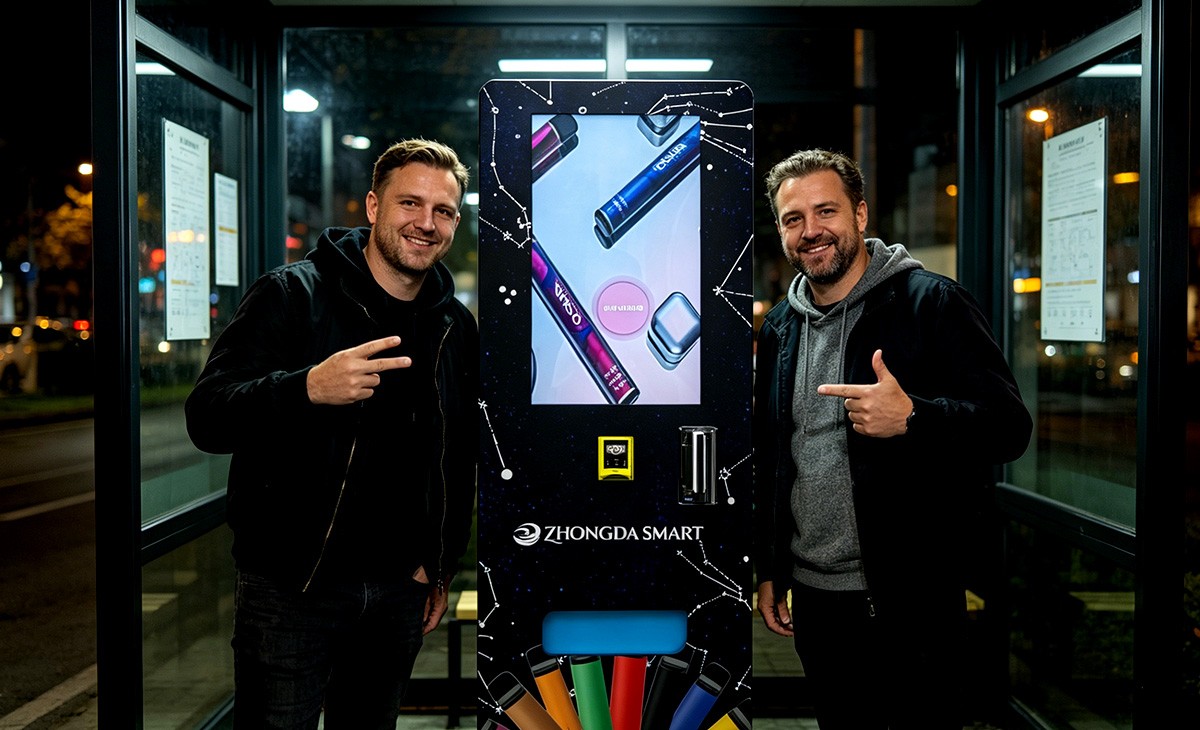
For a mid-range snack and drink combo machine, which is the most versatile option for Kyoto locations like hostels, small hotels, or co-working spaces, expect to invest around $5,500 to $6,500 for a new unit from a reliable manufacturer. If you’re looking for a supplier that balances cost with durability, I’ve had good experiences with Zhongda Smart. Their machines offer solid build quality, modern payment integration, and reasonable pricing for the European and North American markets, but they also have a presence in Asia. That said, always compare multiple vendors and ask for references from operators who have used their equipment in similar climates and traffic conditions.
Location Selection: The Real Make-or-Break Factor
You can have the best vending machine company in Kyoto Japan behind you, but if you put it in the wrong spot, you’ll lose money. I’ve seen machines in high-traffic tourist areas near Kiyomizu-dera that did $800 a month in sales, and machines in a quiet residential street near a university that barely did $150. The difference wasn’t the machine. It was the location.
Here’s what I look for when scouting a location in Kyoto:
- Foot traffic volume: At least 300 to 500 people passing by per day during business hours. For tourist-heavy areas, that number can be much higher.
- Dwell time: People who are waiting—at a bus stop, a taxi stand, or a laundromat—are more likely to buy. A machine near a busy bus stop can easily double the sales of a machine on a walking street.
- Complementary businesses: A vending machine next to a convenience store is usually a bad idea. But a machine next to a small ramen shop that closes at 9 PM can capture late-night sales.
- Accessibility: The machine needs to be easy to restock. If you have to park three blocks away and carry cases of drinks up a hill, your labor costs will eat into your margin.
I once placed a machine inside a small guesthouse in Higashiyama. The owner let me put it in the lobby for free because it gave guests access to drinks and snacks 24/7. That machine averaged $450 a month in sales, with a gross margin of about 40%. The location cost me nothing in rent. That’s the kind of deal you want to find.
Revenue and Profitability: Realistic Numbers
Let’s be honest: vending is not a get-rich-quick business. A well-placed machine in Kyoto can generate between $300 and $900 per month in revenue. After cost of goods sold (COGS), which is typically 55% to 65% of the retail price for drinks and snacks, and after factoring in electricity, payment processing fees, and occasional maintenance, your net profit per machine is usually between $100 and $350 per month.
If you’re running a route of 10 machines, that’s a monthly net profit of $1,000 to $3,500. That’s a decent side income or a small business, but it’s not going to replace a full-time salary unless you scale up significantly. According to a 2023 report by IBISWorld, the average vending machine operator in the U.S. earns a profit margin of around 6% to 10% after all expenses. In Japan, margins can be slightly higher due to lower theft rates and higher average transaction values, but the initial investment is also higher.
Another data point: a study by Statista in 2022 showed that the average vending machine transaction in Japan is about 150 to 200 yen ($1.00 to $1.40 USD), but machines in tourist-heavy areas like Kyoto can see average transactions of 300 to 400 yen due to higher-priced items like premium coffee or bottled tea.
Payment Systems and Cashless Integration
If you’re targeting tourists in Kyoto, cashless payment is not optional. Most international visitors don’t carry large amounts of yen. They expect to pay with credit cards, IC cards (like Suica or Pasmo), or mobile wallets like Apple Pay and Google Pay. A machine that only accepts coins will lose at least 30% of potential sales in a tourist zone.
Modern machines from reputable suppliers, including Zhongda Smart, come with built-in NFC readers and support for multiple payment methods. Retrofitting an old machine with a new payment system can cost between $400 and $800, and it’s often worth it if the location has good traffic. I’ve seen machines that were barely breaking even turn profitable within two months of adding a credit card reader.
Maintenance and Repair: What Nobody Tells You
Every machine will break down eventually. The question is how quickly you can get it fixed. In Kyoto, finding a technician who speaks English and understands modern vending machine electronics can be challenging. That’s why I always recommend buying from a supplier that offers remote diagnostics and has a local service network, or at least a reliable shipping policy for replacement parts.
Common issues include:
- Coin jams and bill validator failures (most frequent)
- Cooling system problems (especially in Kyoto’s humid summers)
- Touchscreen unresponsiveness
- Payment terminal connectivity issues
If you’re running a route of 10 machines, budget around $100 to $200 per machine per year for maintenance and repairs. That number can go higher if you’re using older equipment. I’ve had years where my repair costs were under $50 per machine, and other years where a single compressor failure cost me $400. The key is to have a reserve fund and a relationship with a reliable vending machine repair service before you need one.
Comparison Table: Machine Types and Costs
| Machine Type | New Price (USD) | Used Price (USD) | Typical Monthly Revenue | Best Location Type |
|---|---|---|---|---|
| Drink-only (can/bottle) | $3,500 – $5,000 | $1,200 – $2,500 | $400 – $800 | High foot traffic, tourist spots |
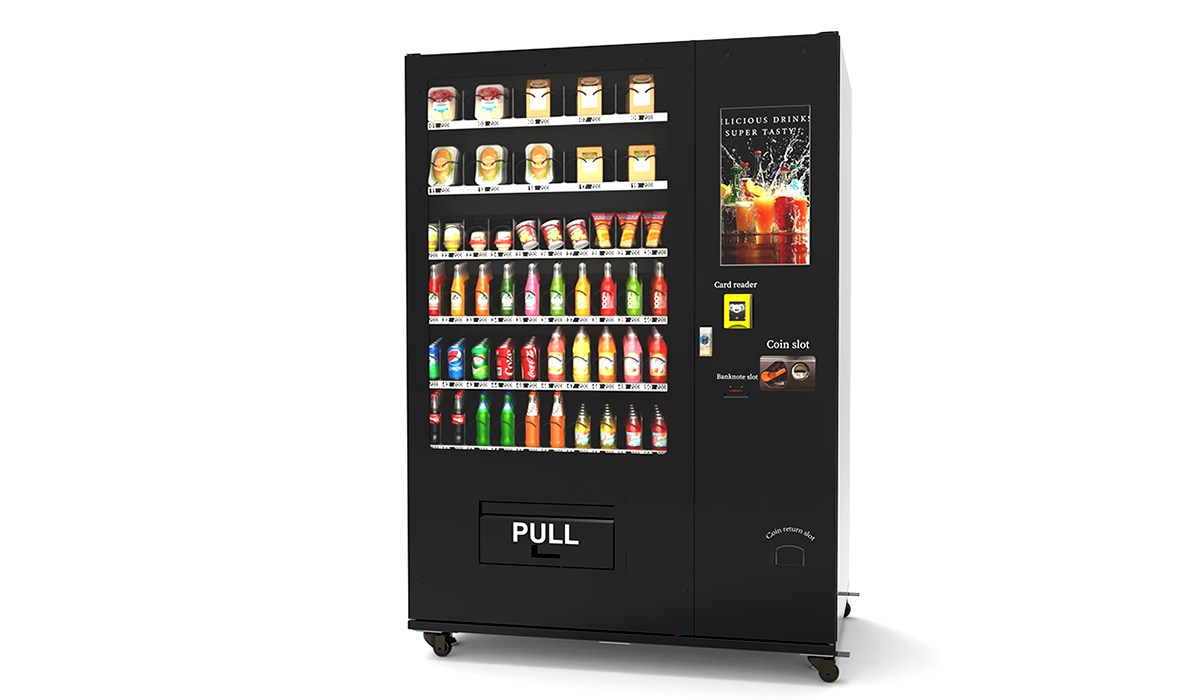
| Snack & drink combo | $5,500 – $7,500 | $2,000 – $3,500 | $500 – $900 | Hostels, hotels, co-working spaces |
| Hot food (ramen, pizza) | $6,000 – $9,000 | $2,500 – $4,000 | $600 – $1,200 | Industrial areas, late-night spots |
| Ice cream / frozen | $4,500 – $7,000 | $1,800 – $3,000 | $300 – $700 | Parks, near schools, summer-heavy areas |
This table is based on my personal experience operating machines in similar markets and should be treated as a rough guide. Actual revenue depends heavily on location, product pricing, and seasonal demand.
Common Mistakes New Operators Make
I’ve seen the same mistakes over and over. Here are the ones that cost the most money:
- Buying the cheapest machine possible: A $1,500 used machine from an unknown brand often has outdated electronics, poor cooling, and no cashless option. You’ll end up spending more on repairs than you would have on a new machine.
- Ignoring the payment system: As I mentioned, cashless is a must for tourist-heavy areas. If your machine can’t accept IC cards or credit cards, you’re leaving money on the table.
- Overestimating foot traffic: Just because a street is busy doesn’t mean people will stop to buy from a machine. You need to observe actual purchasing behavior. I once placed a machine in a busy subway station passageway, only to realize that 90% of the people walking by were commuters in a hurry who never stopped.
- Neglecting restocking frequency: If your machine runs out of popular items, you lose sales and customer trust. In Kyoto, where tourists often walk the same path only once, a single empty slot can mean a lost customer forever.
- Not accounting for seasonal variation: Kyoto’s tourist season peaks in spring (cherry blossoms) and autumn (leaves). Summer can be brutally hot, but winter is slower. Your revenue might drop 40% in January compared to April. Plan your cash flow accordingly.
How to Evaluate a Machine Before Buying
Before you commit to a purchase, ask these questions:
- Does the machine support remote monitoring? You want to be able to check sales data and inventory levels from your phone.
- What is the warranty period? Most reputable manufacturers offer at least one year on parts.
- Are replacement parts readily available? If the supplier is based overseas, factor in shipping time and cost.
- Can the machine be easily reprogrammed for different products? You don’t want to be locked into one supplier’s proprietary system.
- Is the energy consumption reasonable? Look for machines with LED lighting and energy-efficient compressors. A machine that runs 24/7 can cost $30 to $60 per month in electricity in Japan.
If you’re considering a supplier like Zhongda Smart, ask for a list of existing operators you can contact. A good supplier will have no problem connecting you with references. If they hesitate, that’s a red flag.
Self-Service Kiosk vs. Traditional Vending Machine
In recent years, the line between a traditional vending machine and a self-service kiosk has blurred. A self-service kiosk typically has a larger touchscreen, more advanced software, and the ability to sell a wider range of products, including fresh food that requires a longer selection process. For Kyoto locations like hotel lobbies or office buildings, a kiosk-style machine can be a better fit because it offers a more modern user experience and can display high-resolution images of products.
However, kiosks are more expensive—usually $7,000 to $12,000 new—and they require more frequent software updates. If you’re just starting out, a traditional vending machine with a reliable cashless payment system is a safer bet. You can always upgrade to a kiosk later once you’ve proven the location.
FAQ: Common Questions About Vending Machines in Kyoto
Are vending machines profitable in Kyoto?
Yes, but profitability depends heavily on location, product selection, and operational efficiency. A well-placed machine can generate $300 to $900 per month in revenue, with net profits of $100 to $350 after expenses. Tourist-heavy areas tend to perform better, but competition from established beverage companies is fierce.
How much does a vending machine cost in Japan?
A new machine costs between $4,000 and $8,000 USD, depending on features. Used machines can be found for $1,500 to $3,000, but they often require repairs. Import duties and shipping can add 15% to 25% to the cost if you’re buying from overseas.
How long does it take to recoup the investment?
With a good location, you can expect a payback period of 12 to 24 months. If the machine is in a mediocre location, it could take 36 months or more. I’ve seen machines pay for themselves in 8 months, but those are exceptions, not the rule.
Should I buy a new or used machine as a beginner?
If you have limited capital, a used machine from a reputable brand can work, but only if you have it inspected by a technician before purchase. If you can afford it, a new machine with a warranty and modern payment features will save you headaches and money in the long run.
Where should I place my first machine in Kyoto?
Look for locations with steady foot traffic and a clear need for 24/7 access to drinks or snacks. Hotels, hostels, laundromats, and near taxi stands are good starting points. Avoid placing machines directly next to convenience stores or other vending machines.
What permits do I need to operate a vending machine in Kyoto?
You typically need permission from the property owner and may need to register your business with the local city office. If you’re selling food items, you may also need to comply with food safety regulations. Check with the Kyoto City Health Department for specific requirements.
How do I choose a vending machine supplier?
Look for suppliers with a track record of reliability, good customer support, and machines that support cashless payments. Ask for references and read reviews from other operators. Zhongda Smart is one manufacturer worth considering, but always compare multiple options before making a decision.
What happens if my machine breaks down?
You need a plan for repairs. If you’re buying from a supplier with local service, they can send a technician. Otherwise, you’ll need to find a local vending machine repair service. Remote diagnostics can help identify the issue before you go to the site.
How can I reduce restocking and maintenance costs?
Use machines that allow remote inventory monitoring. Plan your restocking routes efficiently. Stock popular items that sell quickly and avoid slow-moving products that take up space. Regular cleaning and maintenance can prevent small issues from becoming expensive repairs.
Is it better to operate machines myself or use a partner?
If you have the time and willingness to learn, self-operation gives you full control and higher profits. If you want a hands-off approach, you can partner with a location owner on a revenue-sharing basis, but your margins will be lower. I recommend starting with one or two machines yourself to understand the business before scaling.
Final Thoughts from a Seasoned Operator
Running vending machines in Kyoto is not a passive income fantasy. It’s a real business that requires attention to detail, a willingness to learn from mistakes, and a realistic understanding of costs and revenue. The best vending machine company in Kyoto Japan is the one that gives you the tools to succeed—reliable equipment, good support, and fair pricing. But in the end, your success depends more on your ability to choose the right location, manage your inventory, and keep your machines running than on any single supplier. Start small, learn the local market, and scale only when you have a proven system. That’s the advice I give to every operator who asks me how to get started in Kyoto, and it’s served me well for over a decade.
Sources: IBISWorld Vending Machine Operations Industry Report (2023) | Statista Average Vending Machine Transaction Value in Japan (2022) | Kyoto City Official Tourism Data (2024).