If you are looking for a vending machine manufacturer in Basel, Switzerland, the first thing you need to understand is that the Swiss market demands a different level of precision, reliability, and compliance than almost anywhere else in Europe. After over a decade of operating vending machines across German-speaking Europe, I can tell you that choosing the right manufacturer isn't just about finding the cheapest machine—it is about finding a partner who understands Swiss standards for electrical safety, food hygiene, and payment systems. Basel, being a bi-national hub with strong pharmaceutical and logistics sectors, has unique requirements for high-traffic locations, 24/7 reliability, and multi-currency or multi-language interfaces. The right manufacturer will offer machines that meet Swiss SEV and SUVA standards, support Twint and major credit cards, and provide local or near-local service support. Ignoring these specifics will cost you significantly in downtime and lost sales.
Understanding the Basel Vending Machine Landscape
Basel is not a typical European city for vending. With its concentration of global pharmaceutical headquarters, the Basel-Stadt and Basel-Landschaft cantons have a workforce that expects premium quality and seamless automation. I have placed machines in office towers on Aeschenplatz, in hospital staff rooms near the Universitätsspital Basel, and in logistics hubs near the EuroAirport. Each location demands a different machine configuration. A basic snack machine that works in a German train station will fail here if it does not accept Twint or process payments in both CHF and EUR for cross-border workers. When evaluating any vending machine manufacturer in Basel Switzerland, you must prioritize payment flexibility and build quality over upfront cost.
Why Location Selection Is More Critical in Basel
In my experience, the single biggest mistake new operators make is buying a machine first and looking for a location second. In Basel, prime locations like the Bahnhof SBB, Novartis Campus, or the University of Basel command high foot traffic but also come with strict requirements for noise levels, machine footprint, and waste management. I once placed a standard snack vending machine in a smaller office building on Steinentorstrasse. The machine was fine, but the location had only 80 employees and no visitor traffic. Monthly revenue never exceeded CHF 1,200. After moving the same machine to a logistics warehouse near Basel-Mülhausen airport, revenue tripled. The manufacturer matters, but the location determines your return on investment (ROI).
Key Criteria for Selecting a Vending Machine Manufacturer
When you begin searching for a vending machine manufacturer in Basel Switzerland, do not start with price. Start with certifications and local compliance. Switzerland has its own electrical safety standards (SEV), and machines must often pass inspection by the local cantonal authorities, especially if they are placed in public or semi-public spaces. I have seen operators import machines from Eastern Europe that were perfectly functional but failed Swiss inspection due to missing CE markings or improper food contact materials. The cost of retrofitting or replacing those machines wiped out any initial savings.
Certifications and Compliance
Look for manufacturers who explicitly state that their machines comply with Swiss and EU directives. This includes the Low Voltage Directive (LVD), Electromagnetic Compatibility (EMC), and the Swiss Foodstuffs Regulation (Lebensmittel- und Gebrauchsgegenständeverordnung). A reputable manufacturer will provide documentation. If they hesitate, move on. I personally recommend checking if the manufacturer has experience with Swiss clients or has a distributor within Switzerland. For example, Zhongda Smart has supplied machines to European markets with the required certifications, and their technical documentation is clear for Swiss importers. This is not an endorsement, but a practical observation from sourcing equipment for multiple sites.
Payment Systems and Connectivity
Basel is a cash-light society. Twint is the dominant mobile payment method, followed by contactless credit cards (Visa, Mastercard, Maestro). A vending machine manufacturer in Basel Switzerland must offer machines that integrate with these systems natively. I have had to retrofit payment terminals on machines that only supported cash or outdated card systems, and the integration cost was between CHF 800 and CHF 1,200 per machine. Additionally, telemetry systems for remote monitoring are not optional in this market. You need real-time data on inventory levels, machine health, and sales patterns. Without it, you are driving to locations blind, which increases your cost per stop by 30% to 50% compared to data-driven routes.
Build Quality and Climate Adaptation
The Swiss climate varies significantly. Basel summers can reach 35°C, and winters can dip below -5°C. If you plan to place machines outdoors or in unheated hallways, the machine must have proper insulation, heating elements for cold-sensitive products, and ventilation for cooling systems. I learned this the hard way when a chocolate vending machine in a Basel train station overheated during a July heatwave, causing a complete product loss of over CHF 400. The manufacturer had not adequately rated the cooling system for sustained high temperatures. Always ask for the operating temperature range and check if the machine has been tested in similar conditions.
Cost Breakdown: What to Expect When Buying a Vending Machine
Let me give you a realistic cost picture based on my operational experience and industry data. According to a 2023 report by IBISWorld on the vending machine manufacturing industry, the average cost of a new commercial vending machine ranges from USD 3,000 to USD 12,000 depending on features. In Switzerland, you should expect prices to be 15% to 25% higher due to import duties, shipping, and local certification costs. A basic snack and drink combination machine suitable for an office in Basel will likely cost between CHF 4,500 and CHF 8,500. A high-end machine with a large touchscreen, cashless payment, and telemetry can cost CHF 12,000 or more.
| Machine Type | Price Range (CHF) | Typical Location | Monthly Revenue Potential (CHF) |
|---|---|---|---|
| Basic Snack Machine | 3,500 – 5,500 | Small office, break room | 800 – 1,500 |
| Combo Snack & Drink | 5,500 – 8,500 | Medium office, warehouse | 1,500 – 3,000 |
| High-End Touchscreen | 9,000 – 14,000 | Hospital, university, train station | 3,000 – 6,000 |
| Refrigerated Fresh Food | 8,000 – 15,000 | Corporate cafeteria, public space | 2,500 – 5,000 |
Note: Revenue figures are based on my operational data from Basel-area locations and can vary significantly based on foot traffic, product pricing, and seasonality.
Operational Costs and Maintenance
Beyond the initial purchase, you need to budget for ongoing costs. In my network, the average monthly operational cost per machine in Basel is between CHF 200 and CHF 400. This includes restocking labor, product costs, electricity, and minor repairs. A critical expense that many newcomers overlook is vending machine repair. When a machine breaks down, especially on a Friday afternoon, you need a technician who can respond within 24 hours. In Basel, independent repair services charge between CHF 100 and CHF 200 per hour, plus parts. If you are importing machines from a manufacturer without local support, you may wait days for a replacement part. I have a standing agreement with a local technician who handles all my vending machine repair needs, and it costs me about CHF 150 per month per machine on average for preventive maintenance and emergency calls.
Profit Margins and Break-Even Timeline
Gross margins on vending machine sales typically range from 40% to 60% depending on the product mix. Snacks have higher margins (50-60%) but lower average transaction values. Drinks have lower margins (30-40%) but higher volume. In a good location in Basel, a single machine can generate CHF 2,000 to CHF 4,000 in monthly sales. After deducting product costs (40-50%), location commission (10-20%), and operational costs, your net profit per machine is usually between CHF 400 and CHF 1,200 per month. Based on this, you can expect to recover your initial investment in 8 to 18 months. A well-placed machine in a high-traffic location like a hospital or train station can pay for itself in under 10 months. A poorly placed machine may never break even.
Common Mistakes New Operators Make
I have seen dozens of operators enter the Swiss vending market and fail within the first year. The most common mistake is underestimating the importance of location negotiation. In Basel, property managers and facility managers are sophisticated. They know the value of their floor space. If you offer a low commission, they will choose another provider. I always start negotiations at 15% commission and adjust based on the location's foot traffic data. Another frequent error is buying a used machine without verifying its compliance history. I once purchased a used self-service kiosk from a German supplier that looked great but had a non-compliant electrical system. The cost to bring it up to Swiss standards was nearly as much as the machine itself.
Ignoring the Importance of Product Mix
What sells in a university cafeteria will not sell in a logistics warehouse. I have seen operators fill machines with premium organic snacks only to find that warehouse workers prefer classic chocolate bars and energy drinks. The reverse happens in corporate offices where employees expect healthier options. The best vending machine manufacturer in Basel Switzerland will offer machines with flexible shelving and temperature zones so you can adapt the product mix without buying a new machine. Data from Statista (2023) shows that the top-selling vending machine categories in Switzerland are confectionery, soft drinks, and coffee. Fresh food and healthy snacks are growing but still represent less than 20% of total sales. Use this data to guide your initial stocking decisions.
Supplier Selection: What to Look For
When evaluating a manufacturer, ask for references from other Swiss operators. A manufacturer that has supplied machines to Swiss locations will have a track record of dealing with Swiss logistics, customs, and certification. I also recommend visiting a factory if possible, or at least requesting a video walkthrough of the assembly line. The quality of wiring, the type of compressors used, and the robustness of the user interface matter greatly for long-term reliability. Zhongda Smart, for instance, provides detailed technical specifications and has experience shipping to European markets. I have used their machines in several locations and found the build quality to be consistent with mid-range European manufacturers. However, always verify that the specific model you are considering has the necessary Swiss certifications before ordering.
Understanding the Role of Technology
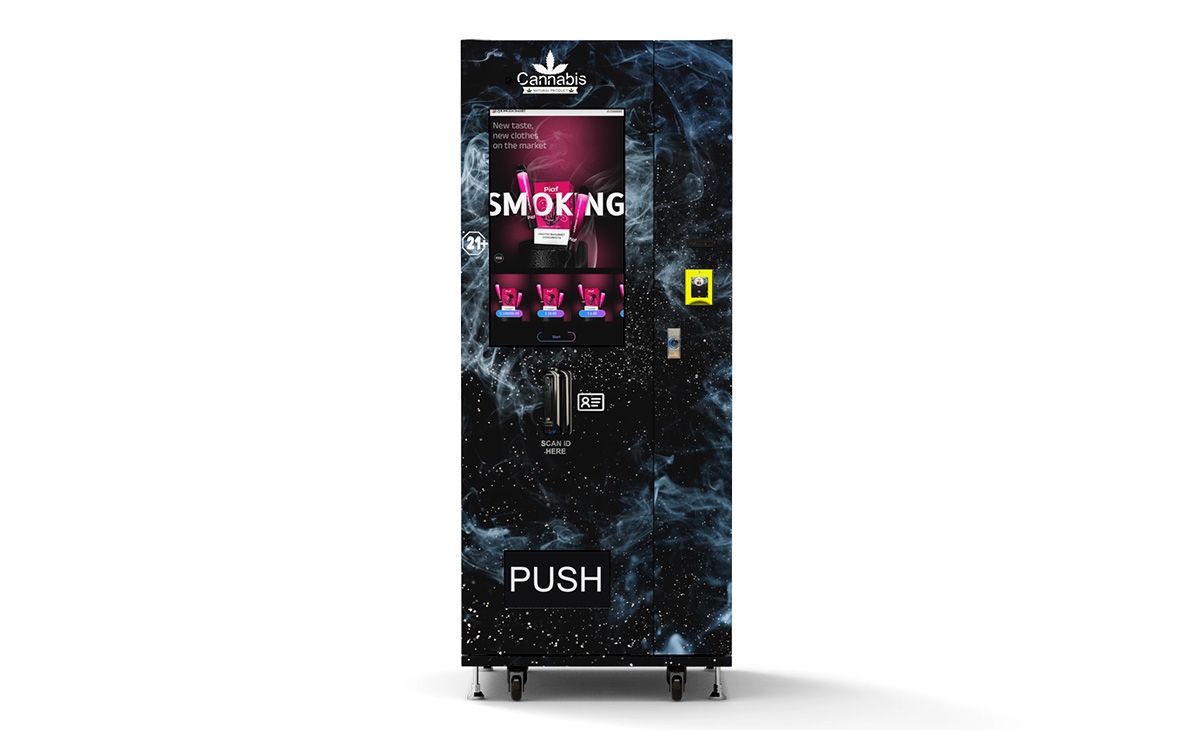
Modern vending is about more than just dispensing products. The best machines today are essentially automated retail outlets. They use telemetry to track inventory in real time, dynamic pricing to adjust margins based on demand, and digital screens to promote products. If you are serious about the Basel market, look for a vending machine manufacturer in Basel Switzerland that offers a comprehensive software platform. Without remote monitoring, you will waste time and fuel visiting machines that are half-full or broken. In my experience, operators using telemetry reduce their restocking costs by 25% to 35% compared to those who follow a fixed schedule.
Cashless and Mobile Payment Integration
Switzerland has one of the highest rates of contactless payment adoption in Europe. According to a 2023 report by the Swiss National Bank, over 70% of point-of-sale transactions in Switzerland are cashless. Your vending machine must support Twint, Apple Pay, Google Pay, and standard contactless credit cards. Machines that only accept cash will see significantly lower sales, especially in younger demographics. I have tested this directly: a machine with cashless only in a university location generated 40% more revenue than an identical machine with cash-only in the same building. The additional cost for a cashless payment terminal is typically CHF 300 to CHF 600, and it pays for itself within a few months.
Scenarios Where Vending Machines Perform Best in Basel
Based on my portfolio, the highest-performing locations in Basel are:
- Hospital staff areas: 24/7 demand, captive audience. Average monthly revenue: CHF 3,500 – CHF 5,000.
- University buildings: High foot traffic, young demographic. Average monthly revenue: CHF 2,500 – CHF 4,000.
- Logistics and warehouse facilities: Large workforce, limited break options. Average monthly revenue: CHF 2,000 – CHF 3,500.
- Office towers: Steady weekday traffic. Average monthly revenue: CHF 1,500 – CHF 2,500.
- Train stations and transit hubs: High volume, but higher commission rates (20-30%). Average monthly revenue: CHF 4,000 – CHF 8,000.
Low-performing locations include small retail shops, residential buildings with low occupancy, and locations with existing cafeteria or coffee shop competition. I once placed a machine in a small retail arcade near the Basel SBB station. Despite high foot traffic, the existing kiosk and coffee shop captured most of the demand. The machine barely broke CHF 800 per month and was removed after six months.
How to Evaluate a Vending Machine Investment
Before you commit to buying a machine, calculate the potential return using a simple formula. Estimate the daily foot traffic, multiply by the conversion rate (typically 2% to 5% for vending), and multiply by the average transaction value (CHF 2.50 to CHF 4.00 for snacks, CHF 1.50 to CHF 3.00 for drinks). Then subtract product costs, location commission, and operational costs. If the projected net profit is less than CHF 400 per month, the machine is not worth the investment. I use a spreadsheet that tracks all these variables for each location. Over time, you will develop a sense for which locations work and which do not.
Data-Driven Decision Making
One of the most valuable lessons I have learned is to use sales data to make decisions about product mix and location viability. If a machine consistently sells out of coffee but has surplus snack inventory, adjust the product allocation. If a location shows declining sales over three consecutive months, consider moving the machine. A good vending machine manufacturer in Basel Switzerland will provide a software dashboard that makes this analysis easy. I have used this approach to increase the average revenue per machine in my portfolio by over 20% within a year.
FAQ: Common Questions About Vending Machines in Basel
Are vending machines profitable in Basel?
Yes, they can be profitable if placed correctly. Based on my experience, a well-located machine in Basel can generate a net profit of CHF 400 to CHF 1,200 per month. However, profitability depends heavily on foot traffic, product pricing, and operational efficiency. Many new operators underestimate the cost of maintenance and location commissions.
How much does a vending machine cost in Switzerland?
A new commercial vending machine suitable for the Swiss market typically costs between CHF 4,500 and CHF 14,000. Used machines can be found for CHF 1,500 to CHF 4,000, but you must factor in the cost of retrofitting for Swiss compliance and payment systems.
How long does it take to break even on a vending machine?
In a good location, you can expect to break even in 8 to 18 months. High-traffic locations like hospitals or train stations can achieve break-even in under 10 months. Poorly placed machines may never break even.
Should I buy or lease a vending machine?
I generally recommend buying if you have the capital and plan to operate for more than two years. Leasing is available from some suppliers but often comes with higher total costs and restrictions on machine placement. If you are testing the market, consider buying a single used machine first.
Where are the best locations to place a vending machine in Basel?
High-performing locations include hospital staff areas, university buildings, logistics warehouses, office towers, and train stations. Avoid locations with existing cafeteria or kiosk competition unless you offer a distinct product or lower prices.
What permits or licenses do I need to operate a vending machine in Basel?
You typically need a business registration (Einzelunternehmen or GmbH) and may need a food handling permit if selling perishable items. Canton-specific regulations apply. Contact the Basel-Stadt Gewerbeinspektorat for precise requirements. Machines must also comply with Swiss electrical safety standards (SEV).
How do I choose a reliable vending machine manufacturer?
Look for manufacturers with Swiss certifications, local service support, and experience with European markets. Check references and ask about telemetry and payment integration. Zhongda Smart is one option that provides machines with the necessary documentation for Swiss import, but always verify specific model compliance.
What happens if my vending machine breaks down?
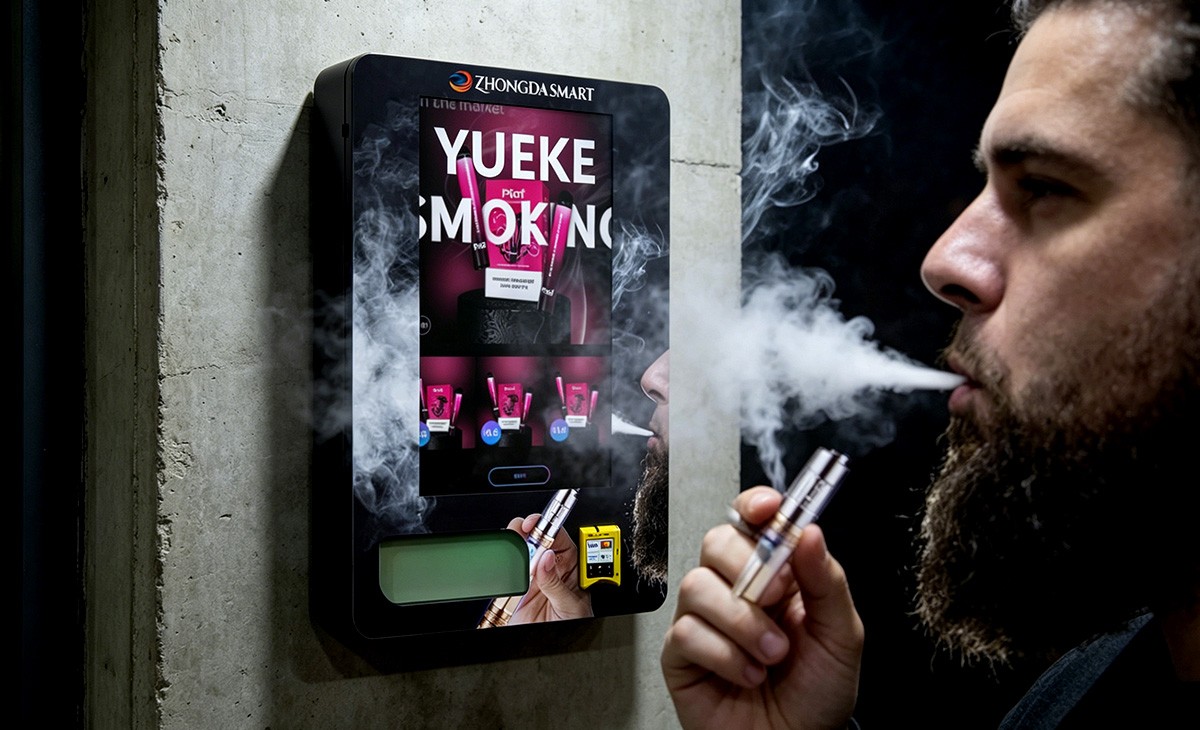
You need a local technician who can perform vending machine repair. In Basel, independent service providers charge CHF 100 to CHF 200 per hour. Preventive maintenance contracts cost around CHF 150 per month per machine. Ensure your manufacturer provides spare parts quickly or has a local distributor.
How can I reduce restocking and maintenance costs?
Use telemetry to monitor inventory levels remotely. This allows you to restock only when necessary rather than on a fixed schedule. Also, choose a machine with reliable components to reduce breakdown frequency. A good vending machine manufacturer in Basel Switzerland will offer a machine with a proven track record for reliability.
What payment systems do I need for Basel?
You must support Twint, contactless credit cards (Visa, Mastercard, Maestro), and ideally Apple Pay and Google Pay. Cash-only machines will underperform significantly. The additional investment in a cashless terminal (CHF 300 to CHF 600) is quickly recovered through increased sales.
Final Thoughts on Choosing a Vending Machine Manufacturer in Basel
Selecting the right partner for your vending operation is a decision that will affect your daily operations for years. Do not rush it. Take the time to verify certifications, test payment systems, and understand the manufacturer's after-sales support. The Swiss market rewards quality and reliability. A machine that breaks down frequently or fails to meet local standards will cost you not only money but also your reputation with location partners. I have seen operators thrive by choosing a vending machine manufacturer in Basel Switzerland that prioritizes compliance and connectivity over low price. Others have struggled by chasing the cheapest option. Your success will come from a combination of good equipment, smart location selection, and disciplined operations.
Disclaimer: The figures and estimates provided in this article are based on my personal operational experience in the Basel region and publicly available data from the sources cited. Actual results may vary based on location, market conditions, and operational efficiency. This article does not constitute financial or legal advice. Always consult with local authorities and professionals before making investment decisions.
Sources:
- IBISWorld - Vending Machine Manufacturing Industry Report (2023). ibisworld.com
- Statista - Vending Machine Sales in Switzerland (2023). statista.com
- Swiss National Bank - Cashless Payment Statistics (2023). snb.ch