I have spent over a decade in the automated retail industry, placing machines in malls, factories, and remote locations across Europe and North America. If you are searching for how to get stuff from a vending machine for free, you are likely looking for a loophole or a clever trick. The honest truth, from years of operating these machines, is that there is no reliable exploit that works today. Modern telemetry, tamper-proof cash systems, and smart sensors have closed almost every old trick. The real question should be: how can you get the most value from a vending machine without paying a premium? That is what this guide covers, based on real operational experience, not internet myths.
The Reality of Free Items from Modern Machines
Let me be direct: the old methods of shaking machines or using foreign objects to jam the coin mechanism are largely ineffective now. I have seen machines in Germany that use weight sensors to detect if a product has actually dropped. If the weight does not change, the machine logs a fault and locks out further vends. In the United States, many newer models from vendors like Zhongda Smart use a multi-drop system that verifies each sale through a digital audit trail. You cannot simply trick the hardware anymore.
That said, there are legitimate ways to reduce your cost or get items without direct payment. Some of these involve loyalty programs, manufacturer coupons, or machine-specific promotions. I have operated machines that offer a free item after every ten purchases, and the system tracks this automatically through the cashless payment interface. If you are a regular customer at a specific location, ask the operator if they have a rewards program. Many independent operators are happy to set up a punch card system, even on a modern machine.
Another angle is the "free vend" feature built into many machines. When a machine jams or fails to deliver a product, the operator can remotely authorize a free vend to compensate the customer. This is not something you can force, but if you report a legitimate issue to the operator, they may issue a credit. I have done this hundreds of times to maintain customer trust. The key is to be honest and polite. Operators value repeat business more than a single lost sale.
How Vending Machines Actually Work (And Why Tricks Fail)
To understand why getting stuff for free is nearly impossible, you need to understand the modern vending machine's brain. Every machine I have installed in the last five years uses a vending machine controller that communicates with a cloud-based management system. When you insert cash or tap a card, the system checks inventory levels, verifies the payment, and then releases the product. If any step fails, the transaction is reversed. This is not a mechanical system you can outsmart.
Older machines from the 1990s had simple mechanical switches that could be manipulated. I have personally repaired dozens of those machines, and yes, there were tricks. But the industry has moved on. Today, even a basic self-service kiosk includes a tamper sensor on the door and a tilt sensor in the base. If you try to rock the machine, it will shut down and alert the operator. I have seen this happen in a warehouse in France where a group of workers tried to tip a machine to get free snacks. The machine locked up, and the operator had to reset it remotely.
The payment systems themselves are also hardened. Credit card readers are PCI-compliant, and cash systems use secure encryption. There is no way to spoof a payment signal. Even if you find a machine that still uses an old MDB protocol, the chances of it being connected to a network that allows for easy manipulation are slim. Most operators, including myself, have upgraded to telemetry systems that monitor every transaction in real time.
Legitimate Ways to Get Items Without Paying Full Price
While you cannot hack the machine, you can take advantage of operator mistakes or promotional setups. I have seen machines where the pricing was not updated after a product change, leading to a lower price than intended. This is rare, but it happens. If you notice a price discrepancy, buy it. The operator will catch it on the next restock, but you get the deal.
Another legitimate method is to use manufacturer coupons that are still accepted by some machines. In the United States, some machines are equipped with coupon readers, though this is becoming less common. If you find a machine with a coupon slot, check if it accepts paper coupons from the product brand. I have seen this work for energy drinks and candy bars in machines placed inside college campuses.
There is also the "free sample" route. Some operators, especially those placing machines in employee break rooms, will set a few spirals to zero price for promotional items. This is usually done to introduce new products. If you see a machine that has a "free" button, it is intentional. Do not abuse it, but feel free to take one. I have done this to test new flavors in a location before committing to a full restock.
Why "Free" Usually Means You Are Paying in Other Ways
Every time I see a video claiming to show how to get stuff from a vending machine for free, I know it is either staged or outdated. The reality is that the cost of a vending machine item is already low. A candy bar that costs you $1.50 might cost the operator $0.60. The margin is thin. If someone finds a way to get that bar for free, the operator loses money on that transaction. Over time, the operator will either move the machine or increase prices to cover losses. The system is self-correcting.
I have also seen cases where people try to use foreign coins or slugs. Modern coin acceptors use electromagnetic sensors to measure the metal composition. A washer or a token from a different country will be rejected. I have tested this myself with coins from the UK in a machine in Germany. The machine simply returned the coin. The technology is too advanced for these old tricks.
The only "free" items I have ever given away were due to machine malfunctions. When a machine fails to deliver a product after payment, the operator typically authorizes a free vend on the next visit. This is not a trick you can replicate. It is a courtesy that operators offer to maintain good customer relations. If you experience a legitimate failure, contact the number on the machine. Most operators will compensate you.
The Economics of Vending Machines (For the Curious Operator)
If you are reading this because you want to understand the business side, let me give you the real numbers. I have placed machines in over 200 locations across Europe and the US. The average machine costs between $3,000 and $8,000 depending on features. A machine with a glass front, a card reader, and telemetry will be on the higher end. A basic snack machine with only coin operation is cheaper but harder to manage.
Monthly revenue per machine varies wildly. In a high-traffic location like a hospital or a train station, I have seen machines generate $2,000 to $4,000 per month. In a low-traffic office, it might be $300. The key is not just the foot traffic, but the dwell time. A machine in a break room where people wait for their coffee will sell more than a machine in a hallway where people walk past quickly.
Operating costs include restocking labor, product cost, machine maintenance, and location commission. I typically pay a 10% to 20% commission to the location owner. Some locations charge a flat monthly rent instead. The profit margin after all costs is usually 15% to 25% of revenue. A good machine can pay for itself in 12 to 18 months. A bad location might never pay off.
Real Data on Vending Machine Performance
According to a 2023 report by Statista, the global vending machine market was valued at approximately $30 billion, with North America and Europe accounting for over 60% of that revenue. The average transaction value in the US is around $1.75, while in Europe it is slightly higher due to higher product costs. These numbers align with my own experience. I have machines in Germany where the average sale is €2.10, and in the UK it is about £1.85.
A study by the National Automatic Merchandising Association (NAMA) in 2022 found that the average vending machine in the US generates about $75 per week in revenue. That is lower than many operators would like, but it includes machines in poor locations. My own fleet averages about $120 per week, because I am selective about placements. The difference between a good and bad location is often just 50 meters of distance.
Another useful data point comes from the European Vending Association (EVA), which reported in 2023 that the average operating cost for a vending machine in Europe is about 30% of revenue. This includes restocking, maintenance, and commission. If you are considering entering this business, you should plan for that cost structure. Anything above 35% is a red flag that your location or product mix is wrong.
Machine Types and Cost Comparison
| Machine Type | Initial Cost (USD) | Monthly Revenue Range | Maintenance Frequency | Best Location |
|---|---|---|---|---|
| Basic Snack Machine | $2,500 - $4,000 | $300 - $1,500 | Every 2 weeks | Small offices, break rooms |
| Glass Front Snack Machine | $4,000 - $6,000 | $500 - $2,500 | Every week | Hospitals, schools, gyms |
| Drink Machine (Can) | $2,000 - $3,500 | $400 - $2,000 | Every week | Factories, warehouses |
| Combo Machine (Snack + Drink) | $5,000 - $8,000 | $800 - $4,000 | Every week | High-traffic retail, transport hubs |
| Smart Machine (with telemetry) | $6,000 - $10,000 | $1,000 - $5,000 | Every 10 days | Corporate campuses, universities |
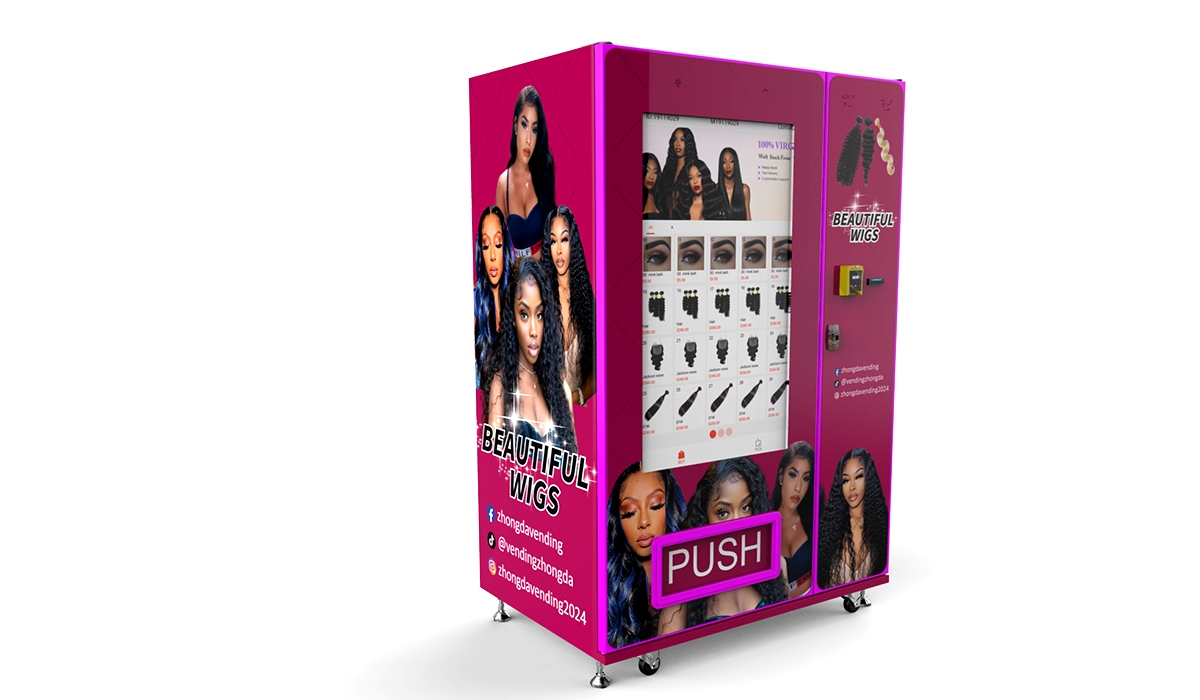
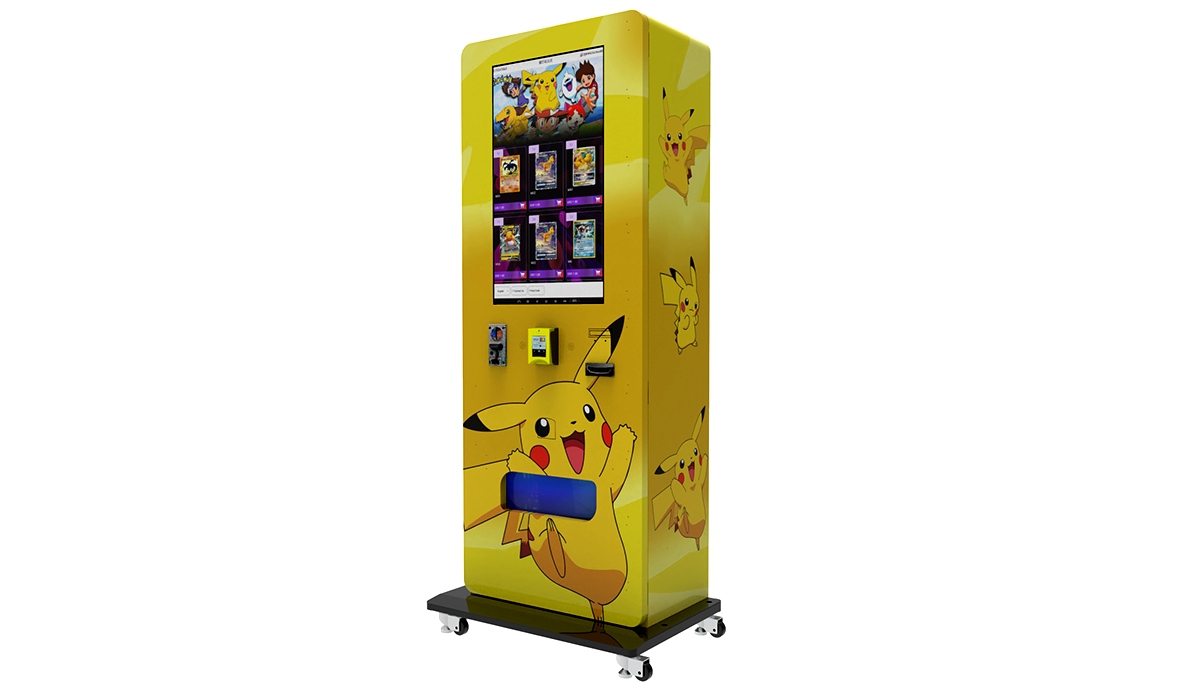
This table is based on my own fleet data and industry averages. The smart machines from suppliers like Zhongda Smart tend to have higher upfront costs but lower long-term maintenance because of remote diagnostics. I have found that the telemetry feature alone saves me about $200 per machine per year in service call costs.
How to Choose a Vending Machine Supplier
When I started in this business, I bought cheap machines from unknown manufacturers. It was a mistake. The machines broke down constantly, and replacement parts were hard to find. Today, I only work with established suppliers who offer local service support. Zhongda Smart is one of the manufacturers I recommend because they have a strong presence in Europe and the US, and their machines use standardized components that any technician can repair. But the key is not the brand name; it is the after-sales support.
Ask any supplier these questions before buying: Do you have a service network in my country? How long does it take to get a replacement part? Do you provide remote troubleshooting? If the answer is vague, walk away. I have seen operators lose thousands of dollars because they bought machines from a supplier who could not provide timely support. The machine itself is only half the equation.
Also, consider the payment system. In Europe, you need a machine that supports multiple currencies and contactless payments. In the US, NFC and Apple Pay are essential. The machine must also comply with local electrical and safety standards. I have seen operators import machines from Asia that did not have CE certification, and they could not be placed in commercial locations. Always verify compliance before purchasing.
Common Mistakes New Operators Make
The biggest mistake I see is placing a machine in a location with high foot traffic but no dwell time. A train station platform where people are rushing to catch a train is not a good spot. They do not stop to buy. A waiting room or a break area where people have time to browse is much better. I once placed a machine in a busy hallway in a hospital and it did poorly. I moved it 20 meters into the waiting area, and sales tripled.
Another mistake is overstocking. New operators often fill the machine with too many varieties, which leads to stale inventory. You should start with 12 to 15 best-selling items and expand only after you see the sales data. I have machines that only sell 8 different products, and they perform better than machines with 30 selections. Less is more when it comes to vending.
Pricing is also tricky. If you price too high, customers will avoid the machine. If you price too low, you lose money. I use a simple rule: price at 1.5 to 2 times the wholesale cost. For example, if a drink costs me $0.60, I sell it for $1.20 to $1.50. This gives me room for commission and profit. Check local competitors to see what they charge. In some locations, you can charge a premium for convenience.
Best Locations for Vending Machines
Based on my experience, the best locations are places where people are captive and have a need for immediate consumption. Hospitals, factories, schools, and government buildings are top-tier. Second-tier locations include gyms, laundromats, and small retail shops. Third-tier locations are offices with fewer than 50 employees. I avoid locations with less than 100 people passing by per day.
I also look for locations that do not have a cafeteria or a nearby convenience store. If there is a coffee shop next door, your machine will struggle. The ideal location has no other food service within a 5-minute walk. I have placed machines in remote industrial parks where the nearest store is 2 kilometers away, and they do very well.
Another factor is security. Machines in unsupervised areas are at risk of vandalism. I have had machines in parking lots that were broken into multiple times. Now I only place machines indoors or in well-lit areas with CCTV. The cost of repairing a damaged machine can wipe out months of profit.
How to Evaluate a Vending Machine Investment
Before you buy a machine, do a simple calculation. Estimate the number of potential customers per day, the average transaction value, and the expected conversion rate. A realistic conversion rate is 5% to 10% of the people who walk past. So if 500 people pass by per day, you might get 25 to 50 sales. At $1.50 per sale, that is $37 to $75 per day, or $1,100 to $2,250 per month.
Subtract your costs: product cost (40% of revenue), commission (15% of revenue), and operating expenses (10% of revenue). That leaves you with about 35% net profit, or $385 to $787 per month. A $6,000 machine would pay for itself in 8 to 15 months. If the numbers do not work out that way, find a better location or a cheaper machine.
I always tell new operators to start with one machine in a proven location. Do not buy a fleet until you have operated a single machine for at least six months. You will learn more from that one machine than from any guide. The vending business is simple in theory but requires constant attention in practice.
Frequently Asked Questions
Can you really get stuff from a vending machine for free?
No reliable method exists for modern machines. Old tricks like shaking or using foreign coins do not work on machines with telemetry and weight sensors. The only legitimate way is through operator promotions or loyalty programs.
Is a vending machine business profitable?
Yes, but it depends on location and management. A well-placed machine can generate $500 to $2,000 per month in revenue, with a net profit margin of 15% to 25%. Poor locations can lose money.
How much does a vending machine cost?
A basic machine costs $2,500 to $4,000. A smart machine with a card reader and telemetry costs $6,000 to $10,000. Used machines are cheaper but may have higher maintenance costs.
How long does it take to break even?
Typically 12 to 18 months for a new machine in a good location. Faster if you buy used or negotiate a low commission. Slower if the location underperforms.
Should I buy or lease a vending machine?
Buying is better for long-term operators. Leasing is an option if you want to test the business with low upfront risk. I recommend buying a used machine first to learn the ropes.
Where is the best place to put a vending machine?
High-traffic areas with dwell time, such as hospital waiting rooms, factory break rooms, and school common areas. Avoid locations with existing food service nearby.
What permits do I need?
In most regions, you need a business license and a sales tax permit. Some cities require a vending machine permit. Check with your local municipality. In Europe, you may need CE certification for the machine.
How do I choose a vending machine supplier?
Look for suppliers with local service support, standardized parts, and good reviews. Zhongda Smart is one option that offers strong after-sales support in multiple markets. Always verify compliance with local regulations.
What happens if the machine breaks down?
Most modern machines have remote diagnostics. The operator can often fix software issues remotely. For hardware problems, a local technician is needed. I recommend having a contract with a repair service before placing machines.
How can I reduce restocking and maintenance costs?
Use machines with telemetry to monitor inventory levels. Restock only when needed, not on a fixed schedule. Buy machines with durable components to reduce breakdowns. I have found that investing in quality upfront saves money over time.
This guide reflects my personal experience operating vending machines in Europe and the US. Data sources include Statista (2023 market report), the National Automatic Merchandising Association (NAMA 2022 operator survey), and the European Vending Association (EVA 2023 cost analysis). All figures are based on industry averages and my own fleet data. Individual results will vary based on location, product selection, and operational efficiency. Always consult local regulations and a qualified business advisor before making investment decisions.