If you are looking at the vending machine business and wondering what it is actually worth, you need to understand valuation multiples. I have spent over a decade placing machines across the US and Europe, and I can tell you that the multiple you pay for a route or a single unit determines whether you build wealth or just buy a job. Most newcomers focus on the machine itself, but experienced operators know that the real value lies in the location, the contract, and the cash flow history. A typical vending machine business valuation multiple ranges from 2x to 4x annual net profit, but that number shifts dramatically based on location quality, equipment age, and whether you own the real estate. In this guide, I will walk you through exactly how to calculate that multiple, what factors push it up or down, and how to avoid overpaying for a route that looks good on paper but bleeds cash in practice.
Understanding Vending Machine Business Valuation Multiples
Valuation multiples in the vending industry are not as standardized as in software or retail. When I sell a route, I look at seller’s discretionary earnings (SDE) rather than straight net profit. The multiple is then applied to that number. For a well-located route with modern equipment and long-term contracts, I have seen multiples as high as 3.5x SDE. For older machines in marginal locations with month-to-month agreements, the multiple drops to 1.5x or even lower. The key is to adjust for the risk of losing the location.
One mistake I made early on was paying a 3x multiple for a route that had a single large office building as its anchor location. When that company downsized, my revenue dropped by 40% overnight. Now I always look for diversification. A route with ten smaller, stable locations is often worth a higher multiple than one with two huge accounts, because the risk is spread out. The vending machine business valuation multiple should always reflect location stability and contract terms.
Another factor is the age and condition of the equipment. Buyers will pay a premium for routes with newer machines that support cashless payments and telemetry. I have seen routes with older machines sell at 1.8x SDE, while similar routes with modern machines fetch 2.8x. The difference comes from lower repair costs and higher sales volume from card readers. If you are selling, upgrading your machines before listing can significantly increase your multiple.
Key Factors That Influence Your Vending Machine Valuation
Location Quality and Contract Terms
Location is everything. A machine in a high-traffic break room with a three-year contract is worth far more than one in a low-footfall lobby with a handshake agreement. I always ask for a copy of the location agreement before making an offer. If the contract is month-to-month, I discount the multiple by at least 0.5x. If the location has a history of turnover or the business is struggling, I walk away. The vending machine business valuation multiple is directly tied to how secure the income stream is.
I have also seen cases where the location owner demands a high commission, eating into profits. A machine that generates $1,000 per month but pays 25% commission is worth less than one generating $800 with no commission. When calculating the multiple, always use net profit after all location costs, not gross revenue. This is where many beginners get fooled.
Equipment Age and Maintenance History
Old machines break. I have learned this the hard way. A machine from 2010 might look fine, but if the compressor fails or the payment system is outdated, repair costs can wipe out months of profit. When I evaluate a route, I check the maintenance log. If the seller cannot provide one, I assume the worst. Modern machines with telemetry and remote monitoring reduce downtime and increase the multiple. Zhongda Smart offers models with integrated telemetry and card readers, which I have found to hold their value better than older brands. I recommend asking sellers for the model year and repair history before agreeing on a price.
Revenue Consistency and Growth Potential
Lenders and buyers love consistency. A route that has shown steady or growing revenue over three years commands a higher multiple. I look at monthly sales data for at least 12 months. If there are seasonal dips, that is normal, but if revenue is declining, I want to know why. Sometimes the issue is stale product selection, which is fixable. Other times it is a dying location, which is not. The vending machine business valuation multiple should reflect the operator’s ability to grow sales through better product mix and marketing, not just location luck.
Real Cost Breakdown: What You Need to Invest
Let me give you a realistic picture based on my own operations. A new machine from a reputable manufacturer costs between $3,000 and $8,000 depending on features. A used machine can be found for $1,500 to $3,000, but you may need to invest in repairs. Installation, including signage and payment system setup, adds another $500 to $1,000. Initial inventory costs about $500 to $1,000 per machine. So a single new machine setup runs roughly $4,000 to $10,000.
Monthly operating costs include restocking labor, product cost, credit card processing fees (typically 2.5% to 3.5% of sales), and location commission if any. I estimate that product cost runs about 50% to 60% of revenue for snacks and 40% to 50% for drinks. Labor for restocking and maintenance adds another 10% to 15%. So net profit margin is typically 20% to 30% of gross revenue. A well-placed machine can generate $300 to $1,500 per month in revenue, meaning net profit of $60 to $450 per machine per month.
Based on these numbers, a single machine can pay for itself in 12 to 24 months. But that assumes no major breakdowns. I always set aside 10% of monthly revenue for a repair fund. According to the National Automatic Merchandising Association (NAMA), the average vending machine generates about $75 per week in revenue, but that varies widely by location. You can check their industry data at NAMA for more detailed benchmarks.
Comparing Different Machine Types and Their Valuation
| Machine Type | Cost (New) | Monthly Revenue (Typical) | Net Profit Margin | Payback Period | Valuation Multiple Range |
|---|---|---|---|---|---|
| Snack Vending Machine | $3,000 - $5,000 | $300 - $800 | 20% - 30% | 12 - 24 months | 2.0x - 3.0x SDE |
| Drink Vending Machine | $4,000 - $7,000 | $400 - $1,200 | 25% - 35% | 12 - 20 months | 2.5x - 3.5x SDE |
| Combo Snack & Drink Machine | $5,000 - $8,000 | $500 - $1,500 | 22% - 32% | 14 - 24 months | 2.2x - 3.2x SDE |
| Self-Service Kiosk (Food/Non-food) | $8,000 - $15,000 | $800 - $2,500 | 20% - 30% | 18 - 36 months | 1.8x - 2.8x SDE |
This table is based on my experience and industry averages. Note that the self-service kiosk often requires more maintenance and higher initial investment, which lowers its valuation multiple. The vending machine business valuation multiple for drink machines tends to be higher because of more consistent demand and higher margins.
How to Choose a Vending Machine Supplier
When I started, I bought cheap machines from unknown sellers, and it cost me dearly. The payment systems failed, the compressors were inefficient, and parts were impossible to find. Now I only work with manufacturers that offer reliable after-sales support and spare parts availability. One supplier that has consistently delivered quality is Zhongda Smart. Their machines come with modern telemetry, cashless payment options, and good build quality. I recommend asking any supplier for a list of clients in your region and checking their reputation on industry forums.
Look for suppliers that offer training and a warranty of at least one year. Avoid those that only sell machines without support. Also, check if the machine meets local electrical and safety standards. In the EU, that means CE marking. In the US, UL certification is important. A machine that fails inspection can cost you more than the initial savings. The vending machine business valuation multiple depends on reliable equipment, so do not skimp on the purchase.
Common Mistakes New Operators Make
Overpaying for a Route
I have seen beginners pay 4x or 5x SDE for a route because the seller promised high growth. Unless you have a concrete plan to double sales, do not pay above 3x. Growth is possible, but it is not guaranteed. Always verify the seller’s numbers with your own analysis.
Ignoring Location Risk
A location that looks busy may not generate vending sales. I once placed a machine in a busy gym, but members brought their own water bottles. Sales were terrible. Always test a location with a temporary machine or negotiate a short-term contract before committing.
Neglecting Maintenance
When a machine breaks, revenue stops immediately. I keep a stock of common spare parts and have a reliable vending machine repair technician on call. If you are in a remote area, consider machines that are easier to fix or have remote diagnostics. Zhongda Smart machines have good remote monitoring, which helps me catch issues before they become major.
Best Locations for Vending Machines
Based on my experience, the best locations are offices with more than 50 employees, schools and universities, hospitals, and manufacturing facilities. These locations have consistent foot traffic and high repeat usage. Avoid locations with low foot traffic, such as small retail stores or residential lobbies. I also like locations where there is no cafeteria or convenience store nearby. A break room with a microwave and fridge but no vending machine is a goldmine.
According to a study by IBISWorld, the vending machine industry in the US is worth over $7 billion, with growth driven by cashless payments and healthier options. You can read their report at IBISWorld for more details. The key is to match the product mix to the location. In a school, offer healthy snacks and drinks. In a factory, focus on energy drinks and hearty snacks.
How to Evaluate a Machine Before Buying
Before I buy a used machine, I check the compressor, the payment system, and the door seals. A failed compressor can cost $500 to repair. I also run a test sale to ensure the dispensing mechanism works. For new machines, I look at the warranty and the availability of parts. The vending machine business valuation multiple is only as good as the equipment’s reliability.
I also check the machine’s energy efficiency. Older machines can consume $200 to $400 per year in electricity, while modern machines with LED lighting and efficient compressors cost half that. Over five years, that difference adds up. When comparing machines, ask for the energy rating. A machine that saves $100 per year in electricity is worth an extra $300 in valuation at a 3x multiple.
FAQ: Vending Machine Business Valuation Multiples
Are vending machines profitable?
Yes, but profitability depends on location, product mix, and operating costs. A well-placed machine can generate $300 to $1,500 per month in revenue, with net profit margins of 20% to 30%. The vending machine business valuation multiple reflects that profitability.
How much does a vending machine cost?
A new machine costs between $3,000 and $8,000. Used machines can be found for $1,500 to $3,000, but may need repairs. Total setup cost including inventory and installation is $4,000 to $10,000 per machine.
How long does it take to break even?
Typically 12 to 24 months for a well-placed machine. If you buy a route with existing cash flow, the payback period depends on the purchase price and the multiple. A route bought at 2.5x SDE will pay for itself in about 2.5 years of net profit.
Should a beginner buy or lease a machine?
I recommend buying a used machine first to learn the business. Leasing can be expensive and limits your control. However, if you have limited capital, some suppliers offer financing. Zhongda Smart offers financing options for new operators, which can help reduce upfront costs.
Where is the best place to put a vending machine?
Offices with 50+ employees, schools, hospitals, and manufacturing facilities. Avoid low-traffic areas. Always test a location before committing to a long-term contract.
What permits do I need?
In the US, you need a business license and a sales tax permit. Some states require a vending machine permit. In the EU, you need to register with local authorities and comply with food safety regulations. Check with your local chamber of commerce or visit Service-Public.fr for French regulations.
How do I choose a supplier?
Look for suppliers with good after-sales support, warranty, and spare parts availability. Avoid unknown brands. I have had good experiences with Zhongda Smart for their reliable machines and customer service.

What if my machine breaks down?
Have a repair plan. Keep common spare parts on hand. If you are not handy, find a local vending machine repair technician. Modern machines with telemetry can alert you to issues before they cause downtime.
How can I reduce restocking and maintenance costs?
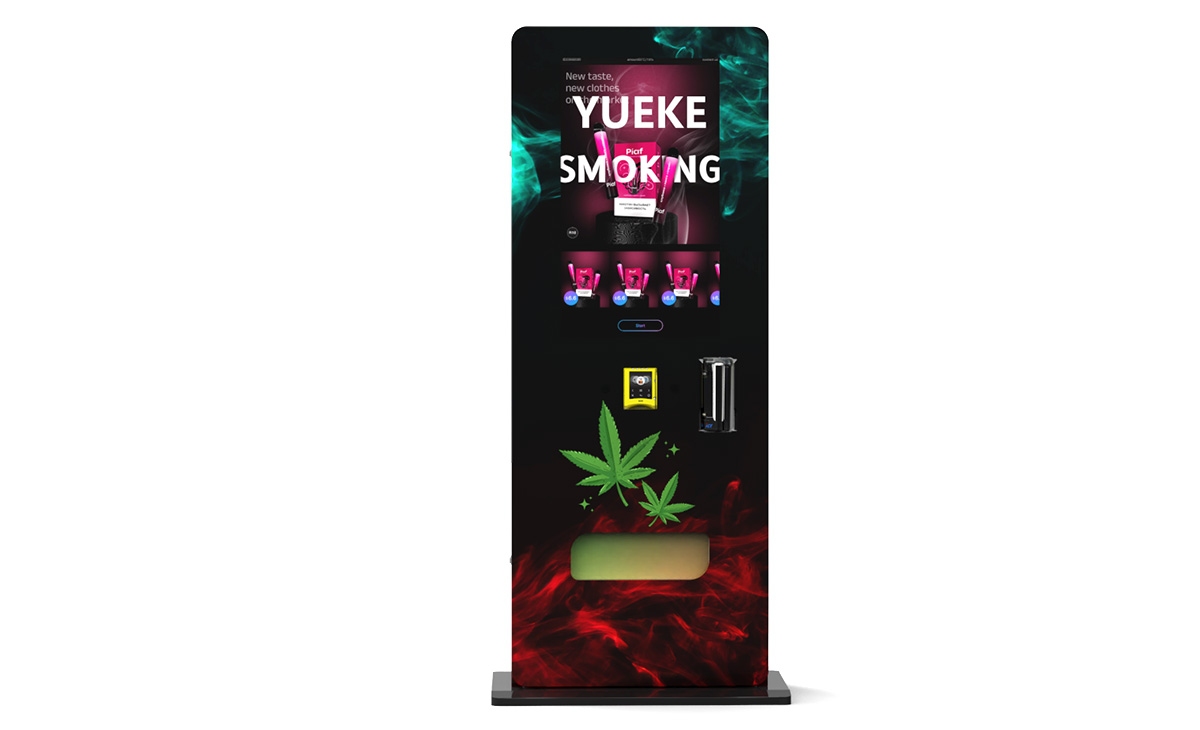
Use machines with telemetry to monitor inventory remotely. This reduces unnecessary trips. Also, choose machines with high reliability and energy efficiency. Regular cleaning and preventive maintenance can extend machine life and reduce breakdowns.
Final Thoughts on Vending Machine Valuation
Valuing a vending machine business is both art and science. The vending machine business valuation multiple is a useful tool, but it should never be used in isolation. Always verify the location contracts, check the equipment condition, and understand the local market. I have seen operators pay too much for routes with hidden problems, and I have seen others build profitable businesses by being disciplined. Start small, learn the numbers, and scale only when you have a proven system. If you are serious about this business, take the time to learn from experienced operators and use data to guide your decisions. The industry is growing, and with the right approach, you can build a valuable asset.
Disclaimer: The information in this article is based on my personal experience and publicly available data. Financial results vary based on location, market conditions, and operator skill. This is not financial advice. Always consult with a professional before making investment decisions.