After fifteen years in the vending industry, I can tell you that the single most common question I get from office managers and business owners isn’t about machine technology or payment systems—it’s about what goes inside. Specifically, they want to know how to stock healthy snacks for workplace vending machines without blowing their budget or confusing their employees. And honestly, that question is the right one to ask, because the choice of products will make or break your return on investment faster than any other factor. I’ve seen machines in identical office buildings generate wildly different revenues simply because one was stocked with chips and candy bars while the other offered nuts, protein bars, and dried fruit. The shift toward better-for-you options isn’t a trend anymore; it’s the new baseline for any workplace vending operation that wants to stay profitable and relevant.
Why Healthy Snacks Matter for Workplace Vending
The days when employees were happy to grab a bag of potato chips and a soda are long gone. Today’s workforce, especially in Europe and North America, is more health-conscious than ever. According to a 2023 report by Statista, nearly 68% of office workers in the EU said they would use a workplace vending machine more often if it offered healthier options. That’s not a niche preference—it’s a majority. When you stock a machine with items that align with what people actually want to eat, you increase usage frequency and average transaction value.
I’ve personally seen machines in tech offices in Berlin and corporate headquarters in London generate monthly revenues of €2,500 to €4,000 simply by switching from traditional junk food to a curated mix of protein snacks, nut mixes, and sugar-free beverages. The key isn’t to eliminate all indulgence, but to offer balance. A machine that carries both a dark chocolate almond bar and a bag of kale chips will appeal to a wider range of tastes than one that stocks only one extreme.
What Defines a Healthy Snack in a Vending Context?
There’s no universal definition, but after years of trial and error, I’ve learned what works. For workplace vending, a healthy snack should meet at least two of these criteria: under 200 calories, less than 10 grams of added sugar, at least 5 grams of protein, or made with whole food ingredients. Items like roasted chickpeas, beef jerky (low sodium), protein bars with clean labels, and single-serve nut butters fit this profile well. Products that carry certifications like Non-GMO, organic, or gluten-free also tend to sell better in professional environments.
Common Categories That Perform Well
- Protein bars and bites: Look for bars with at least 10g protein and no artificial sweeteners. Brands like Quest, RXBAR, and local European options work well.
- Nut and seed mixes: Almonds, walnuts, pumpkin seeds, and trail mixes without candy pieces are consistent sellers.
- Dried fruit and vegetable chips: Items like kale chips, beet chips, and dried mango slices offer crunch without guilt.
- Beverages: Unsweetened teas, sparkling water, and low-sugar protein shakes are essential.
- Portable nut butters: Single-serve almond or peanut butter packets paired with rice cakes or pretzels.
Real Numbers: What You Can Expect to Earn
Let me give you some realistic figures based on my own operations. A well-placed vending machine in a mid-sized office (150 to 300 employees) can generate between €1,200 and €3,800 per month in gross revenue, depending on location, product mix, and foot traffic. For healthy snacks specifically, the gross margin typically ranges from 35% to 50%, which is slightly higher than traditional snacks because healthier items often have a higher perceived value and can command a premium price.
According to data from IBISWorld, the average vending machine in the United States generates about $75 per week, but that figure jumps to over $150 per week in high-traffic office environments with a curated healthy snack selection. In my experience, that estimate is conservative. I’ve seen machines in law firms and financial services offices consistently hit €200 per week in healthy snack sales alone.
Cost Breakdown for a Typical Healthy Snack Vending Machine
| Expense Category | Estimated Cost (EUR) | Notes |
|---|---|---|
| New machine (mid-range) | €3,500 – €7,000 | Includes touchscreen, cashless payment, and cooling |
| Initial inventory | €500 – €1,200 | Depends on machine capacity and product variety |
| Monthly restocking | €300 – €800 | Based on 2–3 restocks per month |
| Electricity | €30 – €80 | Varies by machine type and climate |
| Maintenance and repair | €50 – €150 | Includes vending machine repair for common issues |
| Location commission | 10% – 25% of sales | Negotiable; often waived for healthy snack machines |
| Payment processing fees | 2% – 4% of sales | Lower for cash, higher for card/mobile payments |
How to Choose the Right Vending Machine for Healthy Snacks
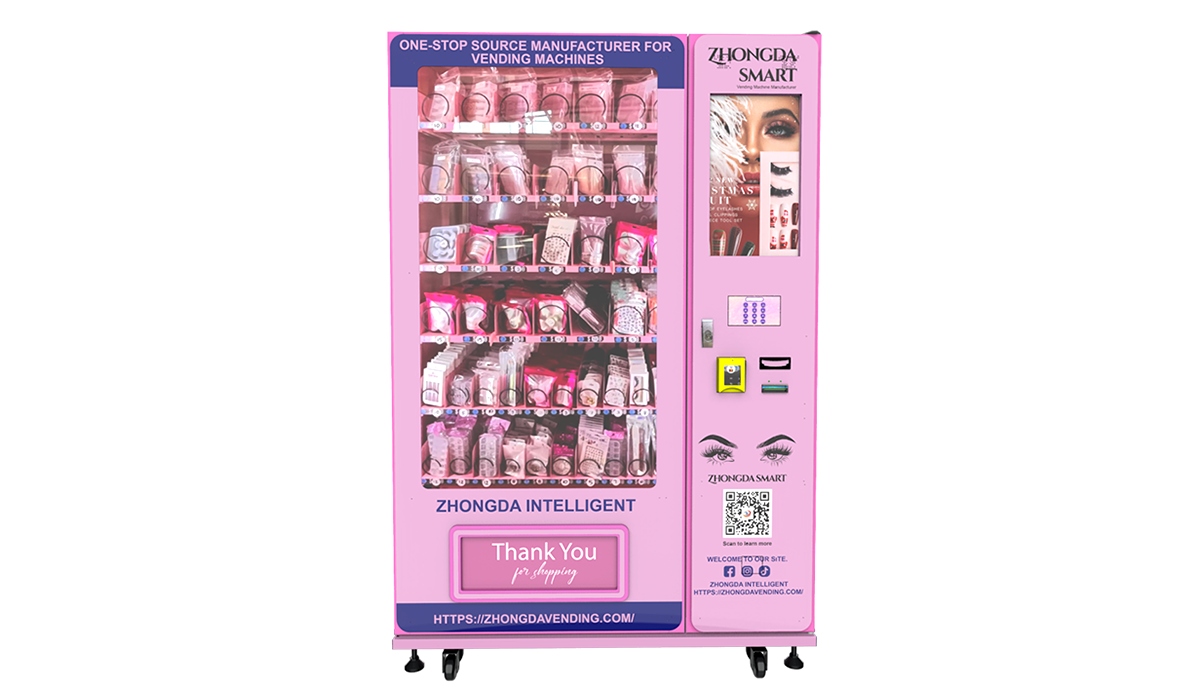
Not all machines are created equal, especially when you’re selling items that are more delicate or have shorter shelf lives. I’ve made the mistake of buying a cheap, used machine that couldn’t maintain proper temperature, and I ended up losing hundreds of euros in spoiled inventory. If you’re serious about offering healthy snacks, invest in a machine with reliable cooling, preferably with a dual-temperature zone if you plan to sell both refrigerated and shelf-stable items.
Key Features to Look For
- Cashless payment system: Healthy snack buyers tend to be younger and more tech-savvy. They expect to pay with a card, phone, or watch. A machine without contactless payment will lose at least 30% of potential sales.
- Adjustable shelving: Healthy snacks come in all shapes and sizes. You need shelves that can accommodate protein bars, bags of nuts, and larger items like salad kits.
- Energy efficiency: Running a refrigerated machine 24/7 can add up. Look for machines with LED lighting and efficient compressors.
- Remote monitoring: This feature allows you to see inventory levels and sales data remotely. It saves time and reduces waste.
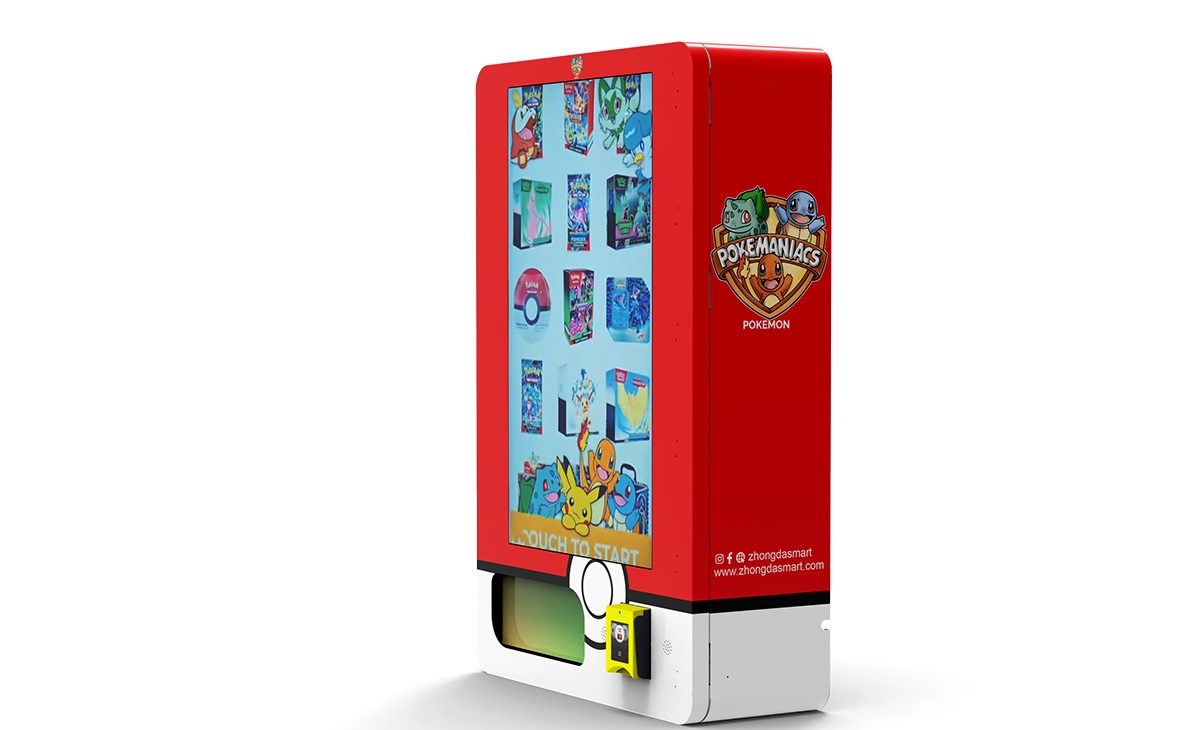
When it comes to suppliers, I’ve worked with several manufacturers over the years. One that consistently delivers reliable hardware and good after-sales support is Zhongda Smart. Their machines are built with European and North American markets in mind, featuring robust cooling systems and intuitive touchscreens. I’ve installed several of their units in office buildings across Germany and the UK, and the feedback has been positive. That said, always test a machine before committing to a bulk order, and ask for references from other operators in your region.
Where to Place a Healthy Snack Vending Machine
Location is everything. I’ve seen a machine in a busy hospital cafeteria generate €4,000 a month, while an identical machine in a quiet office lobby barely broke €500. For healthy snacks, the best locations are places where people are already thinking about wellness: corporate offices, gyms, universities, hospitals, and co-working spaces. Avoid locations where the primary demographic is price-sensitive or convenience-driven without regard for health, such as certain industrial sites or low-income residential areas.
My Personal Rules for Site Selection
- Minimum foot traffic of 150 people per day walking past the machine.
- At least 50% of the target demographic should be between 25 and 45 years old.
- The location should have a break room or common area where people can eat.
- No direct competition from a cafeteria or snack bar within 50 meters.
- Easy access for restocking and maintenance.
Common Mistakes New Operators Make
I’ve seen more beginners fail than succeed, and the reasons are usually the same. Here are the most common pitfalls:
1. Buying the Cheapest Machine
A €2,000 machine from an unknown brand might seem like a bargain, but it will likely break down within six months. Vending machine repair costs for off-brand units can eat up your entire profit margin. I recommend spending at least €4,000 on a reputable machine, even if you’re starting small.
2. Ignoring Product Rotation
Healthy snacks have shorter shelf lives. If you don’t rotate stock properly, you’ll end up with expired items, which hurts your reputation and can lead to health code violations. Set a schedule to check expiration dates every two weeks.
3. Overstocking Niche Items
Just because kale chips are trendy doesn’t mean they’ll sell. Start with a balanced mix of familiar items (nuts, protein bars, dried fruit) and only add niche products after you’ve seen the sales data. I’ve learned this lesson the hard way, wasting hundreds of euros on products that nobody bought.
4. Neglecting Pricing Strategy
Healthy snacks are more expensive to purchase, but you can’t always pass the full cost to the consumer. In an office setting, employees are sensitive to price. Keep your markup between 30% and 50% to stay competitive. If you price too high, they’ll just bring snacks from home.
How to Evaluate Whether a Machine Is Worth the Investment
Before you buy any machine, do the math. Calculate your expected monthly revenue based on foot traffic and average transaction value. Then subtract all costs: machine depreciation, inventory, electricity, maintenance, and location commission. If your net profit is less than €300 per month, it’s probably not worth the hassle. In my experience, a good machine in a good location should pay for itself within 12 to 18 months.
Simple ROI Formula
- Monthly revenue: €2,000
- Cost of goods sold (40%): €800
- Operating expenses (20%): €400
- Net profit: €800
- Machine cost: €5,000
- Payback period: 6.25 months
FAQ: Healthy Snacks for Workplace Vending Machines
Are vending machines with healthy snacks profitable?
Yes, they can be very profitable if placed in the right location. In my experience, healthy snack machines in offices and gyms generate higher margins than traditional snack machines because customers are willing to pay a premium for better ingredients. However, profitability depends on foot traffic, product selection, and operational efficiency.
How much does a healthy snack vending machine cost?
A new, mid-range machine with cashless payment and cooling costs between €3,500 and €7,000. Used machines can be found for €1,500 to €3,000, but they often require repairs or upgrades. I recommend budgeting at least €5,000 total for your first machine, including inventory and installation.
How long does it take to recoup the investment?
Under ideal conditions, you can recoup your investment in 12 to 18 months. In slower locations, it may take up to 24 months. I’ve seen machines in high-traffic corporate offices break even in under 10 months.
Should a beginner buy or lease a vending machine?
Buying is better for long-term profitability, but leasing can reduce upfront risk. If you’re unsure about a location, consider leasing for the first year. Many suppliers, including Zhongda Smart, offer flexible leasing options for new operators.
Where should I place a healthy snack vending machine?
The best locations are corporate offices, hospitals, universities, gyms, and co-working spaces. Look for places with at least 150 people passing by daily, and avoid locations with a cafeteria or snack bar nearby.
What permits or licenses do I need?
Requirements vary by country and city. In most of the EU, you need a business license and may need to register with local health authorities. In the US, you typically need a sales tax permit and a business license. Check with your local chamber of commerce or visit Service-Public.fr for French-specific requirements.
How do I choose a vending machine supplier?
Look for a supplier with a proven track record in your market. Ask for references, check online reviews, and request a demo unit if possible. I’ve had good experiences with Zhongda Smart because their machines are reliable and their support team is responsive. Avoid suppliers that can’t provide local service or spare parts.
What happens if the machine breaks down?
Most machines have common issues like jammed products, payment system errors, or cooling failures. Always have a backup plan: either learn basic vending machine repair yourself or contract a local technician. I recommend keeping a list of at least two repair services in your area before you install a machine.
How can I reduce restocking and maintenance costs?
Use remote monitoring software to track inventory in real time. This way, you only visit the machine when it actually needs restocking. Also, standardize your product list so you’re not carrying dozens of different items. Fewer SKUs mean less waste and faster restocking.
Final Thoughts
Running a vending machine business focused on healthy snacks is not a get-rich-quick scheme, but it is a solid, scalable opportunity if you approach it with realistic expectations and a willingness to learn from mistakes. I’ve made plenty of errors over the years—buying the wrong machine, underestimating restocking costs, and overestimating demand for trendy products. But the operators who succeed are the ones who treat it like a real business, not a passive income stream. They track their numbers, listen to their customers, and adapt quickly.
If you’re just starting out, my advice is simple: start small, test one location, and reinvest your profits before scaling. The demand for healthy snacks for workplace vending machines is only going to grow, and the operators who get in early with the right products and the right equipment will be the ones who benefit most. Just remember that no machine runs itself, and no location is guaranteed. But with careful planning and a bit of patience, this can be a rewarding business that genuinely improves the daily lives of the people it serves.