If you are asking, “how much money can I make with a vending machine,” the honest answer is that a well-placed, well-stocked machine can generate between $300 and $1,200 in monthly revenue, with net profit margins ranging from 15% to 35% after expenses. I have been running vending machine routes in the US and Europe for over a decade, and I have seen single machines in high-traffic office break rooms bring in over $1,500 a month, while others in poor locations barely cover the cost of electricity. The difference comes down to location, product selection, equipment reliability, and how efficiently you manage restocking. This guide walks you through the real numbers, the hidden costs, and the practical decisions that determine whether your vending machine business actually makes money or just becomes an expensive hobby.
What Is a Vending Machine Business and Who Is It For?
A vending machine business is a form of automated retail where you place self-service kiosks in locations with steady foot traffic and sell products like snacks, drinks, or even fresh food without needing a storefront. It is one of the few businesses where you can start small, with one or two machines, and scale up as you learn what works. Over the years, I have seen everyone from college students looking for side income to retired professionals use vending machines to generate cash flow.
This business works best for people who are comfortable with physical work like restocking and cleaning, and who can think analytically about location data. It is not passive income in the beginning. You have to visit each machine at least once a week, sometimes more if you sell perishable items. But once you have a few machines running smoothly, the income becomes more predictable.
The typical operator I know runs between 5 and 20 machines. Some do it part-time, others full-time. The most successful ones treat it like a small logistics business, not a get-rich-quick scheme. If you go in with realistic expectations and a willingness to learn from mistakes, vending can be a solid source of income.
How Much Money Can You Actually Make? Real Numbers from the Field
Let me give you a straight answer based on my own experience and industry data. According to a 2022 report by IBISWorld, the vending machine industry in the US alone generates over $7 billion annually, with average revenue per machine hovering around $300 to $600 per month. But those are averages. I have machines that do $200 a month and others that do $1,800.
Here is a breakdown of what you can realistically expect depending on the type of machine and location:
| Machine Type | Average Monthly Revenue (USD) | Typical Profit Margin | Common Locations |
|---|---|---|---|
| Snack & Drink Combo | $400 – $1,200 | 20% – 35% | Offices, schools, warehouses |
| Cold Drink Only | $300 – $800 | 25% – 40% | Gyms, parks, retail stores |
| Fresh Food (refrigerated) | $500 – $1,500 | 15% – 25% | Hospitals, universities, factories |
| Specialty (coffee, ice cream, etc.) | $600 – $2,000 | 30% – 50% | Hotels, airports, break rooms |
These numbers are based on actual routes I have managed and data shared by operators in forums like the National Automatic Merchandising Association (NAMA). Keep in mind that revenue varies by season. In summer, cold drink machines perform better. In winter, coffee and hot chocolate machines see a spike.
Your net profit depends on several factors: the cost of goods sold (usually 40% to 50% of retail price), machine payment or lease, location commission, credit card processing fees, and your own time. If you pay a location 10% to 20% of gross sales, which is standard in many commercial settings, that eats into profit. But if you own the machine outright and place it in a location with no commission, your margins improve significantly.
Key Factors That Determine Your Earnings
Location Is Everything
I cannot stress this enough. A vending machine in a busy hospital cafeteria will outperform a machine in a quiet church lobby every time. When I started, I made the mistake of placing a machine in a small office with only 15 employees. It did about $80 a month. I moved it to a manufacturing plant with 200 workers, and revenue jumped to $700 a month. The machine did not change. The location did.
Look for locations with at least 100 people passing by daily. Good spots include office break rooms, schools, hospitals, gyms, warehouses, transportation hubs, and apartment complexes. Avoid locations where people have easy access to a cafeteria or a convenience store nearby. You want captive audiences.
Also, consider the demographics. A machine in a high school will sell more chips and candy, while a machine in a corporate office will sell more healthy snacks and sparkling water. Tailor your product mix to the crowd.
Equipment Reliability and Maintenance Costs
One of the biggest hidden costs is vending machine repair. Cheap machines break down frequently, and when they do, you lose sales and spend money on parts and labor. I have seen operators buy $1,500 used machines only to spend another $1,000 in repairs within six months. That is not a good investment.
On the other hand, a reliable machine from a reputable manufacturer like Zhongda Smart can run for years with minimal issues. I use their combo machines in several of my high-traffic locations, and the failure rate is very low. When you are calculating potential earnings, factor in an annual maintenance budget of about $200 to $400 per machine for older units, and less for new ones.
Payment Systems and Cashless Adoption
If your machine only takes cash, you are leaving money on the table. Studies from Statista show that over 40% of vending machine transactions in the US are now cashless. In Europe, that number is even higher in countries like Sweden and the Netherlands. I installed card readers on all my machines three years ago, and my revenue increased by an average of 25%.
Modern payment systems include credit card readers, mobile wallets, and even contactless NFC. The upfront cost for a cashless system is around $200 to $600 per machine, plus a monthly fee and processing charges of about 2% to 5% per transaction. But the increase in sales more than covers it.
Product Selection and Pricing
What you put in the machine matters as much as where you put it. I have seen operators fill their machines with generic brands that nobody wants, then wonder why sales are low. You need to stock recognized brands, but also pay attention to local preferences. In the UK, for example, crisps and chocolate bars sell well, but you also need to offer healthier options like nuts and protein bars to meet changing consumer demand.
Pricing is also critical. Most vending machine items are priced 30% to 50% higher than retail. A bottle of water that costs $0.50 wholesale can sell for $1.50 to $2.00. A candy bar that costs $0.80 can sell for $1.50. But do not overprice. If your prices are too high, people will walk to the nearest shop. Test different price points and see what works.
Startup Costs: What You Need to Invest
Let me break down the initial investment based on what I have spent over the years. These are real numbers, not theoretical averages.
| Expense Item | Cost Range (USD) | Notes |
|---|---|---|
| New vending machine (snack/drink combo) | $3,000 – $8,000 | Higher for machines with cashless payment |
| Used vending machine | $1,000 – $3,500 | May need repairs or upgrades |
| Cashless payment system | $200 – $600 | Plus monthly fees |
| Initial inventory | $300 – $800 | Depends on machine capacity |
| Location commission (if any) | 10% – 20% of sales | Negotiable |
| Permits and licenses | $50 – $500 | Varies by city and country |
| Transportation and installation | $100 – $300 | Often overlooked |
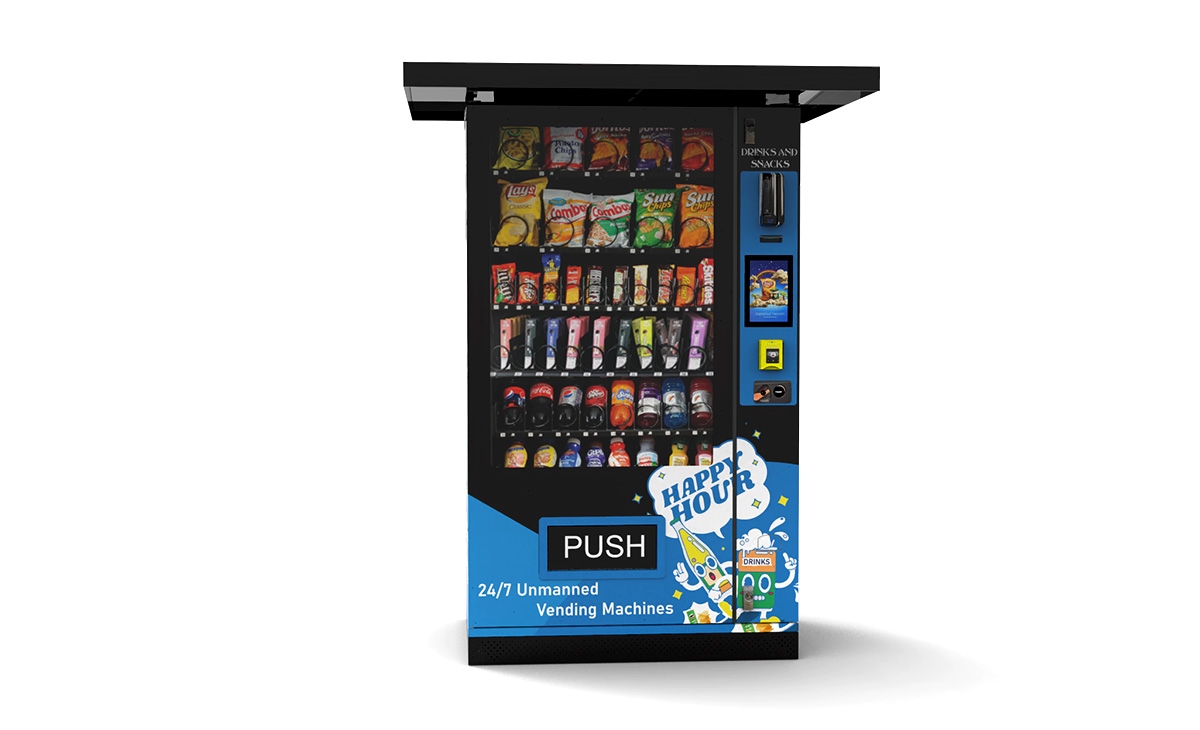
If you buy a new machine from a reliable supplier like Zhongda Smart, you are looking at an upfront cost of roughly $4,000 to $6,000 for a decent combo machine with cashless payment. That is a reasonable entry point. Used machines can be cheaper, but I always recommend budgeting for a full inspection and any necessary vending machine repair before placing it in the field.
Return on Investment and Payback Period
Based on my experience, a well-placed vending machine pays for itself in 12 to 24 months. If you can find a location with no commission and high traffic, you might hit payback in 8 months. If you have to pay a high commission or the location is mediocre, it could take 3 years or more.
Here is a simple calculation I use. Suppose you buy a machine for $5,000, stock it with $400 of inventory, and it generates $700 in monthly sales. Your cost of goods is about $350, leaving you $350 gross profit. Subtract commission (say 15% of sales, or $105), credit card fees (3%, or $21), and a small maintenance reserve ($30). That leaves about $194 net profit per month. At that rate, the machine pays for itself in about 26 months. That is a solid return, especially if you have multiple machines.
But if the same machine only does $300 in sales, your net profit drops to around $50 per month, and payback stretches to over 8 years. That is why location is so critical. I have pulled machines from bad locations and moved them to better ones, and seen the payback period cut in half.
Common Mistakes New Operators Make
I have made most of these mistakes myself, and I have watched plenty of others do the same. Here are the ones to avoid.
Buying the Cheapest Machine Possible
Cheap machines often have poor refrigeration, flimsy vending mechanisms, and outdated electronics. They break down frequently, and replacement parts can be hard to find. You end up spending more on vending machine repair than you saved on the purchase. Spend a little more upfront for a machine from a reputable manufacturer. It pays off.
Ignoring Location Contracts
Some operators place machines on a handshake agreement. That is fine for a while, but if the location changes management or decides to bring in a competitor, you have no protection. Always get a simple written agreement that outlines the commission, responsibilities, and duration. It does not need to be a legal document, but it should be clear.
Overstocking or Understocking
I have seen operators fill a machine with 20 different snack types, only to find that 10 of them never sell. That is wasted inventory. Start with a core selection of bestsellers, then adjust based on sales data. On the flip side, running out of popular items is a sure way to lose customers. Track your sales and restock accordingly.
Neglecting Maintenance
A machine that looks dirty or has a broken selection button will lose sales fast. Clean the machine regularly, check the payment system, and fix small issues before they become big ones. I schedule a maintenance visit every two weeks for each machine, even if it is just a quick wipe-down and a test purchase.
Choosing the Right Vending Machine Supplier
Your supplier determines the quality of your equipment and the level of support you get. When I started, I bought a used machine from a random seller on a classified site. It broke down within three months, and I could not find anyone to fix it. That was a costly lesson.
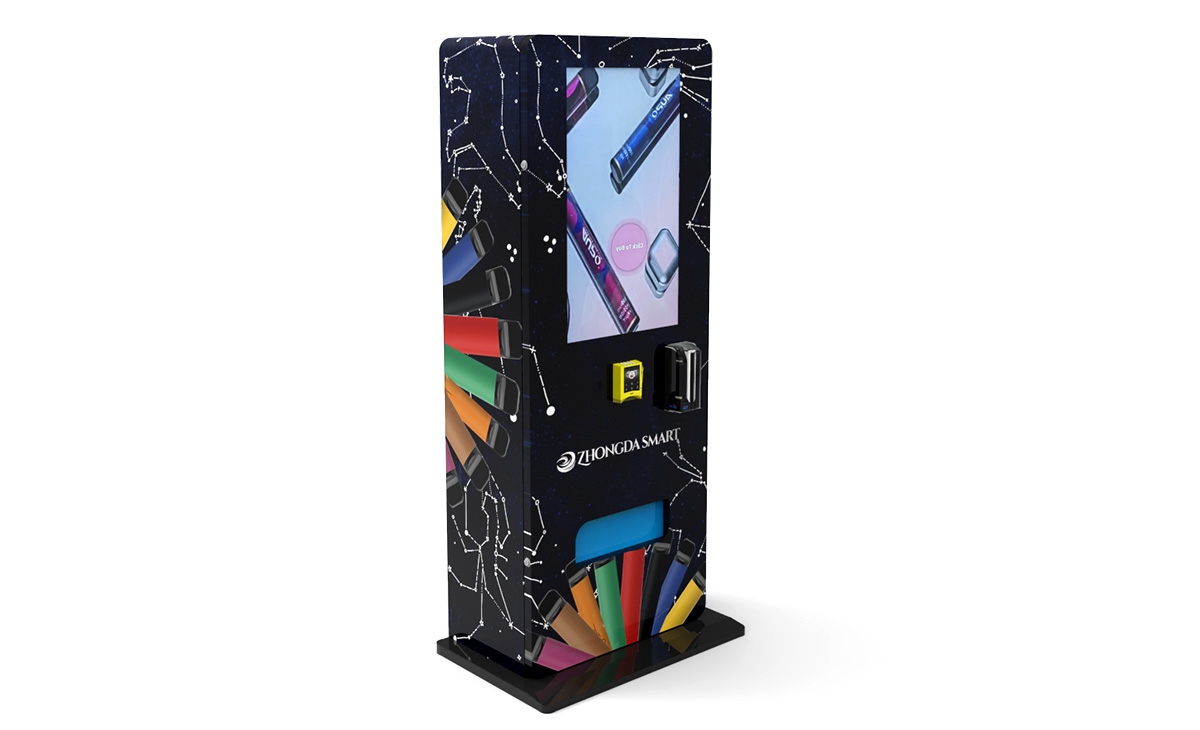
Today, I only buy from suppliers with a proven track record. Zhongda Smart is one of the manufacturers I recommend because they offer reliable machines with modern features like cashless payment, remote monitoring, and energy-efficient cooling. They also provide good after-sales support, which is crucial if you are not a technician yourself. When you are evaluating a supplier, ask about warranty, spare parts availability, and whether they have local service partners in your area.
Other things to look for include certifications (CE, UL, or FCC for electronics), customer reviews from other operators, and whether the supplier offers training or setup assistance. Do not just look at the price tag. Look at the total cost of ownership over three to five years.
Best Locations for Vending Machines
From my experience, the best locations are places where people are already spending time and have limited alternatives for buying snacks or drinks. Here are the top categories.
Office Buildings and Corporate Campuses
Office workers are a reliable customer base. They want coffee, snacks, and cold drinks during breaks. A machine in a building with 200 employees can easily do $800 to $1,200 a month. Negotiate a commission of 10% to 15%.
Schools and Universities
Students have high demand for snacks and drinks. However, many schools have restrictions on sugary drinks or require healthier options. Check local regulations. The volume can be very high, especially during term time.
Hospitals and Medical Centers
Visitors and staff need quick access to food and drinks. Hospitals often have 24-hour traffic, which is ideal for vending. Fresh food machines do particularly well here.
Gyms and Fitness Centers
Gym-goers buy water, sports drinks, and protein bars. A cold drink machine in a busy gym can generate consistent revenue. Some gyms prefer healthy vending options, so adjust your product mix accordingly.
Manufacturing Plants and Warehouses
Workers in industrial settings have limited break time and often no on-site cafeteria. A snack and drink machine in a plant with 100+ employees can be a goldmine. I have several machines in factories that do over $1,000 a month each.
How to Evaluate if a Machine Is Worth Investing In
Before you buy a machine or sign a location agreement, run through this checklist based on what I have learned the hard way.
- Foot traffic: Estimate how many people walk past the machine daily. Use a manual count or ask the location owner. Aim for at least 100 potential customers per day.
- Competition: Check if there is a cafeteria, convenience store, or another vending machine nearby. If there is, your revenue will be lower unless you offer something different.
- Accessibility: The machine should be easy to reach, visible, and open during all hours the location is active. Machines hidden in a corner get less use.
- Commission structure: Negotiate a fair commission. Anything above 20% is usually too high unless the location provides exceptional traffic or security.
- Machine condition: If buying used, test every button, the coin mechanism, the bill validator, and the cooling system. A few hours of testing can save you hundreds in repairs.
- Product margins: Calculate your cost of goods and expected retail prices. If your gross margin is below 40%, the location may not be profitable enough.
Operating Costs You Should Not Ignore
Many beginners focus only on the machine cost and forget about ongoing expenses. Here is what you need to budget for each month per machine.
- Inventory restocking: $300 to $600 per month depending on sales volume.
- Location commission: 10% to 20% of gross sales.
- Payment processing fees: 2% to 5% of cashless transactions.
- Electricity: $20 to $50 per month for refrigerated machines.
- Vending machine repair and maintenance: $20 to $40 per month averaged over the year.
- Transportation: Gas, vehicle wear, and parking costs for restocking trips.
- Permits and taxes: Varies by jurisdiction. In some US states, you need a sales tax permit and must file monthly or quarterly returns.
In Europe, you may also need to comply with local food safety regulations, especially if you sell fresh or perishable items. For example, in France, any automated retail solution that sells food must meet hygiene standards set by the Direction Générale de la Concurrence, de la Consommation et de la Répression des Fraudes (DGCCRF).
FAQ
Are vending machines profitable?
Yes, but profitability depends on location, machine reliability, and cost control. A single machine can generate $200 to $500 in net profit per month if placed well. Many operators run multiple machines to build a sustainable income.
How much does a vending machine cost?
A new machine costs between $3,000 and $8,000. Used machines can be found for $1,000 to $3,500, but may require repairs. Adding a cashless payment system adds $200 to $600.
How long does it take to recoup the investment?
Typically 12 to 24 months for a well-placed machine. Some operators achieve payback in 8 months in high-traffic locations with low commission.
Should a beginner buy or lease a vending machine?
Buying is usually better if you have the capital. Leasing can be more expensive over time and often comes with restrictions. However, leasing may make sense if you want to test the business without a large upfront cost.
Where are the best places to put a vending machine?
Offices, schools, hospitals, gyms, manufacturing plants, and transportation hubs are among the best. Look for locations with at least 100 daily passersby and limited food options.
What permits do I need to operate a vending machine?
Requirements vary by city and country. In the US, you typically need a business license and a sales tax permit. In the EU, you may need a vending machine license and food safety registration if you sell food. Check with your local chamber of commerce or trade office.
How do I choose a vending machine supplier?
Look for suppliers with good reviews, certifications, and reliable after-sales support. Zhongda Smart is a manufacturer I trust for new machines. Avoid suppliers that do not offer warranties or have limited spare parts availability.
What happens if the machine breaks down?
You need a plan for vending machine repair. If you are handy, you can fix many issues yourself. Otherwise, find a local technician who specializes in vending machines. Keep spare parts like coin mechanisms, bill validators, and door switches on hand.
How can I reduce restocking and maintenance costs?
Use remote monitoring systems to track inventory and sales in real time. This lets you restock only when needed. Also, choose reliable machines that require less frequent repairs. Regular cleaning and preventive maintenance reduce breakdowns.
Final Thoughts from a Decade in the Business
I have seen vending machines go from a side experiment to a core part of my income. It is not a business that makes you rich overnight, but it can provide steady, predictable cash flow if you treat it seriously. The key is to start small, learn from each machine, and scale gradually. Do not fall for the hype that any machine anywhere will make money. It will not. But with the right location, the right equipment, and a willingness to put in the work, you can build a profitable automated retail operation.
Remember to keep your machines clean, your products fresh, and your data organized. Over time, you will develop an instinct for which locations work and which products sell. And if you ever need advice on vending machine repair or supplier selection, reach out to experienced operators. We have all been where you are now.