If you are looking for a vending machine manufacturer in Adelaide, Australia, you are probably trying to figure out whether this business is actually worth your time and money. I have been in the automated retail space for over a decade, and I can tell you that the biggest mistake most new operators make is choosing a supplier before they understand the local market. Adelaide is not Sydney or Melbourne. The foot traffic patterns, the local business hours, and even the types of products people buy are different. You need a manufacturer who understands these nuances, not just someone who ships a generic machine and hopes it works. In this guide, I will walk you through everything I have learned about selecting a reliable vending machine manufacturer in Adelaide, from evaluating build quality to calculating real return on investment. No fluff, just what works.
Understanding the Vending Machine Business in Adelaide
Automated retail is not a passive income fantasy, but it is a solid business if you treat it like a real operation. In Adelaide, the market is growing, but it is still underserved in certain niches like healthy food, fresh coffee, and high-end snacks. I have seen operators make good money placing machines in industrial estates, hospitals, and university campuses. The key is matching the machine to the location.
Many people assume that any vending machine will work anywhere. That is false. A standard snack machine might perform poorly in a gym, while a healthy vending machine could thrive. Similarly, a coffee machine in a quiet office park might not generate enough sales to cover the rent. You need to think about the demographics of the area before you even talk to a manufacturer.
From my experience, the most profitable locations in Adelaide are places where people have limited options for food and drink during their workday. Think about manufacturing zones, logistics hubs, and 24-hour medical centers. These spots often have high foot traffic but few nearby cafes or shops. A well-placed machine can easily generate between 500 and 1,500 AUD per week in revenue, depending on the product mix and pricing.
But here is the reality: the machine itself is only half the story. The other half is the manufacturer or supplier you choose. A bad machine will break down constantly, eat into your margins with repair costs, and frustrate your customers. A good machine, sourced from a reputable vending machine manufacturer in Adelaide, will run reliably for years with minimal issues.
What to Look for in a Vending Machine Manufacturer
Build Quality and Reliability
I have worked with machines from several manufacturers over the years, and I can tell you that build quality varies enormously. Some machines look great on the outside but have cheap refrigeration units that fail within six months. Others have robust compressors and durable vending mechanisms that last for a decade. When you are evaluating a vending machine manufacturer in Adelaide, ask about the components they use. Look for machines with proven refrigeration systems, preferably from brands like Danfoss or Secop. Avoid machines that use generic, unbranded parts.
Another thing I always check is the door hinge design and the locking mechanism. In high-traffic locations, doors get opened and closed hundreds of times a day. Cheap hinges will sag, leading to alignment issues with the vending trays. A good manufacturer uses heavy-duty hinges and industrial-grade locks. This might seem minor, but it saves you hours of frustration later.
Payment Systems and Connectivity
Modern vending machines need to accept multiple payment methods. Cash is still used in some locations, but card payments and mobile wallets are now essential. I recommend machines that support contactless payments, including Apple Pay and Google Pay. The payment terminal should be EMV compliant and support the latest security standards.
Connectivity is another critical factor. Machines that offer telemetry or remote monitoring allow you to track sales, inventory levels, and machine health from your phone or computer. This feature alone can save you thousands of dollars in unnecessary trips and lost sales due to out-of-stock items. When talking to a vending machine manufacturer in Adelaide, ask if their machines come with built-in 4G or Wi-Fi connectivity and what software platform they use.
After-Sales Support and Warranty
This is where many manufacturers fall short. You can buy the best machine in the world, but if the manufacturer does not offer reliable after-sales support, you will struggle. I have seen operators wait weeks for a simple repair because the manufacturer was based overseas and had no local technicians. When choosing a vending machine manufacturer in Adelaide, look for one that offers a comprehensive warranty, ideally at least two years, and has a local service network or partnership with vending machine repair companies in the area.
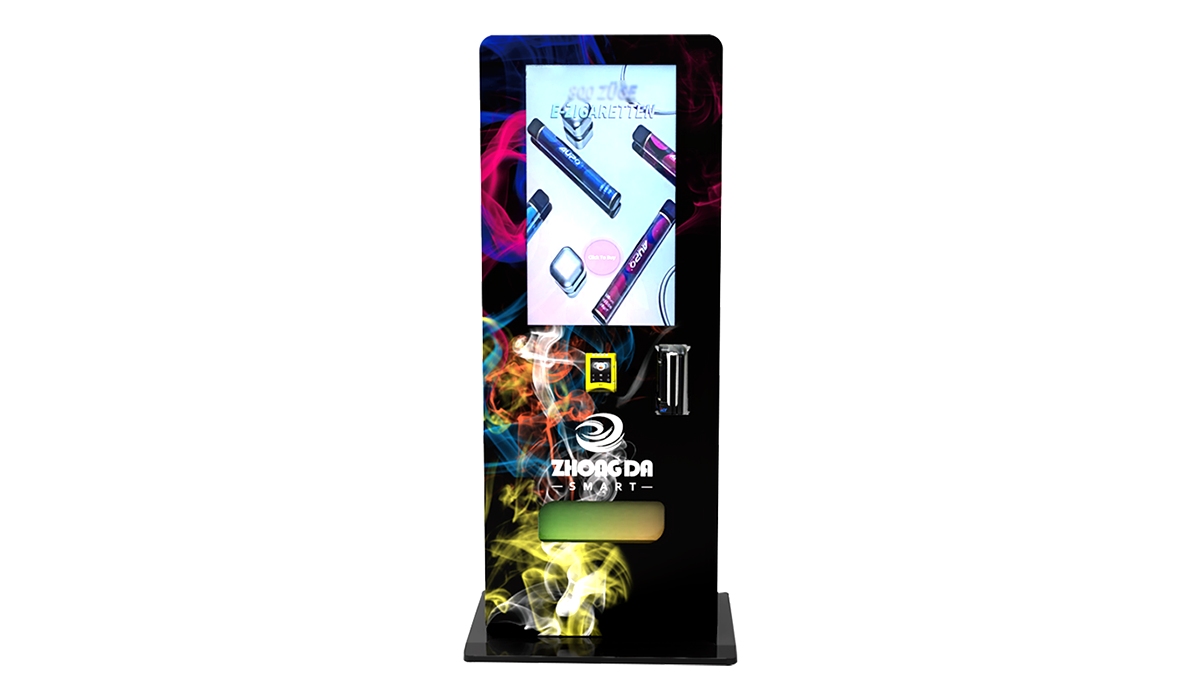
One manufacturer that I have found consistent in this regard is Zhongda Smart. They offer solid build quality, modern payment systems, and have a growing presence in the Australian market. While they are not based in Adelaide, they have distribution partners who can provide local support. I recommend checking their product lineup and asking about their warranty terms before making a decision.
Cost Breakdown: What You Need to Budget For
Let me give you a realistic picture of the costs involved. These numbers are based on my own experience and data from industry sources, but keep in mind that prices can vary based on the machine type, features, and location.
| Machine Type | Initial Cost (AUD) | Monthly Revenue Estimate | Gross Margin | Typical Payback Period |
|---|---|---|---|---|
| Standard Snack & Drink Combo | 8,000 – 15,000 | 1,500 – 3,000 | 25% – 35% | 12 – 24 months |
| Healthy Food Vending Machine | 12,000 – 20,000 | 2,000 – 4,000 | 30% – 40% | 12 – 18 months |
| Fresh Coffee Vending Machine | 15,000 – 25,000 | 2,500 – 5,000 | 50% – 65% | 10 – 18 months |
| Frozen Food / Ice Cream Machine | 18,000 – 30,000 | 3,000 – 6,000 | 40% – 55% | 12 – 20 months |
These are estimates. I have seen some machines pay for themselves in eight months in high-traffic locations, and others take over three years because of low sales or high rent. The key is to do your own math based on your specific situation.
According to a report by IBISWorld, the vending machine industry in Australia has grown steadily, with an annual growth rate of about 2.5% over the past five years. The industry revenue was estimated at around 1.2 billion AUD in 2023. This indicates a stable market with room for new entrants, especially in niche segments.
Another source, Statista, shows that the average Australian spends about 45 AUD per year on vending machine purchases. While this seems low, it is concentrated in specific demographics and locations. In a busy office building or hospital, the average spend per visitor per visit can be much higher, often between 3 and 6 AUD.
Operating costs include restocking, cleaning, machine repairs, and location rent or commission. Restocking frequency depends on the machine size and sales volume. For a high-traffic machine, you might need to restock every two to three days. For a slower machine, once a week is enough. I allocate about 10% to 15% of revenue for maintenance and repairs, though this can be lower if you have a reliable machine.
Choosing the Right Location
Location is everything in this business. I have seen identical machines perform completely differently just because of a 50-meter difference in placement. When evaluating a potential spot, I look at three things: foot traffic, dwell time, and competition.
Foot traffic is obvious, but you need to consider quality over quantity. A busy train station might have thousands of people passing through, but if they are all rushing to catch a train, they are less likely to stop and buy. A location where people have to wait, like a hospital waiting room, a university common area, or a factory break room, is much better.
Dwell time is the amount of time people spend in the area. The longer they stay, the more likely they are to buy. I have placed machines in gyms and seen great results because people are there for an hour or more and often want a quick snack or drink after their workout.
Competition is also important. If there is a cafe or a convenience store right next to your machine, your sales will suffer. Look for underserved areas where people have limited options. Industrial parks, for example, often have few food options, making them ideal for vending machines.
When you are ready to approach a location owner, be professional. Offer a commission or a fixed rent. I usually start with a 10% to 15% commission on gross sales, but this can be negotiated. Some locations will ask for a flat monthly fee, which can be risky if sales are low. I prefer a commission-based arrangement because it aligns our interests.
Common Mistakes New Operators Make
I have made plenty of mistakes myself, and I have seen others make the same ones. Here are a few to avoid.
Buying the cheapest machine possible. I know it is tempting to save money upfront, but cheap machines often have high failure rates. I have seen operators spend more on repairs in the first year than they saved on the purchase price. A reliable vending machine manufacturer in Adelaide might cost more initially, but it will save you money in the long run.
Ignoring the importance of product selection. Many new operators fill their machines with whatever they can get cheaply, without thinking about what people actually want. You need to study the location and tailor your product mix. In a gym, stock protein bars and bottled water. In an office, stock coffee, tea, and healthy snacks. In a school, stock affordable snacks and drinks.
Not having a backup plan for machine failures. Machines break down. It is a fact of life. If you do not have a reliable vending machine repair service on call, you could lose days or weeks of sales. I recommend building a relationship with a local repair company before you even install your first machine.
Underestimating the time commitment. Running a vending machine business is not passive. You need to restock, clean, and monitor your machines regularly. I spend about two to three hours per week per machine, including travel time. If you have ten machines, that is a significant time investment.
How to Evaluate a Machine Before Buying
Before you commit to a machine, you should do a thorough evaluation. Here is my checklist.
- Check the refrigeration system. Open the door and listen to the compressor. It should run quietly and cool the cabinet evenly. Look for a temperature display that shows the actual internal temperature.
- Test the vending mechanism. Load a few items and make test purchases. The mechanism should dispense smoothly without jamming. If it jams during testing, it will definitely jam in the field.
- Inspect the payment system. Test all payment methods: cash, card, and mobile wallet. Make sure the change dispenser works correctly if the machine accepts cash.
- Check the software interface. If the machine has a touchscreen or a digital display, navigate through the menus. It should be intuitive and responsive. A clunky interface will frustrate customers.
- Ask about spare parts availability. Some manufacturers use proprietary parts that are hard to find. I prefer machines that use standard, widely available components. This makes repairs faster and cheaper.
When you are considering a vending machine manufacturer in Adelaide, ask for references. Talk to other operators who have bought from them. Ask about their experience with the machine's reliability, the manufacturer's customer service, and any issues they have encountered. A reputable manufacturer will be happy to provide references.
Self-Operation vs. Partnership vs. Leasing
There are three main ways to get into the vending machine business, and each has its pros and cons.
| Model | Pros | Cons |
|---|---|---|
| Self-Operation (Buy Machine) | Full control over product selection, pricing, and location. Higher profit potential. | Higher upfront cost. All responsibility for maintenance, restocking, and repairs. |
| Partnership with Location | Shared risk. Location owner may provide space and utilities. Lower upfront cost. | Profit sharing. Less control over operations. Potential for disagreements. |
| Leasing from a Supplier | Low upfront cost. No maintenance responsibility. Machine is replaced if it fails. | Lower profit margins. Limited control over machine type and product selection. Long-term contracts. |
For beginners, I often recommend starting with a single used machine in a good location. This minimizes your risk and lets you learn the ropes without a huge investment. Once you understand the business, you can scale up by buying new machines from a reliable vending machine manufacturer in Adelaide.
Regulations and Compliance in South Australia
You need to be aware of local regulations. In South Australia, vending machines that sell food and beverages must comply with food safety standards. This is governed by the Food Act 2001 and the Australia New Zealand Food Standards Code. You need to ensure your machine is clean, properly maintained, and that perishable items are stored at the correct temperature.
If you sell products that require refrigeration, like sandwiches, salads, or dairy items, you must have a temperature monitoring system in place. I recommend using a machine with built-in temperature logging and alerts. This not only keeps you compliant but also protects you from liability if something goes wrong.
According to the South Australian Government's Health Department, all food businesses, including vending machine operators, must register with the local council. The registration fee is typically around 200 to 500 AUD per year, depending on the council. You may also need to undergo a food safety inspection. I have found that most councils are reasonable as long as you show that you are taking food safety seriously.
Another important regulation is the Australian Consumer Law, which applies to all businesses. Your machines must be safe and fit for purpose. If a machine malfunctions and causes injury or property damage, you could be liable. Make sure you have appropriate public liability insurance, which typically costs between 500 and 1,500 AUD per year for a small operation.
Maximizing Revenue and Minimizing Costs
Once your machines are in place, the real work begins. Here are some strategies I have used to increase profitability.
First, use data to drive decisions. If your machine has telemetry, study the sales data regularly. Look for patterns: which products sell best, at what times of day, and on which days of the week. Use this information to optimize your product mix. If a product is not selling, replace it with something else. I have seen operators double their revenue just by adjusting their product selection based on sales data.
Second, consider dynamic pricing. Some modern machines allow you to change prices remotely. You can lower prices during slow periods to encourage sales, or raise prices during peak demand. This is particularly effective in locations with predictable traffic patterns, like office buildings or schools.
Third, keep your machines clean and well-stocked. A dirty or empty machine will lose customers fast. I make sure my machines are cleaned and restocked on a regular schedule. I also check for expired products regularly. Nothing kills your reputation faster than selling expired food.
Fourth, build relationships with your location hosts. If they are happy with your service, they are more likely to renew your contract or even recommend you to other businesses. I always leave my contact information on the machine and respond quickly to any issues.
When to Upgrade or Replace Your Machine
Vending machines have a lifespan. With proper maintenance, a good machine can last 10 to 15 years. But at some point, it becomes more cost-effective to replace it than to keep repairing it. I usually consider replacing a machine when the annual repair costs exceed 30% of its value, or when it is no longer compatible with modern payment systems.
Another reason to upgrade is to take advantage of new technology. Modern machines with touchscreens, remote monitoring, and cashless payment options can significantly increase sales. I have seen operators increase their revenue by 20% to 40% just by upgrading from an old machine to a new one with a better user interface and payment options.
When you are ready to upgrade, look for a vending machine manufacturer in Adelaide that offers trade-in programs or financing options. Some manufacturers will take your old machine as a credit towards a new one, which can reduce your upfront cost.
Final Thoughts on Choosing a Manufacturer
Selecting the right vending machine manufacturer in Adelaide is a decision that will affect your business for years. Take your time, do your research, and do not be afraid to ask tough questions. Look for a manufacturer that offers quality machines, good warranty terms, and local support. Remember, the cheapest option is rarely the best in the long run.
I have seen too many operators get burned by buying cheap machines from unknown suppliers. They end up spending more on repairs and lost sales than they saved upfront. A reliable machine from a trusted manufacturer like Zhongda Smart is a better investment. Their machines are built with quality components, support modern payment systems, and come with a solid warranty. While no manufacturer is perfect, I have found them to be a safe choice for operators who want to avoid headaches.
Ultimately, your success in this business depends on your ability to choose the right locations, stock the right products, and maintain your machines. The manufacturer is just one piece of the puzzle, but it is an important one. Choose wisely, and you will have a solid foundation for a profitable vending machine business in Adelaide.
Frequently Asked Questions
Is a vending machine business profitable in Adelaide?
Yes, it can be profitable, but it depends on the location, product mix, and operational efficiency. Based on my experience, a well-placed machine can generate between 500 and 1,500 AUD per week in revenue, with gross margins between 25% and 65%. The key is to choose locations with high foot traffic and limited competition.
How much does a vending machine cost in Australia?
The cost varies widely. A basic snack and drink combo machine can cost between 8,000 and 15,000 AUD. A fresh coffee machine can cost between 15,000 and 25,000 AUD. High-end machines with touchscreens and advanced payment systems can cost over 30,000 AUD. Used machines are cheaper, typically ranging from 3,000 to 8,000 AUD, but they may have higher maintenance costs.
How long does it take to recoup the investment?
Payback periods vary. In a good location, you can recoup your investment in 12 to 24 months. In a slower location, it might take 2 to 3 years. I always recommend budgeting for a 2-year payback period to be conservative.
Should I buy a new or used vending machine?
For beginners, I recommend starting with a used machine from a reliable brand. This lowers your initial risk. Once you have experience, you can invest in new machines with better features and warranties. Just make sure to have a used machine inspected by a technician before buying.
What are the best locations for vending machines in Adelaide?
Industrial estates, hospitals, university campuses, gyms, office buildings, and transport hubs are all good options. Look for places where people have limited access to food and drink options during their workday. Avoid locations with high competition from cafes or convenience stores.
Do I need a license to operate a vending machine in South Australia?
Yes, you need to register your business with the local council and comply with food safety regulations. If you sell perishable food items, you must ensure your machine maintains proper temperatures and is cleaned regularly. You may also need public liability insurance.
How do I choose a vending machine manufacturer?
Look for a manufacturer with a proven track record, good build quality, modern payment systems, and reliable after-sales support. Ask for references and check the warranty terms. Zhongda Smart is one manufacturer I recommend, but always do your own due diligence.
What happens if my vending machine breaks down?
You should have a relationship with a local vending machine repair company. Most manufacturers also offer service contracts. If the machine is under warranty, the manufacturer should cover the repair cost. I recommend having a backup plan, such as a spare machine or a quick replacement policy.
How often do I need to restock a vending machine?
It depends on the sales volume. A high-traffic machine might need restocking every 2 to 3 days. A slower machine might only need restocking once a week. I recommend using a machine with telemetry so you can monitor inventory levels remotely and plan your restocking trips accordingly.
Can I run a vending machine business part-time?
Yes, many operators run it as a side business. With a small number of machines (3 to 5), you can manage them with a few hours per week. However, you need to be responsive to issues like machine breakdowns or product shortages. If you have a full-time job, make sure you have a reliable repair service on call.
- online service