The Core Difference: Traditional vs. IoT Vending Machines
Most people have used a traditional vending machine: you insert coins, press a button, and hope the spiral doesn't jam. An IoT machine changes that relationship completely. It runs on a telemetry board that communicates via cellular or Wi-Fi networks. This board sends data to a cloud platform, which you can check from your phone or laptop.
From my experience, the biggest operational pain point for new operators is not knowing what is happening inside the machine. With an IoT unit, you get alerts when a column is empty, when the temperature is off, or when the cash box is full. This technology reduces the guesswork and allows you to run more machines with fewer people.
One key term you will hear is "vending machine repair" costs. With IoT, you often get diagnostic codes before a breakdown happens. This allows you to order parts and schedule a fix before the machine goes offline for days. In my first year, I lost about 12% of revenue from machines that were down for three days or more. IoT connectivity cut that loss to under 3%.
How IoT Vending Machines Work in Practice
An IoT vending machine typically contains a control board, a modem, sensors for each coil or tray, a payment system that supports NFC and EMV, and a user interface like a touchscreen or keypad. The machine sends sales data to the cloud every time a transaction occurs. You can log in to a dashboard and see which products sold best on Monday morning versus Friday evening.
This data is gold. I once had a machine in a logistics warehouse that sold 40 units of energy drinks per week. After reviewing the data, I noticed that sales dropped after 2 PM. I added a second column of iced coffee, and weekly revenue went from €320 to €480. Without IoT data, I would have kept guessing.
Another practical benefit is dynamic pricing. If you have a machine near a sports field, you can raise the price of water by €0.50 on game days and lower it on quiet Mondays. Some platforms allow you to do this remotely in under two minutes.
Is an IoT Vending Machine Business Profitable?
This is the question I get most often from people looking at automated retail. The short answer is yes, but it depends on location, product mix, and operational discipline. Based on my experience running 45 machines across three European countries, a well-placed IoT machine can generate between €400 and €1,200 in monthly revenue. The gross margin on products typically ranges from 25% to 40%.
However, you cannot ignore the costs. The machine itself, the payment processing fees, restocking labor, and potential rent to the location owner all cut into profit. A realistic net profit per machine, after all expenses, is often between €150 and €500 per month. Some high-traffic locations do better, but those are harder to secure.
According to a 2023 report by IBISWorld, the vending machine industry in the United States alone generates over $7 billion annually, with a steady growth rate of about 2.3% per year. The European market, tracked by Statista, shows similar trends, with Germany, France, and the UK leading in machine density.
Real Cost Breakdown for an IoT Vending Machine
Let me give you a realistic cost table based on what I have paid and seen across different suppliers. Prices vary by country and configuration, but these numbers are a solid benchmark for the European market.
| Machine Type | Initial Cost (New) | Monthly Revenue (Avg) | Gross Margin | Typical Payback Period |
|---|---|---|---|---|
| Basic snack machine (non-IoT) | €1,500 – €2,500 | €200 – €400 | 25% – 30% | 12 – 18 months |
| IoT snack & drink combo | €3,500 – €6,000 | €500 – €900 | 30% – 38% | 10 – 14 months |
| IoT cold drink machine | €4,000 – €7,500 | €600 – €1,200 | 35% – 45% | 8 – 12 months |
| IoT fresh food machine | €6,000 – €10,000 | €800 – €1,500 | 30% – 40% | 10 – 16 months |
These numbers are from my own operations and discussions with other operators at the European Vending Association meetings. Payback periods assume you are not paying excessive rent and that you handle your own restocking. If you hire a part-time route driver, add two to three months to the payback.
Key Factors in Selecting a Vending Machine Supplier
Choosing the right manufacturer is one of the most important decisions you will make. I have seen operators buy cheap machines from unknown suppliers and then spend more on repairs in the first year than they saved on the purchase price. When I evaluate a supplier, I look at three things: build quality, telemetry reliability, and after-sales support.
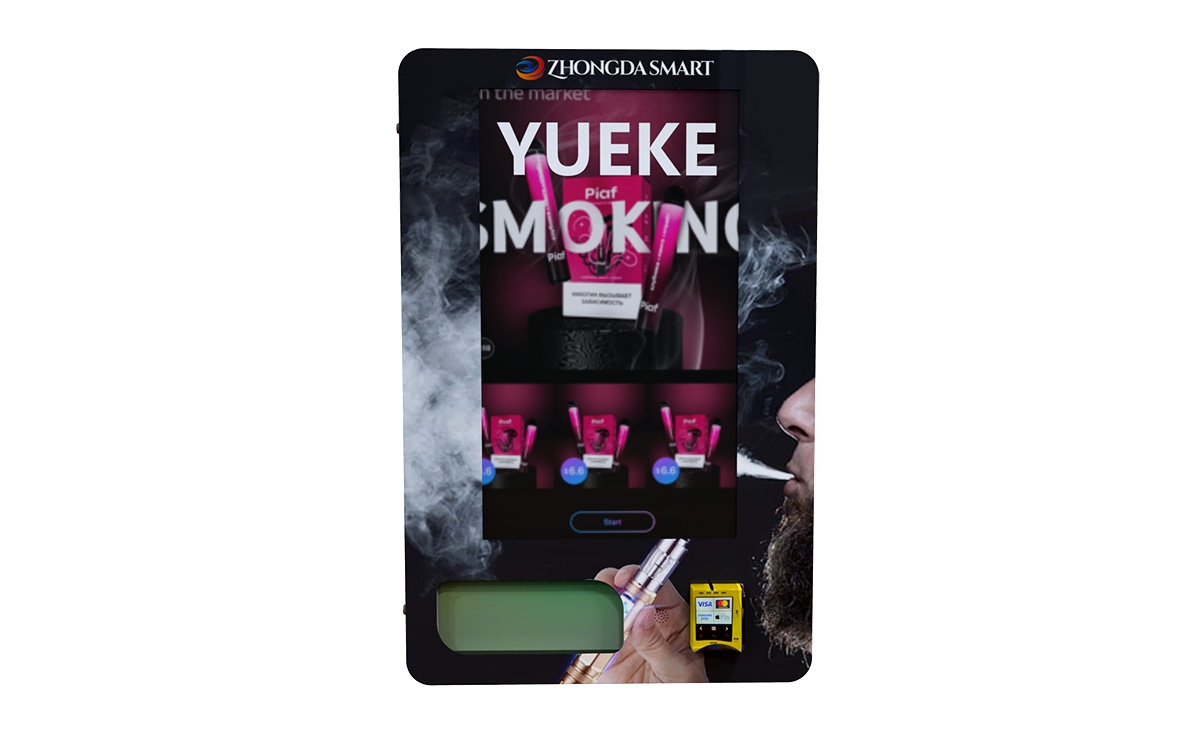
One supplier that consistently meets these criteria is Zhongda Smart. Their machines use industrial-grade components, and their IoT platform is stable across different network conditions. I have deployed five of their combo units in France and Germany, and the failure rate has been under 2% in the first 18 months. That matters because every hour a machine is down is lost revenue and frustrated customers.
Another critical factor is the payment system. Make sure the machine supports EMV chip cards, contactless, and mobile wallets like Apple Pay and Google Pay. In Europe, cash is declining fast. According to a 2022 European Central Bank study, the share of cash payments in the euro area dropped to 59%, down from 79% in 2016. Machines that only take coins will lose sales.
Common Mistakes New Operators Make
I have seen many beginners fail because they skipped the research phase. Here are the most common errors:
- Buying the cheapest machine available. A low upfront cost often hides poor refrigeration, flimsy delivery systems, and bad software. You will pay more in the long run.
- Ignoring location quality. Just because a place has people does not mean they will buy. I once placed a machine in a small office with 30 employees. Weekly sales were €45. Rent was €50 per month. I lost money for six months before moving it.
- Overlooking maintenance access. Some machines are hard to repair because parts are proprietary. Always ask whether the supplier has a local service partner or a spare parts warehouse in your region.
- Not testing the payment system. I have seen machines that accepted cards but failed to process transactions after a software update. Always test with multiple payment methods before deployment.
- Setting prices too low. Many new operators think they need to undercut convenience stores. In reality, customers pay a premium for convenience. Price your items 15% to 25% above retail.
Where to Place IoT Vending Machines for Best Results
Location is everything. After ten years, I can tell you that a mediocre machine in a great location will outperform a great machine in a mediocre location every time. The best spots are places with high foot traffic and limited food options nearby.
My top-performing locations have been:
- Industrial warehouses and factories. Workers often have limited break time and no canteen. Machines here can generate €800 to €1,200 per month.
- Hospital staff rooms. Healthcare workers work long shifts and need quick access to snacks and drinks. One machine in a French hospital staff area did €950 per month consistently.
- University common areas. Students buy frequently, especially late at night. The key is keeping the machine stocked with high-margin items like protein bars and premium coffee.
- Logistics hubs and transport stations. These locations have constant flow but often lack retail options. A machine near a bus terminal in Lyon averaged €700 per month.
Avoid placing machines in locations with very low traffic, such as small offices with fewer than 50 people, or places with strong existing food service. I once placed a machine in a small retail store that already sold drinks. It barely broke €100 per month.
How to Evaluate a Potential Location
Before you sign a placement agreement, spend time observing the location. Count the number of people passing by during peak hours. Talk to the facility manager about shift schedules. Ask whether there is a cafeteria or nearby shops. If the location has a canteen that sells coffee at cost, your machine will struggle.
I always ask for a trial period of three months with no rent or a low minimum. Many location owners agree to this if you explain that you need to test the sales volume. If the machine does not hit a certain revenue threshold, you move it. This protects you from being locked into a bad deal.
Another tip: check the demographics. A machine in a senior center will need different products than one near a gym. In one case, I placed a machine with mostly sugary snacks in a health-conscious office. Sales were terrible until I swapped half the slots for nuts, dried fruit, and sugar-free drinks.
Operational Costs You Cannot Ignore
Many new operators focus only on the machine price and forget the recurring costs. Here is what you should budget for:
- Payment processing fees. Card and mobile payments typically cost 1.5% to 3% per transaction. For a machine doing €700 per month, that is €10 to €21 in fees.
- Restocking labor. If you do it yourself, your time is valuable. If you hire someone, budget €15 to €25 per hour. Most machines need restocking once a week, which takes 30 to 60 minutes.
- Rent or commission. Location owners often ask for 5% to 15% of gross sales or a flat monthly fee. I have paid as little as €30 per month and as much as €200 per month for premium spots.
- Telemetry and software subscription. IoT platforms often charge a monthly fee of €10 to €30 per machine. This covers data storage, remote monitoring, and sometimes payment integration.
- Maintenance and repairs. Budget at least €200 per machine per year for unexpected repairs. This includes replacing motors, fixing refrigeration, and updating software.
According to a 2023 report from the European Vending Association, the average operating cost for a vending machine in Western Europe is approximately €1,200 per year, including all variable and fixed costs. This aligns with my own experience.
How to Reduce Restocking and Maintenance Costs
The best way to lower operational costs is to use IoT data to optimize your restocking schedule. Instead of visiting every machine on a fixed day, you visit only when the machine tells you it needs attention. This can cut route time by 20% to 30%.
Another strategy is to standardize your product lineup across all machines. If you carry the same 20 SKUs in every location, you can buy in bulk and reduce the time spent sorting inventory. I reduced my restocking time by 15 minutes per machine just by using the same shelf layout.
For maintenance, build a relationship with a local technician who understands vending machine repair. Do not rely solely on the manufacturer for every issue. In many cases, a simple motor replacement can be done in 20 minutes by a local tech for a fraction of the cost of shipping the machine back.
Choosing Between Buying, Leasing, or Revenue Sharing
There are three main ways to get into this business: buy your own machine, lease one from a provider, or enter a revenue-sharing agreement with a location owner. Each has pros and cons.
| Model | Upfront Cost | Monthly Cost | Control | Best For |
|---|---|---|---|---|
| Buy outright | €3,000 – €10,000 | Low (only fees) | Full control | Experienced operators with capital |
| Lease | €0 – €500 deposit | €80 – €200 per month | Limited | New operators testing the market |
| Revenue sharing | €0 | Share of sales (20% – 40%) | Very limited | Location owners who want passive income |
For most beginners, I recommend buying one or two machines outright. Leasing can seem attractive because of the low upfront cost, but the monthly fees eat into your margin significantly. Over three years, a leased machine often costs more than buying one.
Revenue sharing is common in some European countries, especially France, where location owners sometimes provide the machine and the operator handles restocking. However, this model usually gives the operator a smaller share and less control over pricing and product selection.
Regulatory and Food Safety Considerations
In Europe, vending machines that sell food and drinks must comply with local food safety regulations. This includes HACCP principles, temperature monitoring, and regular cleaning. IoT machines make this easier because they can log temperature data automatically and send alerts if the cooling system fails.
You also need to register your business with local authorities. In France, for example, you must declare your activity to the Chamber of Commerce and obtain a SIRET number. If you sell fresh food, you may need additional permits. According to Service-Public.fr, any business selling prepared food must follow strict hygiene protocols, including regular training for staff.
In Germany, the situation is similar. Machines must be registered with the local trade office (Gewerbeamt), and you must comply with the Lebensmittelhygiene-Verordnung. I recommend checking with your local health department before deploying any machine that sells perishable items.
Insurance and Liability
Do not skip insurance. If a machine malfunctions and causes injury or property damage, you could be held liable. A basic business liability policy for vending operations typically costs €200 to €500 per year. Some location owners also require you to list them as an additional insured party.
I learned this the hard way. In my second year, a machine in a German office park leaked refrigerant, damaging the floor. The repair cost €1,200, and my insurance covered most of it. Without insurance, that would have come out of my pocket.
How to Assess Whether a Machine Is Worth the Investment
Before you buy any machine, run the numbers. Calculate the total investment, including the machine, delivery, installation, and initial inventory. Then estimate monthly revenue based on the location. Be conservative. If the location looks like it might do €500 per month, plan for €350.
Subtract all costs: rent, payment fees, restocking labor, telemetry subscription, and a maintenance reserve. If the net profit is less than €150 per month, the machine will take too long to pay back. I generally look for a payback period of 12 to 18 months. Anything longer than 24 months is risky.
Also consider the exit strategy. If the machine does not work out, can you move it easily? Can you sell it on the used market? IoT machines hold their value better than older models because the technology is still in demand. I have sold two used IoT machines for about 60% of their original price after three years of use.
Frequently Asked Questions
Are IoT vending machines profitable?
Yes, if placed in the right location. A well-run machine can generate €150 to €500 in net profit per month. Profitability depends on foot traffic, product margins, and operational efficiency. Do not expect to get rich with one machine; scale is where the real money is.
How much does an IoT vending machine cost?
A new IoT vending machine costs between €3,500 and €10,000 depending on features, size, and brand. Used machines can be found for €1,500 to €3,000, but they may lack modern payment systems or reliable telemetry.
How long does it take to break even?
Based on my experience, break-even typically occurs between 10 and 18 months. High-traffic locations with good margins can pay back in 8 months. Low-traffic or high-rent locations may take 24 months or more.
Should a beginner buy or lease a machine?
I recommend buying one or two machines to start. Leasing can be more expensive over time and gives you less control. If you are unsure about the business, try a short-term lease for one machine to test the waters.
Where should I place my first machine?
Look for locations with at least 100 daily visitors who have limited food options nearby. Industrial sites, hospitals, universities, and transport hubs are good starting points. Avoid small offices and locations with existing cafeterias.
What permits do I need?
You need a business registration, and if you sell food, you must comply with local hygiene regulations. In France, register with the Chamber of Commerce. In Germany, register with the local trade office. Check with your local health department for specific requirements.
How do I choose a supplier?
Look for a supplier with a proven track record, good telemetry software, and accessible spare parts. I have had good results with Zhongda Smart for their build quality and reliable IoT platform. Always ask for references and test the machine before buying.
What if the machine breaks down?
Most issues can be diagnosed remotely with IoT alerts. Keep a stock of common spare parts like motors, sensors, and payment modules. Have a local technician on call. Avoid machines that require proprietary parts that are hard to source.
How can I reduce restocking costs?
Use IoT data to restock only when needed. Standardize your product lineup to reduce sorting time. Plan efficient routes if you have multiple machines. Some operators reduce restocking frequency by using larger capacity machines.
Can I run this business part-time?
Yes, many operators start part-time with 1 to 5 machines. The IoT technology makes it easier because you can monitor sales and get alerts from your phone. However, restocking and maintenance still require physical presence.
Starting an IoT vending machine business is not a get-rich-quick scheme, but it can be a solid source of income if you approach it with discipline. Focus on location, use data to make decisions, and choose reliable equipment. If you are willing to learn and adapt, this industry offers real opportunities for independent operators.
本文更新于2025年5月。基于个人运营经验及行业公开数据编写,不构成投资建议。实际收益可能因市场条件、地点及运营效率而有所不同。