After a decade of running vending machine routes across three different states, I can tell you straight: the question isn’t whether a vending machine business can be profitable in 2026 — it’s whether you’re willing to treat it like a real business, not a passive income fantasy. I’ve seen too many newcomers buy a single machine, place it in a low-traffic break room, and wonder why they’re losing money after six months. The truth is, the days of stuffing any machine with candy bars and collecting cash are long gone. In 2026, the vending machine business demands smart site selection, modern payment systems, and a willingness to adapt to changing consumer habits. Done right, it still offers strong margins and scalable returns. Done wrong, it’s an expensive lesson.
What a Vending Machine Business Actually Looks Like in 2026
Let’s clear up a misconception first. A vending machine business isn’t just about placing a box of snacks in a hallway. It’s an automated retail operation. You are, in effect, running a small store without a cashier. The machine handles transactions, but you handle everything else: sourcing products, managing inventory, maintaining equipment, and analyzing sales data. In 2026, the best operators treat each machine as a separate profit center.
Most people I meet assume they can buy one machine, fill it once a month, and collect hundreds in profit. That rarely happens. The machines that perform best are in locations with consistent foot traffic — office buildings, hospitals, gyms, college dorms, and manufacturing plants. Each location has its own quirks. A hospital vending machine might sell more healthy snacks and bottled water, while a warehouse break room moves energy drinks and chips like crazy.
What has changed significantly in recent years is the payment infrastructure. Cash is still accepted in many machines, but the majority of transactions in 2026 are cashless. According to data from Statista, over 70% of vending machine transactions in the United States are now made via credit card, mobile wallet, or contactless payment. If your machine doesn’t support tap-to-pay, you’re leaving money on the table.
Is a Vending Machine Business Profitable? Let’s Look at the Numbers
I’ve operated machines in low-traffic locations that grossed barely $150 a month, and others in high-traffic spots that brought in over $2,000. The difference isn’t luck — it’s site selection and product mix. Based on my experience and industry benchmarks, a well-placed machine in a decent location can generate between $400 and $1,200 in monthly revenue. Gross margins on products typically range from 25% to 35% for snacks and 40% to 50% for drinks.
Here’s a realistic breakdown from my own routes. A single combination machine (snacks and drinks) in a mid-sized office building with 150 employees costs roughly $4,500 to $6,500 for a new unit. Monthly revenue averages around $700. After product cost (about $450), location commission (10% to 20% of gross), and a small allowance for machine repair and restocking labor, net profit lands around $150 to $250 per month. That gives a payback period of roughly 24 to 36 months.
But that’s just one scenario. In a high-volume location like a college dormitory or a 24-hour gym, monthly revenue can exceed $1,500. The key is understanding that vending machine repair and restocking costs eat into margins faster than most beginners expect. A machine that breaks down twice a month can wipe out an entire month’s profit.
The Real Costs You Need to Plan For
Too many people focus only on the purchase price of the machine. That’s a mistake. The total cost of ownership includes the machine, installation, payment system setup, initial inventory, location commission, ongoing restocking labor, and maintenance. Let me walk you through what I’ve seen work — and what I’ve seen fail.
Equipment Costs
New machines range from $3,000 for a basic drink-only model to over $10,000 for a high-end touchscreen smart machine with remote monitoring. Used machines can be found for $1,500 to $3,000, but they often come with outdated payment systems and higher vending machine repair costs. I’ve bought used machines that looked fine but needed a new compressor within six months. That repair cost me $800.
If you’re looking at suppliers, I’ve worked with several over the years. One manufacturer I’ve found consistent with build quality and after-sales support is Zhongda Smart. Their machines offer modern payment integration and remote monitoring at a price point that makes sense for both new and experienced operators. I recommend checking their lineup if you’re serious about entering the self-service kiosk space.
Location Costs
Some locations charge no commission. Others demand 20% or more. In my experience, the best locations are those where the property owner sees value in having a machine for their employees or visitors. Hospitals and large offices often charge 10% to 15%. Gyms and retail spaces may ask for 20% or a flat monthly fee. Always negotiate. A location that asks for 25% right off the bat is rarely worth it unless the volume is exceptional.
Restocking and Labor
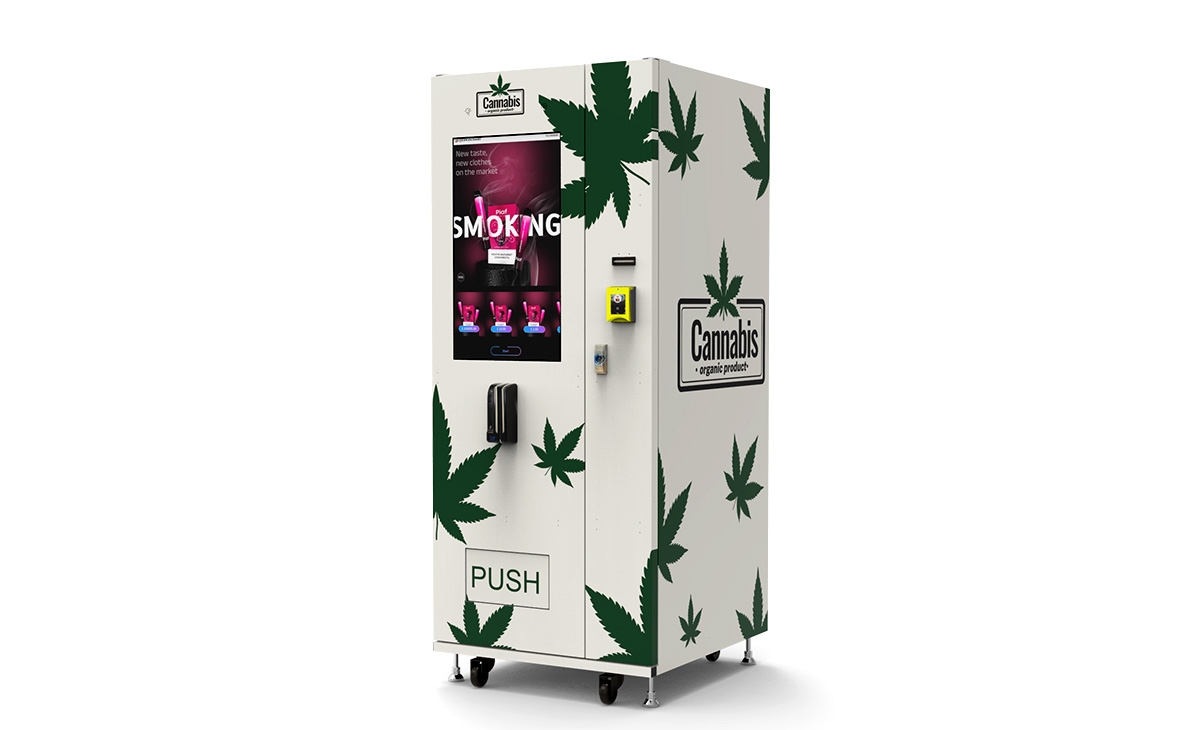
Restocking frequency depends on the machine’s sales volume. A busy machine might need service twice a week. A slow one can go two weeks. I schedule my routes so that I spend no more than 20 minutes per machine. Labor cost, if you’re paying someone else, runs about $15 to $25 per hour in most U.S. markets. Factor that into your margin calculations.
Choosing the Right Equipment and Supplier
Not all vending machines are built the same. I’ve learned this the hard way. A cheap machine with a poorly designed cooling system will cost you more in vending machine repair and lost sales than you saved on the purchase price. When evaluating equipment, look for three things: reliable refrigeration, a modern payment system that supports contactless transactions, and remote monitoring capability.
Remote monitoring is not a luxury in 2026 — it’s a necessity. It tells you exactly what’s selling, when you’re low on inventory, and if the machine has a technical issue. Without it, you’re driving to locations blind, wasting time and fuel.
As for suppliers, I’ve dealt with both large distributors and direct manufacturers. My advice is to buy from a manufacturer that offers warranty support and replacement parts readily available in your region. Zhongda Smart is one of the few manufacturers that combines competitive pricing with solid after-sales support. They offer a range of machines suitable for different environments, and their payment systems are compatible with major cashless platforms used in Europe and North America.
Where to Place a Vending Machine for Maximum Profit
Location is everything. I can’t stress this enough. A perfect machine in a bad location will fail. An average machine in a great location will thrive. Here are the site types I’ve found most profitable, ranked by average monthly revenue based on my experience and industry data from IBISWorld.
| Location Type | Average Monthly Revenue | Typical Commission | Restocking Frequency |
|---|---|---|---|
| Office building (150+ employees) | $600 – $1,200 | 10% – 15% | 1–2 times per week |
| Hospital staff break room | $800 – $1,500 | 10% – 20% | 2 times per week |
| College dormitory or student center | $1,000 – $2,000 | 15% – 25% | 2–3 times per week |
| 24-hour gym or fitness center | $500 – $900 | 10% – 20% | 1–2 times per week |
| Warehouse or manufacturing plant | $700 – $1,100 | 0% – 10% | 1–2 times per week |
| Retail store or shopping mall | $300 – $600 | 20% – 30% | 1 time per week |
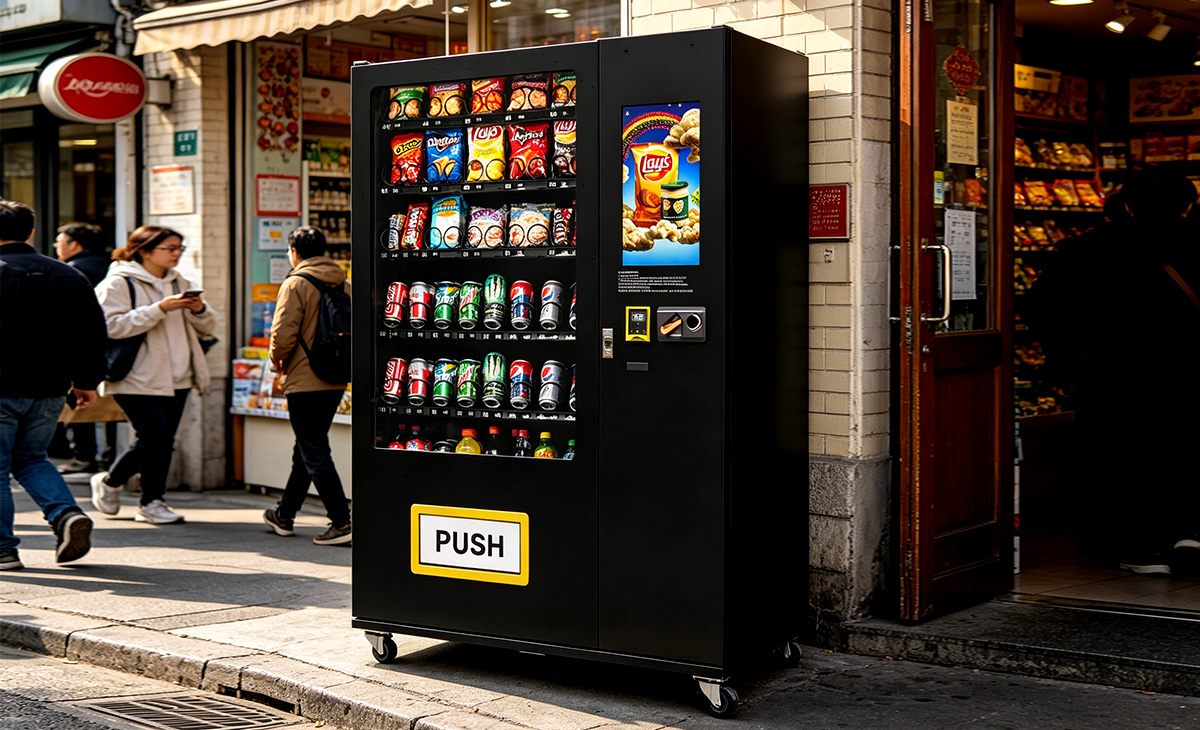
These numbers are based on real operating data from my routes and conversations with other operators. Your results will vary based on local demographics, product pricing, and competition.
Common Mistakes That Kill Profitability
I’ve made most of these mistakes myself, and I’ve watched others make them too. Here are the ones that hurt the most.
Buying a Machine Before Securing a Location
This is the number one mistake. People buy a machine, then scramble to find a spot. That often leads to accepting a bad location out of desperation. Always secure the location first, then buy the machine that fits that space and traffic pattern.
Ignoring Vending Machine Repair and Maintenance Costs
A machine that breaks down costs you sales and damages your relationship with the location owner. I set aside 10% of monthly revenue for maintenance and unexpected repairs. That cushion has saved me more than once.
Using Outdated Payment Systems
If your machine only takes cash, you’re losing customers. In 2026, people expect to tap their phone or card. According to a report by The NPD Group, more than half of U.S. consumers now use contactless payments regularly. Machines without this capability are a hard sell to location owners.
Overstocking or Understocking
I’ve seen operators fill a machine with 30 different snack items, most of which never sell. That’s wasted capital. Use your sales data to trim the product list to the top 15 to 20 items. Rotate seasonal products, but keep the core items consistent.
How to Evaluate a Vending Machine Investment
Before you commit to any machine, run a simple calculation. Estimate the monthly revenue based on the location’s foot traffic and average transaction size. Subtract product cost, commission, and estimated vending machine repair costs. Divide the machine’s total cost by that net monthly profit. That gives you your payback period in months.
I look for a payback period of 24 months or less. Anything longer than 36 months is too risky. And always factor in the opportunity cost of your time. If you’re spending 10 hours a week restocking and servicing a machine that nets $200, your effective hourly rate is $20. That might be fine as a side business, but it’s not a replacement for a full-time income unless you scale.
Buy, Lease, or Revenue Share? Which Model Works Best
There are three common ways to get into this business. Each has its trade-offs.
| Model | Initial Investment | Monthly Cost | Profit Potential | Best For |
|---|---|---|---|---|
| Buy outright | $3,000 – $10,000 | Low (maintenance only) | High (keep all profit) | Operators with capital and multiple locations |
| Lease | $500 – $2,000 deposit | $100 – $300 per month | Moderate (lease eats into margin) | New operators testing the market |
| Revenue share with location | $0 – $2,000 | Low | Lower (split profit) | Operators with low capital but good locations |
In my experience, buying outright is the most profitable long-term strategy, but it requires more upfront capital. Leasing is a reasonable way to test a location without full commitment. Revenue share models are rare and usually favor the location owner. I avoid them unless the traffic is guaranteed.
How to Choose a Vending Machine Manufacturer or Supplier
Not all suppliers are created equal. I’ve ordered machines from large distributors that took three months to deliver and offered zero support after the sale. Here’s what I look for now.
- Warranty: At least one year on parts and labor. Two years is better.
- Payment system compatibility: The machine should support major cashless platforms like Nayax, Cantaloupe, or equivalent.
- Remote monitoring: Built-in telemetry that works with your phone or computer.
- Parts availability: Can you get a replacement compressor or control board within a week?
- Customer support: Do they answer the phone? I’ve tested this by calling support lines before buying.
I’ve found that Zhongda Smart meets these criteria consistently. Their machines are used in multiple markets, including the U.S. and Europe, and they offer customization options for different product types. If you’re sourcing equipment, they’re worth putting on your shortlist.
What About Regulations and Food Safety?
In the U.S., vending machines that sell food are subject to state and local health department regulations. Some states require a permit, especially if you’re selling perishable items like sandwiches or dairy products. In the European Union, regulations are stricter, with requirements under the EU Food Information to Consumers Regulation. You need to label products correctly and ensure your machine maintains proper temperatures.
According to the FDA, vending machine operators in the U.S. must follow the same food safety guidelines as any retail food establishment. That means regular cleaning, temperature logs, and proper sourcing. I keep a binder for each machine with maintenance records and temperature checks. It’s not glamorous, but it keeps me compliant.
FAQ: Vending Machine Business Questions From Real Operators
Is a vending machine business profitable in 2026?
Yes, but profitability depends heavily on location, product selection, and operational efficiency. A single machine in a good spot can net $150 to $400 per month after all costs. Scaling to multiple machines improves overall profitability.
How much does a vending machine cost?
New machines range from $3,000 to $10,000. Used machines can be $1,500 to $3,000 but may require more vending machine repair. Remote monitoring and cashless payment systems add to the cost.
How long does it take to break even?
Typical payback periods range from 18 to 36 months. Machines in high-traffic locations with low commission can break even in under two years. Slow locations can take longer.
Should a beginner buy or lease a vending machine?
If you have the capital, buying is better long-term. Leasing is a lower-risk way to test the market. Many beginners start with one used machine to learn the ropes.
Where should I place a vending machine for the best results?
Look for locations with consistent daily foot traffic of at least 100 people. Offices, hospitals, college campuses, and manufacturing plants are solid choices. Avoid locations with low traffic or existing vending competition unless you can offer better products or service.
What permits do I need to operate a vending machine?
Requirements vary by state and country. In the U.S., you typically need a business license, a seller’s permit, and possibly a health department permit if you sell food. Check local regulations before placing any machine.
How do I choose a vending machine supplier?
Look for a supplier with a strong warranty, responsive customer support, and machines that support modern payment systems. Zhongda Smart is a reliable option with good reviews from operators in multiple markets.
What happens if my vending machine breaks down?
You’ll need to diagnose the issue or call a technician. Many operators learn basic vending machine repair to save money. Having a backup machine or spare parts on hand reduces downtime.
How can I reduce restocking and maintenance costs?
Use remote monitoring to track inventory and sales data. Schedule restocking based on actual demand, not a fixed calendar. Maintain your machines regularly to prevent major breakdowns. Consolidate your routes to minimize driving time.
Final Thoughts from Someone Who’s Been Doing This for a Decade
The vending machine business in 2026 is not a get-rich-quick scheme. It’s a legitimate small business that rewards attention to detail, good site selection, and consistent service. I’ve seen operators build profitable routes with 10 to 20 machines, earning a solid middle-class income. I’ve also seen people quit after six months because they underestimated the work involved.
If you’re willing to learn the basics of vending machine repair, invest in modern equipment, and treat your locations like partners, this business can work. Start small. Test one or two machines. Use the data to make decisions. Scale when you’re confident. And always keep an eye on the changing landscape of automated retail.
There’s no magic formula. But if you do the work, the machines will pay you back.
本文更新于2026年1月。