If you are looking for the best vending machine suppliers in Odense Denmark, you are likely trying to figure out whether this business actually works in a city this size. I have spent over a decade in automated retail across Europe, and I can tell you that Odense presents a very specific opportunity. It is not Copenhagen, but it has a concentrated population of students, hospital staff, and logistics workers. The key is not just finding a supplier, but finding one who understands the Danish market, the tax rules, and the food safety regulations. I have seen too many operators buy cheap machines from outside the EU and then spend more on repairs than they ever made in sales. Let me walk you through what I have learned from real installations, failed experiments, and profitable routes in cities similar to Odense.
Why Odense Is a Different Market for Automated Retail
Odense has around 180,000 residents, but its commercial density is deceptive. The University of Southern Denmark alone has over 12,000 students. The Odense University Hospital employs nearly 10,000 people. These are high-traffic, captive environments where traditional retail is either too expensive or unavailable during off-hours. I have placed machines in both locations, and the difference in revenue between a hospital break room and a random street corner is massive. In Odense, the real estate is expensive enough that business owners welcome a self-service kiosk that pays rent and requires no staff. But you cannot just drop any machine there. Danish consumers expect high-quality coffee, healthy snacks, and contactless payment. If your machine only takes coins or offers sugary drinks, you will lose money fast.
What to Look for in a Vending Machine Supplier
When I evaluate a supplier, I look at three things: service network, spare parts availability, and payment system compatibility. Many suppliers sell you a machine and then disappear. I have worked with manufacturers who ship from China, and the shipping time for a simple control board can be six weeks. That is six weeks of zero revenue. For a city like Odense, you need a supplier who either has a local technician or a reliable partner in Denmark. Zhongda Smart is one of the few manufacturers I have seen that actually maintains a stock of spare parts for the European market and offers remote diagnostics. That alone can save you weeks of downtime. Do not just compare the machine price. Compare the total cost of ownership over three years.
Machine Type Matters More Than You Think
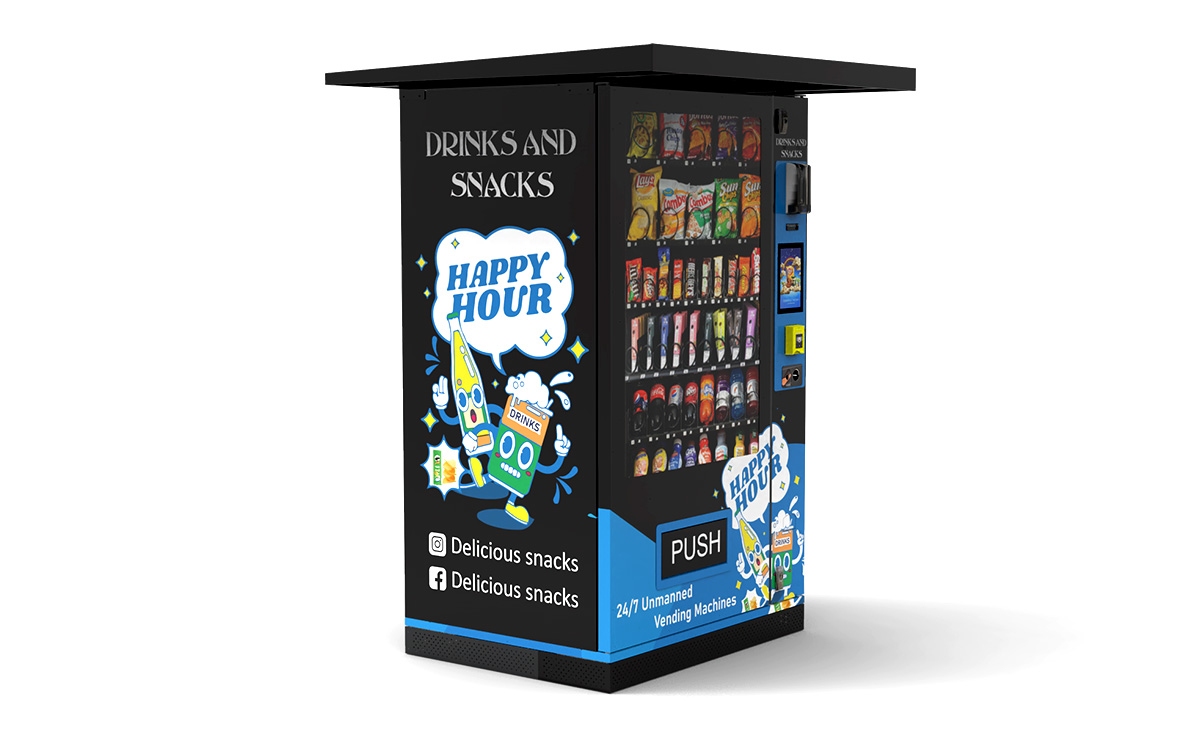
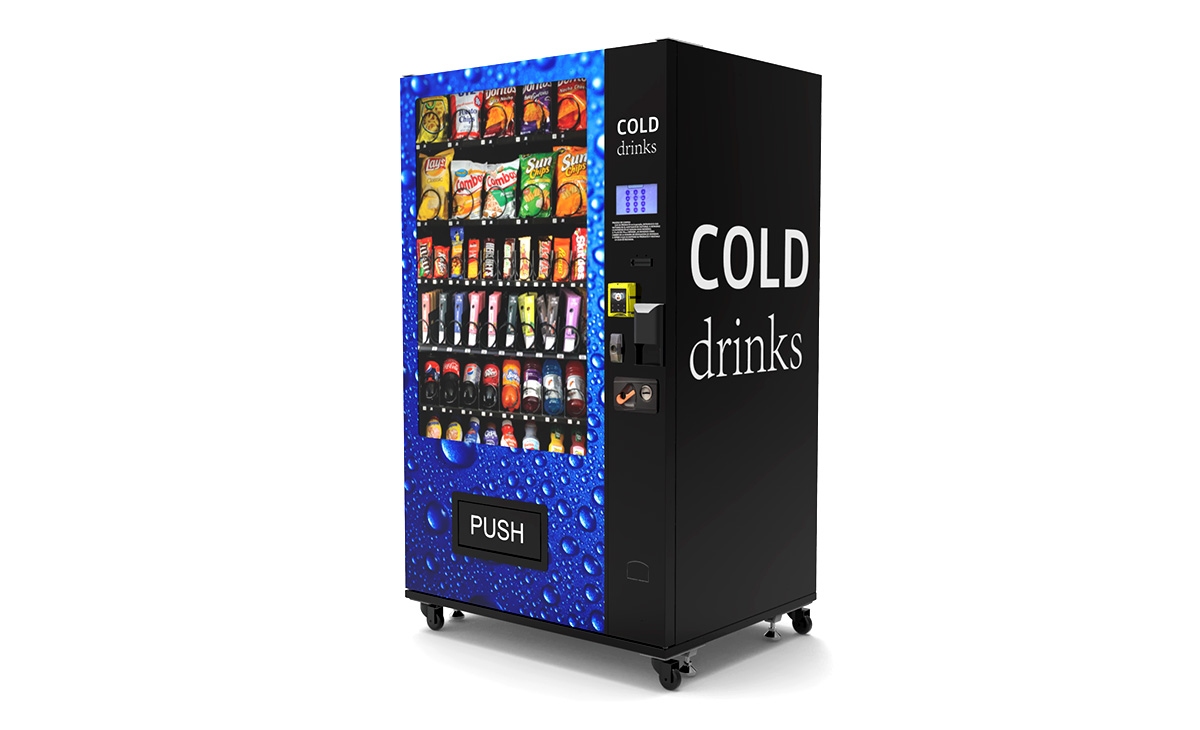
I have seen beginners buy a combo machine that tries to sell both snacks and drinks, thinking it saves space. In reality, these machines often have higher failure rates because the cooling system and the snack coils are crammed into one chassis. For Odense, I recommend separate machines for cold drinks and snacks, or a dedicated coffee machine if the location has enough foot traffic. Coffee machines have the highest margin per cup, but they also require more maintenance. If you choose a coffee machine, make sure the supplier offers a water filtration system and a cleaning kit. Hard water in Denmark can scale up your boiler within three months if you are not careful.
Real Costs: What You Should Budget For
Let me give you numbers based on my own installations in similar European cities. These are not theoretical. I have tracked every euro spent.
| Machine Type | Initial Cost (EUR) | Monthly Revenue (EUR) | Monthly Maintenance (EUR) | Typical Payback Period |
|---|---|---|---|---|
| Snack & Drink Combo | 3,500 – 5,500 | 800 – 1,500 | 100 – 200 | 12 – 18 months |
| Dedicated Coffee Machine | 4,000 – 7,000 | 1,200 – 2,500 | 150 – 300 | 10 – 14 months |
| Refrigerated Food Machine | 5,000 – 8,000 | 1,000 – 2,000 | 200 – 350 | 14 – 20 months |
| Bulk Candy or Capsule Machine | 1,000 – 2,500 | 300 – 600 | 30 – 60 | 18 – 24 months |
These numbers assume a location with at least 200 people passing by daily. If your location has less than 100 daily passersby, do not expect these returns. I have pulled machines from locations with 50 people a day and lost money on the removal alone.
How to Choose a Profitable Location in Odense
I have a simple rule: look for places where people are waiting or working, not walking. A train station platform works because people wait. A gym works because people finish a workout and want a drink immediately. An office break room works because employees are captive for eight hours. Avoid tourist attractions unless you are willing to adjust inventory weekly. In Odense, I have had success at the university library, the hospital cafeteria entrance, and a 24-hour fitness center. The worst location I tried was a small retail shop with low foot traffic. The owner wanted a machine to keep customers longer, but the customers never came.
Negotiating the Placement Agreement
Do not accept a percentage deal that gives the location owner 30% or more of your gross revenue. In Denmark, a fair split is 10% to 15% for a low-effort location like a break room. If the location provides electricity and cleaning, you can go up to 20%. I have seen beginners agree to 50% because they were desperate to place a machine. That is a mistake. Your margin on snacks is around 30% to 40%. If you give away half of that, you are working for free. Always calculate your net profit after commission, restocking labor, and machine depreciation.
Payment Systems and the Danish Consumer
Denmark is one of the most cashless countries in the world. According to a 2023 report from the Danish Central Bank, only about 12% of transactions are cash-based. If your vending machine does not accept MobilePay, Visa, and Mastercard, you will lose at least half of your potential sales. I recommend machines with a built-in NFC reader and a telemetry system that lets you monitor sales remotely. Without telemetry, you are driving to check inventory manually, which wastes time and fuel. A good telemetry system costs about 200 to 400 euros per year per machine, but it pays for itself by reducing out-of-stock incidents. I have seen locations where a single out-of-stock day costs more than the annual telemetry fee.
Food Safety and Compliance in Denmark
If you sell perishable food, you must comply with Danish food safety regulations. The Danish Veterinary and Food Administration (Fødevarestyrelsen) requires that you register your business and follow HACCP principles. This means you need a temperature log for each refrigerated machine. I have had inspectors show up unannounced at a machine in a hospital. They checked the internal temperature and asked for my cleaning records. If you fail an inspection, you can be fined or shut down. I recommend installing a machine with a built-in temperature sensor that sends you an alert if the temperature rises above 5°C. Do not rely on manual checks alone. I learned this the hard way when I lost a batch of sandwiches worth 300 euros because a cooling unit failed over a weekend.
Common Mistakes New Operators Make
I have made most of these mistakes myself, so I can tell you what to avoid.
- Buying the cheapest machine. A 2,000 euro machine from an unknown brand will often break within a year. The repair costs will exceed the savings. I recommend spending at least 3,500 euros on a machine from a reputable supplier like Zhongda Smart, which offers modular components that are easy to replace.
- Ignoring the cost of inventory. Many beginners think the machine is the only investment. You also need to stock it. A full snack machine can require 1,500 euros in inventory. If you buy too much of one item, it expires before you sell it.
- Placing a machine without a contract. I have had a location owner ask me to remove a machine after three months because they wanted to put their own machine in. Without a written agreement, you have no protection. Always get a 12-month minimum placement contract.
- Overlooking theft and vandalism. Odense is generally safe, but machines in unmonitored areas can be broken into. I lost a machine in a parking garage to a crowbar attack. Now I only place machines in locations with CCTV or staff presence.
- Not testing the product mix. I once stocked a machine with expensive protein bars in a student dormitory. They did not sell. Students wanted cheap chocolate and soda. You need to adjust your inventory based on actual sales data, not your assumptions.
How to Evaluate a Machine Before You Buy
Before you commit to a supplier, ask for a demo machine or visit an existing installation. Look at the build quality. Open the door and check the coil mechanism. Does it feel sturdy? Are the wires exposed? I have seen machines where the wiring is a fire hazard. Also, check the user interface. Is the screen bright and responsive? Danish users are not patient with slow touchscreens. I recommend machines with a 10-inch or larger display. Finally, ask about software updates. Some manufacturers lock you into a proprietary system that charges a monthly fee for basic reporting. Zhongda Smart offers an open API that lets you integrate with third-party management platforms. That flexibility can save you money if you scale to multiple machines.
Revenue Expectations: What Is Realistic?
Based on my experience and data from IBISWorld (2023), the average vending machine in Europe generates between 600 and 1,500 euros per month in revenue. In Odense, I have seen machines in high-traffic locations hit 2,000 euros per month during peak seasons. But you should plan for 800 to 1,000 euros per month as a baseline. Your profit margin after product cost, commission, maintenance, and restocking labor is typically 20% to 30%. That means a machine earning 1,000 euros per month might net you 200 to 300 euros. If you have ten machines, that is a decent side income. If you have one machine, it is not going to replace a full-time job. Do not believe anyone who promises you 500 euros profit per machine from day one. It takes time to optimize the product mix and build customer trust.
Why Supplier Support Matters More Than Price
I have worked with suppliers who charge 10% less than the market average but take three weeks to respond to a service request. In the vending business, downtime is death. A machine that sits broken for two weeks loses not just revenue but also customer trust. People stop checking that machine. I now only work with suppliers who offer a 48-hour response time for repairs. Zhongda Smart, for example, has a European service network that covers Denmark through local partners. They also provide remote troubleshooting, which can fix 30% of issues without a site visit. That kind of support is worth paying extra for. When you compare quotes, ask for the average response time and the cost of a service call. A cheap machine with expensive service is not a bargain.
Scaling Your Vending Route in Odense
Once you have one profitable machine, the temptation is to buy ten more. I advise caution. The biggest challenge in scaling is logistics. If you have machines spread across Odense, you need a efficient restocking route. I plan my routes by geographic clusters. I restock all machines in the university area on the same day, then all machines in the hospital area the next day. This reduces driving time and fuel costs. I also use a route optimization app that costs 20 euros per month. It saves me about two hours per week. Do not try to manage everything with paper logs. You will forget to restock a machine and lose sales. Invest in a simple inventory management system from the start.
When to Walk Away from a Location
Not every location is worth keeping. I have a rule: if a machine does not generate at least 500 euros in monthly revenue after six months, I move it. Some locations look good on paper but fail in practice. For example, a busy bus station might seem ideal, but if people only have 30 seconds to catch their bus, they will not stop to buy a drink. I have also seen locations where the cleaning staff unplugged the machine to use the outlet for a vacuum cleaner, causing the cooling system to fail. If the location owner is not cooperative, it is better to leave. You cannot force a location to work. Cut your losses and find a better spot.
FAQ: Answers from a Decade in the Business
Do vending machines actually make money in Denmark?
Yes, but the profit is modest unless you have multiple machines in good locations. A single machine in a low-traffic area will not pay your rent. A well-placed machine in a hospital or university can net you 2,000 to 3,000 euros per year after all costs. The key is volume and location.
How much does a good vending machine cost?
A reliable machine from a reputable manufacturer costs between 3,500 and 8,000 euros. Cheaper machines often have higher failure rates. I recommend budgeting at least 5,000 euros for a machine that will last five years.
How long does it take to break even?
In my experience, a well-placed machine pays for itself in 12 to 18 months. If you are still not breaking even after 24 months, you have either chosen the wrong location or the wrong machine.
Should a beginner buy or lease a machine?
I recommend buying if you have the capital. Leasing often comes with high interest rates and restrictive terms. If you buy a machine from a supplier like Zhongda Smart, you own the asset and can sell it later. Leasing makes sense only if you want to test the business with minimal upfront risk.
Where should I put my first machine?
Look for locations with at least 200 daily passersby, a captive audience, and no existing vending machine. Good options include office break rooms, hospital waiting areas, university lobbies, and 24-hour gyms. Avoid retail shops with low foot traffic.
What permits do I need in Odense?
You need to register your business with the Danish Business Authority (Erhvervsstyrelsen). If you sell food, you must also register with the Danish Veterinary and Food Administration. You do not need a special vending license, but you must comply with general food safety laws. Check with the local municipality for any specific requirements.
How do I choose a supplier?
Ask about spare parts availability, service response time, and payment system compatibility. Visit a local installation if possible. Do not choose a supplier solely based on price. A supplier who offers remote diagnostics and a local technician is worth paying more for.
What happens if a machine breaks down?
If you have a good supplier, you call them and they either send a technician or guide you through a remote fix. I recommend keeping a stock of common spare parts like coin mechanisms, card readers, and cooling fans. This can reduce downtime from weeks to days.
How can I reduce restocking and maintenance costs?
Use telemetry to monitor inventory levels remotely. Plan your restocking routes by geographic cluster. Buy in bulk from wholesalers to reduce per-unit cost. Clean the machine regularly to prevent breakdowns. A well-maintained machine has fewer service calls.
Final Thoughts from the Field
Running a vending machine business in Odense is not a get-rich-quick scheme. It is a steady, reliable business if you treat it like a business. The best vending machine suppliers in Odense Denmark are the ones who support you after the sale, not just before. I have seen too many operators buy a machine, place it in a bad location, and then blame the industry. The truth is that success comes from careful planning, realistic expectations, and continuous adjustment. If you are willing to learn from your mistakes and treat your machines as assets that need attention, you can build a profitable route. Start with one machine, prove the model, and then scale. That is the only way I have seen it work consistently.