After spending over a decade in the automated retail space across the US and Europe, I can tell you that the question “how much can you make with vending machines” doesn’t have a one-size-fits-all answer. I’ve seen single machines in a busy office park generate over $2,500 a month, and I’ve watched operators lose money on expensive units placed in dead zones. The reality is that your income depends heavily on location, product selection, machine type, and how well you manage operations. A well-placed machine can net you between $300 and $1,500 per month after expenses, but the range is wide. In this guide, I’ll break down the real numbers, the hidden costs, and the practical lessons I’ve learned from running my own routes and consulting for others.
The Real Numbers Behind Vending Machine Income
Let’s start with the hard data. Based on my own operations and industry benchmarks from sources like IBISWorld, the average vending machine in the US generates about $75 to $100 per week in sales. That sounds modest, but top-performing machines in high-traffic locations can push $400 to $600 per week. The key is not to look at the gross revenue alone. You need to subtract product costs, which typically run 40% to 50% of sales, plus machine payments, location commission, credit card fees, and your own labor for restocking and repairs.
I’ve operated machines that cost $3,000 upfront and paid for themselves in eight months. I’ve also seen operators invest $10,000 in a fancy touchscreen model that barely broke even because the foot traffic was overestimated. The profit margin after all expenses usually lands between 20% and 40% of gross revenue for a well-run machine. So if your machine does $1,200 a month, you might take home $300 to $500. That’s decent for a part-time side hustle, but it’s not passive income—you still have to restock, clean, and handle machine repairs.
Key Factors That Determine Your Earnings
Location Is Everything
I cannot overstate this. I’ve placed identical machines in two different locations and seen a fivefold difference in revenue. A good location has consistent daily foot traffic, a captive audience, and minimal competition. Think office break rooms, hospital waiting areas, college dormitories, gyms, and industrial warehouses. Bad locations include empty retail corridors, low-traffic lobbies, and spots near existing convenience stores. Before you commit, spend a week observing foot traffic and talking to the property manager about employee or visitor counts.
One of my biggest mistakes was placing a snack machine in a small car repair shop. The owner promised steady customers, but the daily traffic was barely 20 people. That machine did about $50 a week. I moved it to a 24-hour laundromat and saw weekly sales jump to $250. The difference was simply the number of people passing through.
Machine Type and Configuration
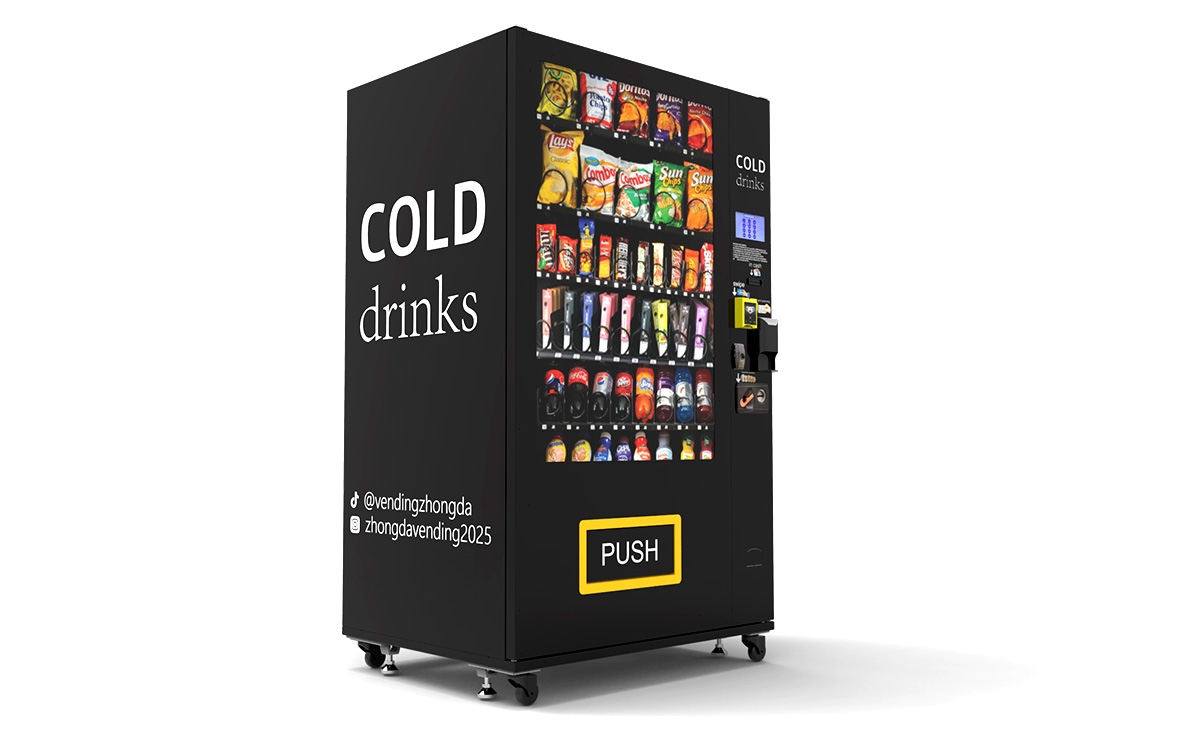
Not all vending machines are created equal. A basic spiral snack machine might cost $2,500 to $4,000 new, while a combo machine that vends both snacks and drinks can run $5,000 to $8,000. High-end models with touchscreens, cashless payment systems, and remote monitoring can cost $10,000 or more. I’ve learned that you don’t always need the most expensive machine. For a first location, a reliable used machine with a card reader is often a smarter bet. Newer machines do reduce vending machine repair calls, but they also require a larger upfront investment.
I’ve also seen operators go all-in on expensive self-service kiosks that look impressive but have complicated electronics. When they break, the repair cost eats into profits quickly. Stick with proven, simple designs from reputable manufacturers. Zhongda Smart offers a range of machines that balance cost and reliability, which is why I often recommend them to new operators who want a solid unit without paying for unnecessary bells and whistles.
Product Mix and Pricing
Your product selection directly impacts your revenue. I always advise starting with high-margin items like candy, chips, and bottled water. Soda machines can be profitable, but they require more space and have lower margins if you’re buying single cans. I’ve found that offering a mix of healthy snacks, protein bars, and traditional treats works well in most locations. Pricing should be competitive but not too low. In the US, a typical candy bar sells for $1.50 to $2.00, while a bottle of water can go for $1.50 to $2.50. In Europe, prices vary by country, but the principle is the same: keep your margins above 40%.
One trick I use is to track sales data for the first month and adjust the product mix based on what sells. If a certain item sits for weeks, replace it with something else. This is where a machine with remote monitoring saves you time—you can see real-time sales without driving to the location.
Cost Breakdown: What You Actually Spend
Let’s talk about the real costs. I’ve seen too many beginners underestimate ongoing expenses. Here’s a realistic breakdown based on my experience and data from the National Automatic Merchandising Association (NAMA):
| Cost Category | Estimated Amount | Notes |
|---|---|---|
| New machine (snack) | $2,500 – $4,000 | Basic model, no touchscreen |
| New machine (combo) | $5,000 – $8,000 | Snacks and drinks |
| Used machine | $1,000 – $2,500 | May need vending machine repair |
| Credit card reader | $300 – $600 | Essential for modern locations |
| Location commission | 10% – 20% of gross | Negotiable, sometimes flat fee |
| Product cost | 40% – 50% of sales | Varies by item |
| Maintenance per year | $200 – $500 | Includes vending machine repair |
| Restocking labor | $15 – $25 per hour | Or your own time |
These numbers are based on my own route and conversations with other operators. Your actual costs will vary depending on your location, machine age, and how often you need to call for vending machine repair. I’ve had years where I spent less than $100 on maintenance, and other years where a single compressor failure cost me $600.
How to Choose a Vending Machine Supplier
Selecting the right manufacturer or supplier is one of the most important decisions you’ll make. I’ve worked with several companies over the years, and I’ve learned to look for a few key things. First, check the warranty. A good supplier offers at least two years on parts and maybe longer on the compressor. Second, ask about spare parts availability. If you have to wait weeks for a replacement board, your machine sits idle and loses money. Third, consider the payment system. Machines that only take cash are becoming obsolete. You need a machine that supports credit cards, mobile payments, and tap-to-pay.
I’ve had positive experiences with Zhongda Smart because they offer solid build quality, good warranty terms, and their machines are compatible with modern payment systems. They also provide remote monitoring options, which I consider essential for anyone running multiple machines. That said, always do your own due diligence. Read reviews, ask for references, and if possible, visit the supplier’s facility or talk to existing customers. Avoid suppliers that offer prices that seem too good to be true—they often are, and you’ll pay more in vending machine repair later.
Common Mistakes New Operators Make
I’ve made plenty of mistakes myself, and I’ve seen others repeat them. Here are the most common ones:
- Overpaying for a machine – A shiny new machine with a touchscreen looks great, but if your location has low traffic, you’ll never recoup the cost. Start with a used or mid-range machine.
- Ignoring location research – I once placed a machine based on a property manager’s promise of “heavy foot traffic.” It turned out to be 30 people a day. Always verify with your own observation.
- Skipping the credit card reader – In 2025, about 60% of vending transactions are cashless, according to a Statista report. If your machine only takes coins, you’re losing a huge chunk of sales.
- Underestimating restocking time – Restocking isn’t just filling slots. You have to clean the machine, check for expired products, and sometimes handle vending machine repair. Budget at least 30 minutes per machine per week.
- Not tracking sales data – Without data, you’re guessing. Use a machine with telemetry or keep a simple spreadsheet. I’ve seen operators waste money on products that never sell.
Best Locations for Vending Machines
Based on my experience, here are the top locations that consistently perform well:
- Office buildings – Especially those with 100+ employees and no cafeteria. Break rooms are goldmines.
- Hospitals and clinics – Staff and visitors need quick snacks and drinks. Just make sure you comply with any health regulations.
- College campuses – Dorms, libraries, and student centers have high traffic, especially late at night.
- Gyms and fitness centers – Protein bars, water, and sports drinks sell well.
- Industrial warehouses – Workers often don’t have time to leave the facility for a break.
- Laundromats and car washes – Captive audience with time to kill.
Avoid locations like small retail shops, low-traffic lobbies, or places where people can easily walk to a convenience store. I’ve also learned to avoid locations where the property manager expects a high commission. Anything above 20% cuts too deep into your margin.
How to Evaluate a Potential Location
I use a simple formula to assess whether a location is worth the investment. First, estimate the number of potential customers per day. If it’s under 100, the machine probably won’t generate enough revenue to justify the cost. Second, check for existing vending machines or nearby stores. If there’s already a machine, see how old it is and what it sells. You might be able to compete with better products or a newer machine. Third, talk to the property manager about their expectations. Some want a flat monthly fee, others want a percentage. I prefer a flat fee or a low percentage, because it gives me more control over pricing.
I also recommend a trial period. Ask for a three-month trial with no commission or a reduced rate. This lets you test the location without a long-term commitment. If the machine does well, you can negotiate a permanent agreement. If it doesn’t, you can move it without losing money on commission.
Understanding the Payback Period
The payback period for a vending machine varies widely. In my experience, a well-placed machine can pay for itself in 6 to 12 months. A poorly placed machine might take two years or more. Here’s a rough calculation: if you spend $4,000 on a machine and it generates $600 per month in profit (after product cost, commission, and fees), you’ll recoup your investment in about 7 months. But if your profit is only $200 per month, it will take 20 months. That’s why location and product selection are so critical.
I’ve also seen operators buy multiple machines at once, hoping to scale quickly. That can work if you have good locations lined up, but it’s risky. I recommend starting with one or two machines, learning the ropes, and then expanding. The vending machine repair costs and restocking logistics become more complex as you grow.
The Role of Technology in Modern Vending
Technology has changed the vending industry significantly. Remote monitoring, cashless payments, and dynamic pricing are now standard for serious operators. A machine with telemetry lets you see inventory levels, sales data, and even machine diagnostics from your phone. This saves you time and reduces spoilage. I’ve had machines that alerted me to a jam before a customer even reported it. That kind of proactive vending machine repair keeps your revenue steady.
Cashless payments are no longer optional. According to a 2023 report by Statista, over 50% of vending transactions in the US are now cashless, and the number is growing. If your machine doesn’t accept cards or mobile wallets, you’re leaving money on the table. Most modern machines come with built-in payment systems, but you can also retrofit older machines with a card reader kit.
Legal and Regulatory Considerations
Depending on where you operate, you may need permits, health inspections, or business licenses. In the US, vending machines that sell food are subject to local health department regulations. Some states require a food handler’s permit. In Europe, regulations vary by country. For example, in France, you may need to register as a food business and comply with hygiene standards. I always recommend checking with your local business licensing office before you buy a machine. It’s also wise to have liability insurance. A customer getting sick from a product or injured by a faulty machine could lead to a lawsuit.
FAQ: Common Questions About Vending Machine Income
Are vending machines profitable?
Yes, but profitability depends on location, machine type, and your ability to manage costs. A well-run machine can yield a 20% to 40% profit margin after all expenses. However, it’s not guaranteed. I’ve seen machines that barely break even because of poor placement or high commission fees.
How much does a vending machine cost?
A new basic snack machine costs between $2,500 and $4,000. Combo machines run $5,000 to $8,000. Used machines can be found for $1,000 to $2,500, but they may require vending machine repair. High-end models with touchscreens and remote monitoring can cost $10,000 or more.
How long does it take to recoup the investment?
In my experience, a good location allows you to recoup your investment in 6 to 12 months. Poor locations can take 18 to 24 months or more. Always calculate your expected monthly profit before buying a machine.
Should a beginner buy or lease a machine?
I recommend buying a used or mid-range machine for your first location. Leasing can be tempting because it lowers upfront costs, but you’ll end up paying more over time. Buying gives you full control and better long-term margins.
Where should I place my first machine?
Look for locations with consistent daily foot traffic and a captive audience. Office break rooms, hospital waiting areas, college dorms, and gyms are all good options. Avoid locations with easy access to convenience stores or low traffic.
What permits do I need?
Requirements vary by state and country. In the US, you typically need a business license and possibly a food service permit. In Europe, you may need to register as a food business. Check with your local authorities before starting.
How do I choose a vending machine supplier?
Look for a supplier with a solid warranty, good spare parts availability, and modern payment system compatibility. I’ve had good experiences with Zhongda Smart for their reliability and customer support. Always read reviews and ask for references.
What if my machine breaks down?
You’ll need to learn basic vending machine repair or have a local technician on call. Common issues include jammed products, faulty coin mechanisms, and compressor failures. Keep a list of common spare parts and a reliable repair contact.
How can I reduce restocking and maintenance costs?
Use a machine with remote monitoring so you only restock when needed. Plan your route efficiently to minimize travel time. Buy products in bulk to reduce per-unit costs. And perform regular cleaning and preventive maintenance to avoid costly repairs.
Final Thoughts from the Road
Vending machines can be a solid source of income, but they’re not a get-rich-quick scheme. The operators who succeed are the ones who treat it like a real business—they research locations, track their numbers, and stay on top of maintenance. I’ve made my share of mistakes, and I’ve learned that the difference between a profitable machine and a money pit often comes down to a few key decisions: choosing the right location, buying a reliable machine, and keeping your costs under control. If you’re willing to put in the work, the automated retail space can reward you with steady returns. But go in with your eyes open, and don’t believe anyone who promises easy money.
Disclaimer: The financial figures and estimates in this article are based on my personal experience and publicly available industry data. Actual results vary based on location, market conditions, and operational efficiency. This content is for informational purposes only and does not constitute financial advice.
Sources: