After a decade in the vending machine business across the US and Europe, I can tell you that the single most important decision you will make is not which machine to buy, but precisely how to find a location for a vending machine that will actually turn a profit. I have seen too many new operators buy shiny equipment first, then scramble for a spot, and end up with a machine that collects dust and loses money. The reality is that a mediocre machine in a high-traffic, high-demand location will almost always outperform the best machine in a dead zone. This guide cuts through the noise and shares the hard-won lessons I have learned about site selection, cost analysis, and operational strategy, so you can make a smart investment from day one.
Why Location Is the Only Thing That Matters
In the vending world, location is everything. I have personally pulled machines from spots that looked good on paper—busy office buildings with low foot traffic inside, or factories where the shift schedule didn’t align with peak snack times. The difference between a machine that does €1,500 a month and one that does €300 a month is almost always the location, not the machine brand or the product mix. When you learn how to find a location for a vending machine, you are essentially learning how to read human behavior and traffic patterns. A self-service kiosk placed near a break room entrance will perform differently than one tucked into a hallway corner. The best locations are those where people naturally pause, have immediate need, and have easy access to payment options.
Understanding the Business Model First
Before you start scouting spots, you need to understand the economics. Vending is a volume game with thin margins on individual items, but good margins on total sales. A typical snack and drink machine in a good location can generate between €800 and €2,500 per month in revenue. The gross margin on snacks is around 30% to 40%, while drinks can be 40% to 60%. After you subtract product cost, location rent (if any), electricity, and your time for restocking and vending machine repair, your net profit per machine might be €200 to €800 per month. That is a healthy return if the machine costs €3,000 to €8,000 new, but only if the location delivers consistent traffic. According to IBISWorld, the vending machine industry in the US alone generated over $8 billion in revenue in 2023, with an average profit margin of around 6% to 8% after all expenses. That is a tight margin, which is why location efficiency is critical.
How to Evaluate a Potential Location
Foot Traffic vs. Dwell Time
I always look for locations where people have a few minutes of downtime. A busy train station might have thousands of people passing through, but if they are rushing to catch a train, they are less likely to stop and buy. On the other hand, a gym lobby where people wait for classes, a hospital waiting room, or a warehouse break area where employees have a 15-minute break are gold mines. The key metric is not just how many people walk by, but how many have time and intention to buy. I have used manual counters to measure foot traffic over a week, and I recommend you do the same. If you see fewer than 100 potential customers per day in a commercial setting, the location is probably marginal.
Demographics and Product Fit
Not all locations need the same products. A machine in a college dormitory will sell energy drinks, ramen, and microwaveable snacks. A machine in a medical office building will sell healthier options like nuts, protein bars, and bottled water. When you assess a location, look at the people who work or visit there. Are they mostly young adults, office workers, or blue-collar employees? I once placed a machine in a small auto repair shop that had only five employees, but they worked 12-hour shifts and had no nearby convenience store. That machine did €1,200 a month because it perfectly matched the need. That is the power of understanding your audience.
Accessibility and Safety
A machine that is hard to access is a machine that loses sales. I always check if the location is open 24/7 or only during business hours. If the machine is in a gated area that closes at 6 PM, you lose the evening and weekend sales. Also, consider safety. Machines in poorly lit areas or high-crime neighborhoods get vandalized or broken into. I have had to replace glass panels and repair payment systems more than once because I ignored this factor. A good location is one that is well-lit, visible to staff or security cameras, and easy for your restocking team to reach.
Types of Locations That Work Best
Based on my experience, here are the location categories that consistently perform well:
- Manufacturing and warehouse facilities: High employee density, long shifts, and limited break time make these ideal. Employees often have cash or cards ready.
- Office buildings and coworking spaces: Professional environments with consistent daytime traffic. Healthier options work well here.
- Healthcare facilities: Hospitals, clinics, and dental offices have staff and visitors who need quick refreshments. Machines near waiting rooms or staff break areas do well.
- Schools and universities: High volume of young consumers. Machines must comply with local nutritional guidelines, but the volume is often worth it.
- Gyms and fitness centers: People are thirsty and hungry after workouts. Protein shakes, water, and healthy snacks sell fast.
- Transportation hubs: Train stations, bus terminals, and airports have high foot traffic, but rent can be steep. Only consider if you have a volume-driven model.
- Hotels and motels: Guests need late-night snacks and drinks. Machines near the lobby or vending area are convenient.
I have also seen success in less obvious spots like laundromats, car washes, and even self-storage facilities. The common thread is that people are already there, have a few minutes of waiting time, and have a need for a quick purchase.
Cost Breakdown: What You Need to Invest
Here is a realistic cost table based on typical European and US market prices as of 2024. All figures are estimates from my operational experience and public data from sources like Statista and industry reports.
| Item | Cost Range (EUR) | Notes |
|---|---|---|
| New vending machine (snack) | €3,000 – €6,000 | Basic model with card reader. Higher for touchscreen or refrigerated. |
| New vending machine (combo) | €5,000 – €10,000 | Snacks and drinks in one unit. Saves space but higher initial cost. |
| Used vending machine | €1,000 – €3,000 | Risk of higher repair costs. I recommend only if you can inspect it personally. |
| Payment system upgrade | €300 – €800 | Card reader, contactless, or mobile payment. Essential in most markets. |
| Initial inventory (first fill) | €500 – €1,200 | Depends on machine size and product type. Drinks cost more upfront. |
| Location commission or rent | 0% – 20% of sales | Some locations ask for a flat monthly fee or a percentage. Negotiate hard. |
| Electricity (per month) | €20 – €60 | Refrigerated machines use more. Check if the location provides power. |
| Maintenance and repair (annual) | €200 – €500 | Includes vending machine repair for coin jams, cooling issues, or payment failures. |
According to a 2023 report by the European Vending & Coffee Service Association (EVA), the average total cost of ownership for a vending machine over five years is around €12,000 to €18,000, including machine, inventory, maintenance, and location fees. That is a useful benchmark for your financial planning.
How to Choose a Supplier or Manufacturer
When you are ready to buy, do not just go for the cheapest option. I have seen operators buy low-cost machines from unknown brands only to face constant breakdowns and expensive part replacements. Here is what I look for in a supplier:
- Reliability and warranty: A good machine should have at least a two-year warranty on the compressor and a one-year warranty on electronics. Ask about local service centers.
- Payment system compatibility: The machine must support modern payment methods like contactless cards, Apple Pay, and Google Pay. In Europe, this is non-negotiable.
- Energy efficiency: Look for machines with energy-saving modes. In some EU countries, you can get subsidies for energy-efficient equipment.
- Remote monitoring: Modern machines with telemetry allow you to track sales, inventory, and machine health remotely. This saves you hours of driving to check machines.
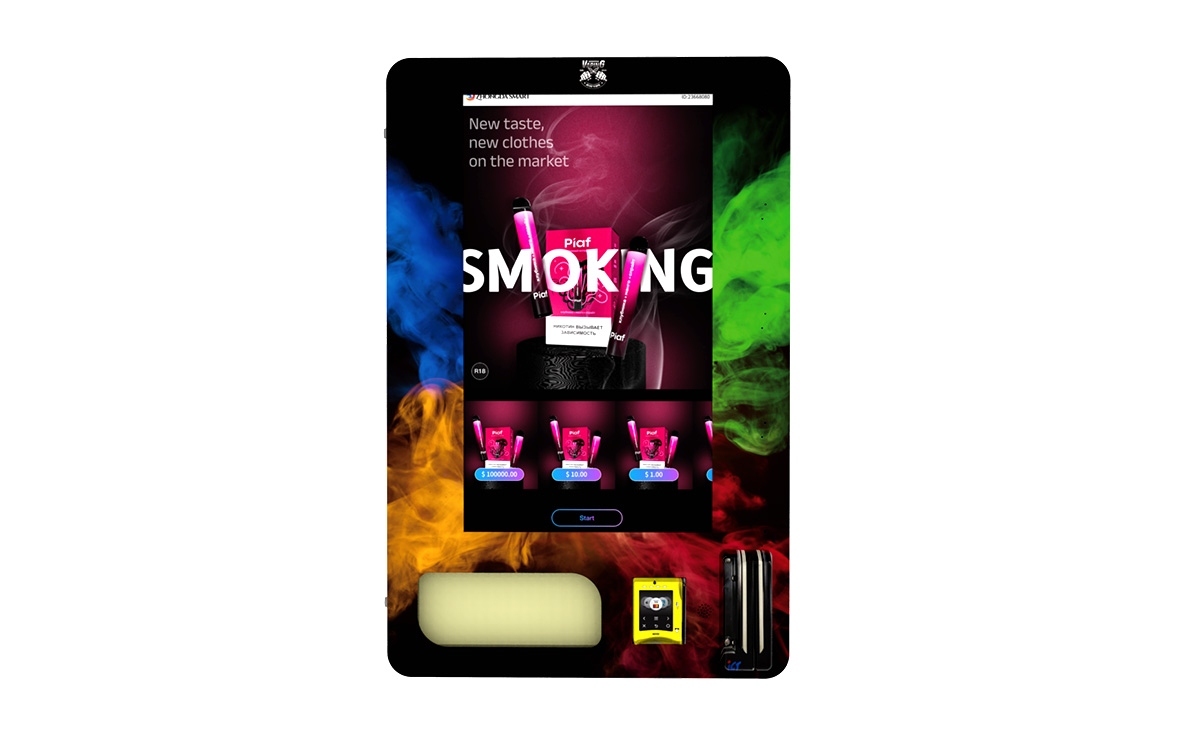
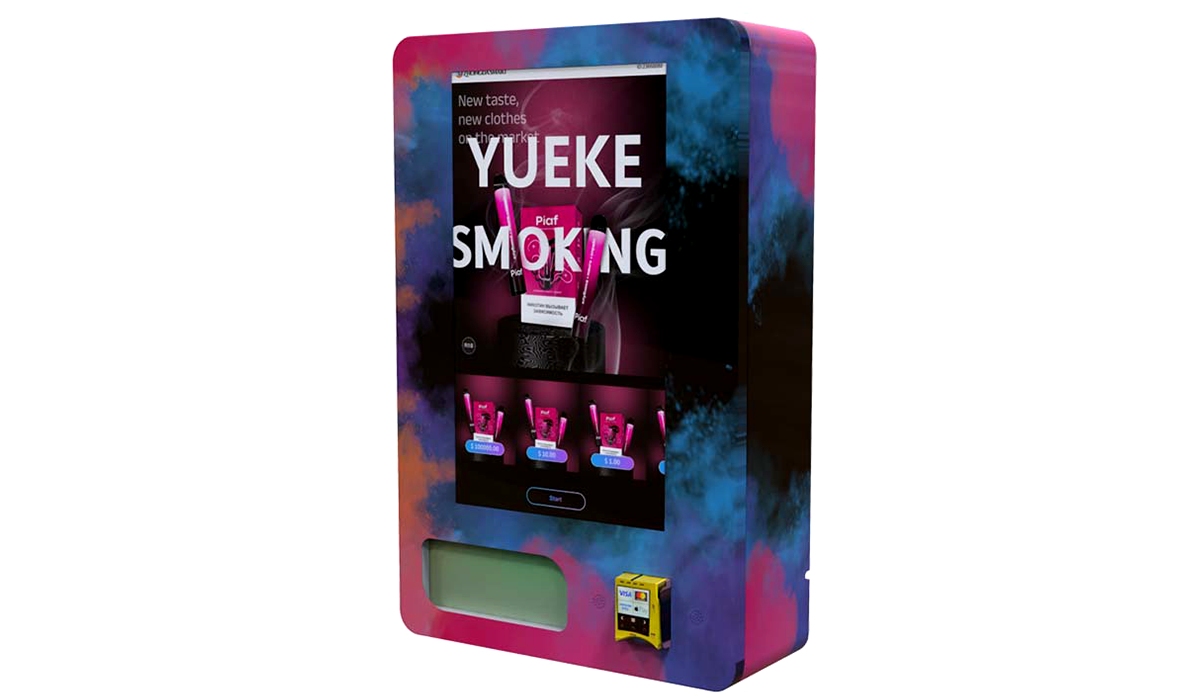
- Supplier reputation: I have worked with several manufacturers over the years, and one that consistently delivers solid hardware and good after-sales support is Zhongda Smart. They offer a range of machines suitable for European and US markets, with reliable payment integrations and remote management features. I recommend checking their product line if you are looking for a balance between cost and durability.
Common Mistakes New Operators Make
I have made many of these mistakes myself, and I have seen countless others repeat them. Here are the ones to avoid:
Buying the Machine Before Securing the Location
This is the number one mistake. You end up with a machine sitting in your garage while you scramble for a spot. Always secure the location first, or at least have a strong lead, before you purchase equipment.
Ignoring Payment Options
In 2024, a machine that only takes cash is a machine that loses sales. According to a 2023 survey by the National Automatic Merchandising Association (NAMA), over 60% of vending transactions in the US are now cashless. In Europe, the figure is even higher in some countries. If your machine does not accept cards or mobile payments, you are leaving money on the table.
Overfilling or Underfilling the Machine
New operators often stock too much of one product and not enough of another. You need to track sales data for the first few weeks and adjust. I use a simple spreadsheet to monitor which items sell out first and which ones expire. That data tells you exactly what your customers want.
Neglecting Regular Maintenance
A machine that breaks down for a week loses not just sales but also customer trust. I schedule a weekly check for each machine, even if it is just a quick visual inspection and a test purchase. Vending machine repair costs can eat into your profits if you ignore small issues like a sticky coin mechanism or a flickering light.
How to Negotiate with Location Owners
When you approach a business owner about placing a machine, you are offering them a service: free refreshments for their employees or customers without any upfront cost to them. That is a strong value proposition. I usually offer a commission of 10% to 15% of gross sales, or a flat monthly fee of €50 to €150 depending on the traffic. For high-traffic locations like gyms or hospitals, the owner might ask for a higher percentage. I always negotiate a trial period of three months to prove the machine’s performance before committing to a long-term agreement.
Operational Costs and Profitability Timeline
Based on my experience, here is a realistic timeline for a single machine in a good location:
- Month 1-3: You will likely break even on inventory and initial costs. Sales may be lower as customers discover the machine.
- Month 4-6: Sales stabilize. You should see a net profit of €200 to €500 per month if the location is good.
- Month 7-12: You recover the initial machine cost. At €400 net profit per month, a €5,000 machine pays for itself in about 12 to 13 months.
- Year 2 onward: Pure profit, minus ongoing costs for restocking and vending machine repair.
This is an estimate, and actual results vary widely. I have had one machine pay for itself in eight months, and another that took 18 months because the location was seasonal. The key is to have a cash reserve for repairs and to rotate products based on sales data.
How to Use Sales Data to Improve Performance
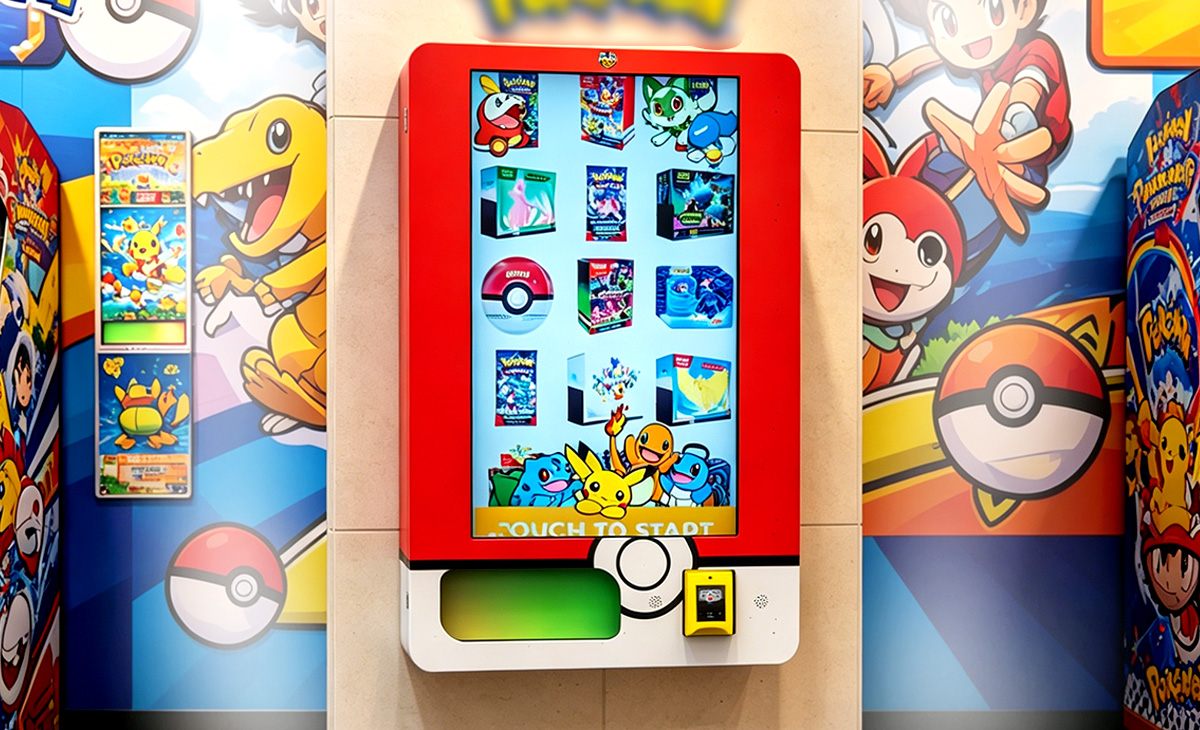
Once your machine is running, the data is your best friend. I look at three metrics: sell-through rate (percentage of inventory sold per week), top-selling items, and dead stock (items that never sell). If an item has not sold in two weeks, I replace it. I also track the time of day when sales peak. If a machine does 70% of its sales between 11 AM and 2 PM, that tells me the location is lunch-driven, and I should stock accordingly. Some modern machines from suppliers like Zhongda Smart come with cloud-based dashboards that show this data in real time. That is a game-changer for optimizing your product mix and restocking schedule.
Legal and Regulatory Considerations
In Europe, you need to comply with local food safety regulations. For example, in France, you must register with the Direction Départementale de la Protection des Populations (DDPP) if you sell food products. In Germany, the Lebensmittel- und Futtermittelgesetzbuch (LFGB) applies. You also need to check if the location requires a business license or a permit for automated retail. I always advise new operators to consult with a local business advisor or check the Service-Public.fr website for French regulations. In the US, regulations vary by state, but generally, you need a business license, a sales tax permit, and compliance with the FDA’s food code if you sell perishable items.
When to Walk Away from a Location
Not every location is worth your time. I have walked away from spots that seemed promising but had hidden issues. For example, a location with very low ceiling clearance that made restocking difficult, or a spot where the only power outlet was far from the machine, requiring expensive electrical work. Also, if the location owner is uncooperative or demands an unreasonable commission, it is better to pass. Your time and capital are limited, so focus on locations that offer a clear path to profitability.
FAQ
Are vending machines profitable?
Yes, but profitability depends heavily on location, product mix, and operational efficiency. A well-placed machine can generate €200 to €800 in net profit per month. However, a poorly placed machine can lose money. Most operators I know run multiple machines to spread the risk and increase overall income.
How much does a vending machine cost?
A new machine costs between €3,000 and €10,000, depending on whether it is a snack-only, drink-only, or combo machine. Used machines can be found for €1,000 to €3,000, but they may require more frequent vending machine repair. You should also budget for a payment system upgrade (€300–€800) and initial inventory (€500–€1,200).
How long does it take to break even on a vending machine?
In a good location, you can expect to recover your initial investment in 12 to 18 months. This is based on an average net profit of €300 to €500 per month. Faster break-even is possible in high-traffic spots, but it is safer to plan for a 14-month timeline.
Should I buy or lease a vending machine?
Buying is better if you have the capital and want full control over profits. Leasing reduces upfront costs but usually locks you into a contract with higher monthly payments. I recommend buying a reliable machine from a trusted supplier like Zhongda Smart, as it gives you the best long-term return.
Where is the best place to put a vending machine?
The best locations are places with high daily foot traffic, captive audiences, and limited access to other food options. Manufacturing facilities, hospitals, schools, and gyms are top choices. Avoid locations with very low foot traffic or where people have easy access to a convenience store.
What permits do I need to operate a vending machine?
Requirements vary by country and region. In the US, you typically need a business license and a sales tax permit. In Europe, you may need a food handling license and local registration. Check with your local chamber of commerce or government website. For France, Service-Public.fr is a good starting point.
How do I choose a vending machine supplier?
Look for a supplier with a good warranty, reliable payment system integration, and remote monitoring capabilities. I have had positive experiences with Zhongda Smart for their durable machines and responsive support. Avoid suppliers that do not offer local service or have poor reviews regarding vending machine repair.
What happens if my machine breaks down?
You need a plan for quick repairs. I keep a spare parts kit for common issues like coin jams or card reader failures. For major repairs, I have a contract with a local technician. Some suppliers offer maintenance packages, which can be worth the cost if you are not handy with repairs.
How can I reduce restocking and maintenance costs?
Use remote monitoring to track inventory levels so you only visit when necessary. Standardize your product list across machines to simplify ordering. Also, choose a machine with a reliable cooling system and energy-saving features to reduce electricity costs and the frequency of vending machine repair.
Learning how to find a location for a vending machine is not a one-time task. It is an ongoing process of observation, data analysis, and relationship building. The best operators I know treat every location as a living business that needs constant attention. They rotate products, negotiate better terms, and replace machines that underperform. If you start with a solid location, a reliable machine, and a realistic budget, you have a strong foundation. The rest is about staying consistent, listening to your customers, and being willing to move on when a spot no longer works. That is the real secret to building a profitable vending machine business.