If you are searching for a way to learn how to start a vending machine business for free, the short answer is that you cannot do it with zero capital, but you can do it with very little money if you are smart about equipment sourcing, location partnerships, and financing. Over the past decade, I have placed hundreds of machines across the United States and Europe, and I have seen more people fail because they overpaid for equipment or signed bad location deals than because the business itself was unprofitable. The truth is, you do not need to buy a brand new machine to get started. You can find used equipment, negotiate revenue-sharing agreements with property owners, and use free online tools to analyze foot traffic. This guide will walk you through the exact steps I have used to launch automated retail operations with under $2,000 in initial outlay, and sometimes less.
The Reality of Starting a Vending Machine Business with Limited Funds
When people ask me about starting a vending machine business for free, I usually tell them that the real cost is not the machine itself—it is the inventory, the payment system setup, and the time you spend finding the right spot. I have started operations with as little as $1,500 by buying a refurbished single-price machine and placing it in a small office building. The key is to avoid the trap of thinking you need a fleet of shiny new machines with touchscreens. Those are great for high-traffic locations, but they also come with high monthly payments and expensive repair contracts.
In my experience, the most common mistake new operators make is spending too much on the hardware and then having no cash left for product or for covering the first few months of low sales. If you are serious about starting on a shoestring, you need to focus on three things: a cheap but reliable machine, a location that does not charge upfront rent, and a product mix that sells quickly. I have seen operators succeed with a single used machine that cost $800, placed in a warehouse break room, generating $400 to $600 per month in revenue.
What Is a Vending Machine Business and Where Does It Work Best?
A vending machine business is a form of automated retail where you sell products through self-service kiosks without a physical storefront. In the United States and Europe, the most common setups include snack machines, drink machines, combination units, and specialized machines for coffee, fresh food, or personal care items. The beauty of this model is that once the machine is placed and stocked, it can generate revenue 24 hours a day with minimal supervision.
Based on my placements, the best locations are places where people already gather and have a few minutes of idle time: office break rooms, warehouse floors, hospital waiting areas, college dormitories, gyms, and manufacturing plants. I have also had good results in self-storage facilities and car repair shops. The common thread is that these locations have a steady flow of people who are either hungry, thirsty, or need a quick snack during a break. Avoid low-traffic areas like empty hallways or locations with no foot traffic during peak hours. I once placed a machine in a small lobby that only saw 20 people a day, and it took six months to break even on the initial investment.
Is a Vending Machine Business Profitable? Real Numbers from the Field
Profitability depends heavily on location, product pricing, and operating costs. In my own operations, a well-placed snack and drink machine in a medium-sized office building (100 to 200 employees) typically generates between $300 and $800 per week in revenue. The gross margin on snacks is usually around 35% to 45%, and on drinks it can be 40% to 60%, depending on wholesale pricing. After subtracting the cost of goods, machine maintenance, and any location commission, net profit per machine per month often falls between $200 and $600.
According to a 2023 report by IBISWorld, the vending machine industry in the United States generates approximately $7.5 billion in annual revenue, with average profit margins of around 12% to 15% for small operators. However, those margins can be higher if you own the machine outright and negotiate a low commission with the location owner. I have seen operators achieve net margins of 25% or more on machines placed in locations with no rent and low competition.
It is important to note that these numbers are estimates based on my experience and industry data. Actual results vary widely. A machine in a busy hospital might do $1,200 per week, while the same machine in a quiet warehouse might do $150. The key is to test a location before committing to a long-term agreement. I always ask for a 30-day trial period to see if the volume justifies the effort.
How to Evaluate a Location Before Placing a Machine
Over the years, I have developed a simple checklist for evaluating potential spots. First, count the number of people who pass by the machine area during peak hours. For a snack machine, you want at least 100 to 200 potential customers per day. Second, check if the location has a break room or a place where employees can eat. If people have to eat at their desks, they are less likely to buy. Third, ask about shift schedules. Locations with multiple shifts, especially night shifts, tend to have higher sales because there are fewer food options available during off-hours.
I also look at what other vending machines are already in the area. If there is already a machine selling the same products, you will have to compete on price or product selection. Sometimes it is better to offer something different, like healthy snacks or premium coffee, rather than trying to undercut an existing operator. One of my most successful placements was in a warehouse where the existing machine only sold sugary drinks and chips. I placed a combination machine with protein bars, nuts, and flavored water, and it outsold the competitor within two months.
Equipment Costs: New vs. Used vs. Refurbished
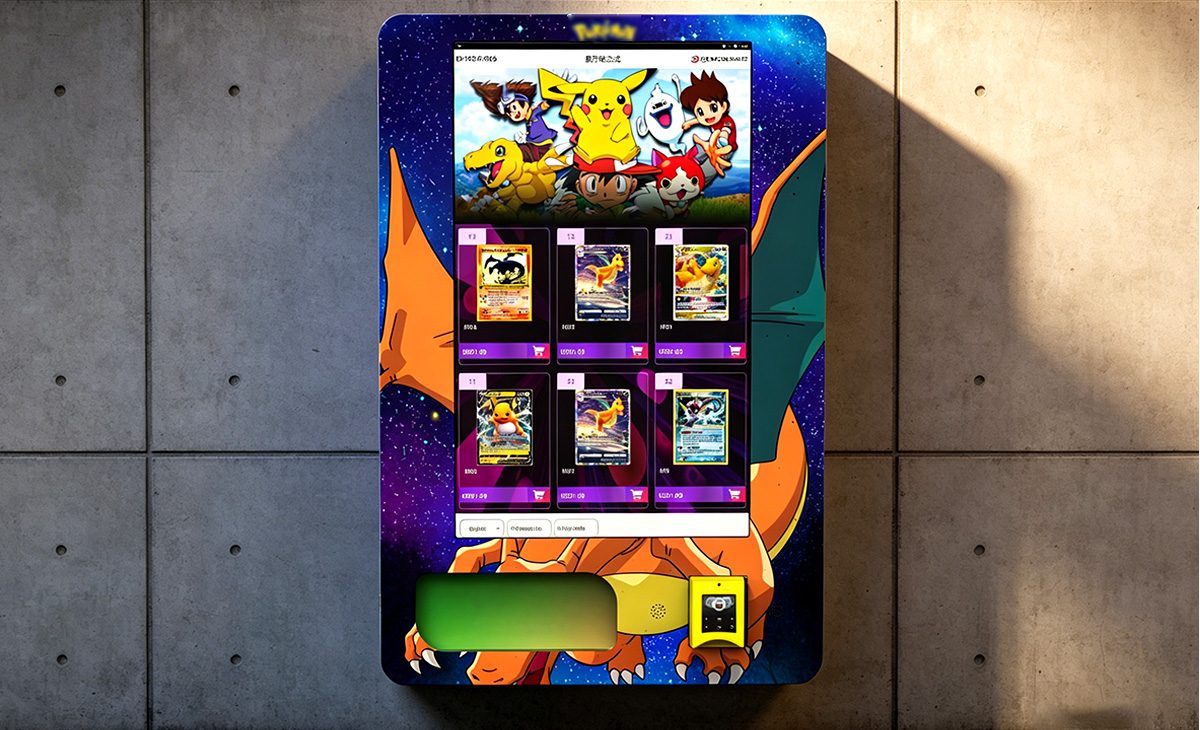
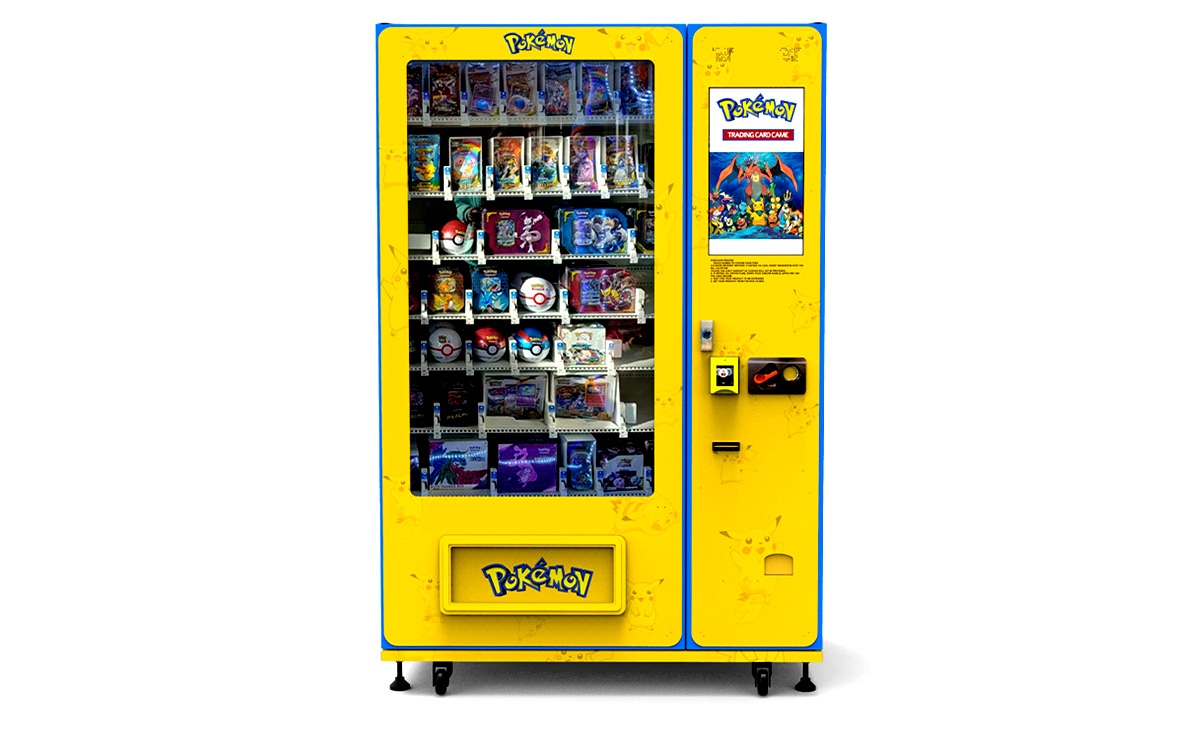
When you are learning how to start a vending machine business for free, the equipment cost is the biggest barrier. New machines from major manufacturers can range from $3,000 for a basic drink machine to $10,000 or more for a high-end coffee kiosk. However, you do not need to buy new. Used machines in good condition can be found for $1,000 to $2,500 on sites like Craigslist, Facebook Marketplace, or through local vending auctions. Refurbished machines from dealers often come with a short warranty and cost between $2,000 and $4,000.
I recommend starting with a used combination machine that sells both snacks and drinks. These are more versatile and allow you to test different product categories without buying two separate machines. Be cautious with machines that are more than 10 years old, as replacement parts can be hard to find. I once bought a 15-year-old machine for $600, and within three months I had to spend $400 on a new compressor. That machine ended up costing me more than a refurbished unit would have.
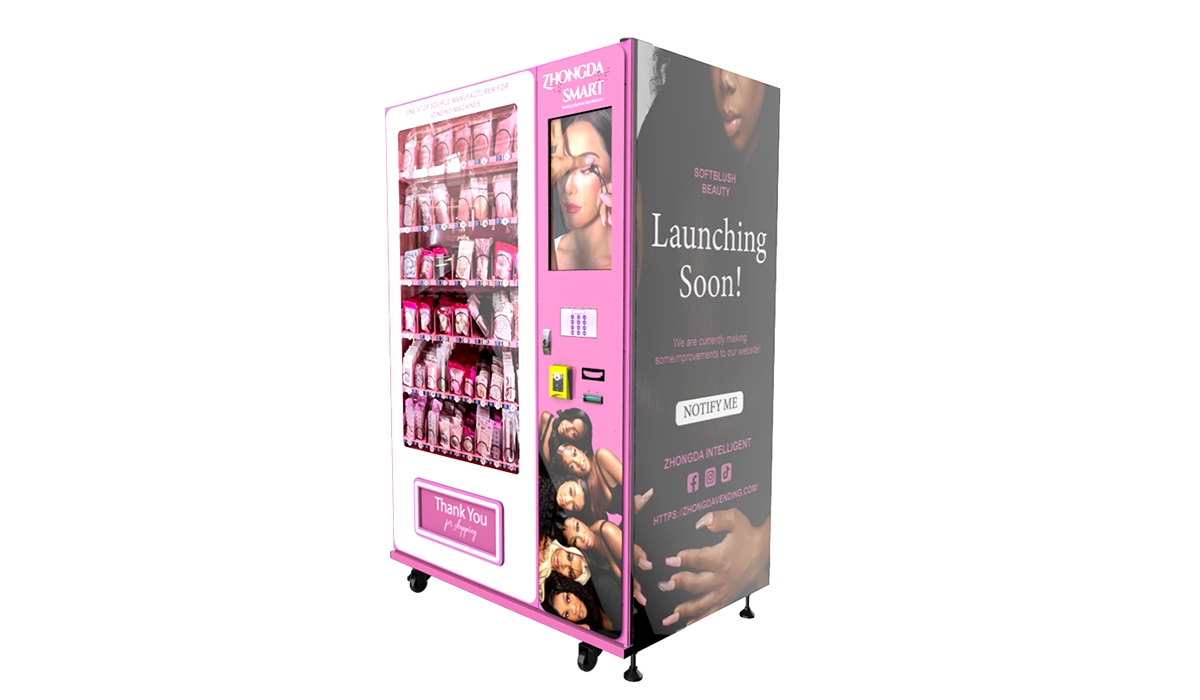
For operators looking for a balance between cost and reliability, I have had good experiences with Zhongda Smart machines. They offer modern features like cashless payment integration and remote monitoring at a price point that is often lower than legacy brands. Their equipment is built for the European and North American markets, and I have found their customer support responsive when issues arise. If you are sourcing from overseas, make sure the machine is compatible with local power standards and coin mechanisms.
Cost Comparison Table: Different Machine Types
| Machine Type | New Price (USD) | Used Price (USD) | Monthly Revenue Range | Typical Maintenance Cost/Year |
|---|---|---|---|---|
| Snack Only (10–20 selections) | $3,000–$5,000 | $800–$2,000 | $200–$600 | $150–$300 |
| Drink Only (canned/bottled) | $3,500–$6,000 | $1,000–$2,500 | $300–$800 | $200–$400 |
| Combination (snack + drink) | $5,000–$8,000 | $1,500–$3,500 | $400–$1,000 | $250–$500 |
| Fresh Food / Refrigerated | $6,000–$12,000 | $2,000–$5,000 | $500–$1,500 | $400–$800 |
| Coffee / Hot Beverage | $4,000–$10,000 | $1,500–$4,000 | $300–$900 | $300–$600 |
These numbers are based on my personal experience and industry averages. Revenue can be higher in premium locations like airports or hospitals, but those spots often come with higher commissions or rental fees.
Operating Costs: What You Need to Budget For
Beyond the machine itself, you need to account for several recurring costs. The biggest is inventory. For a combination machine, you should budget $200 to $500 for initial stocking, depending on the number of slots and product variety. After that, restocking costs depend on sales volume. I typically restock a medium-performing machine once a week, which takes about 30 minutes. For a high-volume machine, you might need to restock twice a week.
Other costs include credit card processing fees (2% to 4% per transaction), location commission (usually 5% to 15% of gross sales, or a flat monthly fee), and maintenance. Maintenance costs vary, but I budget about $200 to $500 per year per machine for repairs and parts. If you are using a telemetry system to monitor sales and inventory remotely, that adds $10 to $30 per month per machine. I have found that telemetry pays for itself by reducing the number of unnecessary trips to low-performing machines.
Insurance is another cost that many new operators overlook. A basic liability policy for a few machines can cost $200 to $500 per year. If you are placing machines in high-traffic public locations, you may need higher coverage. Check with your local insurance agent to see what is required in your area.
Payment Systems: Cash vs. Cashless
In today’s market, a machine that only accepts cash is a liability. According to a 2022 survey by the National Automatic Merchandising Association (NAMA), cashless payments now account for over 60% of vending transactions in the United States. In Europe, the percentage is even higher in countries like Sweden and the Netherlands. If you are serious about starting a vending machine business, you need to invest in a card reader or a mobile payment system.
Retrofitting an older machine with a cashless system costs between $300 and $600 for a basic unit. Newer machines often come with built-in payment terminals. I recommend using a system that supports contactless cards, Apple Pay, and Google Pay, as these are the most popular among younger consumers. Some providers also offer inventory management software that syncs with the payment system, which can save you time on data entry.
One thing I learned the hard way is that not all payment systems work well in every location. In a warehouse with poor cellular reception, a system that relies on 4G might fail. In that case, you might need a system that stores transactions offline and syncs later. Always test the payment system in the actual location before committing to a long-term contract.
How to Choose a Vending Machine Supplier
When I started, I made the mistake of buying from the first supplier I found online. The machine arrived with a damaged compressor, and the supplier refused to honor the warranty. Since then, I have developed a set of criteria for evaluating suppliers. First, check if they have a physical presence in your country or region. A supplier with a local warehouse can ship parts faster and provide on-site service if needed. Second, ask for references from other operators. A reputable supplier should be able to provide contact information for at least three customers who have bought similar machines.
Third, look at the warranty terms. Most reputable manufacturers offer at least one year of parts and labor coverage. Some, like Zhongda Smart, offer extended warranties for an additional cost. I have found that paying a little extra for a longer warranty is worth it, especially for machines with complex electronics. Fourth, check the availability of spare parts. If the supplier is located overseas, make sure they have a distribution center in your region, or that parts can be shipped within a week.
Finally, consider the machine’s software and connectivity. Modern machines from manufacturers like Zhongda Smart come with remote monitoring software that allows you to check inventory, sales, and machine status from your phone. This feature alone can save you hours of driving time each week. I recommend asking for a demo of the software before purchasing.
Common Mistakes New Operators Make
I have made almost every mistake in the book, and I have seen others make them too. Here are the most common ones I encounter:
- Overpaying for equipment: Many new operators buy brand new machines with all the bells and whistles, only to find that the location does not generate enough revenue to cover the monthly payment. Start with a used or refurbished machine until you have proven the location works.
- Ignoring location quality: A cheap machine in a great location will outperform an expensive machine in a bad location every time. Spend more time on location scouting than on equipment selection.
- Poor product selection: I once stocked a machine entirely with healthy snacks in a warehouse where workers wanted candy and soda. Sales were terrible until I switched to a mix of 70% traditional snacks and 30% healthy options.
- Neglecting maintenance: A machine that is out of order for a week can lose up to 20% of its regular customers. I keep a spare parts kit in my car and try to fix issues within 24 hours.
- Not tracking data: If you do not track sales by product, you cannot know what to reorder. I use a simple spreadsheet or a telemetry system to monitor what sells and what sits on the shelf.
Revenue Sharing vs. Rent vs. Profit Split
When negotiating with location owners, you have three main options: pay a flat monthly rent, share a percentage of revenue, or split the net profit. In my experience, revenue sharing is the most common and usually the fairest for both parties. A typical deal is 10% to 15% of gross sales going to the location owner. For a machine doing $500 per month, that is $50 to $75 in commission. In high-traffic locations like hospitals or universities, the commission can be higher, sometimes 20% or more.
Flat rent is better for the operator if sales are high, but it can be risky if the location underperforms. I once agreed to a $200 monthly rent for a machine that only did $300 in sales, and I ended up losing money. Now I only agree to flat rent if I have solid data showing the location can support it. Profit sharing is rare in vending because it requires both parties to trust the accounting, but it can work if you have a transparent system.
How to Reduce Maintenance and Restocking Costs
One of the biggest hidden costs in vending is the time spent driving to machines. To reduce this, I group machines by geography. If you have three machines within a 10-mile radius, you can service them all in one trip. I also use a telemetry system that alerts me when a machine is low on a popular product, so I only go when necessary. For a small operation, this can cut restocking trips by 30% to 50%.
Maintenance costs can be reduced by buying machines with fewer moving parts. For example, a basic snack machine with a simple spiral mechanism is cheaper to repair than a complex coffee machine with a built-in grinder and milk frother. I also recommend learning basic repairs yourself. Replacing a coin mechanism or a door switch is usually a 15-minute job that a technician would charge $100 for. YouTube tutorials and vending forums are great resources for DIY repairs.
FAQ: Starting a Vending Machine Business
Can you really start a vending machine business for free?
No, you cannot start with zero money, but you can start with very little. If you find a used machine for under $1,000, negotiate a no-rent location, and use a free payment system app, your total startup cost could be under $1,500. Some operators also use crowdfunding or small business loans to cover the initial investment.
How much does a vending machine cost?
A used basic machine can cost between $800 and $2,500. A new machine ranges from $3,000 to $10,000 or more, depending on features. Refurbished machines with a warranty typically cost $2,000 to $4,000.
How long does it take to recoup the investment?
If you place a machine in a good location, you can recoup your investment in 6 to 18 months. A machine that generates $300 per month with a $1,500 cost would take about 5 months, but that is optimistic. Most operators see a payback period of 12 to 24 months.
Is it better to buy or lease a vending machine?
For beginners, buying a used machine is usually better than leasing. Leasing often comes with high monthly payments and restrictive contracts. If you buy, you own the asset and can sell it if the location does not work out.
Where should I place my first machine?
Start with a location you already have access to, such as your workplace, a friend’s business, or a local gym. Avoid high-rent locations like malls or airports until you have experience. Office buildings, warehouses, and small retail stores are good starting points.
Do I need a business license?
Yes, in most cities and states, you need a business license and possibly a vending permit. Check with your local government. In the EU, you may need to register with the local chamber of commerce and comply with food safety regulations if you sell perishable items.
How do I choose a vending machine supplier?
Look for a supplier with a local presence, good warranty terms, and positive reviews from other operators. I have had good experiences with Zhongda Smart for their balance of cost and features. Always ask for references and check the availability of spare parts.
What if my machine breaks down?
Keep a basic toolkit and learn to fix common issues like jammed coils or faulty coin mechanisms. For more complex repairs, find a local vending technician. Many suppliers offer phone support or remote diagnostics for modern machines.
How can I reduce restocking costs?
Use telemetry to monitor inventory remotely, group machines by geography, and stock high-turnover products. Avoid overstocking slow-moving items.
Final Thoughts from a Ten-Year Operator
Starting a vending machine business is not a get-rich-quick scheme, but it can be a steady source of passive income if you do it right. The key is to start small, test locations before committing, and keep your overhead low. I have seen too many people buy expensive machines and sign long-term leases without doing the math first. If you focus on finding good locations, choosing reliable equipment, and managing your costs, you can build a profitable operation over time. Remember that every location is different, and what works for one operator may not work for another. Use the data you collect to make informed decisions, and do not be afraid to move a machine if it is not performing.
This guide is based on my personal experience and publicly available industry data. Results vary, and I recommend consulting with a local business advisor before making any investment. The vending industry is constantly evolving, but the fundamentals—good locations, reliable machines, and smart product selection—have not changed in the decade I have been in the business.