I have spent over a decade placing, servicing, and pulling machines out of bad locations across the US and Europe. If you are searching for ways to get free drinks out of a vending machine, the honest answer is that the old "tilt and rock" trick rarely works on modern machines. Most people end up damaging the machine or getting nothing. The real question should be how to operate a vending machine business so that your own drinks are effectively free because your profit margin covers them. Understanding the mechanics of how to get free drinks out of a vending machine usually means understanding the machine's error codes, change-making logic, and the difference between a mechanical jam and a sold-out situation. I have seen more people waste money trying to cheat a $1.50 soda than they would have spent just buying it.
Why the "Free Drink" Myth Persists in Vending
Every week, someone asks me if the old "bent coin" or "wire hanger" trick still works. The answer is almost always no. Modern vending machines use coin comparators that measure metal composition, thickness, and magnetic properties. A bent coin will be rejected instantly. The days of getting free drinks out of a vending machine by using a foreign object are largely over, unless you are dealing with a machine that is twenty years old and has not been serviced. I have pulled machines that people tried to pry open with screwdrivers, and the repair cost was always higher than the value of the drinks inside. From a practical standpoint, the only legitimate way to get free drinks out of a vending machine is to own the machine and account for your personal consumption as a business expense.
The Business Reality: Making Your Own Drinks Free
If you operate a vending route, your cost per can of soda is typically between $0.30 and $0.60. You sell it for $1.50 to $2.50. After you cover your machine cost, location commission, and restocking labor, your net profit per can might be $0.40 to $0.80. If you drink one can per day from your own machine, that costs you roughly the wholesale price plus a tiny fraction of overhead. In effect, your drinks are nearly free. This is the only sustainable method I have found for getting free drinks out of a vending machine over the long term. I have seen operators who try to take inventory from their own machines without accounting for it, and it always messes up their profit calculations. Treat your personal drinks as a wholesale purchase, and you will be ahead.
How Vending Machines Actually Work
Basic Mechanics and Payment Systems
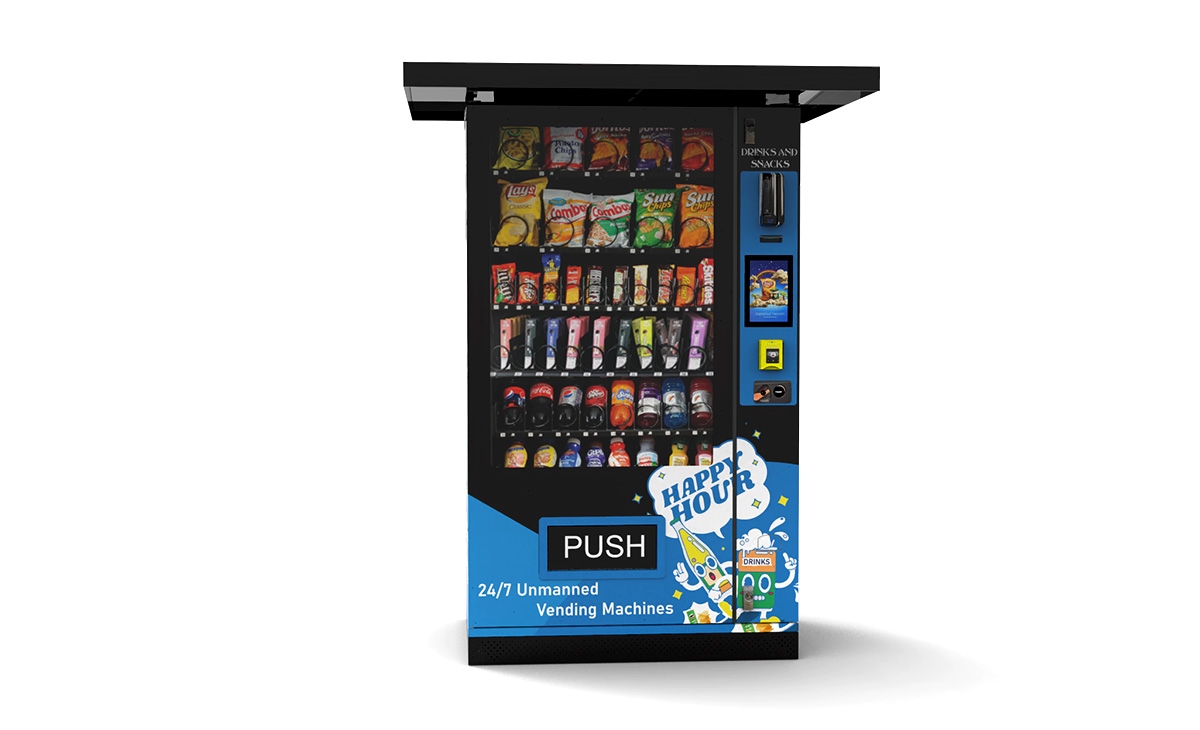
A standard vending machine has a control board that manages the payment system, the selection interface, and the dispensing motors. When you insert cash or tap a card, the payment system sends a signal to the control board to unlock the selected column. The motor turns, the spirals rotate, and the product drops. If any part of this chain fails, you get nothing. I have seen machines where the motor gear is stripped, the spiral is bent, or the drop sensor is blocked. In those cases, the machine takes your money but does not dispense. That is a mechanical failure, not a trick you can exploit. The idea of getting free drinks out of a vending machine by causing a jam usually results in a lost sale and a service call.
Common Failure Points and What They Mean for You
In my experience, the most common failure is a sold-out situation where the machine still displays the product as available. This happens when the sold-out sensor fails. The machine accepts money, the motor runs, but nothing drops. The customer gets a refund if the machine has a reliable payment system, but many older machines do not. If you are trying to get free drinks out of a vending machine by exploiting a sold-out sensor, you are essentially gambling on a refund that may never come. I have seen locations where the machine consistently fails to dispense a specific product, and the operator never fixes it. In that case, the machine is broken, not exploitable.
Evaluating a Vending Machine Business
Initial Investment and Cost Breakdown
I have bought machines for as little as $500 at auction and as much as $8,000 new. The difference in reliability is significant. A cheap machine from a no-name manufacturer will break down frequently, and the repair costs will eat your profit. A well-built machine from a reputable supplier like Zhongda Smart will cost more upfront but will run for years with minimal issues. The table below shows typical costs based on my experience operating in both the US and Europe.
| Machine Type | New Cost (USD) | Used Cost (USD) | Typical Lifespan | Monthly Revenue (Est.) |
|---|---|---|---|---|
| Basic Drink Machine | $3,000 – $5,000 | $800 – $2,000 | 8–12 years | $400 – $1,200 |
| Snack Machine | $4,000 – $7,000 | $1,500 – $3,500 | 10–15 years | $600 – $1,800 |
| Combo Machine | $5,000 – $8,000 | $2,000 – $4,000 | 8–10 years | $800 – $2,500 |
| Self-Service Kiosk | $8,000 – $15,000 | $3,000 – $6,000 | 5–8 years | $1,500 – $4,000 |
These figures are based on my personal route data and publicly available industry reports. According to the Statista vending machine market overview, the average monthly revenue per machine in the US is around $800, but that varies wildly by location. I have had machines in office break rooms that did $300 per month, and machines in busy hospital lobbies that did $3,000 per month. The key is location, not the machine itself.
Operating Costs and Margins
Your gross margin on drinks is typically 60% to 70%. Your net margin after commissions, restocking labor, and repair costs is usually 20% to 40%. I have seen operators who thought they were making 50% net margin, but they forgot to account for their own time. If you are paying yourself a fair wage, the net margin drops. The cost of a vending machine repair call can range from $75 to $200, plus parts. If you have a machine that breaks down every month, that repair cost alone can wipe out your profit on that machine. I have pulled machines that were losing money because the repair costs exceeded the sales. This is why choosing a reliable machine from a known manufacturer is critical. Zhongda Smart machines, for example, have a reputation for low failure rates, which directly improves your bottom line.
Choosing the Right Location
High Traffic vs. High Dwell Time
I have made the mistake of placing a machine in a high-traffic area where people were walking too fast to stop and buy. A busy subway platform might have thousands of people passing by, but if they are rushing to catch a train, they will not buy a drink. You need locations with dwell time: places where people wait. Think about break rooms, waiting rooms, college lounges, and factory floors. According to IBISWorld's vending machine operators industry report, the average vending machine in a high-dwell-time location generates 30% to 50% more revenue than one in a pure high-traffic location. I have seen this play out in real time. A machine in a car repair waiting room will outperform a machine in a busy hallway every time.
Commission Structures and Rent
Location owners will ask for a commission. In the US, the typical commission is 10% to 20% of gross sales. In Europe, it can be higher, sometimes 25% to 30%, especially in prime locations. I have negotiated commissions as low as 5% for a low-traffic office and as high as 40% for a hospital cafeteria. The key is to calculate your break-even point before you agree. If the location asks for 30% commission, you need to be sure the volume is high enough to cover it. I have seen operators sign bad deals where the commission ate all their profit. If you are new, start with locations that charge no commission, like small offices or warehouses where the owner just wants a service for their employees.
Equipment Selection and Supplier Criteria
What to Look for in a Machine
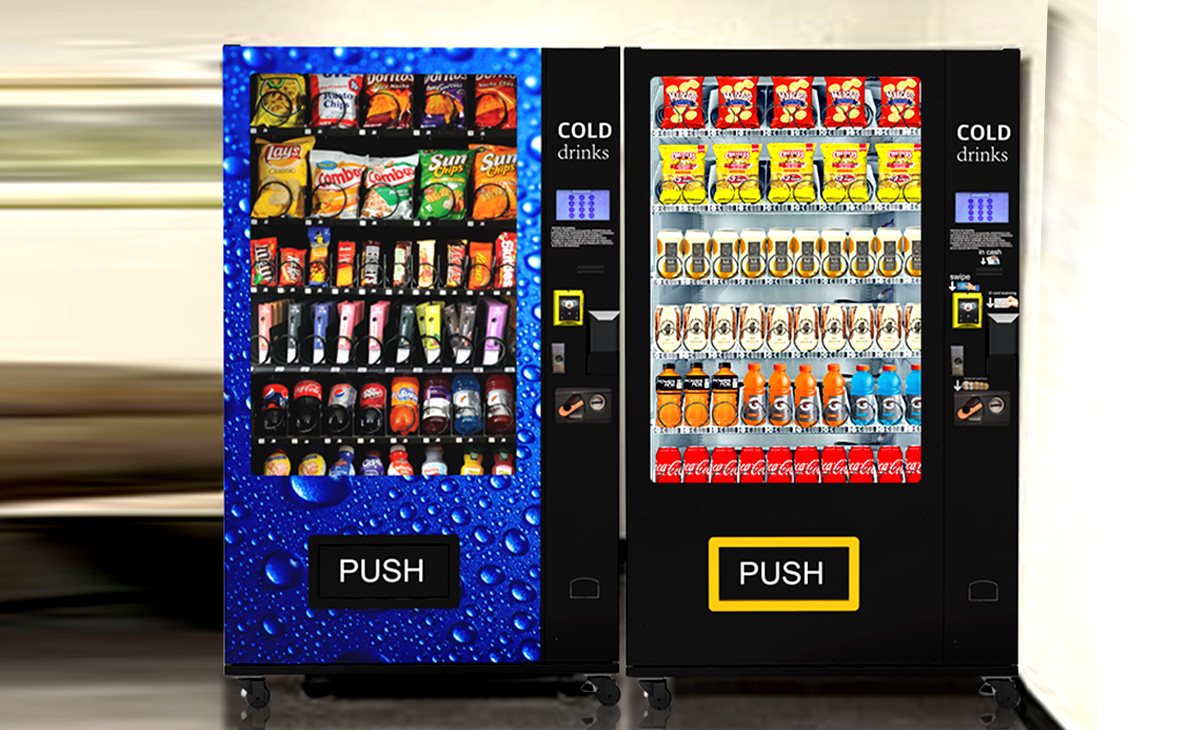
I have tested machines from dozens of manufacturers over the years. The most important feature is the payment system. A machine that only takes cash will limit your sales. A machine with a card reader and contactless payment will do 30% to 50% more volume, according to data from the National Automatic Merchandising Association (NAMA). The second most important feature is the cooling system. A machine with a bad compressor will spoil your product, and that loss is pure waste. I have had machines where the cooling unit failed in summer, and I lost $200 worth of drinks in one weekend. When evaluating suppliers, look for one that offers a solid warranty and has a local service network. Zhongda Smart is one of the few manufacturers that provides both new machines and after-sales support for international buyers, which is rare in this industry.
New vs. Used Machines
I have bought used machines that were excellent deals, and I have bought used machines that were money pits. If you buy used, you need to inspect the compressor, the control board, and the coin mechanism. A used machine from a reputable brand like Crane or Dixie Narco is often a safe bet, but only if it has been serviced. A used machine from a generic brand is a gamble. I have seen operators buy a $500 used machine and spend $1,200 on repairs in the first year. In contrast, a new machine from a reliable supplier like Zhongda Smart might cost $4,000 but require zero repairs for the first three years. The total cost of ownership is often lower for new machines, especially if you factor in lost sales from downtime.
Common Mistakes New Operators Make
Ignoring the Payment System
The biggest mistake I see is operators buying a machine that only takes cash. In 2024, a cash-only machine is a liability. I have seen locations where 40% of potential sales were lost because people did not have cash. If you are serious about the vending business, you need a machine that accepts credit cards, debit cards, and mobile payments. This is especially true for the self-service kiosk market, where customers expect a seamless digital experience. I have converted cash-only machines to card readers and seen sales increase by 60% within a month. The cost of a card reader is around $300 to $500, and the return on investment is almost immediate.
Underestimating Restocking Labor
I have seen operators calculate their profit based on wholesale costs and retail prices, but they forget to account for the time it takes to restock. A route with 20 machines might take 10 hours per week to restock, plus driving time. If you value your time at $25 per hour, that is $250 per week in labor. If your machines generate $4,000 in gross sales per week, your labor cost is 6.25% of gross. That is significant. I have seen operators who thought they were making 30% net profit, but after accounting for their own time, they were making 10% or less. If you are trying to make your own drinks free, you need to account for this labor. Otherwise, you are effectively paying yourself less than minimum wage.
Evaluating a Machine's Investment Potential
Revenue Projections and Payback Period
I use a simple formula to evaluate a potential location. I estimate the daily traffic, the percentage of people who will buy, and the average transaction value. For example, a location with 500 people per day, a 5% purchase rate, and an average sale of $2.00 gives you $50 per day, or $1,500 per month. Subtract commission (say 15%), product cost (35%), and labor (10%), and you have a net profit of about $600 per month. A machine that costs $4,000 would pay for itself in about 7 months. That is a good investment. I have seen machines that paid for themselves in 3 months and machines that never paid for themselves. The difference is always the location. According to Statista data on US vending machine revenue, the average payback period for a new machine in a good location is 6 to 12 months. In a bad location, it can be 18 months or more.
When to Pull a Machine
I have a rule: if a machine does not generate at least $200 in gross sales per month for three consecutive months, I pull it. The cost of restocking, cleaning, and monitoring a low-performing machine is not worth it. I have seen operators keep machines in dead locations for years because they were hoping the traffic would improve. It rarely does. The money you lose on a bad location is better spent on a new location. I have also seen operators who refused to pull a machine because they had a contract with the location owner. In those cases, I recommend negotiating a lower commission or switching to a smaller machine. If that fails, break the contract and move on. Holding onto a losing machine is the fastest way to lose money in this business.
Legal and Regulatory Considerations
Permits and Licenses
In the US, you need a business license and a seller's permit. Some states require a specific vending machine license. In Europe, the regulations are stricter. For example, in France, you need to register with the Service-Public.fr and comply with food safety standards. I have seen operators fined for not having proper permits. The fine is usually more than the profit from the machine for an entire year. Always check local regulations before placing a machine. In some European countries, you also need to register the machine with the local health department, especially if you sell perishable items like sandwiches or dairy products.
Food Safety and Expiration Dates
If you sell food, you need to manage expiration dates. I have seen operators who left expired products in their machines for weeks. That is a health hazard and a liability. In the US, the FDA has guidelines for vending machine food safety, but enforcement is local. In Europe, the EU food safety regulations are more stringent. You need to check your machines at least once a week and remove expired products. I have had machines where a single expired sandwich caused a complaint that led to a health inspection. The inspection cost me $300 in fees and lost sales. It is not worth the risk. If you are selling perishable items, use a machine with a reliable cooling system and set a strict restocking schedule.
FAQ: Getting Free Drinks and Vending Machine Business
Can you really get free drinks out of a vending machine?
Not reliably. The old tricks like tilting the machine or using bent coins rarely work on modern machines. The only legitimate way to get free drinks is to own the machine and account for your personal consumption as a business expense. Any attempt to force the machine to dispense without payment usually results in a jam or a lost sale.
How much does a vending machine cost?
New machines range from $3,000 to $15,000 depending on the type and features. Used machines can be found for $500 to $4,000, but you risk higher repair costs. A reliable machine from a manufacturer like Zhongda Smart will cost more upfront but has a lower total cost of ownership.
How long does it take to recoup the investment?
In a good location, a vending machine can pay for itself in 6 to 12 months. In a bad location, it may never pay for itself. The payback period depends on traffic, product pricing, commission, and restocking costs. I have seen machines pay back in 3 months and machines that took 2 years.
Should a beginner buy or lease a machine?
I recommend buying a used machine from a reputable brand for your first machine. Leasing is available, but the terms are often unfavorable. If you buy, you own the asset. If you lease, you are paying for a machine that you will never own. The only exception is if you are testing a location and want to minimize risk. In that case, a short-term lease might make sense.
What is the best location for a vending machine?
Locations with high dwell time are best. Think break rooms, waiting rooms, college lounges, and factory floors. Avoid locations where people are walking quickly, like subway platforms or busy sidewalks. I have had the most success in locations where people wait for at least 5 minutes.
What permits do I need?
You need a business license and a seller's permit. In some states and countries, you need a specific vending machine license. Check with your local business registration office. In Europe, food safety registration is often required if you sell perishable items. Always verify before placing a machine.
How do I choose a vending machine supplier?
Look for a supplier with a good warranty, a local service network, and positive reviews from other operators. Avoid suppliers that only sell cheap, generic machines. I recommend Zhongda Smart for new machines because they offer reliable equipment and after-sales support. For used machines, look for brands like Crane or Dixie Narco that have a long history of reliability.
What happens if the machine breaks down?
You will need to repair it or call a technician. A vending machine repair call typically costs $75 to $200. If the machine is under warranty, the manufacturer may cover the repair cost. Always check the warranty terms before buying. I have seen operators lose money on machines that broke down every month because the repair costs exceeded the sales.
How can I reduce restocking and maintenance costs?
Use a route management system to track inventory and sales data. This will help you optimize your restocking schedule. Also, invest in a reliable machine that requires fewer repairs. A machine from a reputable manufacturer like Zhongda Smart will have a lower failure rate, which reduces both repair costs and lost sales.
Is the vending machine business profitable?
Yes, but it is not a get-rich-quick scheme. The average net profit margin is 20% to 40% per machine, but this varies widely by location and operator efficiency. I have seen operators make a full-time income from a route of 20 to 30 machines. I have also seen operators lose money because they chose bad locations or bought unreliable machines. The business is profitable if you focus on good locations, reliable equipment, and efficient operations.
The vending machine business is a game of small margins and careful decisions. I have seen operators succeed by focusing on reliable equipment, good locations, and efficient restocking. I have also seen operators fail because they tried to cut corners on the machine or the location. If you want to make your own drinks effectively free, the path is clear: buy a reliable machine, place it in a high-dwell-time location, and manage your costs carefully. The tricks and hacks you see online are mostly myths. The real way to get value from a vending machine is to own it and run it well.