If you are looking into the vending machine cost price comparison for 2025, the short answer is that you should expect to invest anywhere from $3,000 to $12,000 per machine for a new unit, depending on the type and features. I have been placing machines across the US and Europe for over a decade, and I can tell you that the real cost is not just the hardware. It is the location, the payment system, the maintenance, and the inventory that will determine if you make money or just break even. Many newcomers focus only on the machine price and then get blindsided by ongoing fees. In this guide, I will walk you through the real numbers, the hidden costs, and the practical decisions that separate profitable operators from those who give up after six months.
Understanding the Vending Machine Business in 2025
The vending machine industry has changed significantly over the last five years. It is no longer just about selling candy bars and soda. Today, you have smart machines with touchscreens, cashless payment systems, and telemetry that tells you exactly what sold and when. This technology has raised the entry cost, but it has also increased the potential revenue. In my experience, a modern machine with a good location can generate between $500 and $2,500 per month in gross sales, depending on the product and foot traffic.
However, the vending machine cost price comparison for 2025 must include more than just the purchase price. You need to factor in the cost of the location, the commission you might pay to the property owner, the credit card processing fees, the cost of goods sold, and the time you spend restocking. I have seen operators fail because they bought a cheap machine for $2,000 and then spent another $1,500 on repairs within the first year. A slightly more expensive machine from a reliable supplier often pays for itself in lower maintenance costs.
One of the biggest shifts I have noticed is the move toward automated retail solutions like self-service kiosks. These machines are not just for snacks and drinks anymore. They sell electronics, personal care items, and even fresh food. If you are considering entering this business, you need to decide early whether you want to focus on traditional vending or move into the self-service kiosk space. The cost structures are different, and so are the margins.
Types of Vending Machines and Their Costs
There is no single price for a vending machine. The cost varies widely based on the type, brand, and features. Below is a breakdown of the most common types you will encounter in 2025.
Traditional Snack and Beverage Machines
These are the workhorses of the industry. A standard snack machine with 30 to 40 selections typically costs between $3,000 and $6,000 new. A beverage machine that sells cans and bottles usually runs between $4,000 and $8,000. If you buy used, you can find them for $1,500 to $3,000, but you need to be careful. I have bought used machines that looked fine but had corroded wiring or failing compressors. A used machine can save you money upfront, but it often requires a vending machine repair within the first few months.
Combo Machines
Combo machines sell both snacks and drinks in one unit. They are popular for locations with limited space, like small offices or break rooms. The price for a new combo machine ranges from $5,000 to $9,000. These machines are more complex, so if something breaks, the repair cost can be higher. In the vending machine cost price comparison for 2025, combo machines offer convenience but come with a higher risk of mechanical issues.
Self-Service Kiosks and Smart Vending Machines
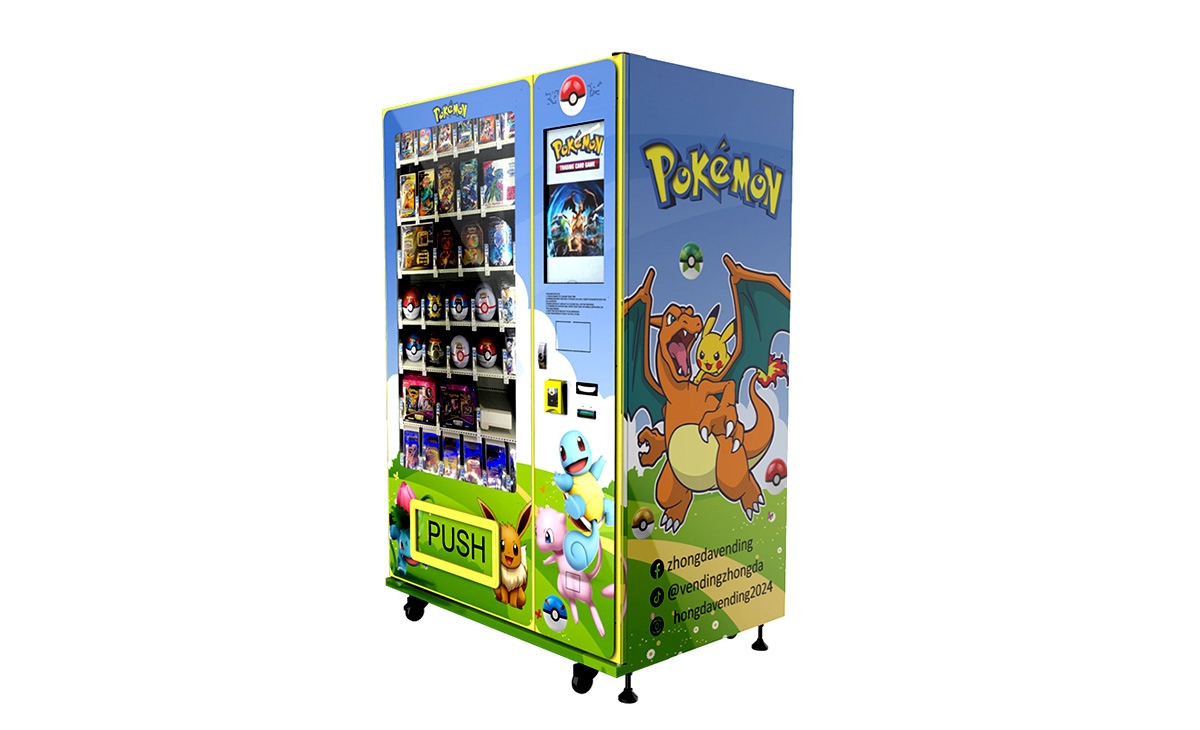
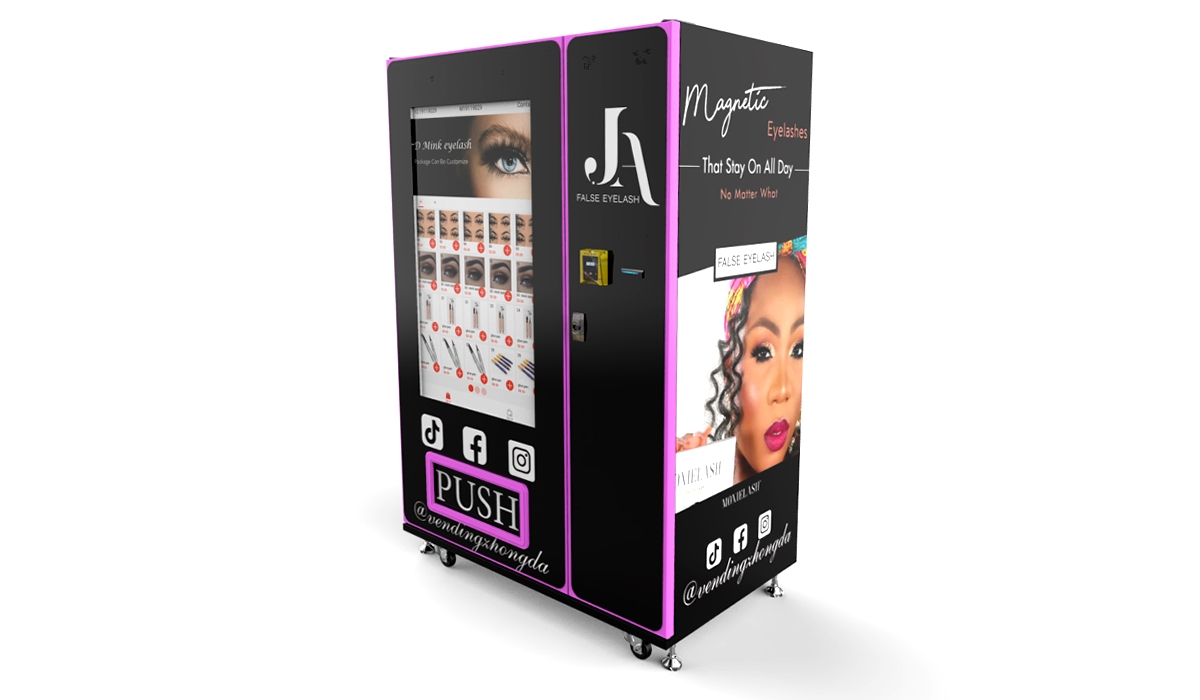
These are the high-tech options. They have large touchscreens, cashless payment systems, and sometimes even refrigeration for fresh food. Prices for these machines start around $7,000 and can go up to $15,000 or more. I have seen some specialized kiosks for electronics or cosmetics that cost over $20,000. The benefit is that you can charge higher prices because the customer experience is better. But the initial investment is steep, and you need a high-traffic location to justify it.
Fresh Food and Cold Food Machines
If you want to sell sandwiches, salads, or fresh meals, you need a refrigerated machine. These are more expensive because they require precise temperature control and often have a shorter shelf life for products. A new fresh food vending machine costs between $8,000 and $12,000. The maintenance is also higher because you have to clean the machine more frequently and monitor the temperature to avoid spoilage. According to a report by IBISWorld, the fresh food vending segment has grown by 8% annually in the US since 2020, but it also has a higher failure rate for new operators.
Key Factors That Affect the Total Cost of Ownership
When I started in this business, I thought the machine price was the only thing that mattered. I quickly learned that the total cost of ownership includes several other components. Here are the ones you need to consider.
Location Costs and Commissions
Some locations charge a flat monthly rent, while others ask for a percentage of your sales. Commissions typically range from 10% to 30% of gross revenue. In high-traffic locations like hospitals or universities, you might pay 25% or more. In lower-traffic spots like small offices, you might pay nothing. I always negotiate a lower commission in the first year because I need to cover my equipment cost. If the location demands a high commission, the vending machine cost price comparison becomes unfavorable, and you may need to walk away.
Payment Systems and Processing Fees
Cashless payment is no longer optional. Most customers expect to pay with a credit card or mobile wallet. A card reader costs between $400 and $800, and you will pay a processing fee of 2.5% to 4% per transaction. Some modern machines come with built-in payment systems, but if you are upgrading an older machine, you need to budget for this. I have seen operators lose sales because they only accepted cash. In 2025, if your machine does not accept cards, you are leaving money on the table.
Inventory and Cost of Goods Sold
Your initial inventory purchase will be between $500 and $1,500 per machine, depending on the product mix. You also need to factor in the cost of restocking. If you buy in bulk from a wholesaler, you can get a 20% to 30% margin on snacks and a 40% to 50% margin on drinks. Fresh food has a lower margin because of spoilage. In my experience, you should aim for a gross margin of at least 40% to cover your other costs.
Maintenance and Repairs
This is the cost that catches most beginners off guard. A vending machine repair can cost $100 to $300 for a simple fix, and $500 or more for a major issue like a compressor failure. I recommend setting aside $300 to $500 per machine per year for maintenance. If you buy a cheap machine, this number will be higher. I have had machines that needed a new bill validator after six months, which cost $250 plus labor. A reliable machine from a known brand will have fewer issues.
Insurance and Permits
You need liability insurance, which costs about $300 to $600 per year for a small operation. Some cities also require a vending machine permit or a business license. In the US, the cost varies by state and city. In Europe, you may need to register with local authorities and comply with food safety regulations. According to the European Vending Association, the cost of permits and compliance can add up to €200 to €500 per machine per year in some countries.
Revenue Potential: What You Can Realistically Earn
I have seen many articles promise that you can make $1,000 per month per machine. That is possible, but it is not the average. Based on my own experience and data from the National Automatic Merchandising Association (NAMA), the average weekly revenue for a vending machine in the US is between $100 and $200. That translates to $400 to $800 per month. In a high-traffic location like a busy office building or a hospital, you might see $300 per week. In a low-traffic location, you might see $50 per week.
The key to maximizing revenue is product selection and location. I have one machine in a small warehouse that does $150 per week consistently because the workers have no other food options. I have another machine in a busy retail area that only does $80 per week because there are too many competing options. You need to test different products and adjust based on sales data. If a product does not sell in two weeks, replace it.
The vending machine cost price comparison for 2025 should include a realistic revenue estimate. If you buy a $5,000 machine and it generates $600 per month in gross sales, with a 40% margin, your net profit is $240 per month. After location commission and card fees, you might be left with $150 per month. At that rate, it takes over two years to break even. If you can find a location that generates $1,200 per month, the payback period drops to under a year.
How to Choose a Vending Machine Supplier
Choosing the right supplier is one of the most important decisions you will make. I have worked with several manufacturers over the years, and I have learned to focus on three things: build quality, after-sales support, and spare parts availability. A cheap machine from an unknown supplier might save you $1,000 upfront, but if you cannot get a replacement part quickly, you lose weeks of revenue.
One supplier that I have found reliable for mid-range and smart machines is Zhongda Smart. They offer a range of machines that are built for the European and US markets, with good support and readily available spare parts. I recommend them for operators who want a balance between cost and reliability. However, I always advise people to order a sample machine first and test it in a low-risk location before committing to a large order.
When evaluating suppliers, ask about the warranty. A standard warranty is one year, but some offer two years for an additional cost. Also, check if they have a local service network. If you are in Europe, a supplier with a warehouse in the EU will save you on shipping and customs fees. For the US market, look for suppliers that stock parts in the country.
Location Selection: The Most Critical Decision
I cannot overstate how important location is. You can have the best machine and the best products, but if the location does not have enough foot traffic, you will fail. Over the years, I have placed machines in over 100 locations, and I have learned to avoid certain types of places.
Good locations include: office buildings with at least 100 employees, hospitals, schools (with permission), factories, and large retail stores. Bad locations include: small shops with low foot traffic, residential areas without a central gathering point, and places where the property owner is not supportive. I once placed a machine in a small car repair shop. The owner was friendly, but there were only 5 employees and 10 customers per day. The machine barely did $30 per week. I moved it after three months.
Before you commit to a location, do a traffic count. Spend an hour counting how many people walk past the spot. If you see fewer than 50 people per hour during peak times, it is probably not worth it. Also, ask about the work schedule. If the business is only open 8 hours a day, your sales will be limited. A 24-hour location like a hospital or a factory with night shifts is much better.
Common Mistakes New Operators Make
I have made many mistakes in my career, and I have seen others make them too. Here are the most common ones.
Buying the cheapest machine. I bought a $2,000 machine from an online marketplace once. It broke down three times in the first year. The total repair cost was $900, and I lost sales during the downtime. I should have spent $4,000 on a better machine.
Ignoring cashless payment. In 2025, people do not carry cash. If your machine only takes coins and bills, you will lose at least 30% of potential sales. I have seen this firsthand. I upgraded a machine with a card reader, and sales increased by 40% within a month.
Overpaying for location commissions. Some property owners ask for 30% of sales. Unless the location has extremely high traffic, this is not worth it. I always negotiate for a lower rate, especially in the first year. If the owner insists on 30%, I walk away.
Not tracking sales data. If you do not know what is selling, you cannot optimize your inventory. I use telemetry systems that tell me exactly what sold and when. This helps me restock efficiently and remove slow-moving products. Without data, you are guessing.
Neglecting machine cleanliness. A dirty machine repels customers. I clean my machines every two weeks and replace any broken buttons or displays. A clean machine sells more.
Comparison Table: Cost and Revenue by Machine Type
| Machine Type | New Cost (USD) | Average Monthly Gross Revenue | Typical Gross Margin | Estimated Payback Period |
|---|---|---|---|---|
| Traditional Snack | $3,000 - $6,000 | $400 - $800 | 40% - 50% | 12 - 24 months |
| Beverage (Cans/Bottles) | $4,000 - $8,000 | $500 - $1,000 | 45% - 55% | 12 - 20 months |
| Combo (Snack + Drink) | $5,000 - $9,000 | $600 - $1,200 | 40% - 50% | 14 - 24 months |
| Self-Service Kiosk | $7,000 - $15,000 | $800 - $2,500 | 35% - 50% | 12 - 30 months |
| Fresh Food Refrigerated | $8,000 - $12,000 | $700 - $1,500 | 30% - 40% | 18 - 36 months |
Note: These figures are based on my own experience and industry averages from NAMA and the European Vending Association. Actual results vary significantly based on location, product mix, and operational efficiency.
Self-Service Kiosks and Automated Retail Trends
The self-service kiosk market is growing fast. These machines are not just for vending; they are used for retail sales of items like electronics, beauty products, and even prescription glasses. In 2025, I expect to see more of these machines in airports, malls, and transit hubs. The cost is higher, but the revenue potential is also higher because you can charge premium prices.
If you are considering a self-service kiosk, be prepared for a higher learning curve. The software is more complex, and you may need to integrate with inventory management systems. I recommend starting with one or two machines to test the concept before scaling. The vending machine cost price comparison for 2025 shows that self-service kiosks have a longer payback period, but they also have higher long-term potential if you choose the right location.
How to Evaluate a Location Before Signing a Contract
I use a simple checklist before I agree to place a machine. First, I estimate the number of potential customers. For an office building, I ask for the number of employees. For a public space, I do a traffic count. Second, I check for competition. Are there other vending machines nearby? Are there convenience stores or cafes? Third, I ask about the hours of operation. A 24-hour location is ideal. Fourth, I negotiate the commission. I start at 10% and see if they accept. Finally, I ask about power and internet access. Some machines need Wi-Fi for telemetry.
I once placed a machine in a location that seemed perfect: a busy gym with 500 members. But the gym had a juice bar that sold snacks and drinks. My machine did less than $100 per month because the members preferred the juice bar. I should have checked the competition more carefully.
FAQ: Common Questions About Vending Machine Costs and Operations
Is a vending machine business profitable?
Yes, it can be profitable, but it is not a get-rich-quick scheme. Most operators make a net profit of 10% to 30% of gross revenue after all costs. The key is to choose good locations and manage costs carefully. Based on my experience, a well-run machine can generate a profit of $100 to $500 per month.
How much does a vending machine cost in 2025?
A new machine costs between $3,000 and $15,000, depending on the type and features. Used machines can be found for $1,500 to $4,000, but they may require repairs. The vending machine cost price comparison for 2025 shows that mid-range machines from reliable suppliers like Zhongda Smart offer the best value for most operators.
How long does it take to recover the investment?
Payback periods range from 12 to 36 months. A machine that generates $800 per month in gross sales with a 40% margin can pay for itself in about 18 months. Higher-traffic locations can shorten this to 12 months.
Should I buy or lease a vending machine?
I recommend buying if you have the capital. Leasing often comes with high monthly payments and restrictions. Buying gives you full control and higher long-term profits. However, if you want to test the business with low risk, leasing or renting a machine for a few months can be a good option.
Where is the best place to put a vending machine?
High-traffic locations with captive audiences are best. Examples include office buildings, hospitals, factories, schools, and transit hubs. Avoid locations with low foot traffic or strong competition from nearby stores.
What permits do I need?
Requirements vary by city and country. In the US, you typically need a business license and a sales tax permit. Some cities require a vending machine permit. In Europe, you may need to register with local health authorities, especially if you sell food. Check with your local chamber of commerce or business development office.
How do I choose a vending machine supplier?
Look for a supplier with good reviews, a solid warranty, and a local service network. I recommend ordering a sample machine first. Zhongda Smart is one supplier that offers reliable machines for the US and European markets, but always compare multiple options before deciding.
What happens if the machine breaks down?
You need to have a plan for repairs. If you are in a major city, you can hire a local vending machine repair technician. If you are in a remote area, you may need to learn basic repairs yourself. I always keep spare parts like bill validators and coin mechanisms in my van.
How can I reduce restocking and maintenance costs?
Use telemetry to track inventory and sales. This allows you to restock only when needed, reducing trips. Also, buy products in bulk from wholesalers to lower the cost of goods. Regular cleaning and preventive maintenance can reduce breakdowns.
Final Thoughts on Starting a Vending Machine Business
I have been in this industry for over ten years, and I still learn something new every year. The vending machine cost price comparison for 2025 is more complex than ever, but the opportunities are also greater. The key is to start small, test your locations, and reinvest your profits into better machines and better locations. Avoid the temptation to buy the cheapest equipment or to sign contracts without doing your homework.
Remember that this is a service business as much as it is a retail business. Your customers expect clean machines, reliable products, and convenient payment options. If you deliver on those expectations, you can build a steady income stream. If you cut corners, you will struggle. I hope this guide gives you a realistic picture of what it takes to succeed. Good luck.
Disclaimer: The information provided in this article is based on my personal experience as a vending machine operator and publicly available industry data. Revenue, costs, and payback periods are estimates and will vary based on location, product selection, market conditions, and operational efficiency. This content is for informational purposes only and does not constitute financial or legal advice. Always consult with a qualified professional before making business decisions.
Sources:
National Automatic Merchandising Association (NAMA) – Industry data on vending machine revenue and operational costs. https://www.namanow.org
IBISWorld – Vending Machine Operations Industry Report (US). https://www.ibisworld.com
European Vending Association – Market overview and compliance costs. https://www.europeanvending.eu
Statista – Vending machine market size and growth projections. https://www.statista.com