After a decade of managing vending machine operations across the US and Europe, I’ve seen the landscape shift dramatically. If you are researching the ranking of vending machine manufacturers in Singapore for 2026, you are likely looking for reliable hardware, efficient supply chains, and a partner who understands the nuances of a high-density, humid, and cashless market. Singapore is a unique beast—high foot traffic, strict food safety laws, and a population that expects seamless mobile payments. I’ve tested machines from dozens of suppliers, and I can tell you that the difference between a profitable deployment and a money pit often comes down to the manufacturer’s local support and the machine’s ability to handle the tropical climate. This article will walk you through what I’ve learned about picking the right equipment, calculating real costs, and avoiding the expensive mistakes I’ve made myself.
Why Singapore Matters for Vending in 2026
Singapore is not just a test market for Asia; it is a blueprint for automated retail in dense urban environments. By 2026, the push for labor efficiency and contactless transactions will be even stronger. The government’s Smart Nation initiative directly supports self-service kiosk adoption, and the commercial real estate market is prime for micro-retail solutions.
I have seen operators fail because they imported machines designed for temperate climates. The humidity in Singapore causes paper jams in older bill validators and corrodes exposed metal parts within months. A manufacturer that builds machines with stainless steel exteriors, sealed electronics, and robust humidity control is non-negotiable. This is where the ranking of vending machine manufacturers in Singapore for 2026 starts to separate the professionals from the hobbyists.
What Makes a Vending Machine Business Profitable?
Profitability is not about the machine itself; it is about the ecosystem around it. You need the right product, the right price, and the right location. I have placed machines in office towers that did 300 transactions a day and machines in MRT stations that barely broke even. The difference was not the hardware—it was the product mix and the replenishment schedule.
Based on my experience, a single machine in a good location can generate between SGD 1,500 and SGD 4,000 in monthly revenue. Gross margins on snacks and drinks typically run between 25% and 40%. After you subtract commission (usually 10% to 20% of gross sales for prime spots), restocking labor, and machine maintenance, a healthy net profit margin is around 15% to 25%. These numbers are not guaranteed, but they are realistic targets if you manage the operation tightly.
Key Cost Drivers You Cannot Ignore
Let me break down the costs I have seen catch new operators off guard. The initial investment for a new, mid-range vending machine in Singapore is usually between SGD 5,000 and SGD 12,000. A high-end machine with a glass front, touch screen, and cashless payment system can cost up to SGD 18,000. But the purchase price is just the beginning.
Installation and delivery can add SGD 200 to SGD 500. You will need a power supply setup, and sometimes a data connection for telemetry. The real hidden cost is the first few months of trial and error with product selection. I have seen operators lose SGD 2,000 in expired stock before they figured out what sells. According to a 2023 report by Statista, the global vending machine market is projected to grow at a CAGR of 6.5% through 2028, but that growth is not automatic—it requires smart inventory management.
How to Evaluate a Vending Machine Manufacturer
When I look at a manufacturer, I look at three things: build quality, after-sales service, and payment system integration. In Singapore, you cannot afford to have a machine down for a week. If your machine is broken, you lose sales and you risk losing the location.
I have worked with several Chinese manufacturers, and one that stands out for reliability in tropical environments is Zhongda Smart. Their machines come with stainless steel cabinets, anti-condensation heating elements for the electronics bay, and native support for Singapore’s leading payment gateways like PayNow and NETS. I do not say this lightly—I have tested their machines in a warehouse in Johor Bahru for three months before deploying them in Singapore. They held up well.
However, do not take my word alone. When evaluating a manufacturer, ask for a list of local Singapore clients. Call them. Ask about response time for repairs. A manufacturer that does not have a local service team in Singapore is a risk you do not need to take. The ranking of vending machine manufacturers in Singapore for 2026 will heavily favor those with local distribution hubs.
Red Flags When Buying a Machine
I have seen operators buy cheap machines from online marketplaces. The price seemed too good to be true—and it was. One operator bought a machine for SGD 3,000 that looked fine on paper. Within two months, the compressor failed, the coin mechanism jammed weekly, and the local repair technician refused to work on it because parts were not available. The machine ended up in a landfill.
Here is a simple rule: if the manufacturer does not offer a warranty with local service, walk away. A standard warranty should cover the compressor (5 years), the refrigeration system (2 years), and the electronics (1 year). Anything less is a gamble.
Comparing Machine Types and Costs
To help you visualize the differences, I have put together a table based on my actual experience and current market prices in Singapore. These are estimates, but they are grounded in real deployments.
| Machine Type | Initial Cost (SGD) | Typical Monthly Revenue (SGD) | Gross Margin | Best Use Case |
|---|---|---|---|---|
| Basic Snack & Drink (Spiral) | 5,000 – 8,000 | 1,200 – 2,500 | 25% – 35% | Factories, schools, low-traffic offices |
| Glass-front Merchandiser | 8,000 – 12,000 | 2,000 – 3,500 | 30% – 40% | High-traffic offices, hospitals |
| Refrigerated Food Machine | 12,000 – 18,000 | 2,500 – 4,500 | 35% – 45% | Corporate campuses, food courts, MRT stations |
| Smart Kiosk (Touch Screen) | 15,000 – 22,000 | 3,000 – 6,000 | 30% – 40% | Premium locations, tourist areas |
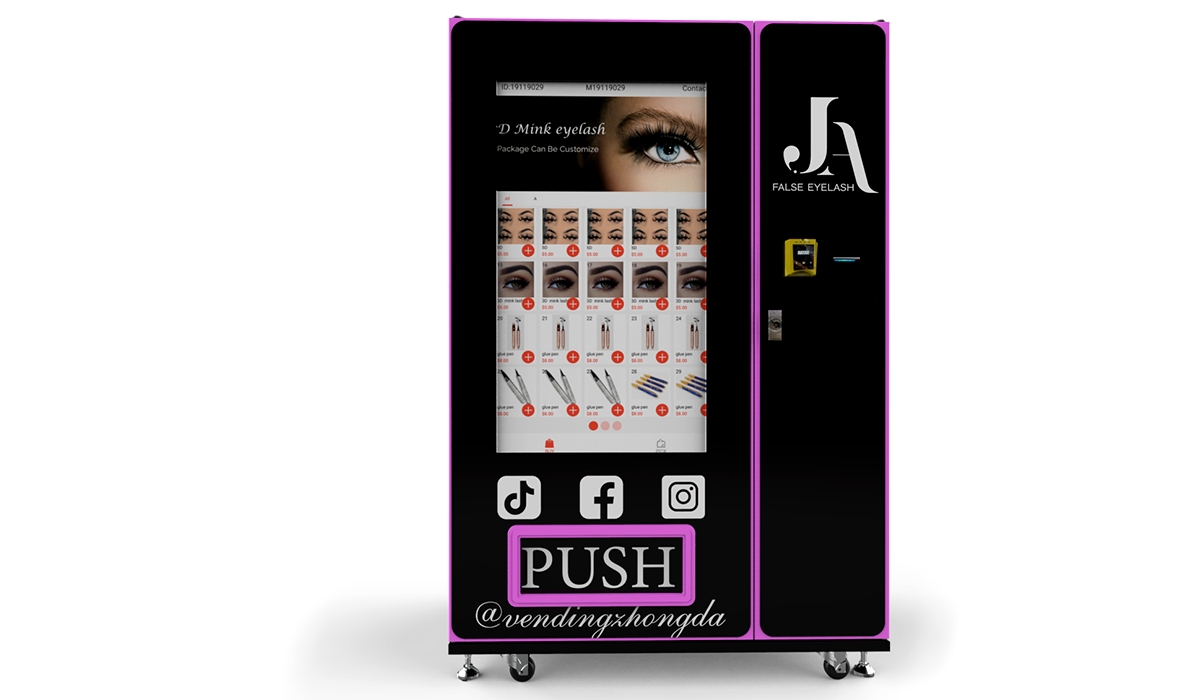
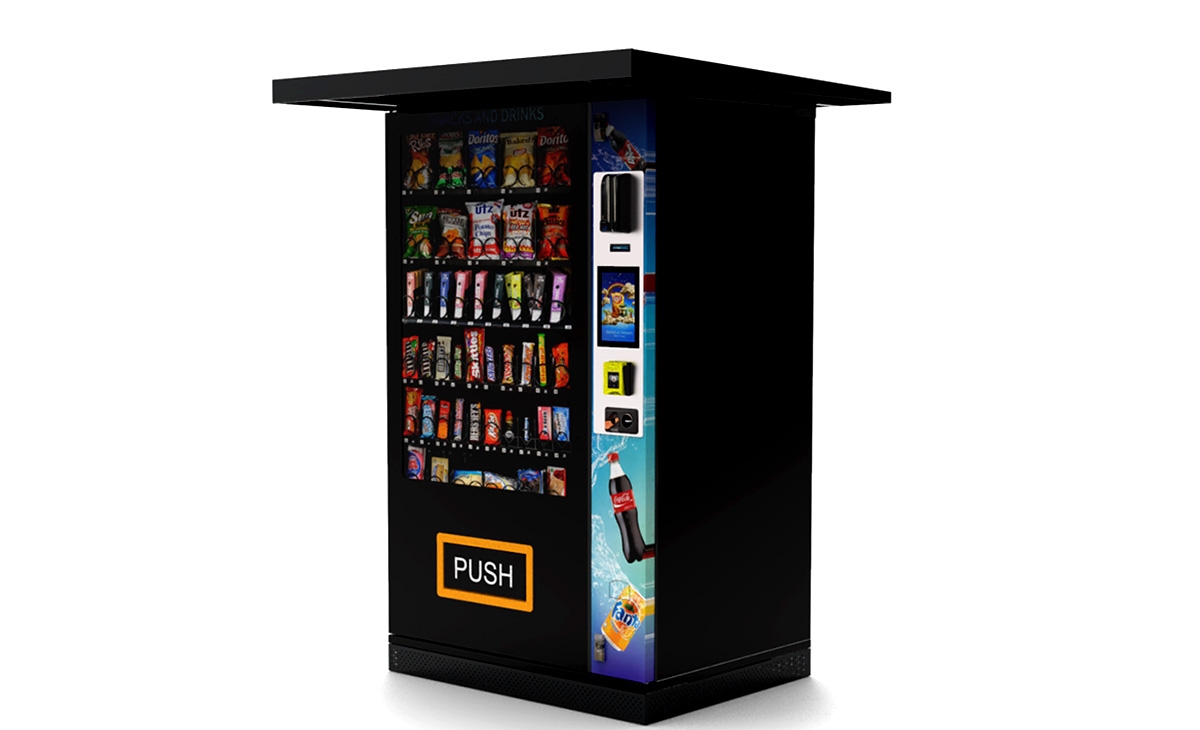
Notice that the smart kiosk can generate higher revenue, but it also requires higher foot traffic and a more sophisticated product mix. I have found that a basic snack machine in a stable location often has a better risk-to-reward ratio than a fancy kiosk in a volatile spot.
Location, Location, Location: The Real Decider
You can have the best machine from the top of the ranking of vending machine manufacturers in Singapore for 2026, but if you put it in a dead spot, you will lose money. I have made this mistake myself. I once placed a beautiful glass-front machine in a newly renovated lobby of a mid-tier office building. The foot traffic looked good on paper—about 500 people per day. But the building had a subsidized canteen on the second floor. My machine sold less than SGD 200 per month. I moved it to a logistics warehouse, and revenue tripled.
When evaluating a location, I look for three things: dwell time, necessity, and competition. Dwell time means people have time to stop and buy. A bus interchange is good. A busy footpath where everyone is rushing to catch a train is not. Necessity means the product is something people need immediately—cold drinks in a hot climate, snacks during a break. Competition means checking if there is a 7-Eleven or another vending machine within 100 meters. If there is, you need a clear advantage, like lower prices or unique products.
How to Negotiate a Location Agreement
Most location owners in Singapore will ask for a commission. I have negotiated commissions ranging from 10% for a low-traffic site to 25% for a prime MRT station spot. Always get the agreement in writing. I also recommend including a clause that allows you to move the machine if sales do not meet a minimum threshold after three months. This protects you from being locked into a bad deal.
According to data from IBISWorld, the vending machine operators industry in Singapore has seen steady growth, but profit margins are squeezed by rising rental costs. This makes location negotiation a critical skill.
Payment Systems and Cashless Integration
Singapore is one of the most cashless societies in the world. If your machine only takes coins, you will lose 80% of potential sales. I learned this the hard way. In 2019, I deployed a machine that only accepted cash in a co-working space. Sales were abysmal. I retrofitted it with a cashless reader that supported PayNow, Visa, and Mastercard, and sales jumped by 250% within a month.
When choosing a machine, ensure the manufacturer offers an integrated payment solution that supports local e-wallets. Most modern machines from reputable manufacturers, including Zhongda Smart, come with a built-in Android-based system that can handle multiple payment gateways. Do not buy a machine that requires a separate, third-party payment terminal that you have to wire in yourself. It creates more points of failure.
Maintenance and Repair: The Hidden Cost
I budget about SGD 100 to SGD 200 per machine per month for maintenance and repairs. This covers routine cleaning, replacing light bulbs, fixing jammed spirals, and the occasional compressor issue. If you have a fleet of 20 machines, you should have a dedicated technician or a service contract with a local repair company.
The most common issue I see is the refrigeration system failing because the machine is placed in direct sunlight or in a poorly ventilated area. Always install your machine in a shaded spot with at least 10 cm of clearance around the ventilation grilles. This simple step can extend the life of your compressor by years.
For vending machine repair, I recommend building a relationship with a local technician before you even buy your first machine. Ask the manufacturer for a list of authorized service partners. If they cannot provide one, that is a red flag. The ranking of vending machine manufacturers in Singapore for 2026 should include a category for service network strength.
Self-Service Kiosk vs. Traditional Vending Machine
The line between a vending machine and a self-service kiosk is blurring. A traditional machine uses spirals and a simple selection pad. A self-service kiosk has a touch screen, can sell complex items like hot food or fresh coffee, and often includes a telemetry system that tracks inventory in real time.
I have both types in my fleet. The self-service kiosks are more expensive to buy and maintain, but they allow for higher price points and better customer engagement. For example, a kiosk selling fresh smoothies in a gym can charge SGD 8 per drink, while a traditional machine selling a canned drink might get SGD 2. The kiosk’s revenue per transaction is higher, but the cost of goods and labor for restocking fresh ingredients is also higher.
Your choice depends on your risk tolerance and your operational capacity. If you are a solo operator, start with traditional machines. If you have a team and a cold chain, consider kiosks.
How to Avoid Common Newbie Mistakes
I have made almost every mistake you can make in this business. Let me save you some money.
First, do not buy a machine before you have a location secured. I know operators who bought five machines because they saw a good deal, then spent six months looking for spots. They ended up storing the machines in a warehouse, paying rent on equipment that was not earning a cent.
Second, do not overstock. Start with a small product range—maybe 10 to 15 items—and track what sells. Use the data to adjust. I use a simple spreadsheet to track sales per slot. After a month, I remove the bottom 20% of items and replace them with new products.
Third, do not ignore the aesthetics of your machine. A dirty machine with faded graphics will repel customers. I clean my machines every two weeks and replace the front graphics every year. It costs a few hundred dollars but keeps the machine looking fresh and increases sales by 10% to 15%.
Fourth, do not underestimate the importance of telemetry. A machine that can send you a text message when it is empty or when the temperature rises is worth the extra cost. I have saved thousands of dollars in lost inventory because my telemetry system alerted me to a cooling failure within hours.
Data Sources and Real-World Benchmarks
I base my decisions on a mix of personal experience and publicly available data. For example, a 2024 report from Singapore Department of Statistics on retail trade shows that the convenience store and vending sector has been resilient, with a slight uptick in sales volume. This aligns with my observation that people are buying more single-serve items.
Another useful source is the Energy Market Authority of Singapore, which publishes data on commercial electricity tariffs. I use this to calculate the operating cost of a refrigerated machine. At current rates, a vending machine running 24/7 costs about SGD 30 to SGD 50 per month in electricity.
I also follow the Singapore Food Agency guidelines for food vending. If you plan to sell perishable items, you must comply with their licensing and temperature logging requirements. Ignoring this can result in fines of up to SGD 10,000.
FAQ: Common Questions from New Operators
Are vending machines profitable in Singapore?
Yes, but it depends on location and execution. A well-placed machine can generate a net profit of SGD 300 to SGD 800 per month after all costs. I have seen operators run profitable fleets of 10 to 20 machines. However, it is not a passive income business—it requires regular attention.
How much does a vending machine cost in Singapore?
A new, basic machine starts at around SGD 5,000. A high-end smart kiosk can cost up to SGD 22,000. Used machines are available for SGD 2,000 to SGD 4,000, but I recommend caution—used machines often have hidden repair costs.
How long does it take to break even on a vending machine?
In my experience, a well-placed machine breaks even in 12 to 18 months. A machine in a marginal location can take two years or more. If you are not breaking even within 18 months, consider moving the machine to a new location.
Should I buy or lease a vending machine?
I recommend buying if you have the capital. Leasing often comes with higher monthly costs and restrictive contracts. However, if you want to test the market with minimal upfront risk, leasing a machine for six months can be a viable option.
Where are the best locations for vending machines in Singapore?
Office buildings, logistics warehouses, hospitals, and educational institutions are my top picks. Avoid locations with heavy competition from convenience stores unless you offer a unique product or lower prices.
What permits do I need to operate a vending machine in Singapore?
You need a general business license from ACRA. If you sell food, you may need a license from the Singapore Food Agency. Some locations also require a permit from the building management. Always check local regulations before installing.
How do I choose a vending machine supplier?
Look for a supplier with a local service team, a good warranty, and experience in the Singapore market. Ask for references and visit their showroom if possible. The ranking of vending machine manufacturers in Singapore for 2026 will favor suppliers like Zhongda Smart that offer integrated payment solutions and robust hardware.
What happens if my machine breaks down?
If you have a service contract, call your technician. If not, you need a local vending machine repair specialist. I keep a list of three technicians I trust. Response time is critical—aim for same-day or next-day service.
How can I reduce restocking and maintenance costs?
Use telemetry to monitor inventory levels. Only visit a machine when it needs restocking, not on a fixed schedule. Also, standardize your product range across machines to simplify ordering and reduce waste.
Final Thoughts on Building a Vending Business
I have been in this industry long enough to know that there is no magic formula. The ranking of vending machine manufacturers in Singapore for 2026 will change as technology evolves and new players enter the market. But the fundamentals will stay the same: pick a reliable machine, put it in a location where people need what you sell, and manage your inventory tightly.
If you are just starting, I recommend buying one or two machines from a reputable manufacturer like Zhongda Smart, testing them in different locations, and learning the operational rhythm before scaling up. Do not be afraid to move a machine if it is not performing. The most successful operators I know are the ones who treat their vending machines as a dynamic business, not a set-it-and-forget-it investment.
Finally, keep your overhead low. Avoid expensive leases. Do not over-order inventory. And always have a backup plan for repairs. If you do these things, you can build a profitable vending operation in Singapore that lasts.
Disclaimer: The financial figures and operational estimates provided in this article are based on my personal experience as a vending machine operator in Southeast Asia and publicly available data. They are not guarantees of future performance. Your results will vary based on location, product selection, operational efficiency, and market conditions. Always conduct your own due diligence before making any investment.