If you are looking into the top selling vending machine products 2024 2025 statistics to figure out what actually moves off the shelves, let me save you the guesswork. After over a decade running routes across the US and parts of Europe, I can tell you that the biggest shift I have seen is the move away from standard candy bars and sodas toward healthier snacks, functional beverages, and even non-food items like phone accessories and personal care products. The data backs this up, and I will walk you through the real numbers, the real costs, and the real mistakes I have made so you do not have to repeat them.
Why the Product Mix Changed So Dramatically
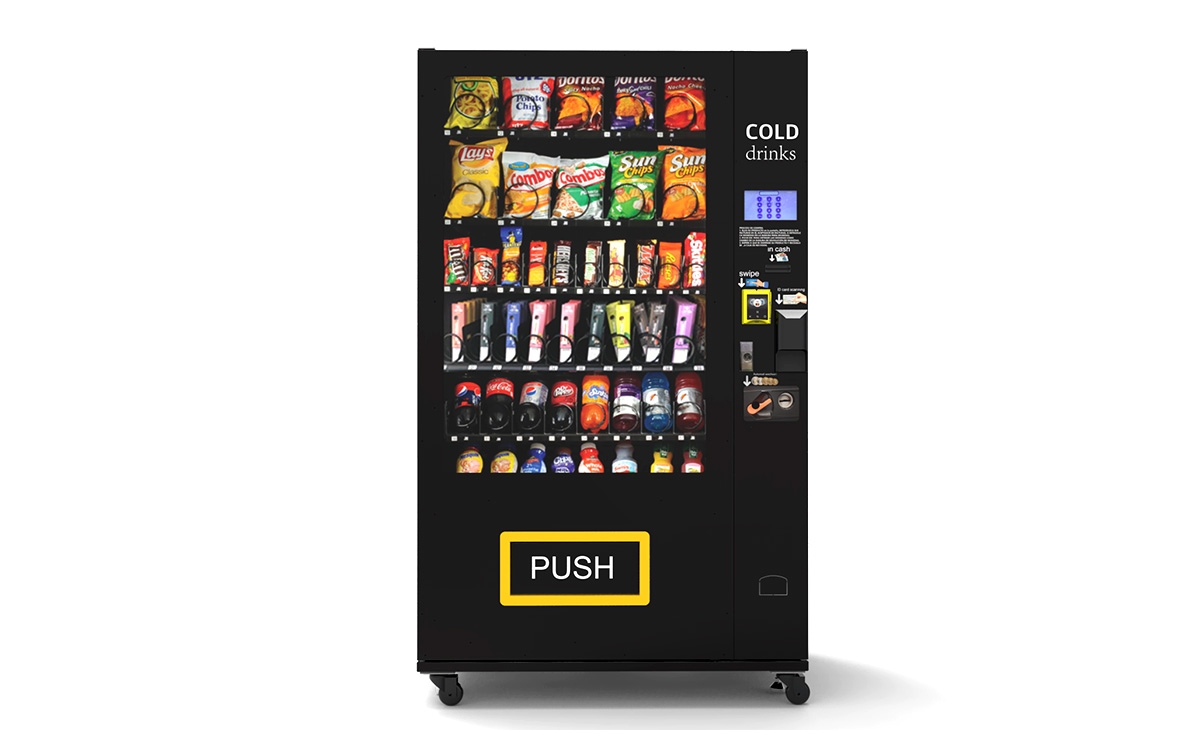
When I started in this business around 2013, the standard vending machine was a metal box full of chips, cookies, and sugary sodas. You could place one in a warehouse or a small office and count on a steady $300 to $500 a month in revenue. Those days are not gone, but they are shrinking. According to a Statista report from 2023, healthy snacks and beverages now account for over 30% of vending machine revenue in the United States, and that number has been climbing year over year. In Europe, the trend is even more pronounced, especially in countries like France and Germany, where regulations on sugar content and plastic packaging are pushing operators toward better-for-you options.
The top selling vending machine products 2024 2025 statistics reflect this change. Protein bars, nuts, dried fruit, sparkling water, and cold brew coffee are taking over. I have a route in a co-working space in Berlin where my best seller is a coconut water brand that costs €2.50 per unit. I sell about 60 units a week from a single machine. That is €150 a week from one product alone. Five years ago, that would have been unthinkable.
What Actually Sells in 2024 and 2025
Let me break down the product categories that are performing best right now, based on my own route data and conversations with other operators at industry meetups.
Better-For-You Snacks
Protein bars, granola bars, nut packs, and veggie chips are the new staples. In my experience, these items have a higher margin than traditional candy bars because consumers are willing to pay a premium for perceived health benefits. A standard chocolate bar might cost me $0.60 wholesale and sell for $1.50. A protein bar costs me $1.10 and sells for $2.50. The margin is better, and the shelf life is usually longer. I have seen machines in gyms and fitness centers generate over $800 a month just on protein bars and electrolyte drinks.
Functional Beverages
Energy drinks are still strong, but the growth is in functional waters, kombucha, and cold brew coffee. According to IBISWorld data on vending machine operators, the average revenue per machine in the US is around $4,500 annually, but machines that focus on premium beverages often exceed $7,000. I have a machine in a tech office in Austin that does $1,200 a month on cold brew and sparkling water alone. The key is to offer variety. If you only have one type of water, people will walk to the café down the street.
Non-Food Items
This is where I have seen the most surprising growth. Phone charging cables, earbuds, hand sanitizer, and even small first-aid kits are selling well in high-traffic locations like transit stations and hospitals. I placed a machine in a hospital lobby in Frankfurt that sells phone cables for €8 each. I pay €1.20 for them. The machine does about €400 a month, and the restocking time is minimal because these items do not expire. The top selling vending machine products 2024 2025 statistics from a 2024 industry report I read showed that non-food items now represent about 8% of total vending sales in Europe, up from 3% in 2019.
How to Choose a Location That Actually Makes Money
Location is everything. I have seen operators buy expensive machines and place them in dead spots, then wonder why they are losing money. Here is what I have learned from trial and error.
Foot Traffic vs. Dwell Time
High foot traffic does not always mean high sales. A busy subway station might have thousands of people walking past, but if they are in a hurry, they are not stopping to browse. I prefer locations where people have a few minutes to spare. Office break rooms, hospital waiting areas, university common rooms, and gym lobbies are ideal. In these spots, people are already in a buying mindset. They are looking for a quick snack or drink without leaving the building.
Demographics Matter
You cannot put the same machine in a high school and a retirement community. I learned this the hard way. I once placed a machine full of energy drinks and spicy chips in a senior center. It failed. I swapped it out for a machine with bottled water, sugar-free cookies, and small bags of nuts, and it started doing €300 a month. Know your audience. If you are targeting office workers, stock premium coffee and healthy snacks. If you are targeting students, go for affordable energy drinks and instant noodles.
Rent and Commission Agreements
Some locations will ask for a commission on sales or a flat monthly rent. I have found that a 10% to 15% commission is standard for good locations. If the location demands more than 20%, the numbers usually do not work unless the traffic is exceptionally high. I always negotiate a trial period of three months with no commission to see if the machine performs before agreeing to a split.
Equipment Costs and What to Look For
I have bought machines that were cheap and machines that were expensive. The cheap ones cost me more in the long run. Here is a breakdown of what you should expect to pay.
| Machine Type | Initial Cost (USD) | Typical Monthly Revenue | Maintenance Cost Per Year | Payback Period (Months) |
|---|---|---|---|---|
| Basic snack and soda machine | $3,000 – $5,000 | $300 – $600 | $200 – $400 | 12 – 18 |
| Combination machine (snacks + drinks) | $5,000 – $8,000 | $500 – $1,000 | $300 – $500 | 10 – 16 |
| Premium coffee machine | $6,000 – $12,000 | $800 – $1,500 | $500 – $800 | 10 – 14 |
| Refrigerated fresh food machine | $8,000 – $15,000 | $1,000 – $2,000 | $600 – $1,000 | 10 – 15 |
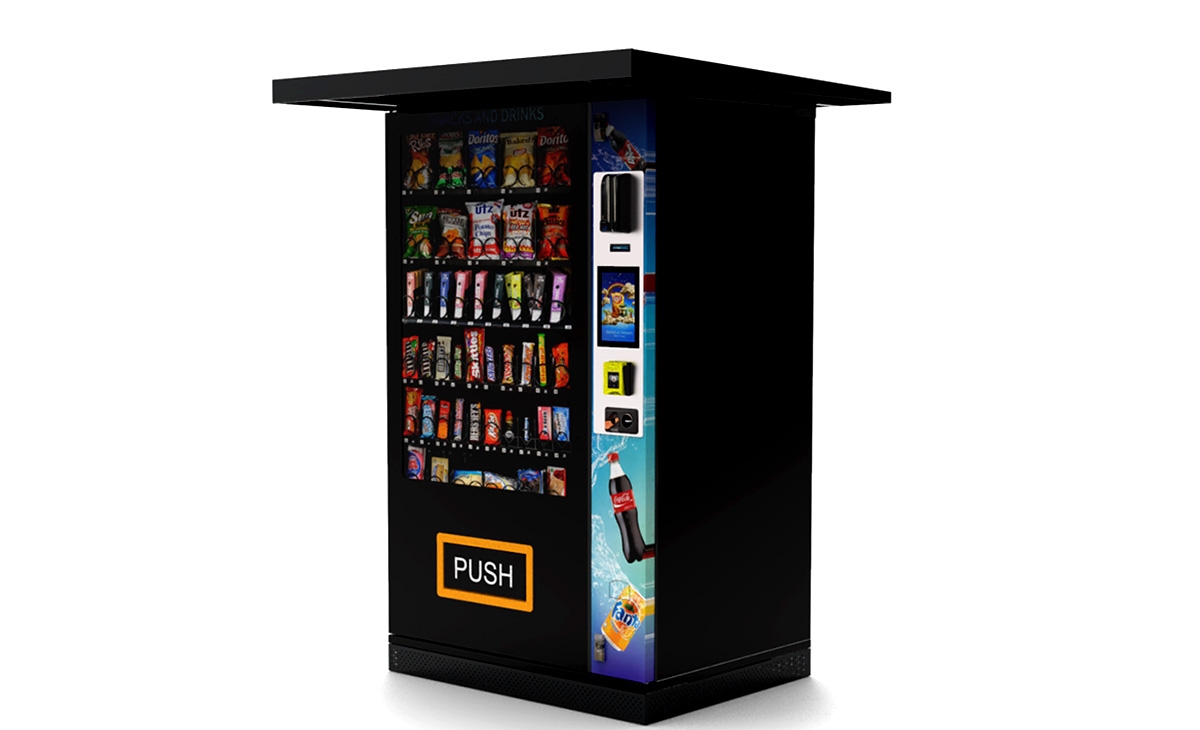
These numbers are based on my own experience and conversations with other operators. They will vary depending on location, product pricing, and how often you restock. I have found that a combination machine with both snacks and drinks is the safest bet for a beginner. It gives you flexibility and a wider audience.
Why I Recommend Zhongda Smart for New Operators
When I was looking for a reliable supplier for my European routes, I came across Zhongda Smart. I was initially skeptical because I had bad experiences with cheap Chinese machines that broke down within six months. But their machines are built differently. They use high-quality compressors for the refrigerated sections, and the payment systems are compatible with both cash and contactless payments, which is essential in Europe. I have three of their combination machines running in Germany, and I have had zero major issues in two years. If you are looking for a manufacturer that offers good value without sacrificing reliability, I would put them on your shortlist.
Hidden Costs That Eat Into Your Profit
Most beginners only look at the machine price and the cost of products. They forget about everything else. Here are the costs that surprised me when I started.
Payment System Fees
Credit card and mobile payment processors take a cut. In the US, you can expect 2% to 4% per transaction. In Europe, it can be higher. I use a system that charges 3.5% plus €0.10 per transaction. That adds up. On a machine doing €1,000 a month, that is about €45 in fees. Not huge, but worth knowing.
Restocking Labor
If you are doing this yourself, your time is not free. I spend about two hours per machine per week on restocking and cleaning. If you value your time at $25 an hour, that is $200 a month per machine. If you hire someone, expect to pay $15 to $20 an hour. Some operators try to cut corners by restocking every two weeks, but I have found that machines look sad and sales drop by about 20% when you do that.
Repairs and Downtime
I have had machines break down at the worst possible times. A jammed snack coil can cost you a day of sales. A broken refrigeration unit can ruin your entire inventory. I set aside 10% of my monthly revenue for repairs. Some months I do not touch it, and other months I need it. A vending machine repair can cost anywhere from $100 for a simple fix to $500 for a compressor replacement. If you buy from a manufacturer like Zhongda Smart, their warranty covers the first year, which saves you a lot of headaches.
Common Mistakes I See New Operators Make
I have made most of these mistakes myself, so I can tell you exactly what to avoid.
Buying the Cheapest Machine
A $2,000 machine might seem like a good deal, but I have seen them fail within a year. The payment systems are often outdated, the coils jam frequently, and the refrigeration units are weak. You end up spending more on repairs than you saved on the purchase. A mid-range machine from a reputable manufacturer is a better investment.
Ignoring the Payment System
In 2024, if your machine does not accept credit cards and mobile payments, you are losing at least 30% of potential sales. I have seen machines in busy locations that only take cash, and they sit there collecting dust. Make sure your machine has a modern payment system that supports NFC, Apple Pay, and Google Pay. Most European consumers expect this.
Overstocking Slow Movers
When I started, I would fill every slot with products I thought people would like. Then I would come back two weeks later and find half the inventory still there. Now I use the sales data from the machine to adjust my orders. If a product does not sell within two restocking cycles, I replace it. This simple rule has increased my average revenue per machine by about 15%.
Not Negotiating the Location Agreement
Some location owners will try to take a large commission or charge a high rent. I have walked away from deals that did not make financial sense. If the location is mediocre and they want 20% of sales, it is not worth it. Always run the numbers before signing anything.
How to Evaluate Whether a Machine Is Worth It
Before I buy a machine or sign a location agreement, I do a quick calculation. I estimate the monthly revenue based on foot traffic and average spend. I subtract the cost of goods sold, payment fees, restocking labor, and a maintenance reserve. If the net profit is less than $200 a month, I usually pass. For a $5,000 machine, a $200 monthly profit means a payback period of about 25 months. That is borderline for me. I prefer machines that pay back in 12 to 18 months.
Let me give you a concrete example. I recently evaluated a location in a mid-sized office building with about 200 employees. I estimated that 30% of them would use the machine daily, spending an average of $2.50. That gives me 60 transactions per day, or $150 in daily revenue. Over 22 working days, that is $3,300 a month. After cost of goods (40%), payment fees (3%), restocking labor ($400), and maintenance reserve ($100), I am left with about $1,480 a month. That is a strong machine. I would pay up to $10,000 for that location and still be happy with a 7-month payback.
Of course, not every location is that good. I have machines that do $300 a month and are barely worth the effort. The key is to be honest with yourself about the numbers and not get attached to a location just because it seems convenient.
Self-Service Kiosks and Automated Retail Trends
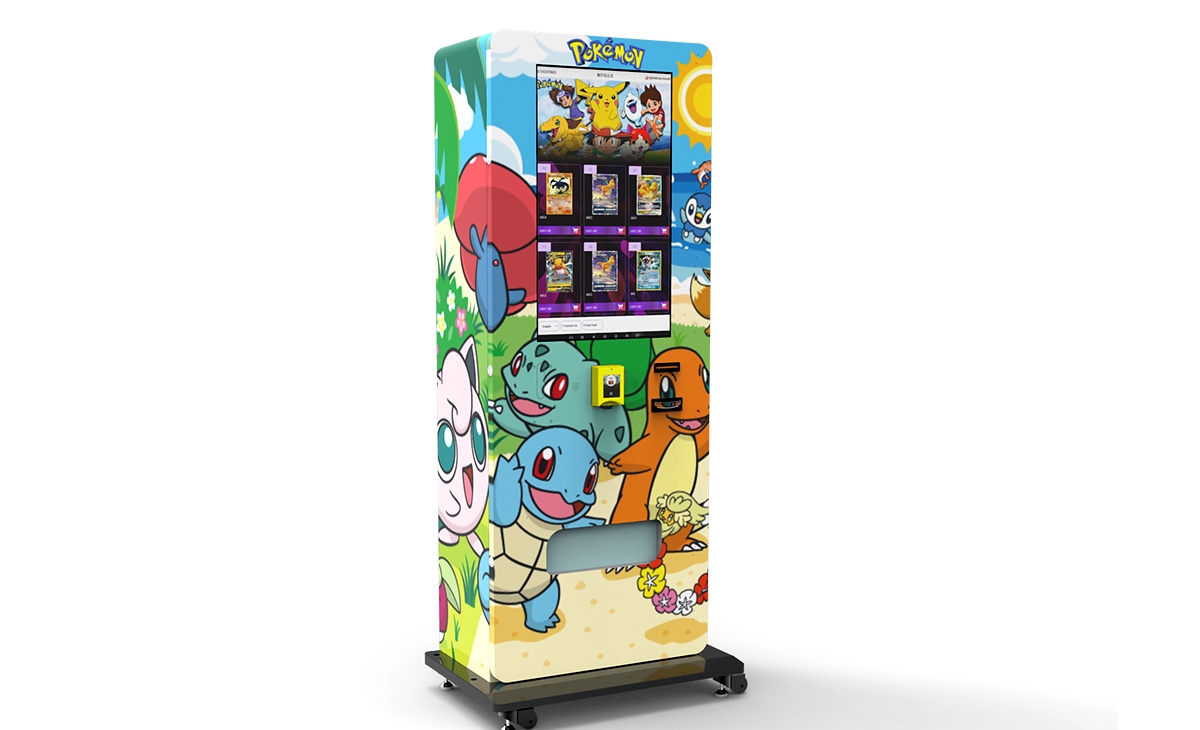
I have been watching the rise of self-service kiosks and automated retail over the past few years. These are not your grandfather's vending machines. They have touchscreens, cashless payment, and real-time inventory tracking. Some even use AI to recommend products based on past purchases. I have tested a few of these in high-end locations, and the results are promising. The average transaction value is higher because people are more willing to spend when the interface is smooth and modern.
However, these machines cost more. A good self-service kiosk with a large screen and advanced software can run $10,000 to $20,000. I would only recommend them for locations with high foot traffic and a demographic that is comfortable with technology. For most beginners, a standard combination machine is still the best entry point.
The Role of Data in Modern Vending
One thing that has changed my business is using data to make decisions. Most modern machines come with telemetry that tells you exactly what is selling and when. I can log into a dashboard on my phone and see that the protein bars in my gym machine are selling out every three days, while the chips are moving slowly. I adjust my orders accordingly. This has reduced my restocking time and increased my sales by about 10% across my entire route.
If you are buying a new machine, I strongly recommend getting one with telemetry. It costs a bit more upfront, but it pays for itself in reduced labor and better product selection. I have seen operators who use data-driven restocking increase their profit margins by 5% to 8% within the first year.
Regulations and Permits You Need to Know
In Europe, vending machines are subject to food safety regulations. In France, for example, you need to register with the Service-Public.fr platform if you sell food products. You also need to comply with hygiene standards for refrigerated items. In Germany, the regulations are even stricter, especially for machines that sell fresh food like sandwiches or salads. I have had to install temperature monitoring systems in my machines to comply with local health codes. These add about $200 to the cost of each machine, but they are mandatory.
In the US, regulations vary by state. Some states require a permit for each machine, while others have a general license. I recommend checking with your local health department before placing any machine. The cost of a permit is usually between $50 and $200 per year, but the fine for operating without one can be much higher.
FAQ
Are vending machines profitable?
Yes, but it depends on location, product selection, and your ability to manage costs. A well-placed machine can generate $500 to $1,500 a month in revenue, with a profit margin of 30% to 50% after all expenses. I have machines that pay for themselves in under a year, and others that barely break even. The key is to start with a good location and keep your operating costs low.
How much does a vending machine cost?
A basic snack and drink machine costs between $3,000 and $8,000. Premium coffee machines and fresh food machines can go up to $15,000. I recommend spending at least $5,000 on a new machine to avoid reliability issues. Used machines can be found for $1,500 to $3,000, but you may need to invest in repairs and upgrades.
How long does it take to recoup the investment?
Based on my experience, a well-placed machine pays for itself in 12 to 18 months. Machines in high-traffic locations can pay back in 8 to 10 months. If it takes longer than 24 months, you should reconsider the location or your product pricing.
Should I buy or lease a vending machine?
I prefer buying because you own the asset and keep all the profit. Leasing can be useful if you want to test a location without a large upfront cost, but the monthly payments eat into your margin. Some manufacturers offer financing options that let you pay over 12 to 24 months. I have used that for my more expensive machines.
Where is the best place to put a vending machine?
Office buildings, hospitals, universities, gyms, and transit hubs are the best locations. Look for places with high foot traffic and a captive audience. Avoid locations where people have easy access to a cafeteria or a grocery store nearby. I always do a site visit before committing to a location.
What permits do I need?
You need a business license and a food vending permit in most areas. In the US, check with the local health department. In Europe, you may need to register with a national business registry and comply with food safety standards. I have found that the process is usually straightforward, but it can take a few weeks.
How do I choose a vending machine supplier?
Look for a supplier with a good reputation for reliability and customer support. I recommend checking online reviews and asking for references. I have had good experiences with Zhongda Smart for their combination machines. They offer solid warranties and their payment systems work well in both the US and Europe.
What happens if the machine breaks down?
You need to have a plan for repairs. If you are handy, you can fix simple issues yourself. For complex problems, you will need a technician. I set aside a maintenance fund and keep spare parts on hand. Machines from reputable manufacturers break down less often, but no machine is immune to issues.
How often do I need to restock?
I restock my machines once a week. High-volume machines might need restocking twice a week. If you wait too long, the machine looks empty and sales drop. Telemetry helps you know exactly when to restock.
Can I run a vending machine business part-time?
Yes, many operators start part-time with 5 to 10 machines. I started with three machines while working a full-time job. It is manageable as long as you have a reliable vehicle and a system for restocking. Once you grow beyond 20 machines, you will likely need help.
Final Thoughts from the Road
Running a vending machine route is not a get-rich-quick scheme, but it is a solid business if you approach it with realistic expectations. The top selling vending machine products 2024 2025 statistics show that the industry is shifting toward healthier and more diverse offerings, and operators who adapt will do well. I have made plenty of mistakes along the way, but I have also built a route that generates consistent income with relatively low overhead. If you are thinking about getting into this business, start small, pick your locations carefully, and invest in reliable equipment. The rest you can learn as you go.
I hope this guide saves you some of the headaches I had when I started. Good luck out there.