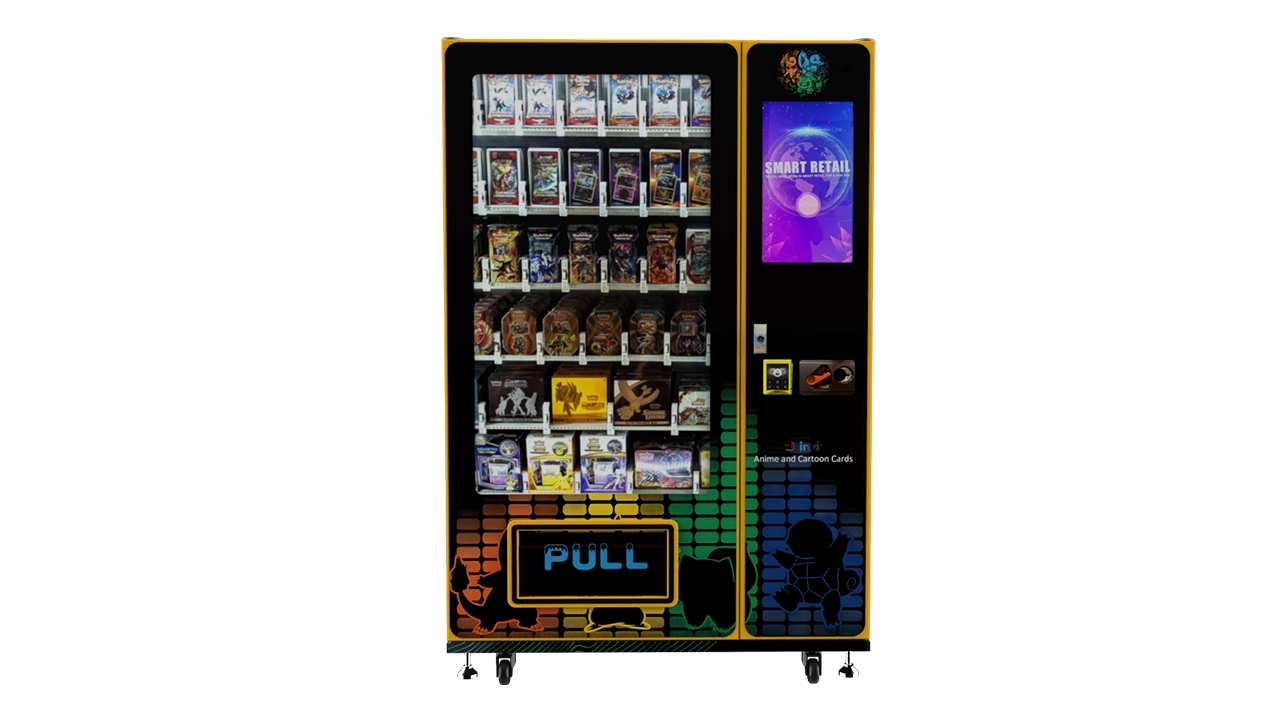
I have been in the vending machine business for over a decade, and the single most common question I hear from newcomers is, “where can i put a vending machine for free?” The honest answer is that you almost never get prime real estate for free, but you can dramatically reduce your overhead by negotiating placement deals based on commission or revenue share. Most property owners are open to hosting a machine if they see a direct benefit, like a percentage of sales or a fixed monthly kickback. The key is identifying locations with high foot traffic and low competition, such as auto repair shops, barber shops, or small office break rooms. In my experience, a well-placed machine in a low-rent spot can outperform a poorly placed machine in a high-rent location. This guide will walk you through everything I have learned about finding profitable spots, avoiding common traps, and making your vending operation actually work.
Understanding the Vending Machine Business Model
Before you start hunting for locations, you need to understand how the money flows. A vending machine is a self-service kiosk that sells products like snacks, drinks, or even fresh food without a cashier. The business model is simple: you buy or lease a machine, stock it with products, place it in a location, and collect the revenue. But the simplicity ends there. The real work is in finding the right spot, managing inventory, and keeping the machine running.
Most people think vending machines are passive income. They are not. They are active income with some passive elements. You have to refill, clean, and repair the machine regularly. If you place a machine in a location that does not generate enough sales, you will lose money on product spoilage and maintenance. I have seen operators buy ten machines and fail because they put them in the wrong places. The difference between success and failure is almost always location.
In the United States and Europe, the vending machine industry is mature. According to IBISWorld, the U.S. vending machine services industry generated about $8 billion in revenue in 2023. The market is growing slowly, but there is still room for independent operators if they pick the right niches. The average machine generates between $200 and $500 per month, but I have seen machines in high-traffic locations bring in over $1,500. It all depends on placement, product mix, and maintenance.
Where Can I Put a Vending Machine for Free? The Real Answer
The phrase “where can i put a vending machine for free” usually means you want a location without paying rent. That is possible, but you have to offer something in return. Most property owners will not let you place a machine for free unless they get a cut of the sales or you provide a service they need. In my experience, the best free locations are places where the owner sees the machine as a convenience for their customers or employees, not as a revenue source for themselves.
Auto Repair Shops and Tire Centers
Auto repair shops are one of the best locations for free placement. Customers often wait 30 minutes to two hours for their car to be fixed. They get thirsty and hungry. Shop owners usually do not want to run a vending operation themselves, so they are happy to let you place a machine. I have placed machines in three different repair shops in the Midwest, and all of them generate consistent sales. The key is to offer a 10–15% commission on sales. That is essentially free placement for you because you only pay when you sell.
Barber Shops and Salons
Barber shops and hair salons are another goldmine for free placement. People wait for haircuts or appointments, and they often want a drink or a snack. Many shop owners do not want the hassle of stocking a machine, so they welcome an operator. I have a machine in a barber shop in Chicago that does about $400 per month in sales. The owner gets 10% of the revenue, which is about $40. He is happy because it keeps customers entertained, and I am happy because the machine pays for itself in six months.
Small Office Break Rooms
Small offices with 20 to 50 employees are often overlooked by large vending companies. These offices usually have a break room where employees want quick access to snacks and drinks. The office manager might be open to a free placement if you offer a small commission or a donation to the office coffee fund. I have found that offices with shift workers, like call centers or medical offices, are especially good because employees need fuel during long hours.
Gym and Fitness Studios
Gyms are tricky because they often have contracts with large beverage companies. But smaller fitness studios, like yoga studios, CrossFit boxes, or personal training gyms, are more flexible. People working out need water and protein bars. I placed a machine in a CrossFit box in Austin, Texas, and it does well because the owner does not want to stock it himself. We split the revenue 80/20, with him getting 20%. That is essentially free placement for me.
Laundromats
Laundromats are classic vending locations. People spend 30 to 60 minutes waiting for their laundry. They are captive customers. Many laundromat owners already have a vending machine, but they often neglect it. If you can offer a better machine with more product variety, the owner might let you replace their old one. I have done this several times. The key is to offer a higher commission than what they were getting from the previous operator.
How to Approach a Location for Free Placement
When you approach a property owner, do not ask for free placement outright. Instead, frame it as a partnership. Explain that you will handle all the maintenance, restocking, and repairs. The owner gets a percentage of sales without any work. Most small business owners appreciate this because they have enough to worry about. I always bring a one-page agreement that outlines the commission structure and the length of the trial period. I usually start with a 60-day trial to see if the location works for both of us.
One mistake I see beginners make is offering too high a commission. If you offer 30% of sales, you will struggle to make a profit. A fair commission is 10–15% for a low-traffic location and up to 20% for a prime location. Remember, you still have to pay for the machine, products, and maintenance. If the owner demands more than 20%, walk away. There are plenty of other locations.
The True Cost of a Vending Machine
Many people ask me, “How much does a vending machine cost?” The answer depends on the type of machine, the features, and whether you buy new or used. Based on my experience and data from industry sources like the National Automatic Merchandising Association (NAMA), here is a breakdown of typical costs.
| Machine Type | New Price (USD) | Used Price (USD) | Monthly Revenue Potential | Gross Margin |
|---|---|---|---|---|
| Snack Vending Machine | $3,000 – $6,000 | $1,500 – $3,000 | $200 – $600 | 40–50% |
| Beverage Vending Machine | $4,000 – $8,000 | $2,000 – $4,000 | $300 – $800 | 30–40% |
| Combination Snack & Drink | $6,000 – $10,000 | $3,000 – $5,000 | $500 – $1,200 | 35–45% |
| Healthy/Fresh Food Vending | $8,000 – $15,000 | $4,000 – $8,000 | $400 – $1,000 | 25–35% |
These numbers are based on my personal experience and industry averages. A new machine from a reliable manufacturer like Zhongda Smart can cost between $3,000 and $8,000 depending on the configuration. I recommend buying new if you are a beginner because used machines often have hidden problems like faulty refrigeration units or outdated payment systems. I have seen operators buy a used machine for $1,500 and then spend $800 on repairs within the first year.
Hidden Costs That Kill Beginners
Most beginners only think about the machine cost and the products. They forget about the ongoing expenses. Here are the costs that often surprise new operators:
- Payment system fees: Credit card readers and cashless payment systems charge a transaction fee of 2–5%. This eats into your margin.
- Product spoilage: If you stock perishable items like sandwiches or salads, you will lose money on expired products. I recommend starting with non-perishable snacks and drinks.
- Vending machine repair: Machines break. A faulty compressor or a jammed coil can cost $100–$300 to fix. I always keep a spare parts kit on hand.
- Electricity: Some locations charge you for electricity. This can add $20–$50 per month to your costs.
- Transportation: You need a vehicle to restock. Gas and vehicle maintenance add up, especially if your locations are spread out.
According to a 2022 report from Statista, the average operating cost for a vending machine in the U.S. is about $200 per month, including product costs, maintenance, and fees. That means you need to generate at least $200 in gross profit just to break even. If your machine only makes $300 in sales, you are barely making $100 in profit after all costs.
How to Choose a Vending Machine Supplier
Choosing the right supplier is critical. I have worked with several manufacturers over the years, and I have learned to look for specific things. First, check if the supplier offers a warranty. A good warranty covers the compressor and the main board for at least one year. Second, ask about the payment system. Modern machines should support credit cards, mobile payments, and cash. Third, consider the machine's energy efficiency. A machine that uses less electricity will save you money in the long run.
One supplier I have worked with is Zhongda Smart. They manufacture a range of machines that are popular in both the U.S. and European markets. Their machines come with a reliable payment system and good energy ratings. I recommend them for beginners because they offer decent support and their machines are easy to maintain. But do not take my word for it. Always check reviews and ask for references from other operators.
How Long Does It Take to Recoup Your Investment?
The payback period depends on your machine cost, location, and sales volume. Based on my experience, here is a realistic timeline:
- Good location (high foot traffic): 6 to 12 months.
- Average location (moderate traffic): 12 to 18 months.
- Poor location (low traffic): 18 to 24 months or never.
I once placed a combination machine in a busy office building in New York City. The machine cost $7,000 new. It generated about $1,200 per month in sales with a 40% margin. After paying for products, commissions, and maintenance, I made about $400 per month in profit. It took me about 18 months to break even. In contrast, I placed a simple snack machine in a small auto shop for $3,000. It makes $300 per month with a 50% margin. That machine paid for itself in 10 months.
The key takeaway is that you should not expect to get rich quickly. Vending is a slow, steady business. If you are patient and pick good locations, you can build a profitable route over time.
Common Mistakes New Operators Make
I have made almost every mistake in the book, and I have seen others make them too. Here are the most common ones:
Buying a Cheap Machine
I bought a used machine from a classified ad once. It looked fine, but the refrigeration unit failed after three months. The repair cost almost as much as the machine. Cheap machines often have cheap components. You are better off spending a bit more on a reliable machine from a reputable supplier like Zhongda Smart.
Ignoring the Payment System
In 2024, cash-only machines are dying. Most people do not carry cash. If your machine only takes coins and bills, you will lose sales. I recommend machines that accept credit cards, Apple Pay, and Google Pay. The transaction fees are worth it because you capture more customers.
Overstocking or Understocking
I have seen operators fill a machine with 50 different products and then wonder why half of them expire. You need to track what sells and what does not. Start with a small variety and add products based on sales data. I use a simple spreadsheet to track which items sell fast and which ones sit forever.
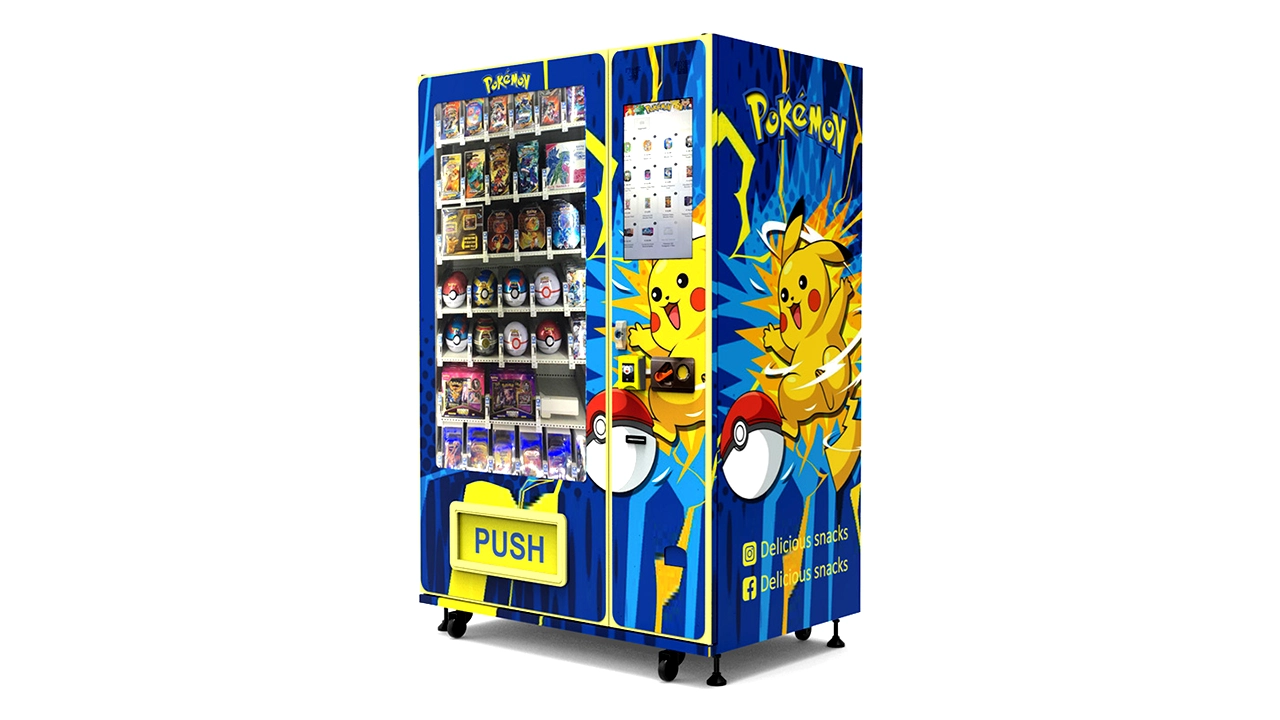
Not Checking the Machine Regularly
A broken machine is a money pit. If a machine is out of order for a week, you lose sales and the location owner gets frustrated. I check my machines at least once a week. If a machine has a recurring issue, I fix it immediately or replace the machine.
Evaluating a Location: What to Look For
When I evaluate a potential location, I look at three things: foot traffic, dwell time, and competition. Foot traffic is obvious. You need people passing by. But dwell time is just as important. A location where people wait, like a laundry room or a repair shop, is better than a location where people just walk past. Competition matters too. If there is already a vending machine in the building, you either need to offer something better or find a different spot.
I also look at the type of people. A machine in a high-school hallway will sell different products than a machine in a corporate office. Tailor your product mix to the audience. For example, a gym might sell protein bars and water, while an office break room might sell chips, candy, and soda.
Real Data on Vending Machine Performance
Here are some real numbers from my own operation and from industry sources:
- According to a 2023 report by IBISWorld, the average vending machine in the U.S. generates about $300 per month in revenue.
- A study by the National Automatic Merchandising Association (NAMA) found that cashless payment systems increase sales by 15–25%.
- In my own experience, a machine in a high-traffic laundromat in Los Angeles generated $1,800 in its best month. That same machine in a low-traffic office made only $150.
These numbers show that location is everything. Do not assume that any location will work. Test a location for 60 days before committing to a long-term contract.
How to Reduce Maintenance and Restocking Costs
One of the biggest challenges in vending is keeping your machines running and stocked without spending too much time or money. Here are some tips I have learned:
- Use a route management software: Apps like VendSoft or Cantaloupe let you track sales in real time. You can see which products are selling and which are not. This reduces spoilage and saves time.
- Batch your restocking trips: Instead of visiting each machine every day, group your locations by proximity. I restock my machines once a week, but I check the sales data remotely to see if a machine needs attention sooner.
- Invest in a good machine: A cheap machine will break down often. A machine from a reliable manufacturer like Zhongda Smart might cost more upfront, but it will save you money on vending machine repair over time.
- Keep a spare parts kit: I always carry a few common parts like springs, motors, and fuses. This way, I can fix minor issues on the spot and avoid losing sales.
FAQ: Answering Your Most Common Questions
Are vending machines profitable?
Yes, but only if you choose the right locations and manage your costs. A single machine can make $100–$500 per month in profit. The key is to scale up to multiple machines to increase your overall income.
How much does a vending machine cost?
A new machine costs between $3,000 and $15,000 depending on the type and features. Used machines are cheaper but may require repairs. I recommend spending at least $4,000 on a new combination machine from a reputable supplier like Zhongda Smart.
How long does it take to recoup the investment?
Typically 6 to 18 months, depending on the location and sales volume. A machine in a high-traffic location can pay for itself in under a year.
Should I buy or lease a vending machine?
Buying is better for long-term profitability. Leasing often comes with high monthly fees and restrictions. I always recommend buying if you have the capital.
Where are the best places to put a vending machine?
Auto repair shops, barber shops, laundromats, small offices, and gyms are all good options. Look for places where people wait and have easy access to your machine.
Do I need a permit or license?
Yes, in most U.S. states and European countries, you need a business license and a sales tax permit. Some cities also require a vending machine permit. Check with your local government before placing a machine.
How do I choose a vending machine supplier?
Look for a supplier with a good warranty, reliable payment systems, and energy-efficient machines. Zhongda Smart is one option, but always compare multiple suppliers and read reviews.
What happens if my machine breaks down?
You need to fix it quickly. If you are not handy with repairs, hire a local technician. I recommend learning basic repairs yourself to save money.
How can I reduce restocking costs?
Use route management software to track sales. Stock only high-selling items. Group your machines geographically to save on travel time.
Final Thoughts on Free Vending Machine Placement
Finding a location where you can put a vending machine for free is possible, but it requires negotiation and a willingness to share the revenue. The best free locations are small businesses that do not want to run their own vending operation. Auto repair shops, barber shops, laundromats, and small offices are all excellent candidates. Approach the owner with a clear proposal, offer a fair commission, and be prepared to maintain the machine regularly.
Vending is not a get-rich-quick scheme. It is a business that rewards patience, attention to detail, and good location selection. If you start with one machine, learn the ropes, and reinvest your profits, you can build a solid source of income. Avoid the common mistakes I mentioned, and you will have a much better chance of success.
Remember, the machine itself is just a tool. The real value comes from the location and how well you manage the operation. Good luck, and feel free to reach out if you have more questions. I am always happy to share what I have learned.
Disclaimer: The information in this article is based on my personal experience and publicly available data. Vending machine performance varies widely based on location, product mix, and operational efficiency. I do not guarantee any specific financial results. Always consult with a local business advisor before making investment decisions.