If you are wondering how many snacks does a vending machine hold, the short answer is that it depends entirely on the machine type and configuration. In my decade of running vending routes across the U.S. and Europe, I have seen snack machines that carry anywhere from 200 to over 600 items. A standard full-size snack vending machine, the kind you see in office break rooms or school hallways, typically holds between 300 and 500 individual products. But that number is just the starting point. The real question is not just capacity, but how that capacity translates into revenue, restocking frequency, and overall profitability. Let me walk you through what I have learned from actually buying, placing, and maintaining these machines.
What Determines the Capacity of a Snack Vending Machine?
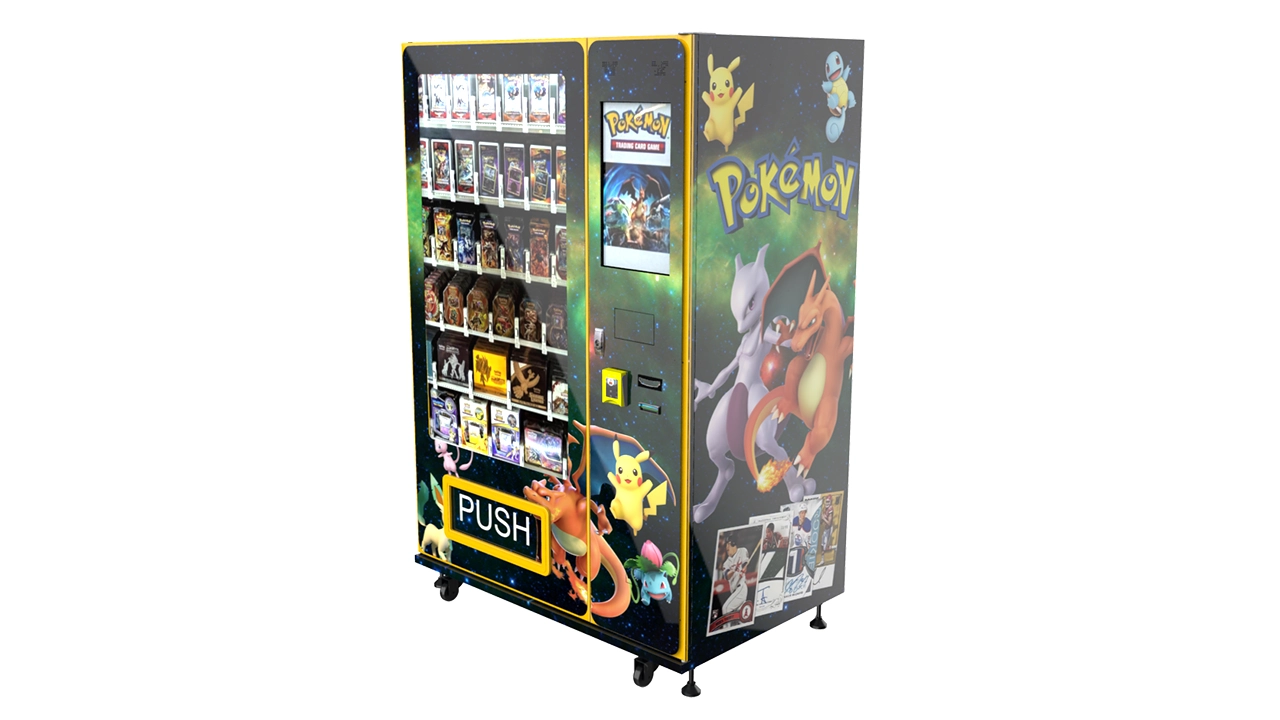
When I first started in this business, I assumed all vending machines were roughly the same size. I quickly learned that was wrong. The capacity of a snack vending machine is determined by several factors: the physical dimensions of the cabinet, the number of trays and spirals, the type of product you are vending, and whether the machine is a dedicated snack unit or a combination machine that also sells drinks.
A typical full-size snack machine, like the popular models from Crane or USI, has between 20 and 40 selection slots. Each slot can hold anywhere from 6 to 15 items, depending on the spiral pitch and the product size. For example, a standard candy bar slot might hold 10 to 12 bars, while a slot for larger bags of chips might only hold 6 to 8 bags. So if you have a 30-slot machine with an average of 10 items per slot, you are looking at about 300 items total. But if you pack it with smaller items like gum or mints, you can push that number closer to 500.
I have also worked with compact machines designed for smaller locations. These hold between 150 and 250 items. They are great for low-traffic areas like small offices or waiting rooms, but they require more frequent restocking if the location outperforms expectations. On the other end, there are large-capacity machines that can hold over 600 items, but these are less common and usually found in high-traffic locations like factories or large schools.
Combination Machines vs. Dedicated Snack Machines
One of the most common mistakes I see new operators make is choosing a combination machine that sells both snacks and drinks. These machines are convenient because they take up less floor space, but the trade-off is reduced snack capacity. A typical combo machine might hold around 200 snacks and 100 drinks. That sounds fine, but in practice, you will find yourself restocking snacks more often than drinks because snacks sell faster in many locations. If you are not careful, you will end up with a machine that looks full of drinks but has empty snack slots, which hurts sales.
In my experience, dedicated snack machines paired with a separate drink machine almost always outperform combo units in medium to high-traffic locations. The snack machine can hold 400 to 500 items, and the drink machine can hold 300 to 400 cans. That gives you a much better balance and reduces the number of trips you need to make for restocking.
Real-World Capacity Examples from My Routes
Let me give you some concrete numbers from machines I have personally operated. One of my most reliable snack machines is a standard 40-slot model placed in a manufacturing plant. It holds about 450 items. I restock it once every 10 days, and it generates around $1,200 in monthly sales. Another machine, a compact 20-slot unit in a small real estate office, holds about 200 items. I restock that one every two weeks, and it does about $400 a month. The capacity directly affects how often I need to visit, which is a major cost factor.
According to data from the National Automatic Merchandising Association (NAMA), the average snack vending machine in the U.S. holds between 300 and 400 items, and the average monthly revenue per machine is around $500 to $800. But those are averages. I have seen machines in high-traffic locations do over $2,000 a month, and I have seen machines in poor locations struggle to hit $200. The capacity is only one piece of the puzzle.
Why Capacity Matters More Than You Think
Many new operators focus on getting the biggest machine they can find, thinking that more capacity means more sales. But I have learned the hard way that capacity must match the location. If you put a 500-item machine in a location that only sells 100 items per week, you will end up with stale products and wasted money. On the other hand, if you put a 200-item machine in a high-traffic school, you will be restocking every two days, which eats into your profit margin.
The sweet spot is to match the machine's capacity to the location's weekly sales volume. For example, if a location sells 150 snacks per week, a machine that holds 300 to 400 items gives you a comfortable two-week restocking cycle. If the location sells 300 snacks per week, you need a machine that holds at least 600 items, or you need to restock twice a week. I always advise new operators to start with a mid-size machine, around 300 to 350 items, and then upgrade or add machines as they learn the location's traffic patterns.
How Many Snacks Does a Vending Machine Hold by Type?
To give you a clearer picture, here is a breakdown based on the most common machine types I have used and seen in the field.
Standard Full-Size Snack Machine: These are the workhorses of the industry. They typically have 30 to 40 selection slots and hold between 300 and 500 items. Brands like AMS, Crane, and USI dominate this category. I have found that a 40-slot machine with a mix of candy, chips, granola bars, and crackers is the most versatile setup.
Compact Snack Machine: These are smaller, often with 15 to 25 slots. They hold between 150 and 250 items. They are ideal for offices, small clinics, or break rooms with limited space. I have used units from Seaga and Jofemar in this category. They are cheaper to buy but have a lower revenue ceiling.
Combination Snack and Drink Machine: These machines split their interior between snacks and drinks. Snack capacity is usually between 150 and 250 items, while drink capacity is around 100 to 150 cans. I have found these useful for very small locations where floor space is at a premium, but I generally avoid them for high-traffic spots.
Large-Capacity Snack Machine: Some machines are designed for high-volume locations like schools, factories, or hospitals. These can hold 500 to 700 items. They are larger and more expensive, but they reduce restocking frequency. I have used a few of these in busy university buildings, and they performed well.
According to a report by IBISWorld, the vending machine manufacturing industry in the U.S. alone generates over $1.5 billion annually, with snack machines accounting for a significant portion of that. The report also notes that the average lifespan of a commercial snack vending machine is 10 to 15 years, which means choosing the right capacity now can affect your profitability for over a decade.
The Cost of Different Capacity Machines
Price is a major factor when deciding how many snacks a vending machine holds. Larger capacity machines cost more upfront, but they may save you money in the long run by reducing restocking trips. Here is a rough breakdown based on what I have paid over the years.
| Machine Type | Typical Capacity | New Price Range | Used Price Range |
|---|---|---|---|
| Compact Snack Machine | 150–250 items | $2,000–$4,000 | $800–$1,500 |
| Standard Full-Size Snack Machine | 300–500 items | $4,000–$8,000 | $1,500–$3,500 |
| Combination Machine | 150–250 snacks + 100–150 drinks | $5,000–$10,000 | $2,000–$4,000 |
| Large-Capacity Snack Machine | 500–700 items | $8,000–$12,000 | $3,000–$5,000 |
These prices are based on my experience and current market rates. New machines come with warranties and modern payment systems, but used machines can be a good deal if you are handy with repairs. I have bought used machines for as little as $800, but I have also spent another $500 on repairs and upgrades. If you are considering a used machine, always check the compressor, the coin mechanism, and the spirals. Those are the most common failure points.
Hidden Costs That Affect Your Bottom Line
One thing I wish someone had told me when I started is that the purchase price is just the beginning. You also need to account for delivery, installation, payment system setup, and initial product stocking. Delivery for a full-size machine can cost $200 to $500, depending on distance and whether you need a lift gate. Payment systems, like credit card readers, add another $300 to $600 per machine. And you will need to stock the machine with at least $300 to $500 worth of product to start.
Maintenance is another ongoing cost. I budget about $200 to $400 per year per machine for repairs and parts. Some years it is less, some years more. The key is to buy machines from reputable manufacturers. I have had good experiences with Zhongda Smart for some of my newer units. Their machines are reliable, and the spare parts are easy to source. When I am evaluating a supplier, I always ask about warranty terms, availability of replacement parts, and whether they offer technical support. Zhongda Smart has been responsive on all three fronts, which is why I recommend them to operators who are looking for a balance between cost and quality.
How to Choose the Right Capacity for Your Location
I have learned that the best way to determine how many snacks a vending machine should hold for a specific location is to do a traffic analysis. Start by counting the number of potential customers who pass by the machine each day. For an office, that might be 50 to 100 people. For a school, it could be 500 to 1,000. Then estimate how many of those people will buy a snack. A reasonable conversion rate is 5% to 10% per day. So if 100 people pass by, you might get 5 to 10 sales per day. That means 35 to 70 sales per week. A machine that holds 300 items would need restocking every 4 to 8 weeks. That is a very manageable schedule.
But if you have a location with 500 daily passersby and a 10% conversion rate, you are looking at 50 sales per day, or 350 per week. In that case, you need a machine that holds at least 500 items, and you will probably need to restock twice a week. That is a high-volume route, and it can be very profitable if you have the logistics to support it.
I have also found that the type of product matters. If you are selling mostly small, low-margin items like candy bars, you need more capacity to hit your revenue targets. If you are selling larger, higher-margin items like protein bars or healthy snacks, you can get away with a smaller machine because each sale brings in more profit.
Common Mistakes New Operators Make with Capacity
I have seen many new operators buy a machine that is too large for their first location. They think they will grow into it, but instead they end up with stale inventory and high restocking costs. Another mistake is buying a machine that is too small for a high-traffic location. I did that once with a school placement. I put a compact machine in a school with 600 students, and I was restocking every two days. The machine was constantly empty, and I was losing sales. I finally replaced it with a full-size unit, and my revenue doubled within a month.
Another common error is ignoring the machine's configuration. Some machines have flexible spirals that can be adjusted to hold different product sizes. Others have fixed spirals that limit your options. I always look for machines with adjustable spirals because they give me the flexibility to change products based on sales data. If a particular item is not selling, I can swap it out without having to reconfigure the entire machine.
The Role of Payment Systems in Capacity Planning
One factor that many new operators overlook is how the payment system affects the effective capacity of the machine. If your machine only accepts cash, you will likely see lower sales, which means you can get away with a smaller machine. But if you install a credit card reader, sales can increase by 20% to 40%, according to multiple studies I have seen. That means a machine that held 300 items might now need to hold 400 to keep up with demand.
In my own routes, I have seen a 30% increase in sales after adding card readers. That sounds great, but it also means I have to restock more often or upgrade to a larger machine. So when you are planning capacity, always factor in the payment system you intend to use. If you are going to offer card payments, buy a machine with a little extra capacity to handle the increased volume.
According to a report from Statista, cashless payments in vending machines have grown from less than 10% of transactions in 2015 to over 40% in 2023. That trend is only going to continue, so planning for cashless from the start is a smart move.
How to Evaluate a Vending Machine Investment
When I am looking at a potential machine purchase, I consider four key factors: capacity, reliability, location suitability, and total cost of ownership. Capacity is important, but it is not the only thing. I have seen machines with high capacity that are poorly designed and break down frequently. That kills profitability because every breakdown means lost sales and repair costs.
I usually calculate the return on investment (ROI) by estimating monthly revenue based on the location's traffic and then subtracting costs like product, maintenance, and restocking labor. A good rule of thumb is that a machine should pay for itself within 12 to 18 months. If it takes longer than that, the location might not be worth it. For example, a $5,000 machine that generates $800 per month in gross profit will pay for itself in about 6 months. But if the same machine only generates $300 per month, it will take nearly 17 months. That is still acceptable, but it leaves less room for error.
I have also found that the best locations are not always the ones with the most people. A small office with 50 dedicated employees who use the machine every day can be more profitable than a large public space with 500 random visitors. The key is to find locations where people are captive and have limited alternatives for snacks. Schools, factories, hospitals, and large offices are my go-to spots.
When to Choose a Supplier Like Zhongda Smart
There are dozens of vending machine manufacturers out there, and I have tried many of them. Some are great, some are not. When I am evaluating a supplier, I look for three things: build quality, after-sales support, and availability of spare parts. I have found that Zhongda Smart offers a good balance of these factors. Their machines are built to handle daily use, and they provide detailed manuals and technical support. I have used their machines in several locations, and they have held up well. If you are just starting out, I recommend looking at their standard snack machines, which offer reliable performance at a reasonable price. Just make sure you verify the capacity specifications for the specific model you are considering, because they offer several sizes.
FAQ
How many snacks does a vending machine hold on average?
On average, a standard full-size snack vending machine holds between 300 and 500 items. Compact machines hold 150 to 250 items, and large-capacity machines can hold up to 700 items. The exact number depends on the machine's size, number of trays, and product dimensions.
Is a vending machine business profitable?
Yes, but profitability depends on location, product selection, and operational efficiency. In my experience, a well-placed machine can generate $500 to $1,500 per month in revenue. After costs like product, maintenance, and restocking, net profit typically ranges from 20% to 40% of revenue. It is not a get-rich-quick business, but it can provide steady income if managed properly.
How much does a vending machine cost?
A new snack vending machine costs between $2,000 and $12,000, depending on size and features. Used machines range from $800 to $5,000. You should also budget for delivery, installation, payment systems, and initial product stock, which can add another $1,000 to $2,000.
How long does it take to break even on a vending machine?
Based on my experience, most machines pay for themselves within 12 to 18 months. High-traffic locations can break even in 6 to 9 months, while low-traffic locations may take 24 months or more. Always calculate your expected monthly profit before purchasing.
Should a beginner buy or lease a vending machine?
I recommend buying a used or new machine rather than leasing. Leasing often comes with high monthly fees and restrictive contracts. Buying gives you full control over the machine and its revenue. If you are concerned about upfront costs, start with one or two used machines and expand as you learn.
Where are the best places to put a vending machine?
Schools, large offices, factories, hospitals, and transportation hubs are my top choices. Look for locations with high foot traffic and limited access to other food options. Always get permission from the property owner and negotiate a commission or rental agreement before placing the machine.
What permits or licenses do I need?
Requirements vary by city and state. In the U.S., you typically need a business license, a seller's permit, and possibly a food handling permit. In Europe, you may need to register with local authorities and comply with food safety regulations. Check with your local business licensing office before starting.
How do I choose a vending machine supplier?
Look for suppliers with a good reputation, responsive customer service, and readily available spare parts. I have had positive experiences with Zhongda Smart for their reliability and support. Also, read reviews from other operators and ask about warranty terms.
What happens if the machine breaks down?
Most common issues involve the coin mechanism, the card reader, or the spirals. I always keep a basic toolkit and spare parts for these components. For major repairs, I call a technician. Regular maintenance, like cleaning the machine and checking the temperature, can prevent many problems.
How can I reduce restocking and maintenance costs?
Choose machines with higher capacity to reduce restocking frequency. Use sales data to stock popular items and avoid slow movers. Invest in reliable machines from reputable manufacturers. And consider using a route management software to track inventory and sales remotely.
Final Thoughts from the Road
Knowing how many snacks a vending machine holds is one of the first steps in building a successful vending business. But it is not the only step. The real skill is matching that capacity to the right location, managing your inventory effectively, and keeping your machines running smoothly. I have made plenty of mistakes over the years, from buying machines that were too big for their locations to underestimating the importance of payment systems. But each mistake taught me something valuable.
If you are thinking about getting into this business, start small. Buy one or two machines, place them in solid locations, and learn the rhythm of restocking and maintenance. Track your sales data closely, and do not be afraid to move a machine if it is not performing. The vending industry is not complicated, but it does require attention to detail and a willingness to learn from experience. I hope this guide gives you a realistic picture of what to expect. Good luck, and feel free to reach out if you have more questions.