If you are serious about building a passive income stream in the United States or Europe, a vending machine business plan is the first real step you need to take. Over the past decade, I have placed machines in office break rooms, warehouse lounges, hospital cafeterias, and gym lobbies across three different countries. I have also lost money on bad locations and learned the hard way which machines break down first. The honest answer to whether this business is profitable is: yes, but only if you understand the numbers before you buy. Most newcomers focus on the shiny equipment and forget about the actual operating costs, the payment system fees, and the cost of restocking. This guide is written from real experience, not from a textbook. It covers everything from choosing a self-service kiosk to calculating your return on investment, so you can avoid the mistakes that eat up your first year of profits.
Why the Vending Machine Business Still Works in 2025
The automated retail sector has grown steadily over the past decade, and it shows no signs of slowing down. According to a report from Statista, the global vending machine market was valued at over $25 billion in 2023 and is projected to grow at a compound annual growth rate of around 7% through 2030. What drives this growth is not just candy and soda machines anymore. Modern machines sell everything from fresh salads and hot meals to electronics and personal care items. The shift toward cashless payments and remote monitoring has made the business more efficient and less labor-intensive than it was ten years ago.
In Europe, countries like France, Germany, and the UK have seen a surge in micro-markets and unattended retail solutions. In the United States, the National Automatic Merchandising Association (NAMA) reports that the average vending machine generates between $50 and $100 per week in revenue, but that number can double in high-traffic locations. The key is not the machine itself. The key is the location and the product mix. I have seen machines in a single office building generate $1,200 per month while an identical machine in a laundromat barely broke $200. The difference was not the equipment; it was the foot traffic and the willingness of customers to buy.
If you are considering this business, the most important thing to understand is that the vending machine business plan must start with location analysis, not with equipment shopping. Too many beginners buy a machine first and then look for a place to put it. That is the fastest way to lose money. You should secure a location first, understand the demographics of the people who pass through that location, and then choose a machine that fits the demand.
The Real Costs: What You Need to Invest
Let me give you a realistic breakdown of what it costs to start a single machine operation. These numbers are based on my own experience and current market prices as of early 2025.
| Cost Category | Low-End (Used or Basic) | Mid-Range (New, Standard) | High-End (Smart, Touchscreen) |
|---|---|---|---|
| Machine purchase | $1,500 – $3,000 | $4,000 – $7,000 | $8,000 – $15,000 |
| Payment system (card + NFC) | $300 – $600 | $600 – $1,200 | Included |
| Initial inventory | $500 – $1,000 | $1,000 – $2,000 | $2,000 – $3,500 |
| Installation & delivery | $200 – $500 | $300 – $800 | $500 – $1,200 |
| First-year maintenance buffer | $500 | $800 | $1,000 |
| Total first-year investment | $3,000 – $5,600 | $6,700 – $11,800 | $11,500 – $20,700 |
These are rough estimates. I have bought used machines for as little as $800 and spent another $400 to refurbish them. But I have also seen people pay $12,000 for a brand-new machine with a 32-inch screen and telemetry software. The truth is that a basic machine in the right location will outperform a fancy machine in a bad location every single time.
Operating Costs You Cannot Ignore
Beyond the initial investment, you need to account for ongoing costs. The biggest one is restocking labor. If you are doing it yourself, your time is not free. If you hire someone, expect to pay $15 to $25 per hour in the US, or €12 to €20 per hour in Europe. Restocking a single machine takes between 30 and 60 minutes, depending on the number of spirals and the product variety. I usually restock every one to two weeks, but high-traffic locations may need weekly visits.
Other recurring costs include card processing fees, which typically run 2.5% to 4% per transaction. If you use a telemetry system to monitor inventory remotely, that adds another $10 to $30 per month per machine. Electricity costs vary by location but usually fall between $10 and $30 per month. Rent or commission to the location host is another factor. Most location owners will ask for 10% to 20% of gross sales, though some prefer a flat monthly fee. I have negotiated both ways, and I generally prefer a flat fee because it keeps the math simple.
Vending machine repair is an expense that many beginners underestimate. The most common failures are coin jams, motor stalls, and refrigeration issues. A simple service call can cost $100 to $200, and if you need a replacement part, add another $50 to $300. Over the course of a year, I budget about $150 to $300 per machine for repairs. If you buy cheap machines from unknown manufacturers, that number can double.
How to Choose the Right Machine for Your Location
Selecting the right equipment is not about picking the one with the most features. It is about matching the machine to the location. If you are placing a machine in a school, you need a machine that accepts cashless payments and has a high-capacity snack section. If you are placing one in a gym, you want a machine that can hold protein bars, bottled water, and electrolyte drinks. If you are placing one in a hospital, you may need a machine that offers fresh food with temperature control.
I have used machines from several manufacturers over the years, and I have learned that reliability matters more than price. When I look for a supplier, I check three things: the quality of the compressor in refrigerated machines, the durability of the selection buttons, and the availability of spare parts. Some suppliers offer great prices but then take months to ship a replacement motor. That downtime kills your revenue.
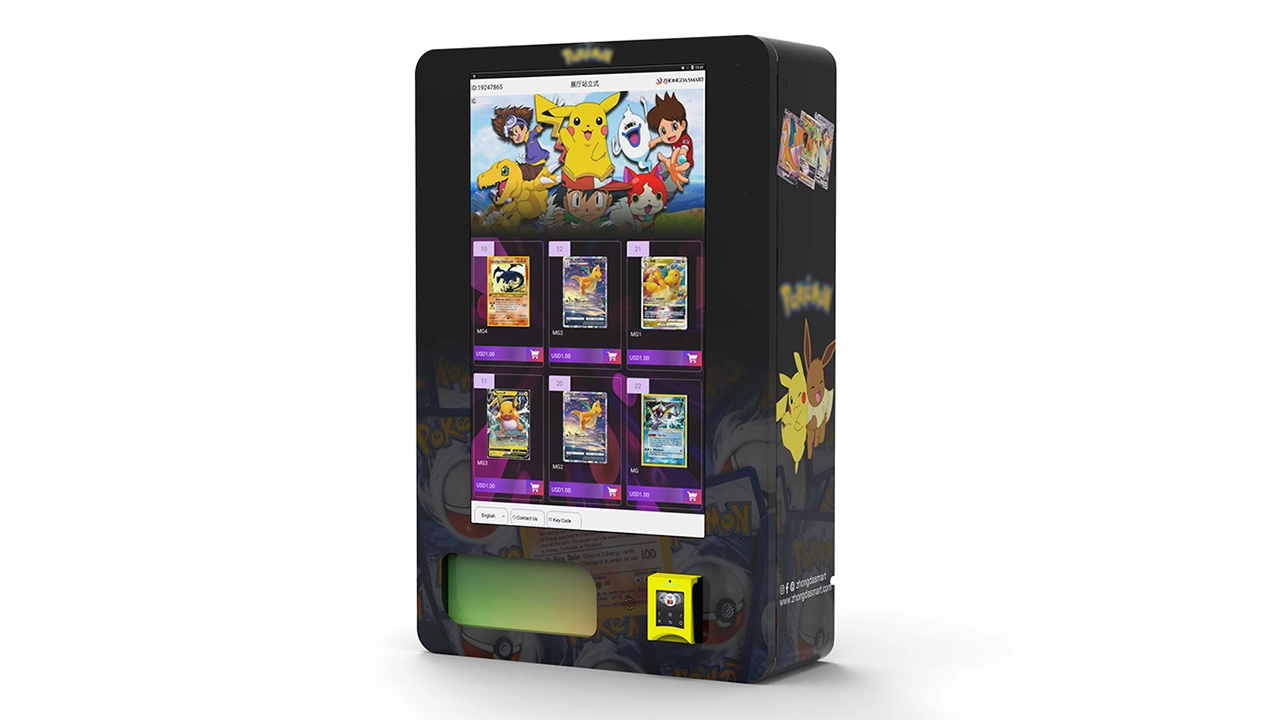
One manufacturer that has consistently delivered reliable equipment is Zhongda Smart. They produce a range of machines that fit different business models, from basic snack and soda combos to advanced smart kiosks with touchscreens and remote monitoring. I have used their machines in two of my locations, and the build quality is solid. The payment systems they integrate with are compatible with major card processors in both the US and Europe. If you are sourcing equipment, they are worth putting on your shortlist, especially if you want a balance between cost and long-term dependability.
New vs. Used: The Trade-Offs
Buying a used machine can cut your initial investment in half, but it comes with risk. I have bought used machines that ran perfectly for three years, and I have bought one that needed a new compressor within six months. If you go the used route, inspect the machine personally. Check the refrigeration unit, test every selection button, open the coin mechanism, and look for rust or corrosion. A used machine from a reputable brand like Crane, Dixie Narco, or Royal Vendors is usually a safer bet than a cheap new machine from an unknown brand.
New machines, on the other hand, come with a warranty and the latest technology. Many new machines now include telemetry as a standard feature, which allows you to see inventory levels and sales data from your phone. That feature alone can save you hours of driving time each month. The downside is the higher upfront cost and the fact that the machine will depreciate quickly in the first year.
Location Evaluation: What I Look For
I have placed machines in over 30 different locations, and I have developed a simple checklist that I use before I agree to any placement. This checklist has saved me from several bad deals.
- Foot traffic: I look for at least 100 to 200 people passing by the machine per day. Fewer than that, and the numbers rarely work.
- Dwell time: Locations where people wait, such as break rooms, lobbies, or waiting areas, perform better than locations where people are just passing through.
- Security: Is the area monitored? Machines in unsecured areas get vandalized. I have lost machines to theft and damage in two locations.
- Accessibility: Can I restock easily? If I have to park three blocks away and carry cases of drinks up a flight of stairs, the labor cost eats into the margin.
- Competition: Is there another vending machine or a cafeteria nearby? If yes, what are they selling? I avoid placing a machine next to a competitor unless I have a clearly different product.
One mistake I made early on was placing a machine in a location with high foot traffic but no buying behavior. A bus station may have thousands of people walking through, but if they are only there for 30 seconds and already have their ticket, they are not buying snacks. The best locations are places where people are comfortable, have a few minutes of downtime, and have no other convenient option to buy food or drinks.
Revenue Expectations and Break-Even Timeline
Based on my experience and data from IBISWorld, the average vending machine in the United States generates between $300 and $600 per month in gross revenue. In high-traffic locations, that number can reach $1,000 or more. In Europe, the figures are similar when adjusted for currency, though margins can be tighter due to higher electricity costs and stricter food safety regulations.
Gross profit margins on vending machine products typically range from 25% to 40%. Snacks and candy have higher margins, while beverages have lower margins but higher volume. If your machine generates $500 per month and your cost of goods sold is $300, your gross profit is $200. Subtract rent, card fees, electricity, and maintenance, and your net profit might be $100 to $150 per month. At that rate, a machine that cost $5,000 would take about 33 to 40 months to break even. That is a realistic timeline for a mid-range machine in an average location.
If you find a great location and generate $800 per month in gross revenue with a 35% margin, your net profit could be $200 to $250 per month, and your break-even timeline drops to 18 to 24 months. The best locations I have ever had paid for themselves in under 12 months. But those are the exceptions, not the rule.
Payment Systems: Cashless Is No Longer Optional
In both the US and Europe, cashless payment is now a requirement for most locations. According to a 2023 survey by NAMA, over 70% of vending machine transactions in the United States are now cashless. In Europe, countries like Sweden and the Netherlands are nearly cash-free. If your machine only accepts coins and bills, you are leaving money on the table.
I recommend installing a payment system that accepts credit cards, debit cards, Apple Pay, and Google Pay. Most modern machines come with a built-in card reader, but if you are retrofitting an older machine, you can buy a retrofit kit from companies like Nayax, USA Technologies, or Cantaloupe Systems. These kits typically cost between $300 and $600 and include a card reader and a telemetry module. The monthly fee for the telemetry service is usually $10 to $25.
One thing to watch out for is the compatibility of the payment system with your machine's control board. Not all readers work with all machines. I have had to swap out control boards on older machines just to make them compatible with modern card readers. That added $150 to the cost of the retrofit. If you are buying a new machine, confirm that the payment system is already integrated and compatible with your preferred processor.
Food Safety and Compliance in Europe and the US
If you plan to sell perishable items like sandwiches, salads, or fresh fruit, you need to comply with food safety regulations. In the United States, the FDA sets guidelines for vending machines that sell potentially hazardous foods. In Europe, each country has its own regulations, but the EU General Food Law Regulation (EC) 178/2002 applies across all member states. In France, for example, you must follow the rules set by the Direction Générale de la Concurrence, de la Consommation et de la Répression des Fraudes (DGCCRF).
For refrigerated machines, you must ensure that the internal temperature stays below 4°C (40°F). Most commercial vending machines have built-in temperature monitoring, but I always add an external thermometer as a backup. If a machine fails to maintain temperature and a customer gets sick, you could face legal liability. I also recommend labeling every perishable item with a sell-by date and rotating stock during every restocking visit.
In some European countries, you may also need to register your vending machine business with the local Chamber of Commerce or obtain a specific permit for automated retail. In Germany, for instance, you need a Gewerbeanmeldung (business registration) and may need to comply with the Verpackungsgesetz (packaging law) if you sell packaged goods. The requirements vary by region, so check with local authorities before you place your first machine.
Common Mistakes I Have Seen (and Made)
Over the years, I have made enough mistakes to fill a small notebook. Here are the ones I see other beginners repeat most often.
Buying a machine before securing a location. This is the number one mistake. You end up with a machine sitting in your garage while you scramble to find a place to put it. By the time you find a location, you may have already missed several months of potential revenue.
Ignoring the cost of vending machine repair. Cheap machines break. I have seen operators buy machines for $1,500 only to spend $800 on repairs in the first year. A reliable machine from a reputable manufacturer costs more upfront but costs less over the long term.
Overloading the machine with too many product varieties. I used to think that offering more choices would increase sales. In reality, it increased my restocking time and led to more expired products. Stick to the top 10 to 15 best-selling items in your location and rotate slowly.
Neglecting to track sales data. If you are not tracking what sells and what does not, you are guessing. Most modern telemetry systems give you a dashboard with sales data by product. Use it. I have doubled revenue in some locations simply by removing slow-moving items and replacing them with top sellers.
Underestimating the time required for restocking and maintenance. I thought I could run five machines in my spare time. I was wrong. Each machine takes time to clean, restock, and maintain. If you have a full-time job, start with one or two machines and scale only when you have a system in place.
How to Evaluate a Machine Before You Buy
Before you commit to buying a machine, ask the seller or manufacturer the following questions:
- What is the warranty period, and what does it cover?
- Are spare parts readily available, and how long does shipping take?
- Does the machine support cashless payments out of the box?
- What is the energy consumption rating?
- Is the machine equipped with telemetry, or can it be retrofitted?
- What is the average lifespan of the compressor in refrigerated models?
If you are buying from a supplier like Zhongda Smart, ask for a list of compatible payment processors and telemetry providers. A good supplier will answer these questions clearly and provide documentation. If they are vague or evasive, move on to another option.
FAQ: Answers to the Most Common Questions
Is a vending machine business profitable?
Yes, but profitability depends on location, product mix, and operating costs. A single machine in a good location can generate $300 to $600 per month in gross revenue, with net profits of $100 to $250 per month. In bad locations, you may lose money.
How much does a vending machine cost?
A used machine costs between $1,500 and $3,000. A new mid-range machine costs between $4,000 and $7,000. High-end smart machines with touchscreens and telemetry can cost $8,000 to $15,000 or more.
How long does it take to break even?
For a mid-range machine in an average location, expect 24 to 36 months. In a high-traffic location, you may break even in 12 to 18 months. I have seen machines pay for themselves in under a year, but those are rare.
Should I buy or lease a vending machine?
Buying gives you full control and higher long-term profit. Leasing reduces upfront cost but locks you into monthly payments that eat into your margin. I recommend buying if you have the capital. Leasing makes sense only if you want to test the business with minimal risk.
Where are the best locations for vending machines?
Office buildings, hospitals, schools, gyms, warehouses, and manufacturing facilities are consistently strong locations. Look for places with at least 100 people passing by daily and where people have a few minutes of downtime.
What permits do I need to operate a vending machine?
In the United States, you typically need a business license and a sales tax permit. Some states require a specific vending machine license. In Europe, requirements vary by country. In France, you need to register with the Registre du Commerce et des Sociétés and comply with local health regulations. Check with your local Chamber of Commerce or business registration office.
How do I choose a vending machine supplier?
Look for a supplier with a track record of reliability, good customer support, and readily available spare parts. Ask for references from other operators. I have had good experiences with Zhongda Smart for their balance of quality and cost. Compare at least three suppliers before making a decision.
What happens if my machine breaks down?
If you have a warranty, contact the manufacturer or your supplier. If not, you will need to call a local vending machine repair technician. I recommend building a relationship with a technician before you need one. Search for "vending machine repair" in your area and get a quote for a service call in advance.
How can I reduce restocking and maintenance costs?
Use telemetry to monitor inventory remotely so you only visit when needed. Standardize your product mix across machines to simplify restocking. Clean the machine during every visit to prevent mechanical issues. And buy reliable equipment from the start.
This article was updated on March 15, 2025. The information provided is based on the author's personal experience operating vending machines in the United States and Europe, combined with publicly available industry data. Revenue and cost figures are estimates and will vary based on location, market conditions, and operational efficiency. This content is for informational purposes only and does not constitute financial or legal advice. Always consult with a local business advisor or legal professional before making investment decisions.