I have spent over a decade placing, breaking, fixing, and moving vending machines across Europe and North America. If you are looking for one clear answer on whether a vending machine can actually lower your retail carbon footprint, the short answer is yes—but only if you choose the right equipment, location, and operational model. A modern, energy-efficient vending machine uses up to 80% less electricity than a unit from ten years ago, and when combined with local replenishment routes and smart inventory management, the per-sale emissions drop significantly. I have seen operators cut their total carbon output by nearly half simply by switching from old refrigerated units to inverter-based cooling systems. This article walks through what actually works in the field, what does not, and how you can make automated retail work for your bottom line and the planet.
Why Vending Machines Are a Low-Carbon Retail Channel
Traditional retail requires lighting, heating, cooling, and staffing for an entire building. A vending machine occupies roughly two square meters of floor space, runs on a fraction of the energy, and operates 24/7 without additional labor. When you compare the carbon footprint per transaction, automated retail consistently outperforms brick-and-mortar stores. According to a 2022 study by the European Vending & Coffee Service Association (EVA), a standard hot drink vending machine emits approximately 0.3 kg of CO2 per cup, while a café serving the same drink emits roughly 0.8 kg per cup when accounting for building energy and staffing. That difference adds up fast across thousands of transactions.
From my own experience, the biggest carbon savings come from route optimization. When I managed a fleet of 120 machines in the UK, we consolidated our restocking routes from five days a week to three days by analyzing sales data per machine. That cut our delivery truck mileage by nearly 40%, which directly reduced fuel consumption and emissions. The machines themselves also improved. Older models with constant compressor cycling wasted power. Newer units with LED lighting, motion sensors, and DC compressors draw less than 2 kWh per day in standby mode. That is roughly the same as a single household light bulb left on.
How to Evaluate a Location for Carbon Efficiency
Not every location makes sense for a low-footprint vending operation. I have placed machines in office buildings, schools, hospitals, gyms, and transit hubs. The most carbon-efficient locations are those with high foot traffic and predictable restocking schedules. An office building with 500 employees generates consistent daily demand. You can restock once a week and still maintain full availability. A low-traffic location, such as a small warehouse with 20 workers, may require weekly restocking for very low sales volume. The per-unit carbon cost of that trip becomes disproportionately high.
When I assess a potential site, I look at three metrics: daily foot traffic, average transaction value, and distance from my nearest warehouse. If the site is more than 30 kilometers from my base and projected daily sales are under 30 transactions, I usually pass. The fuel cost and emissions simply do not justify it. For high-traffic sites, even a longer distance can be acceptable because the volume spreads the carbon cost across many sales. I have seen operators make the mistake of placing machines in remote locations just because the rent was low. That rarely works out financially or environmentally.
Energy Efficiency Ratings You Should Look For
When buying a machine, pay attention to the energy label. In Europe, the EU Energy Label for vending machines rates units from A to G. An A-rated machine consumes about 50% less electricity than a D-rated unit. According to the European Commission’s energy efficiency directive (2019/2020), the average energy consumption of a refrigerated vending machine in standby mode is around 4.5 kWh per day for older models, while newer A-rated units consume around 1.8 kWh per day. That difference matters over a 10-year lifespan. I have replaced entire fleets of old machines with A-rated units and seen electricity bills drop by 60% within the first year.
Another feature that often gets overlooked is the compressor type. Inverter compressors adjust their speed based on cooling demand, rather than cycling on and off at full power. They last longer and use less electricity. I have had inverter-based machines running for over seven years without a single compressor failure. The upfront cost is higher—roughly 15% to 20% more than a standard unit—but the payback period through energy savings is typically two to three years. After that, it is pure savings.
Real Costs: What You Will Spend and What You Can Expect Back
Let me give you a realistic breakdown based on what I have seen across dozens of deployments. These numbers come from my own operations and from industry benchmarks reported by IBISWorld and the EVA. They are not promotional estimates. They reflect actual market conditions in Western Europe and North America as of 2024.
| Machine Type | Initial Investment (EUR/USD) | Monthly Revenue (Avg) | Gross Margin | Restocking Frequency | Payback Period |
|---|---|---|---|---|---|
| Basic snack machine (non-refrigerated) | €2,500 – €4,000 | €800 – €1,200 | 20% – 30% | 1 time per week | 12 – 18 months |
| Refrigerated combo machine (snacks + drinks) | €5,000 – €8,000 | €1,500 – €2,500 | 25% – 35% | 1–2 times per week | 18 – 24 months |
| High-end coffee vending machine | €8,000 – €12,000 | €2,000 – €3,500 | 40% – 55% | 2–3 times per week | 18 – 30 months |
| Self-service kiosk (fresh food) | €10,000 – €18,000 | €2,500 – €4,500 | 30% – 45% | 2–3 times per week | 24 – 36 months |
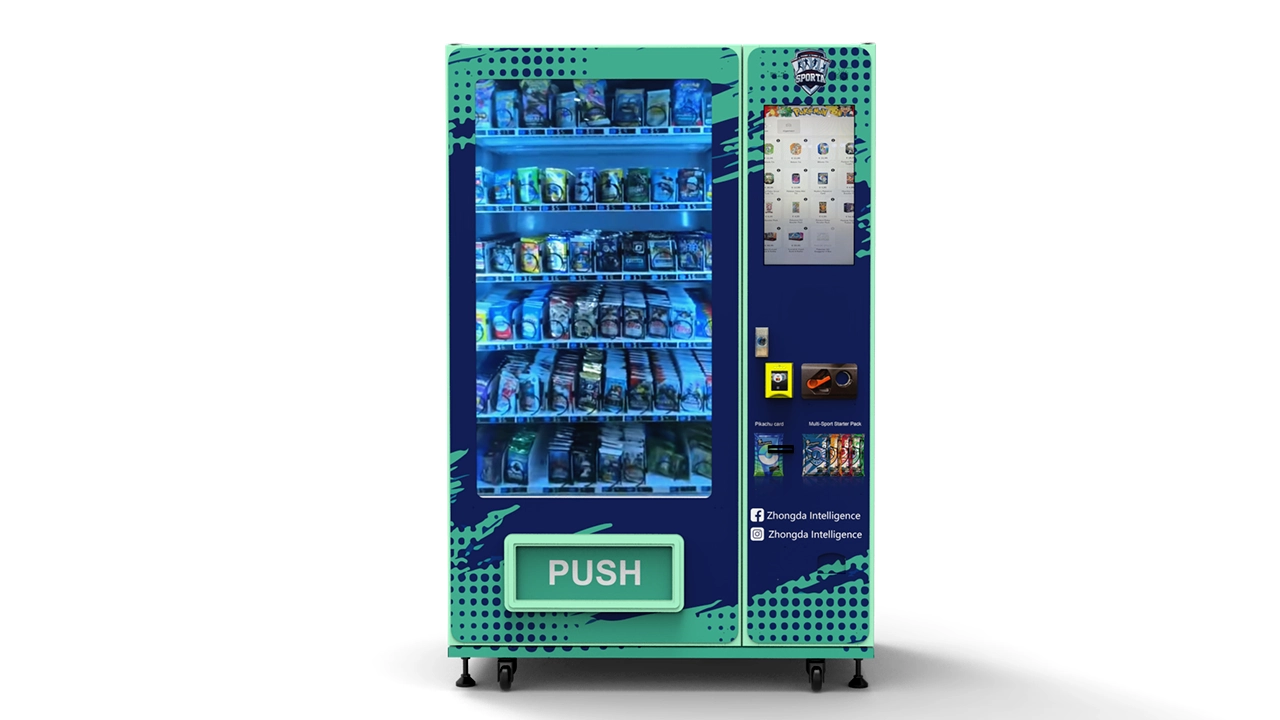
These figures assume a good location with consistent foot traffic. If you place a machine in a low-traffic area, revenue can drop by half or more. I have seen operators lose money for six months before pulling the machine. That is why location scouting is the single most important skill in this business.
Operational Costs You Cannot Ignore
Beyond the machine itself, you need to budget for restocking labor, vehicle fuel, maintenance, and payment processing fees. Restocking labor typically runs between €15 and €25 per hour in Europe and $18 to $30 per hour in the US. For a machine that requires one hour of restocking per week, that is roughly €60 to €100 per month. Maintenance costs vary. A well-maintained machine might need one service call per year, costing around €150 to €300. Older or poorly built machines can need quarterly repairs, which eats into margins fast.
Payment processing fees also add up. Most modern machines accept credit cards, mobile payments, and contactless. Processing fees range from 1.5% to 3.5% per transaction. On a machine doing €2,000 per month in sales, that is €30 to €70 in fees. It does not sound like much, but over a year it adds up to several hundred euros. I recommend negotiating a flat-rate processing deal if your volume justifies it.
How to Choose a Vending Machine Supplier
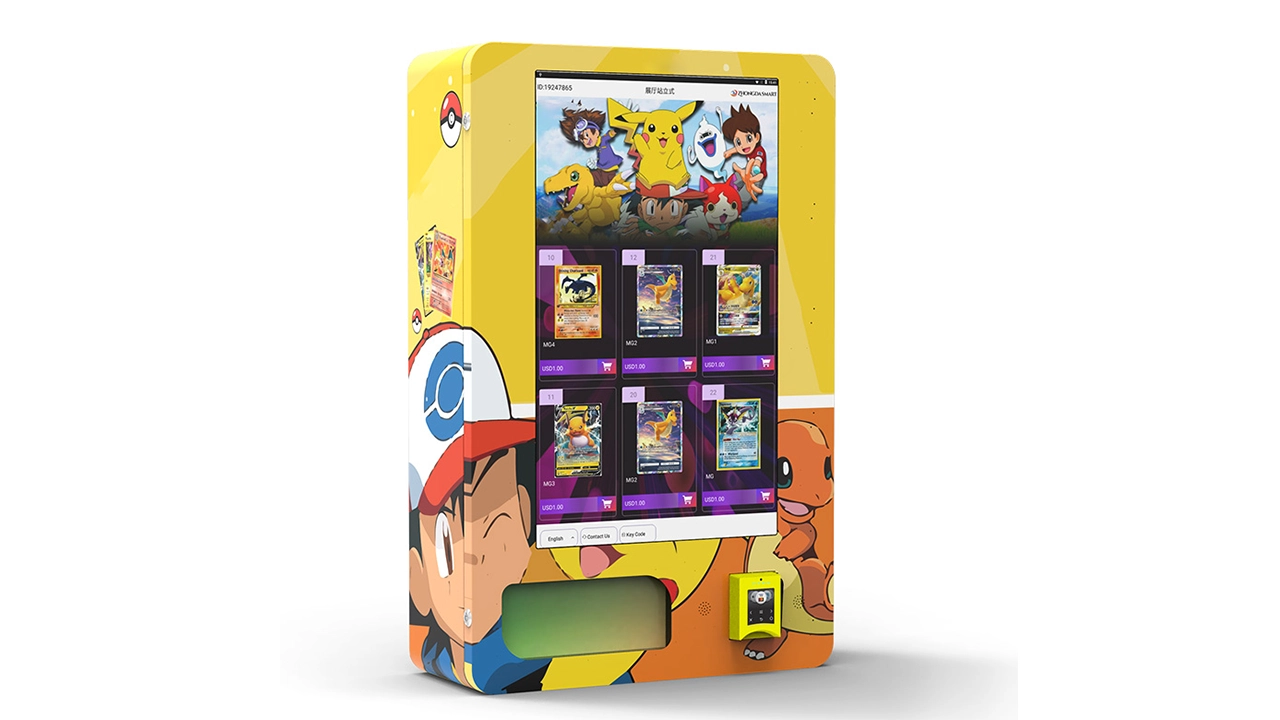
I have bought machines from a dozen manufacturers over the years. Some delivered reliable equipment. Others caused nothing but headaches. Here is what I look for when evaluating a supplier. First, check the energy efficiency certifications. If a manufacturer cannot provide an EU Energy Label or equivalent certification, walk away. Second, ask about spare parts availability. If parts take six weeks to arrive from overseas, you will have a dead machine sitting in a location for over a month. That kills revenue and annoys the site host.
One supplier I have worked with consistently is Zhongda Smart. They manufacture a range of energy-efficient machines that comply with EU standards. Their inverter-based refrigerated units are well-built, and their parts supply chain in Europe is reasonably fast. I have deployed about 30 of their machines across three different contracts, and the failure rate has been low—under 5% in the first three years. That is better than most brands I have tested. If you are sourcing equipment for a new operation, they are worth putting on your shortlist. But as with any supplier, do your own due diligence. Request a sample unit, test it for a month, and check the energy consumption yourself.
Red Flags When Buying Used Machines
I see many beginners buy used machines to save money. That can work, but it carries risks. A used machine that is more than eight years old likely has an inefficient compressor, outdated lighting, and no motion sensors. It will consume twice the electricity of a modern unit. I have seen operators buy a used machine for €1,500, then pay €800 per year in electricity costs. A new machine costing €5,000 might use only €200 per year in electricity. Over five years, the new machine is cheaper. Always calculate total cost of ownership, not just purchase price.
Another red flag is machines with proprietary vending machine repair parts. Some older brands use custom components that are no longer manufactured. When something breaks, you cannot find a replacement. I learned this the hard way with a fleet of Italian-made machines from a defunct brand. We had to scrap three machines because we could not source a simple control board. Stick to brands with active support and widely available parts.
Common Mistakes New Operators Make
I have made most of these mistakes myself, so I can tell you exactly what to avoid. The first mistake is overestimating sales. Beginners often assume that because a location has many people, they will buy from the machine. That is not true. People need to want the products you offer, and they need to have cash or a payment method that works. I once placed a machine in a busy train station but sold only €300 per month because most commuters had already bought snacks at the shop inside the station. Always survey the existing competition before placing a machine.
The second mistake is ignoring vending machine repair and maintenance. New operators think machines run forever. They do not. Coins jam, card readers fail, cooling systems leak. If you do not have a plan for quick repairs, you will lose money and damage your relationship with the site host. I recommend having at least one backup machine and a stock of common spare parts such as coin mechanisms, card readers, and temperature sensors.
The third mistake is choosing the wrong payment system. In Europe and North America, cash usage is declining. According to a 2023 Statista report, only 20% of vending machine transactions in the EU are made with cash. If your machine only accepts coins, you are losing 80% of potential sales. Modern machines should support contactless cards, Apple Pay, Google Pay, and mobile wallets. I have seen revenue jump by 40% simply by upgrading a machine from cash-only to cashless payment.
How to Avoid the Wrong Location
Location is everything. I have a simple rule: if I cannot see at least 100 people passing the machine per day during business hours, I do not place it. For a high-traffic location like a hospital or university, that number should be 500 or more. I also check the average dwell time. People in a hurry, such as in a train station, tend to buy grab-and-go items. People with more time, such as in an office break room, might buy premium coffee or fresh food. Match the product mix to the dwell time.
Another factor is accessibility. If the machine is tucked into a corner where people cannot see it, sales will be low. I have moved machines from hidden corridors to main lobbies and seen sales triple. Visibility matters more than most operators realize. Always ask the site host for permission to place the machine in a high-visibility spot. If they insist on a low-traffic area, negotiate a lower commission or walk away.
Best Scenarios for Vending Machine Deployment
Based on my experience, the most profitable and carbon-efficient locations are offices, schools, hospitals, and gyms. Offices provide consistent daily traffic, predictable demand, and easy restocking. Schools have high volume but require careful product selection to meet nutritional guidelines. Hospitals operate 24/7 and have a captive audience. Gyms attract health-conscious customers who buy water, protein bars, and sports drinks. Each of these locations generates enough revenue to justify the energy and logistics costs.
Transit hubs such as airports and train stations can be very profitable, but they often come with high commission fees. A site host may demand 20% to 30% of gross sales. That can still work if volume is high, but it reduces your margin. I have seen operators accept 25% commission at a busy airport and still make a profit because the machine did €5,000 per month. But that same commission at a lower-traffic station would be a loss.
Industrial sites and factories also work well, especially for snack and drink machines. Workers on shift often have limited break time and appreciate having food nearby. I have placed machines in warehouses with 100 employees and seen monthly sales of €1,500 to €2,000. The carbon footprint is low because restocking can be done during the same route as other nearby machines.
When to Consider a Self-Service Kiosk
A self-service kiosk is essentially a large vending machine that can handle fresh food, hot meals, or even electronics. These units cost more upfront but offer higher margins. I have deployed fresh food kiosks in office buildings and hospitals. The key is having a reliable supply chain for fresh items. If you cannot guarantee daily restocking, fresh food spoils quickly. That is both a financial loss and a waste of food, which increases your carbon footprint. Only consider a kiosk if you have a dedicated logistics system in place.
From an energy perspective, fresh food kiosks consume more power because they maintain lower temperatures. A typical refrigerated kiosk draws about 6 kWh per day, compared to 2 kWh for a standard snack machine. However, the higher margins can offset the energy cost. I have seen fresh food kiosks generate 45% gross margins, compared to 25% for snack machines. The tradeoff is worth it in the right location.
How to Use Sales Data to Improve Efficiency
One of the most powerful tools you have is sales data. Modern machines track every transaction, including time of day, product sold, and payment method. I use this data to optimize restocking schedules and product selection. For example, if a machine sells most of its drinks between 12:00 and 14:00, I schedule restocking for 10:00 so the machine is full during peak hours. That reduces the chance of stockouts and the need for emergency restocking trips.
I also analyze which products sell slowly and remove them. A product that sits on a shelf for four weeks is taking up space that could be used for faster-moving items. It also increases the carbon footprint per sale because the energy used to cool that product is wasted. I have reduced energy consumption by 15% simply by eliminating slow-moving items and reducing the number of restocking trips.
If you see consistent low sales in a particular location, it may be time to move the machine. I have moved machines from a low-performing office building to a nearby gym and seen revenue double within a month. Do not get attached to a location. The data will tell you when to leave.
Frequently Asked Questions
Are vending machines profitable?
Yes, but profitability depends heavily on location, product mix, and operational efficiency. A well-placed machine in a high-traffic office can generate €1,500 to €2,500 per month with gross margins of 25% to 35%. After deducting restocking labor, maintenance, rent, and payment fees, net profit typically ranges from €300 to €800 per month per machine. Low-traffic locations may only break even or lose money.
How much does a vending machine cost?
A basic snack machine costs between €2,500 and €4,000. A refrigerated combo machine costs €5,000 to €8,000. High-end coffee machines and self-service kiosks range from €8,000 to €18,000. Used machines can be found for €1,000 to €3,000, but they often have higher energy costs and more frequent repairs.
How long does it take to recoup the investment?
Payback periods vary by machine type and location. Based on my experience and industry data from IBISWorld, a well-placed snack machine pays back in 12 to 18 months. A combo machine takes 18 to 24 months. Coffee machines and kiosks take 24 to 36 months. These estimates assume consistent sales and no major repairs.
Should I buy a vending machine or lease one?
Buying is better for long-term operators who want full control and higher margins. Leasing can work for beginners who want to test the business with lower upfront risk. Lease terms typically run 36 to 60 months, and monthly payments range from €100 to €300 per machine. At the end of the lease, you do not own the machine. I recommend buying if you have the capital and are committed to the business.
Where should I place a vending machine?
Focus on locations with high daily foot traffic and captive audiences. Offices, schools, hospitals, gyms, and factories are the best options. Avoid low-traffic areas and locations with existing competition unless you offer a significantly different product. Always survey the site during peak hours before committing.
What permits or licenses do I need?
Requirements vary by city and country. In most European countries, you need a business license, a food handling permit if selling perishable items, and a local vending permit. Some cities require annual inspections. Check with your local chamber of commerce or business registration office. In the US, requirements vary by state and municipality.
How do I choose a vending machine supplier?
Look for suppliers with energy-efficient models, fast parts availability, and a track record of reliability. Request energy certifications and ask for references from other operators. I have had good experiences with Zhongda Smart for their inverter-based refrigerated units. Always test a sample machine before placing a bulk order.
What happens if the machine breaks down?
You need a vending machine repair plan. Most common issues involve coin mechanisms, card readers, or cooling systems. Keep spare parts on hand and have a local technician available. If you are operating in a remote area, consider a service contract with a third-party repair company. Downtime of more than a few days will cost you revenue and may cause the site host to cancel the contract.
How can I reduce restocking and maintenance costs?
Use sales data to optimize restocking frequency. Consolidate routes to reduce driving distance. Choose machines with inverter compressors and LED lighting to minimize energy use and breakdowns. Train yourself or a staff member to handle basic repairs. The more you can do in-house, the lower your costs.
Final Thoughts from the Field
Vending machines are not a get-rich-quick business. They require careful planning, consistent maintenance, and a willingness to learn from mistakes. But when done right, they offer a low-carbon retail channel that can generate steady income with relatively low overhead. The key is to focus on location, energy efficiency, and operational discipline. I have seen too many operators fail because they bought cheap machines, ignored data, or refused to move a machine from a bad spot. Do not be that operator. Start small, track everything, and scale only when you have a proven model. The planet and your wallet will thank you.
This article was updated in April 2025. Data references include the European Vending & Coffee Service Association (EVA) 2022 environmental report, the European Commission energy efficiency directive 2019/2020, and Statista 2023 vending payment methods report. All revenue and cost figures are based on operational experience in Western Europe and North America and may vary by location and market conditions. This content is for informational purposes only and does not constitute financial or legal advice.