If you’re looking into the vending machine business in or around Ghent, the first question you’ll likely ask is who the top vending machine manufacturers in Ghent Belgium are. After over a decade of operating machines across Europe, I can tell you straight up: Ghent isn’t a major manufacturing hub for vending hardware like some cities in Italy or the US. But that doesn’t mean you’re stuck with bad options. The real value lies in knowing which manufacturers serve this market well, and how to choose equipment that fits the specific demands of Belgian locations—think office parks, train stations, and university campuses. I’ve seen too many operators buy cheap machines from unknown suppliers only to face constant breakdowns. In this guide, I’ll share what actually works in Ghent and the surrounding region, based on real experience, not theory.
What the Vending Machine Business Actually Looks Like in Ghent
Ghent is a compact city with a dense population of students, office workers, and tourists. That creates high foot traffic in specific zones, but also higher competition for premium spots. The vending machine market here is mature, meaning you won’t find many empty high-traffic locations waiting for a machine. You need to negotiate, sometimes pay rent, and often share revenue with the location owner.
From my experience, the most profitable spots in Ghent are not the obvious ones. The main train station (Gent-Sint-Pieters) has heavy footfall but also high rent and existing contracts with big operators. Smaller office buildings, co-working spaces, and technical schools often have less competition and better margins. I’ve placed machines in two such locations and saw monthly revenues between €800 and €1,200 per machine, with gross margins around 35% to 45% depending on product mix.
One thing that surprises newcomers is the tax and registration requirements. In Belgium, any vending machine selling food or beverages must comply with local food safety regulations (FASFC). You also need to register as a business, and if you place a machine on public property, you may need a permit from the city. I’ve seen operators get fined for skipping these steps, so don’t ignore them.
Who Are the Top Vending Machine Manufacturers in Ghent Belgium?
To be direct: there are no large-scale vending machine factories physically located in Ghent itself. Most manufacturing happens in Italy, Germany, the Netherlands, and increasingly in China. However, several manufacturers and distributors have a strong presence in Belgium and serve the Ghent market effectively. When people ask me who the top vending machine manufacturers in Ghent Belgium are, I explain that it’s more about which brands have reliable local support, spare parts availability, and service technicians in the region.
Here are the manufacturers and suppliers I have worked with or seen succeed in Ghent:
- Zhongda Smart – A Chinese manufacturer that has grown significantly in Europe. Their machines are cost-effective, and they offer good customization for Belgian operators. I’ve used their combo machines (snacks + drinks) in several locations, and the reliability is solid for the price point. They have distributors in the Benelux region, which makes spare parts and service manageable.
- Jofemar – A Spanish manufacturer with a strong European network. Their machines are built for high-traffic environments and are common in Belgian train stations and hospitals. Not cheap, but durable.
- SandenVendo – A Japanese brand with European manufacturing. Their machines are known for energy efficiency, which matters in Belgium where electricity costs are high. I’ve seen their drink machines last over 10 years with proper maintenance.
- Selecta – While primarily an operator, Selecta sources machines from multiple manufacturers and often sells used or refurbished equipment in Belgium. If you’re on a tight budget, this can be an option, but inspect the machine carefully.
When I recommend a manufacturer to someone starting in Ghent, I usually point them toward Zhongda Smart or Jofemar, depending on their budget and location type. The key is not just the machine brand, but the availability of local technicians who can perform vending machine repair quickly. A broken machine in a high-traffic spot can lose you €100–€200 per day in revenue.
Key Factors to Consider Before Buying a Vending Machine in Ghent
Location Is Everything
I cannot stress this enough. I have seen operators buy expensive machines and place them in low-footfall areas, only to sell them at a loss six months later. In Ghent, you need at least 500–800 people passing by per day to make a snack or drink machine profitable. For a self-service kiosk selling higher-margin items like coffee or fresh food, you can work with 300–500 people per day, but the machine cost is higher.
Before you commit to any machine, spend two weeks counting foot traffic at your target location. Use a manual counter or a simple app. Talk to the building manager about staff numbers and shift patterns. I once placed a machine in a small office building with only 40 employees, and it barely covered restocking costs. Learn from my mistake.
Machine Type and Configuration
Not all vending machines are the same. Here is a quick breakdown based on what I have seen work in Ghent:
| Machine Type | Initial Investment (EUR) | Monthly Revenue Range (EUR) | Gross Margin | Typical Restock Frequency |
|---|---|---|---|---|
| Snack & Drink Combo | €3,000 – €6,000 | €600 – €1,500 | 35% – 45% | Once per week |
| Beverage Only (Cans/Bottles) | €2,500 – €5,000 | €400 – €1,200 | 40% – 50% | Every 5–7 days |
| Fresh Food (Sandwiches, Salads) | €5,000 – €10,000 | €800 – €2,000 | 30% – 40% | Every 2–3 days |
| Hot Beverage (Coffee, Tea) | €4,000 – €8,000 | €500 – €1,800 | 60% – 70% | Every 3–5 days |
| Automated Retail Kiosk | €8,000 – €15,000 | €1,000 – €3,000 | 30% – 50% | Every 2–4 days |
These numbers are based on my own operations and conversations with other operators in Belgium. Your actual results will vary depending on product pricing, location rent, and electricity costs. In Ghent, electricity costs average around €0.28 per kWh (source: CREG – Belgian Energy Regulator), so energy-efficient machines like those from SandenVendo can save you €100–€200 per year per machine.
Payment Systems and Cashless Adoption
Belgium has one of the highest cashless payment rates in Europe. In Ghent, I estimate that over 70% of vending machine transactions are done via card, mobile wallet, or contactless. If you buy a machine that only accepts coins, you will lose significant revenue. Make sure your machine supports Bancontact, Visa, Mastercard, and ideally Apple Pay or Google Pay. Many modern machines from Zhongda Smart come with integrated payment systems that support these. Retrofitting an old machine with a cashless reader costs around €300–€600, but it is worth it.
Cost Breakdown: What You Actually Spend
Let me give you a realistic picture of the costs involved in running one vending machine in Ghent, based on my experience:
- Machine cost: €3,000–€8,000 (new), €1,500–€3,000 (used/refurbished)
- Initial inventory: €300–€800 depending on machine size
- Installation and delivery: €200–€500
- Location rent or revenue share: 10%–20% of gross revenue, or a fixed monthly fee of €50–€200
- Electricity: €30–€80 per month
- Maintenance and vending machine repair: €200–€600 per year, depending on machine age and brand
- Restocking labor: If you do it yourself, factor in your time. If you hire someone, budget €15–€25 per hour
- Insurance and permits: €100–€300 per year
Based on these numbers, a single machine can cost you around €4,000–€10,000 to start, and €100–€300 per month to operate. If your machine generates €800 per month in revenue with a 40% gross margin, your monthly profit is around €320 minus rent and electricity, leaving you with roughly €150–€200 net profit. At that rate, payback takes 18 to 36 months. That is realistic for Ghent.
How to Evaluate a Vending Machine Investment
I always tell new operators: do not fall in love with the machine. Fall in love with the location. A mediocre machine in a great spot will outperform a premium machine in a dead zone every time.
To evaluate whether a machine is worth buying, use this simple formula:
Monthly Net Profit = (Monthly Revenue × Gross Margin) – Rent – Electricity – Restocking Costs – Maintenance Reserve
If your net profit is less than €100 per month after all costs, it is probably not worth your time. I have walked away from many locations that looked busy but had low spending per visitor. For example, a hospital waiting room might have 1,000 people per day, but if they only buy a €0.50 coffee, your revenue stays low. A small tech office with 200 employees who spend €2.50 on premium coffee can be far more profitable.
Another factor people forget is the cost of capital. If you are financing the machine, your loan payments eat into profit. I recommend paying cash for your first few machines to avoid interest costs.
Common Mistakes I See New Operators Make in Belgium
Buying Cheap Machines from Unknown Brands
I once bought a machine from a no-name manufacturer for €1,800. It broke down three times in the first year. Each vending machine repair cost me €150–€250. After 18 months, I scrapped it and bought a Zhongda Smart combo machine. That machine has been running for over three years with only one minor sensor issue. Cheap machines are rarely cheap in the long run.
Ignoring Local Regulations
Belgium has strict rules about food vending. You need to register with the Federal Agency for the Safety of the Food Chain (FASFC). If you sell perishable items, you need a refrigerated machine that maintains proper temperatures. I have seen operators fined €1,000+ for non-compliance. Read the regulations at FASFC before you start.
Overstocking or Understocking
New operators often fill their machines with products they like, not products that sell. In Ghent, popular snack brands include Milka, LU, and local Belgian chocolates. For drinks, water, cola, and iced tea sell best. Track your sales data weekly and adjust. I use a simple spreadsheet to track sell-through rates. If a product doesn’t sell within two weeks, I replace it.
Not Planning for Vending Machine Repair
Machines break. It is not a matter of if, but when. If you do not have a local technician or a spare parts source, you will lose revenue. I keep a list of three independent vending machine repair technicians in the Ghent area. I also stock common spare parts like coin mechanisms, card readers, and temperature sensors. Zhongda Smart’s European distributor provides spare parts within 48 hours, which is better than most.
Best Locations for Vending Machines in Ghent
Based on my experience and data from local operators, here are the location types that work best in Ghent:
- Office buildings and co-working spaces: High daily footfall, consistent demand for snacks and coffee. Revenue per machine: €700–€1,500/month.
- Technical schools and universities: Students buy throughout the day. Good for snack and drink combos. Revenue: €600–€1,200/month.
- Hospitals and clinics: Staff and visitors need quick access to food and drinks. Revenue: €500–€1,000/month, but requires more frequent restocking.
- Train stations and bus terminals: High traffic but high competition and rent. Only enter if you have a good contract. Revenue: €1,000–€2,500/month possible.
- Sports centers and gyms: Good for water, protein bars, and healthy snacks. Revenue: €400–€800/month.
I recommend starting with one or two machines in office buildings. The risk is lower, and you can learn the operational side before scaling.
Should You Buy, Lease, or Partner?
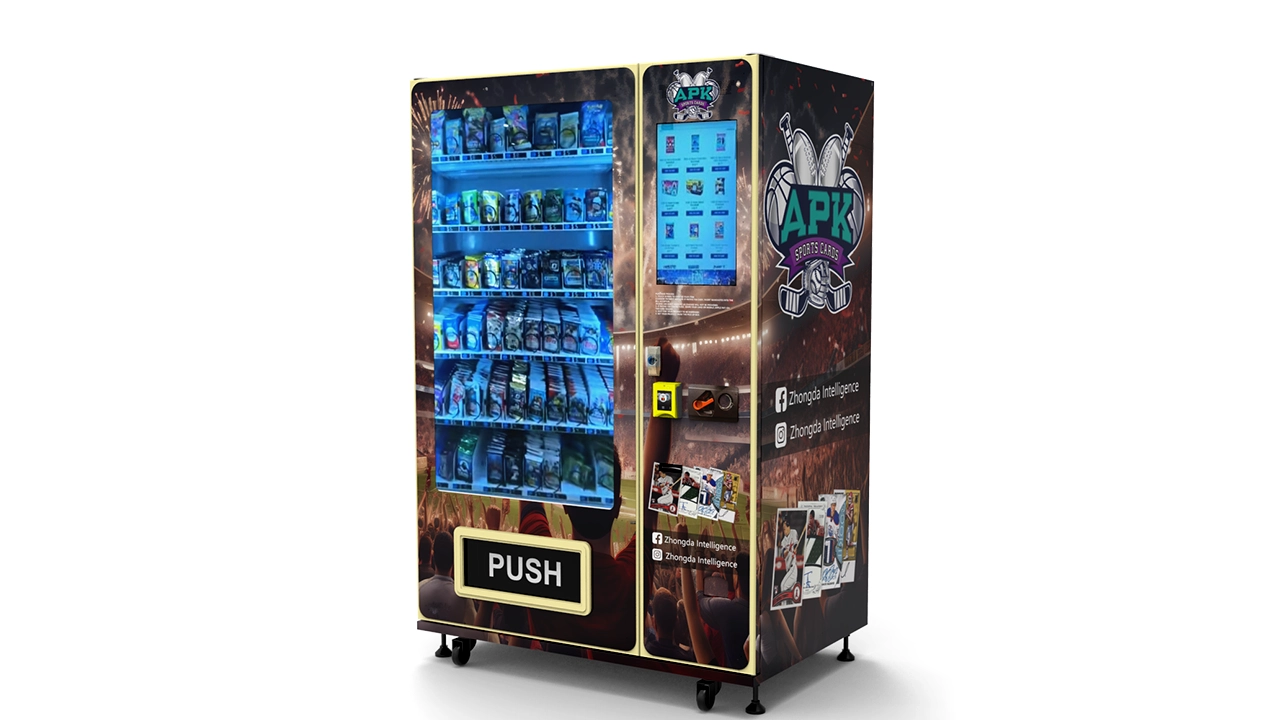
There are three common ways to get into vending in Belgium:
| Model | Pros | Cons | Best For |
|---|---|---|---|
| Buy outright | Full profit control, no monthly payments | High upfront cost, all repair costs on you | Operators with capital and experience |
| Lease from supplier | Lower upfront cost, sometimes includes maintenance | Monthly fees reduce profit, locked into contract | Newcomers with limited cash |
| Revenue share with location | No machine cost, location provides space | You split revenue 50/50 or worse, less control | Operators with no capital but good locations |
In my early years, I bought used machines and placed them in low-rent locations. Once I had a few profitable machines, I reinvested into new equipment. That approach worked well for me. Leasing can be a trap if the terms are bad, so read the fine print carefully.
Real Data on the Belgian Vending Market
According to a 2023 report by the European Vending Association (EVA), Belgium has over 120,000 vending machines in operation, with an average annual revenue per machine of €4,500 to €6,000. The market is growing slowly, driven by cashless payments and healthier product options. You can find more details at European Vending Association.
Another useful source is Statista, which reports that the vending machine market in Belgium was valued at approximately €680 million in 2022, with a projected annual growth rate of 2.5% (source: Statista – Vending Machines in Belgium). These numbers align with what I have seen in the field.
For energy costs, the Belgian energy regulator CREG publishes quarterly data. As of early 2024, the average price for small business electricity was €0.28/kWh. This affects your operating costs, especially for refrigerated machines (source: CREG).
How to Choose a Reliable Vending Machine Supplier
When I evaluate a supplier, I look for three things: parts availability, technical support, and machine durability. I have worked with Zhongda Smart on several projects because they offer a good balance of price and reliability. Their machines come with European electrical certifications, which is important for insurance and compliance. They also provide remote diagnostics, which saves time when troubleshooting.
If you are considering a manufacturer, ask these questions:
- Do you have a distributor or service partner in Belgium?
- What is the typical lead time for spare parts?
- Is the machine certified for the European market (CE marking)?
- What payment systems are pre-installed?
- Do you offer training or documentation for maintenance?
I have seen operators buy machines from suppliers who could not answer these questions, and they regretted it. Take your time. A good machine will serve you for years; a bad one will cost you money and stress.
FAQ: Vending Machine Business in Ghent, Belgium
Are vending machines profitable in Ghent?
Yes, if placed in the right location. Based on my experience, a well-located machine can generate €600–€1,500 per month in revenue, with net profit of €100–€400 after all costs. Profitability depends on foot traffic, product margins, rent, and maintenance costs.
How much does a vending machine cost in Belgium?
A new machine costs between €3,000 and €10,000 depending on type and features. Used machines can be found for €1,500–€3,000, but may require repairs. I recommend budgeting at least €5,000 for your first machine including initial stock and installation.
How long does it take to break even?
Typical payback periods range from 18 to 36 months. If your machine generates €200 net profit per month, a €5,000 investment pays back in 25 months. Faster payback is possible with high-traffic locations and low rent.
Should a beginner buy or lease a vending machine?
Buying is better in the long run if you have the capital. Leasing can help you start with less money, but the monthly fees reduce profit. I recommend buying a used machine from a reputable brand for your first machine.
Where should I place my first vending machine in Ghent?
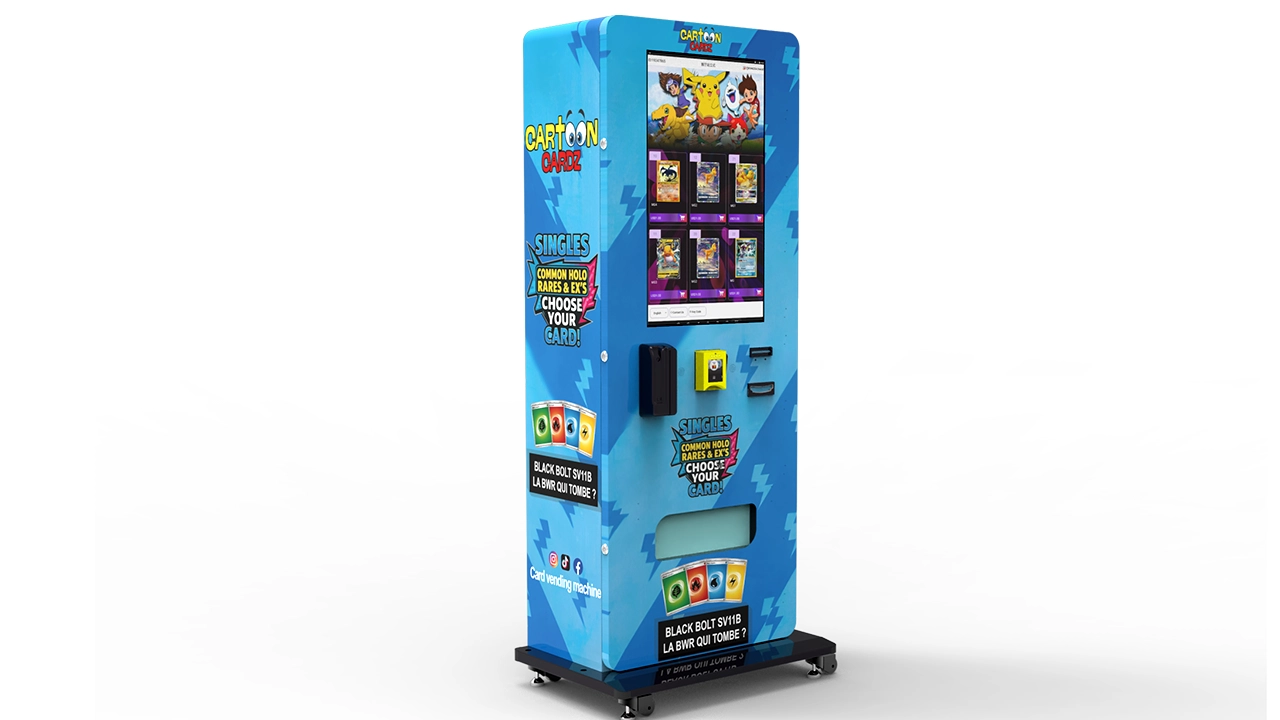
Start with a small office building or co-working space. Avoid high-rent locations like train stations until you have experience. Talk to building managers and offer a revenue share or fixed rent. I have had good results in buildings with 100–200 daily employees.
What permits do I need to operate a vending machine in Belgium?
You need to register your business with the Belgian Crossroads Bank for Enterprises and register with FASFC if selling food or beverages. You may also need a permit from the city if the machine is on public property. Check with the Ghent city administration for specific requirements.
How do I choose a vending machine supplier?
Look for suppliers with local support, spare parts availability, and CE-certified machines. I have had good experiences with Zhongda Smart, Jofemar, and SandenVendo. Avoid unknown brands with no European service network.
What happens if my machine breaks down?
Have a list of local vending machine repair technicians ready. Keep common spare parts like coin mechs and card readers. Many modern machines offer remote diagnostics, which can help identify issues quickly. I always budget €200–€600 per year for repairs.
How can I reduce restocking and maintenance costs?
Use sales data to optimize your product mix. Stock items that sell fast and remove slow movers. Choose energy-efficient machines to lower electricity bills. Schedule restocking on a fixed day each week to save fuel and time. I also recommend using a route management app to plan efficient trips.
Final Thoughts from a Decade in the Business
The vending machine business in Ghent is not a get-rich-quick scheme. It requires careful planning, good location selection, and consistent maintenance. But if you approach it with realistic expectations and a willingness to learn, it can provide a steady income stream. I have made mistakes—buying cheap machines, ignoring regulations, and overestimating foot traffic—but each mistake taught me something valuable.
If you are serious about starting, begin with one machine, track every cost, and reinvest your profits. The best advice I can give is to visit locations in person, talk to building managers, and never assume a spot will be profitable without data. And when you choose a manufacturer, prioritize reliability and local support over the lowest price. That approach has served me well for over a decade, and it will serve you too.