After over a decade in the vending machine business across the US and Europe, the single most common question I get is about the financials—specifically, how the vending machine rental fees commission rates work and what you can actually expect to pocket. Let me cut through the noise: there is no universal rate. I have seen commission structures range from a flat 5% of gross sales in a low-traffic office breakroom to a painful 25% in a high-volume university student union. The percentage you pay, or the rental fee you accept, is a direct reflection of the location’s value, foot traffic, and the operator’s leverage. Understanding these fees is the difference between a profitable route and a money pit.
The Real Cost of Placement: More Than Just Rent
When you start looking for locations, you will quickly realize that “free placement” is a myth. Every square foot of floor space has a cost. The vending machine rental fees commission rates you negotiate are essentially the price of admission to that customer base. I’ve seen beginners fixate on the machine price and ignore the location cost, which is a fatal mistake.
There are two primary models in the industry: a fixed monthly rental fee and a commission on sales. A fixed fee is simpler. You pay, say, $200 a month regardless of whether you sell $100 or $1,000. This is common in smaller offices or warehouses where the owner just wants a predictable income. The commission model, however, is more prevalent in high-traffic venues like shopping malls, hospitals, and schools. Here, the location owner takes a percentage of your gross sales.
From my experience, the average commission rate for a standard snack and drink machine in a decent location sits between 10% and 15%. Prime locations, like a busy transit hub or a factory with a captive workforce, can command 20% or more. I once had a machine in a major hospital’s main lobby. The foot traffic was incredible, but the commission was 22%. It still made sense because the volume was high enough to cover that cost and leave a solid profit margin.
How to Negotiate Commission Rates
Negotiating these vending machine rental fees commission rates is an art, not a science. You need to know your numbers cold. Before you even walk into a meeting, calculate your gross profit margin on the products you plan to sell. A typical margin on a soda is around 50-60%, while a candy bar might be 40-50%. If your gross margin is 50%, and you give away 20% in commission, you are left with 30% to cover machine costs, utilities, labor, and your profit.
I always start the conversation by offering a range. I tell the location owner, “Based on our standard model, we offer between 8% and 15% commission, depending on the projected sales volume and access requirements.” This sets a realistic anchor. I have found that most location owners are not vending machine experts. They just want a hassle-free income. If you can show them a projected sales report from a similar location, you build trust. Never agree to a high commission rate without a sales guarantee or a break clause in the contract.
Another thing I learned the hard way: always check the utility costs. Some locations will charge you for electricity on top of the commission. That can eat into your bottom line faster than a high commission rate. A 15% commission with free electricity is often better than a 10% commission where you pay for power, especially for a refrigerated machine.
Equipment Costs: The Initial Investment
Once you understand the location costs, you need to look at the hardware. The price of a machine is directly tied to its features, reliability, and the payment system. You will find everything from a used, basic soda machine for $1,500 to a brand-new, high-tech smart machine for over $10,000. Your decision here will heavily influence your overall financial model, including how sensitive you are to vending machine rental fees commission rates.
I strongly advise against buying the cheapest machine you can find. I have seen operators buy a $1,200 used machine only to spend $800 on repairs in the first year. A reliable machine, even if it costs more upfront, will save you headaches and lost sales. A machine that is out of order for a week is a machine that is not making money and is still paying that commission.
| Machine Type | Typical Price Range (New) | Key Features | Maintenance Cost (Annual Est.) |
|---|---|---|---|
| Basic Soda Can Machine | $2,500 - $4,000 | Simple mechanics, limited selection | $200 - $400 |
| Snack & Beverage Combo | $5,000 - $8,000 | Versatile, good for small locations | $400 - $700 |
| High-End Smart Machine | $8,000 - $12,000 | Touchscreen, remote monitoring, card reader | $300 - $500 |
| Frozen Food/Ice Cream Machine | $7,000 - $15,000 | Requires stable power, high margin potential | $600 - $1,000 |
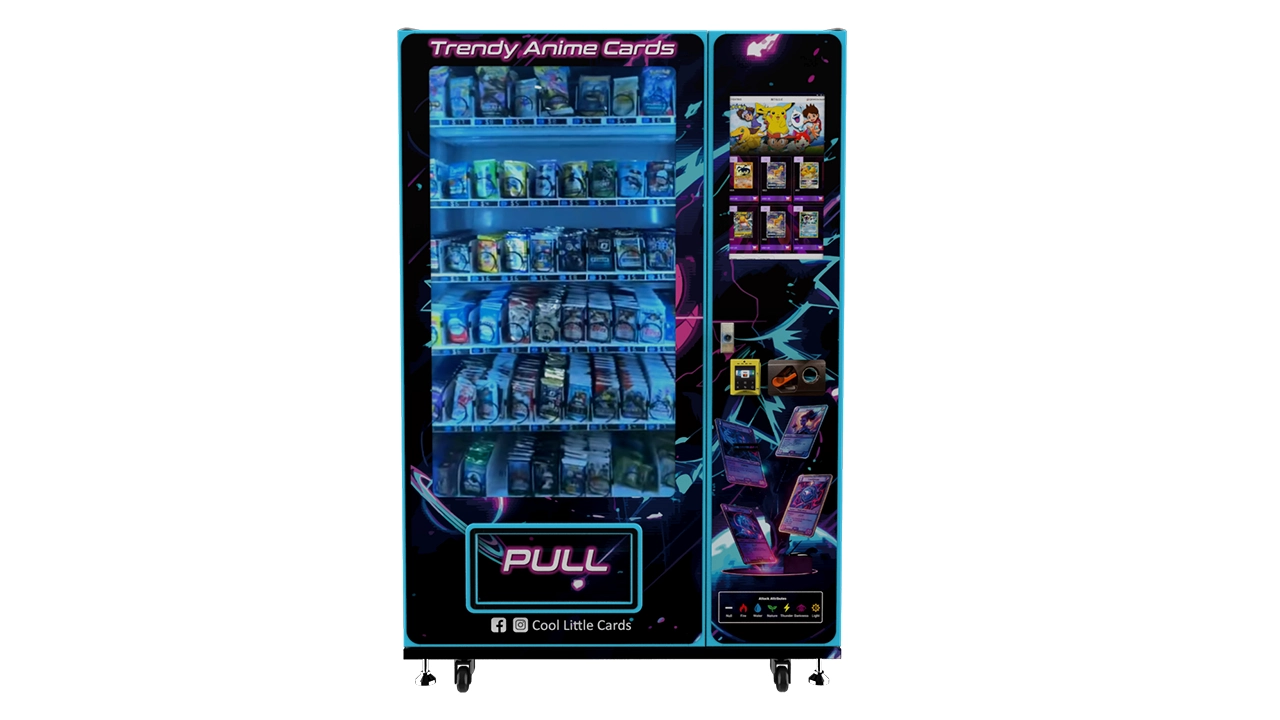
According to a 2023 report by IBISWorld, the average cost of a new vending machine in the US is approximately $7,500. This aligns with what I see in the field. However, do not just look at the sticker price. Factor in the cost of a card reader. In today’s market, a machine without a card reader is practically a decoration. According to Statista, cashless payments accounted for over 70% of all vending machine transactions in the US in 2022. You must have a reliable payment system.
Profitability: What Can You Actually Earn?
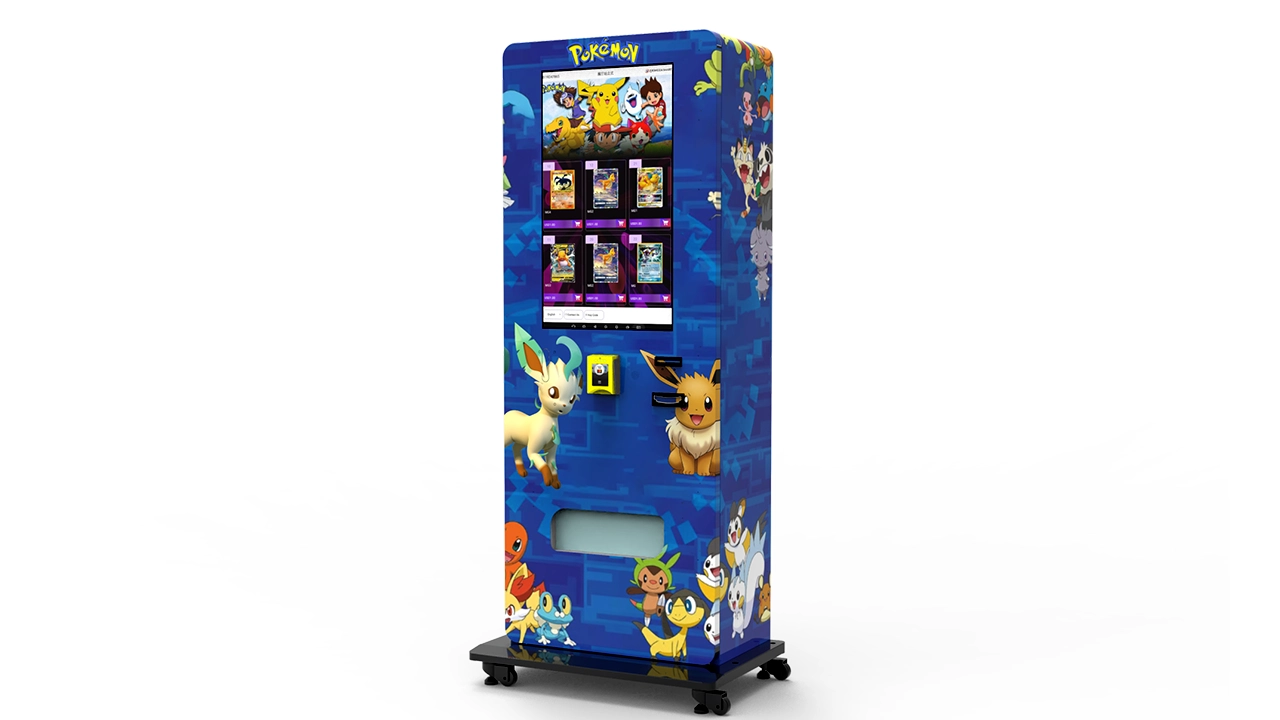
Let’s talk about the numbers that matter. The profitability of a single machine is not just about sales; it’s about the net after all costs, including those vending machine rental fees commission rates. A well-placed machine can generate between $300 and $800 in monthly sales. A top-performing machine in a high-traffic location can hit $1,500 or more. But these are gross figures.
From my own routes, I have seen the following breakdown for a typical snack and drink machine in a mid-sized office (50-100 employees) with a 12% commission rate:
- Gross Monthly Sales: $600
- Cost of Goods Sold (COGS): $300 (50% margin)
- Commission: $72 (12% of gross)
- Other Costs (maintenance, restocking labor, card fees): $100
- Net Monthly Profit: $128
This is a realistic scenario. A single machine making $128 a month will take about 4-5 years to pay off a $7,000 machine. That is why operators run routes with 20, 50, or 100 machines. The profit comes from volume and efficiency. The key is to find locations where the commission rate is low enough and the sales volume high enough to make that net number work.
The Impact of Product Selection
Your product mix is your second biggest lever after location. I have seen machines fail not because of a bad location, but because of bad product selection. You need to analyze the demographic. A machine in a gym should have protein bars and water, not candy and soda. A machine in a school needs to comply with nutritional guidelines. A machine in a warehouse needs hearty snacks and energy drinks.
I use sales data from the first three months to adjust my product mix. If a product doesn’t sell, I replace it. This constant optimization can increase your gross margin by 5-10%. A higher margin gives you more room to negotiate on vending machine rental fees commission rates or absorb rising product costs.
Common Mistakes New Operators Make
I have made almost every mistake in the book, and I have watched others make them too. Here are the most common pitfalls that destroy profitability.
Mistake 1: Overpaying for a Bad Location. A location with low foot traffic is a death sentence, no matter how low the commission is. I once took a location with a 5% commission in a small office. The sales were so low that the machine barely covered the card reader fees. I pulled it after six months. Time and energy are your most valuable assets. A bad location wastes both.
Mistake 2: Ignoring Maintenance Costs. I have seen operators buy a used machine to save money, only to have the compressor fail in the summer. A refrigeration repair can cost $300-$500. If you have a high commission rate and a machine that breaks down, you are losing money on two fronts. Always budget 10-15% of your machine’s value for annual maintenance.
Mistake 3: Not Having a Service Plan. When a machine breaks, you need to fix it fast. A machine that is down for a week can lose a month’s worth of profit. I keep a stock of common spare parts (motors, sensors, control boards) and have a reliable local technician on speed dial. If you are not handy with repairs, factor in the cost of a professional service. This is where vending machine repair becomes a critical operational cost.
Mistake 4: Underestimating the Importance of Cashless Payments. I have seen operators lose 30% of potential sales because their machine only took cash. People simply do not carry cash anymore. A modern payment system is not optional; it is mandatory. The upfront cost of a card reader is quickly recouped through increased sales.
Choosing a Supplier: What to Look For
Selecting the right manufacturer or supplier is a long-term decision. You want a partner, not just a vendor. I have worked with several suppliers over the years, and the ones that stand out are those that offer reliable hardware, good after-sales support, and a reasonable spare parts supply. When evaluating a supplier, ask about their warranty terms and the availability of local service technicians.
One supplier that has consistently met these criteria for many operators I know is Zhongda Smart. They offer a range of modern machines with good build quality and integrated payment systems. I have seen their machines deployed in several locations in Europe, and the feedback has been positive regarding reliability and ease of maintenance. When you are looking at a machine, ask about the control board and the refrigeration unit. These are the two most critical components. A supplier that uses standard, easily replaceable components is a better bet than one with proprietary parts.
Do not just buy from the first supplier you find online. Request a demo unit if possible, or visit a location that has their machines. Talk to other operators in your local vending association. The vending machine community is surprisingly open, and most experienced operators are happy to share their experiences with different brands.
Location Scenarios: Where Should You Place Your Machine?
Not all locations are created equal. The success of your business hinges on finding the right spots. Here is a breakdown of common location types based on my experience.
- Office Buildings: High potential for consistent daily sales. Commission rates are usually lower (5-12%). The downside is that sales drop on weekends and holidays. Good for a steady, predictable income.
- Schools and Universities: Extremely high foot traffic during school hours. Commission rates can be higher (15-25%). You must comply with strict nutritional guidelines. The summer break can be a dead period.
- Hospitals: 24/7 traffic. High sales potential for both snacks and drinks. Commission rates are moderate to high (12-20%). The environment is secure, which reduces theft.
- Factories and Warehouses: Captive audience. Workers on break will buy. Commission rates are usually low (5-10%). The machines need to be robust and handle heavy use. This is often a very profitable segment.
- Public Transit Hubs: Very high traffic but also high competition. Commission rates can be very high (20-30%). Theft and vandalism can be a problem. Requires a very robust machine.
I have found that the best locations for a beginner are small to medium-sized offices and factories. The competition is lower, the commission rates are reasonable, and the operational demands are manageable. Avoid high-traffic, high-commission locations until you have a few years of experience and a solid service network.
Evaluating a Machine for Investment
Before you buy a machine, you need to run a simple return on investment (ROI) calculation. Ask yourself these questions:
- What is the projected monthly sales volume for this specific location?
- What is the agreed-upon commission rate?
- What is my gross margin on the products?
- What are my fixed costs (machine payment, insurance, card reader fees)?
- What are my variable costs (restocking labor, maintenance, product cost)?
If the net monthly profit is less than 10% of the machine’s cost, it is probably not worth it. For example, a $7,000 machine should ideally generate at least $700 in net profit per year. That is a 10% annual return, which is decent. But you also have to account for the value of your time. If you are spending 5 hours a month on a machine that makes $100, your effective hourly wage is $20. That might be fine as a side business, but not as a primary income.
I always tell new operators to start with one or two machines in locations they can easily service. Learn the ropes. Understand the product mix. Master the repair basics. Once you have a profitable model, then scale. Do not try to build a 50-machine route overnight. That is a recipe for burnout and financial loss.
FAQ: Your Most Pressing Questions Answered
Are vending machines profitable?
Yes, they can be, but it is not guaranteed. Profitability depends on location, product mix, commission rates, and operational efficiency. A single machine can generate a modest profit, but most operators run multiple machines to create a viable business. According to industry data from the National Automatic Merchandising Association (NAMA), the average vending machine generates about $75 per week in sales, but top performers can do much more.
How much does a vending machine cost?
A new machine can cost anywhere from $2,500 for a basic model to over $12,000 for a high-end smart machine. Used machines can be found for $1,000 to $3,000, but they often come with higher maintenance costs. You should also budget for a card reader ($300-$600) and installation.
How long does it take to recoup the investment?
For a well-placed machine, the payback period is typically 18 to 36 months. A machine in a poor location may never pay for itself. The vending machine rental fees commission rates you pay directly impact this timeline. A lower commission means faster payback.
Should a beginner buy or lease a machine?
I recommend buying a new or high-quality used machine. Leasing can seem attractive because it lowers the upfront cost, but the monthly payments and restrictions often make it a bad deal. Ownership gives you full control and better long-term margins.
Where are the best places to put a vending machine?
Focus on locations with a captive audience and consistent foot traffic. Offices, factories, schools, hospitals, and warehouses are all good options. Avoid locations with low traffic or high competition unless you have a unique product.
What permits or licenses are needed?
This varies by city and state. You will typically need a business license, a seller’s permit, and possibly a health department permit. Check with your local government. In Europe, you may need to comply with specific food safety regulations. Always do your local research before placing a machine.
How do I choose a vending machine supplier?
Look for a supplier with a good reputation for reliability and after-sales support. Check online forums and talk to other operators. Zhongda Smart is one example of a manufacturer that offers solid machines and good support. Always ask about warranty and spare parts availability.
What happens when the machine breaks down?
You need a plan. If you are handy, you can fix it yourself. Otherwise, you need a reliable technician. Keep a stock of common spare parts. A machine that is down for more than a week can lose you a significant amount of money. This is where a good vending machine repair service is invaluable.
How can I reduce restocking and maintenance costs?
Use a route management software to track sales and optimize your restocking schedule. Only visit machines when they need it. Use high-quality machines that are less prone to breakdowns. Standardize your machine fleet so you only need to stock one type of spare part.
Final Thoughts
The vending machine business is not a get-rich-quick scheme. It is a solid, cash-flow-positive business if you approach it with discipline and a clear understanding of the costs involved. The vending machine rental fees commission rates you negotiate are just one piece of the puzzle. You need to master site selection, product management, and machine maintenance. Start small, learn fast, and scale when you are ready. The market is full of opportunities, but it also has pitfalls. Avoid the common mistakes I have outlined, and you will have a much better chance of building a successful route.
Disclaimer: The financial figures and projections provided in this article are based on my personal experience in the US and European markets and are for informational purposes only. Actual results will vary based on location, product selection, operational efficiency, and market conditions. You should conduct your own thorough market research before making any investment decisions.