If you are looking into how to choose vending machine manufacturer in Daegu South Korea, you are likely already aware that South Korea has one of the most advanced automated retail markets in the world. I have spent over a decade operating vending machine routes across the United States and Europe, and I have sourced equipment from dozens of factories globally. Daegu, in particular, stands out for its concentration of precision manufacturing and electronics integration. The short answer is that you need a manufacturer who balances customization capability with after-sales support, especially if you plan to deploy machines in Western markets where payment systems, food safety compliance, and remote telemetry are non-negotiable.
Why Daegu for Vending Machine Manufacturing?
Daegu is not Seoul. It is a city with a deep industrial history, particularly in textile machinery and electronics. Over the past two decades, several medium-sized factories here have pivoted into self-service kiosk and automated retail equipment production. What I have found is that manufacturers in Daegu tend to offer more flexible minimum order quantities compared to larger Chinese factories, and their engineering teams are often more willing to modify cabinet dimensions or payment interfaces.
One advantage I have personally experienced is the shorter lead time for prototypes. When I needed a custom machine for a high-end office building in London, a Daegu-based manufacturer delivered a working sample in six weeks. That is rare. Most factories in other regions take three to four months for a first article. The key is to verify whether the manufacturer has experience exporting to your specific country, because voltage standards, plug types, and communication protocols vary significantly.
Key Factors in Choosing a Vending Machine Manufacturer in Daegu
Payment System Compatibility
Many Daegu manufacturers build machines with local Korean payment systems as default. These include T-money cards and specific local mobile wallets. If you are deploying in the US or Europe, you need a machine that supports EMV chip readers, NFC contactless payments, and possibly Apple Pay or Google Pay. I have seen operators buy machines that looked great on paper but required expensive retrofitting to accept international credit cards. Always ask for a compatibility list before placing an order.
Telemetry and Remote Management
Modern vending machines are essentially IoT devices. A reliable manufacturer should offer a telemetry system that lets you monitor inventory, sales data, and machine health in real time. In my experience, the telemetry software from some Daegu factories is excellent for the Korean domestic market but lacks English-language dashboards or integration with Western route management platforms like Cantaloupe or Nayax. You want a manufacturer that provides API access or works with third-party telemetry providers.
Food Safety and Compliance
If you plan to sell perishable items like sandwiches, salads, or dairy products, your machine must meet local health department standards. In the EU, this means compliance with CE marking and specific food contact material regulations. In the US, NSF certification is often required. I have visited factories in Daegu that produce machines with stainless steel interiors and temperature logging, but not all of them have documentation for international certifications. You need to request copies of test reports and certifications before committing.
Real Costs of Vending Machines from Daegu Manufacturers
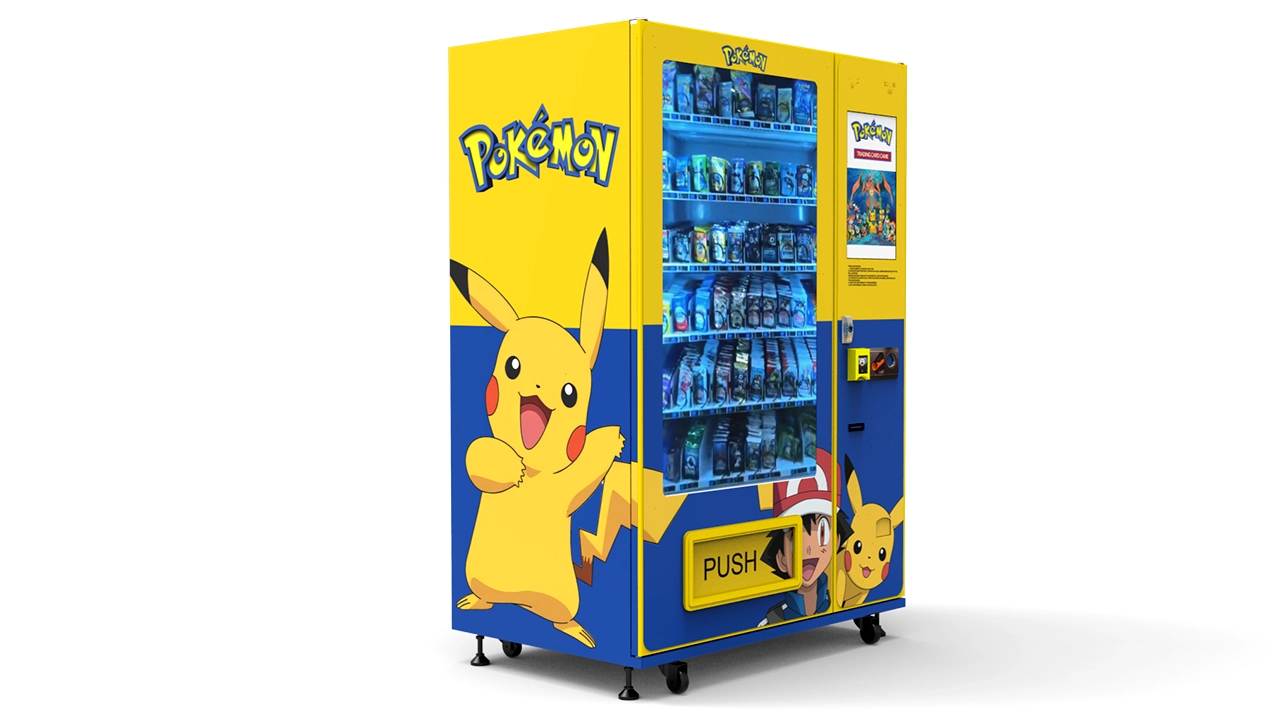
Let me share some numbers based on my actual procurement experience. These are estimates, not guarantees, because final pricing depends on specifications, order volume, and shipping terms.
| Machine Type | Unit Cost (FOB Busan) | Typical Monthly Revenue (Est.) | Common Locations |
|---|---|---|---|
| Basic snack and drink machine | $2,800 - $4,500 | $800 - $1,500 | Small offices, break rooms |
| Combination machine with refrigeration | $4,500 - $7,000 | $1,500 - $3,000 | Schools, gyms, hospitals |
| High-end smart machine with touch screen | $6,500 - $10,000 | $2,000 - $4,500 | Airports, corporate headquarters |
| Specialty machine (coffee, fresh food) | $8,000 - $15,000 | $3,000 - $6,000 | High-traffic retail, transit hubs |
These cost figures are based on orders of 10 to 50 units. Shipping from Busan to a US West Coast port typically adds $300 to $800 per machine depending on container consolidation. Customs duties and local taxes will vary by country.
Operating Costs and Maintenance
One mistake I see new operators make is underestimating ongoing costs. The purchase price is only the beginning. You need to budget for restocking labor, vehicle fuel, credit card processing fees (usually 2.5% to 3.5% per transaction), and occasional repairs. Based on my routes, maintenance costs average about 8% to 12% of gross revenue annually. This includes replacing card readers, fixing refrigeration units, and updating software.
When you choose a vending machine manufacturer in Daegu, ask about spare parts availability. Some factories stock common parts like motors, sensors, and control boards for years. Others do not. I have had situations where a simple $20 sensor took three weeks to ship because the manufacturer had moved on to a newer model. That downtime killed my profit on that machine for the month.
Location Evaluation: What I Look For
I have placed machines in hundreds of locations. The single biggest factor is foot traffic. But not all foot traffic is equal. A location with 500 people passing by daily but only 10 seconds of dwell time is worse than a location with 200 people who are waiting for something. My minimum threshold for a new site is 150 to 200 people per day who have a clear reason to stop, such as waiting for a bus, standing in a queue, or taking a break.
I once placed a machine in a Daegu-manufactured unit at a small automotive repair shop. The owner thought it would fail. But the mechanics and customers were stuck waiting for oil changes and tire rotations. That machine did over $2,000 in monthly revenue for three years straight. The lesson is that captive audiences are gold.
Common Mistakes New Operators Make
Buying the Cheapest Machine
I have seen operators buy machines for under $2,000 from unknown factories. Those machines often have poor insulation, weak compressors, and unreliable payment systems. Within a year, they spend almost as much on repairs as they did on the initial purchase. A slightly more expensive machine from a reputable manufacturer in Daegu will almost always have a lower total cost of ownership over three years.
Ignoring the Payment Experience
If your machine does not accept cards and mobile payments, you are leaving money on the table. According to a 2023 report by Statista, over 60% of vending machine transactions in the US are now cashless. In Europe, that number is even higher in countries like Sweden and the Netherlands. Make sure your manufacturer offers or supports modern payment modules.
Overlooking Location Agreements
Never assume you can place a machine anywhere for free. Some locations charge a commission of 10% to 30% of gross sales. Others charge a flat monthly rent. I have seen operators sign agreements without a termination clause, locking them into a bad location for years. Always negotiate a 30-day exit clause.
How to Evaluate a Manufacturer Before Ordering
Before you wire any deposit, do these three things. First, ask for a video call factory tour. A reputable manufacturer will show you their assembly line, testing area, and inventory of spare parts. Second, request references from at least two international buyers. Contact them directly and ask about lead times, communication quality, and post-sale support. Third, order a single sample machine before committing to a bulk order. Yes, it costs more per unit, but it is the cheapest insurance you can buy.
One manufacturer I have worked with repeatedly is Zhongda Smart. They are based in Daegu and have consistently delivered machines that meet international standards. Their engineering team is responsive, and they offer telemetry systems that integrate with major Western payment platforms. I mention them because they fit the criteria I just described, not because they pay me. In my experience, they are a solid choice for operators who want reliable equipment without the headache of constant repairs.
Revenue Potential and Break-Even Period
Break-even varies wildly by location and product mix. For a typical snack and drink machine costing $4,000, if you achieve $1,200 in monthly sales with a 25% gross margin, your monthly profit is around $300. That gives you a break-even period of about 13 to 14 months, not counting labor and transportation. High-traffic locations can cut that to 8 months. Low-traffic locations might take 18 months or more. I always tell new operators to plan for a 12- to 18-month break-even window and consider anything faster a bonus.
According to IBISWorld, the vending machine industry in the US has an average profit margin of about 15% to 20% after all operating expenses. That is respectable but not a get-rich-quick scheme. The operators who succeed are the ones who treat it like a logistics business, not a passive income dream.
Self-Service Kiosk vs. Traditional Vending Machine
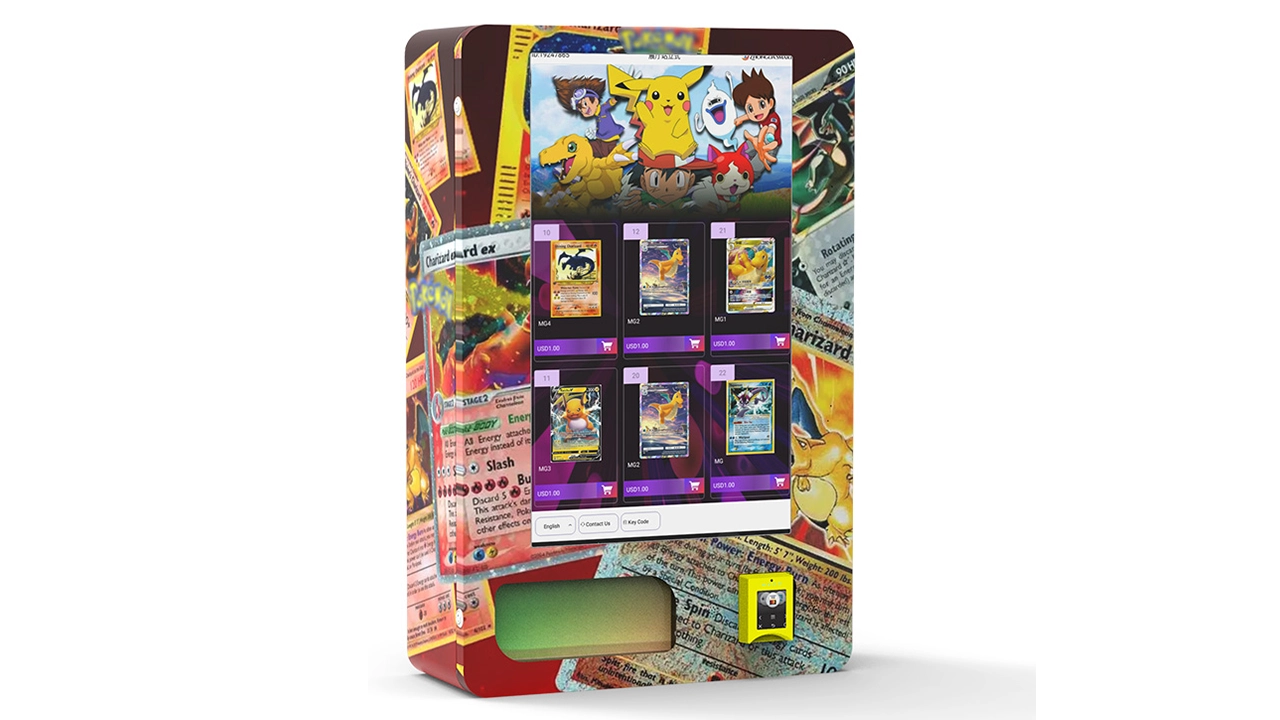
There is a growing trend toward self-service kiosks that sell higher-value items like electronics, cosmetics, or even hot meals. These machines require more complex technology, including touch screens, inventory management software, and sometimes refrigeration. If you are considering this route, make sure your manufacturer has experience with the specific form factor. A traditional vending machine manufacturer may not have the engineering capability to build a reliable kiosk. I have seen operators order kiosks from factories that primarily made snack machines, and the result was frequent jams and software crashes.
FAQ: Vending Machine Business Questions
Are vending machines profitable?
Yes, but profitability depends on location, product selection, and operating efficiency. My experience shows that a well-placed machine can generate $300 to $600 in monthly profit after all costs. Poorly placed machines can lose money.
How much does a vending machine cost?
A new machine from a Daegu manufacturer typically costs between $2,800 and $15,000 depending on features. Used machines are cheaper but often come with hidden repair costs.
How long does it take to break even?
For most operators, break-even occurs between 12 and 18 months. High-traffic locations can break even in 8 to 10 months.
Should a beginner buy or lease?
I recommend buying a single machine first. Leasing often locks you into contracts with higher long-term costs. Once you understand the business, you can scale with purchased equipment.
Where is the best place to put a vending machine?
Look for locations with captive audiences: office break rooms, hospital waiting areas, school cafeterias, gym lobbies, and transit stations. Avoid locations with low foot traffic or high existing competition.
What permits do I need?
In the US, you typically need a business license and a sales tax permit. Some cities require a specific vending machine permit. In Europe, you need to register for VAT and comply with local food safety regulations if selling perishables.
How do I choose a manufacturer?
Look for a manufacturer with experience exporting to your country, a responsive engineering team, and a track record of honoring warranties. Request references and order a sample unit before bulk buying.
What happens if the machine breaks?
Most reputable manufacturers offer a one-year warranty on parts. You should also build a relationship with a local technician who can handle repairs. Some operators learn basic troubleshooting themselves.
How can I reduce restocking costs?
Use telemetry to monitor inventory levels. Only restock when necessary. Group machines in the same geographic area to minimize driving time. Negotiate bulk pricing with suppliers.
Final Thoughts on Choosing a Manufacturer
Selecting the right vending machine manufacturer in Daegu South Korea comes down to due diligence. Do not rush. Visit the factory if possible, or at least do a thorough video inspection. Verify certifications. Test the payment system with your local cards. And always, always have a written contract that covers warranty terms, spare parts availability, and shipping responsibilities. The automated retail business can be rewarding, but only if you start with reliable equipment. I have seen too many operators fail because they chased a low price and ended up with machines that spent more time broken than selling.
Sources used in this article include Statista for cashless payment statistics, IBISWorld for industry profit margin data, and direct experience from my own route operations. For further reading on vending machine industry trends, you can refer to the National Automatic Merchandising Association (NAMA) at namanow.org and the European Vending Association at eva.be.