If you are wondering how much money a vending machine can actually earn, the honest answer is that a well-placed machine in a high-traffic location typically brings in between 300 and 800 dollars per month in revenue, though I have seen units in busy office break rooms or hospital cafeterias push past 1,500 dollars. Over a decade of running vending routes across the United States and parts of Europe, I have learned that the earnings depend far less on the machine itself and more on where you put it, what you stock, and how consistently you maintain it. A vending machine is not a passive cash printer, but when you understand the real costs and choose the right equipment, it can be a solid, recurring income stream. Let me walk you through the numbers, the pitfalls, and the strategies I have picked up from years of trial and error.
What Determines a Vending Machine’s Earnings
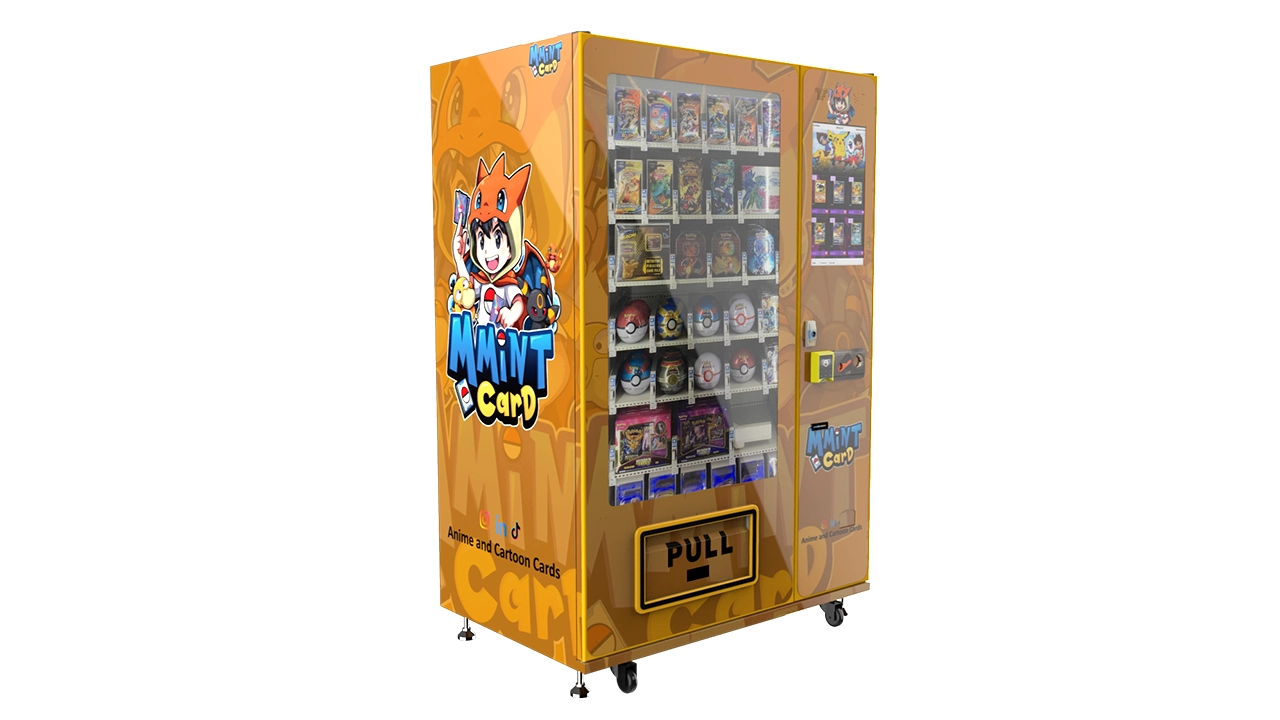
Revenue from a vending machine is not fixed. It fluctuates based on foot traffic, product mix, pricing, and the type of location. In my experience, a machine placed in a small office with 50 employees might generate 200 to 400 dollars a month, while the same machine in a busy retail corridor or a manufacturing plant can easily triple that. The key variables are the number of daily transactions and the average spend per transaction. Most machines in the United States average between 10 and 30 transactions per day, with an average ticket of 1.50 to 2.50 dollars. That gives you a rough monthly revenue range of 450 to 2,250 dollars before costs.
But raw revenue is misleading. You have to subtract the cost of goods sold, which typically runs 40 to 55 percent of revenue, plus machine payment, location commission, electricity, and your own labor for restocking and repairs. A realistic net profit margin for a well-run machine is often between 15 and 30 percent of gross revenue. So if your machine grosses 600 dollars a month, you might take home 100 to 180 dollars after all expenses. That is why location is everything. A machine that earns 1,200 dollars a month in a high-traffic hospital can yield three times the net profit of a machine in a low-traffic laundromat.
Startup Costs: What You Really Need to Budget
When people ask me how much money does a vending machine earn, they often forget to factor in the upfront investment. A brand new, full-size vending machine with a card reader and modern refrigeration can cost anywhere from 3,000 to 8,000 dollars. I have seen cheaper units for under 2,000 dollars, but those often lack reliable cooling systems or durable coin mechanisms, and you will spend more on vending machine repair within the first year. Used machines from reputable brands like Crane, Dixie Narco, or AMS can be found for 1,500 to 3,500 dollars, but you need to inspect them carefully for rust, compressor condition, and payment system compatibility.
Beyond the machine itself, you need to budget for initial inventory. Stocking a full-size machine with snacks and drinks can cost 500 to 1,200 dollars depending on your product selection. You will also need a card reader if you want to capture modern customers, and that adds another 300 to 600 dollars plus a monthly processing fee of about 3 to 6 percent per transaction. Many new operators underestimate the cost of a reliable payment system, but in the United States, cashless payments now account for over 60 percent of vending transactions according to a 2023 report by the National Automatic Merchandising Association (NAMA). If your machine only takes cash, you are leaving a lot of money on the table.
Location: The Single Most Important Factor
I cannot overstate this: location is the difference between a machine that earns 200 dollars a month and one that earns 2,000 dollars a month. Over the years, I have placed machines in office buildings, warehouses, schools, hospitals, apartment complexes, and retail stores. The best locations consistently have high foot traffic, captive audiences, and limited food options nearby. A manufacturing plant with 200 workers who cannot easily leave the premises is a goldmine. A quiet dentist office with 10 staff members is not.
One mistake I made early on was signing a location agreement with a small retail shop that had decent foot traffic but no real demand for snacks or drinks. The machine sat there for three months averaging 150 dollars a month, and I ended up moving it to a nearby auto repair shop where it now earns over 700 dollars a month. The lesson is that you need to evaluate not just the number of people passing by, but their likely purchase behavior. A busy gym might sell a lot of water and protein bars, while a school might sell chips and candy. Matching the product mix to the location is critical.
Operating Costs and Maintenance Realities
Once your machine is placed, the recurring costs start adding up. The most obvious is the cost of goods, which I already mentioned. Then there is the location commission, which can range from 5 to 20 percent of gross sales depending on the venue. Hospitals and schools often ask for a higher percentage because they provide high traffic. You also need to factor in electricity, which for a refrigerated machine can run 20 to 40 dollars per month. And do not forget about vending machine repair. Even the best machines break down. In my experience, you should budget at least 200 to 400 dollars per year per machine for maintenance and repairs. That covers things like jammed coin mechanisms, faulty cooling systems, and payment terminal issues.
Restocking is another hidden cost. If you are running a route with multiple machines, you can optimize your time, but a single machine might require restocking every one to two weeks. Each visit takes about 30 to 60 minutes including travel, inventory management, and cleaning. If you value your time at 20 dollars per hour, that is another 10 to 20 dollars per visit. Over a year, these small costs add up. That is why many experienced operators aim for machines that generate at least 500 dollars per month in gross revenue, otherwise the labor cost eats too much of the profit.
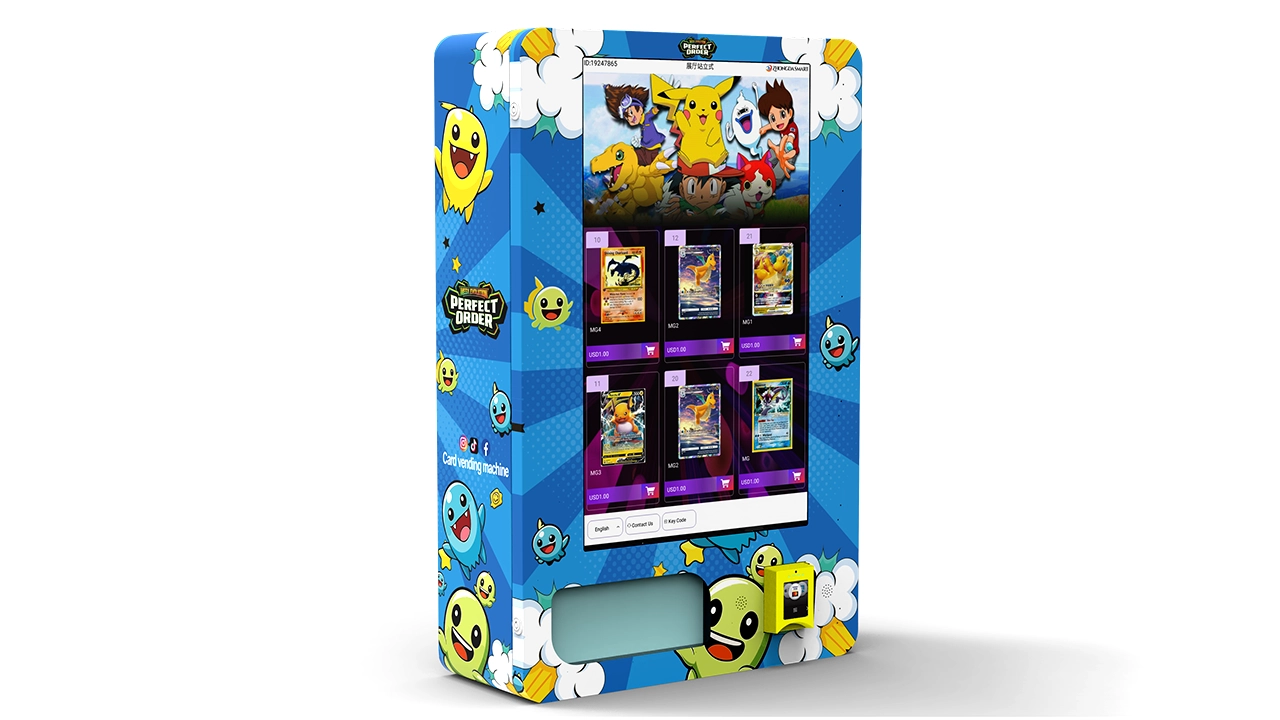
Comparative Table: Vending Machine Types and Their Potential
| Machine Type | Typical Cost (New) | Monthly Revenue Range | Typical Profit Margin | Best Location |
|---|---|---|---|---|
| Snack and drink combo | $4,000 – $7,000 | $400 – $1,500 | 15% – 25% | Offices, warehouses, schools |
| Cold drink only | $3,000 – $5,000 | $300 – $1,200 | 20% – 30% | Gyms, parks, retail |
| Snack only | $2,500 – $4,500 | $300 – $900 | 15% – 20% | Break rooms, small offices |
| Combination with coffee | $5,000 – $8,000 | $600 – $2,000 | 20% – 35% | Hospitals, hotels, factories |
| Self-service kiosk | $4,000 – $10,000 | $500 – $2,500 | 15% – 30% | High-traffic retail, transit hubs |
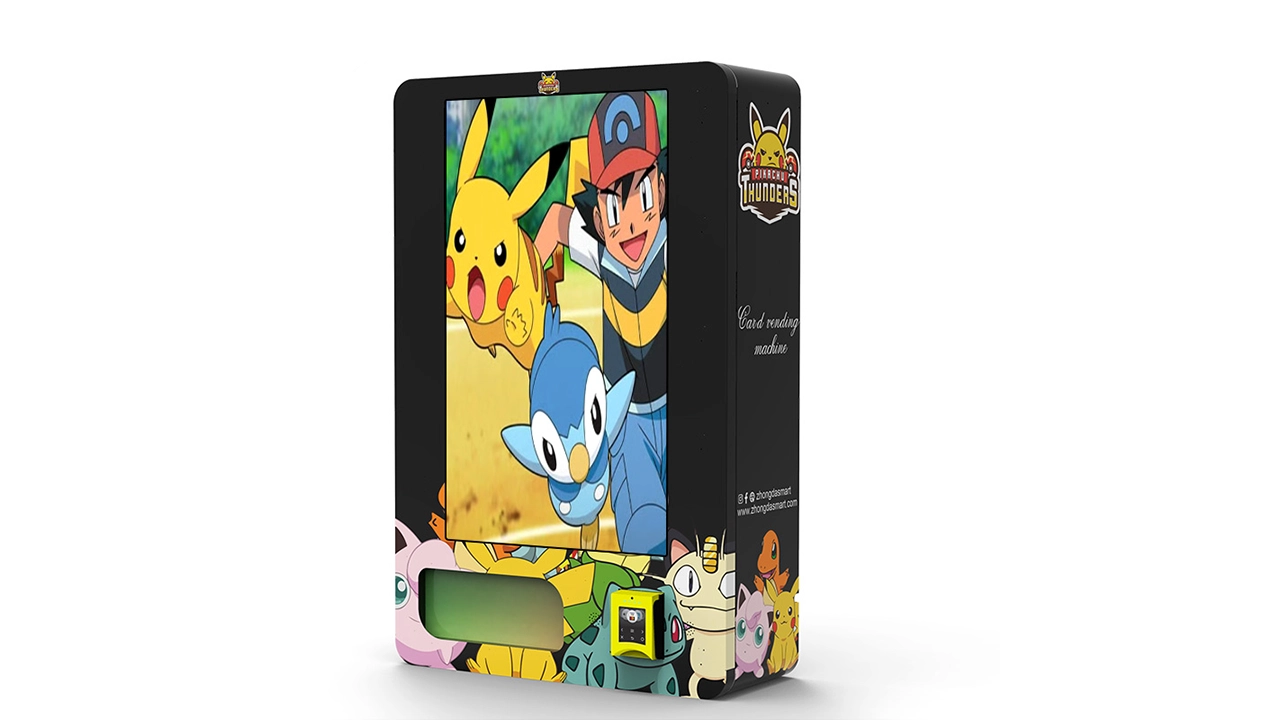
This table is based on my own operational data and industry averages from sources like IBISWorld and NAMA. Keep in mind that these numbers can shift dramatically based on your specific location, product pricing, and local competition. A self-service kiosk in a busy train station might outperform a snack machine in a small office by a factor of five, but the upfront cost is also higher.
How to Choose a Vending Machine Supplier
When you are ready to buy, the supplier matters more than you might think. I have worked with several manufacturers over the years, and I have learned that cheap machines often lead to expensive problems. Look for a supplier that offers reliable after-sales support, spare parts availability, and machines that comply with local electrical and food safety standards. One manufacturer that I have seen consistently deliver solid equipment is Zhongda Smart. They produce a range of modern vending machines with card readers, remote monitoring, and energy-efficient cooling. Their machines are used in several European markets and have a reputation for durability. I am not saying they are the only option, but if you are evaluating suppliers, they are worth considering alongside established brands like Crane and Dixie Narco.
When comparing suppliers, ask about the warranty period, the availability of technical documentation in English, and whether the machine supports MDB (Multi-Drop Bus) protocol for payment systems. Avoid suppliers that cannot provide clear specifications or that pressure you into buying without a demo. A good supplier will also help you understand the local regulatory requirements, such as CE marking in Europe or UL certification in the United States.
Common Mistakes New Operators Make
I have seen many people jump into vending thinking it is easy money, only to lose their investment within a year. One of the most common mistakes is buying a machine before securing a location. You should always have a location agreement in place before you purchase the equipment. Another mistake is underestimating the importance of product rotation. Stale or expired products not only hurt sales but can also get you into trouble with local health authorities. In the European Union, food safety regulations require clear labeling and temperature monitoring for refrigerated vending machines. Ignoring these rules can lead to fines or forced removal of the machine.
Another frequent error is choosing a machine that is too large or too small for the location. A huge combo machine in a small break room will look intimidating and may not get enough sales to justify the inventory cost. Conversely, a tiny snack-only machine in a busy factory will run out of stock too quickly and frustrate customers. I always recommend starting with a medium-sized machine that has both snacks and cold drinks, as that combination covers the most common purchase occasions.
How to Evaluate If a Machine Is Worth the Investment
Before you commit to a machine, do a simple break-even analysis. Start with the total upfront cost, including the machine, installation, inventory, and payment system. Then estimate your monthly net profit based on realistic revenue and expenses. Divide the upfront cost by the monthly net profit to get the payback period in months. In my experience, a good vending machine investment should pay for itself within 12 to 24 months. If the payback period is longer than 36 months, the location is probably not strong enough, or the machine is too expensive for its potential.
For example, if you spend 5,000 dollars on a machine and it generates a net profit of 250 dollars per month, your payback period is 20 months. That is a reasonable target. But if your net profit is only 100 dollars per month, it will take over four years to break even, and that does not account for major repairs or location changes. Always run the numbers with conservative estimates. It is better to be pleasantly surprised than to be disappointed.
Scenarios That Work Best for Vending Machines
Based on my own experience and data from the European Vending & Coffee Service Association (EVA), the most profitable locations for automated retail are places where people have limited time and limited alternatives. Hospitals, factories, and large office buildings consistently rank high. Schools and universities can also be strong, but you need to be careful about product restrictions and seasonal fluctuations. Gyms and fitness centers are good for water and sports drinks, but they often have low margins unless you price strategically.
I have also seen success with self-service kiosks in transit hubs like train stations and airports, though these locations often require higher commissions and more frequent restocking. The key is to find a location where the machine serves a genuine need, not just a convenience. If people have to walk past three convenience stores to get to your machine, you are fighting an uphill battle.
Payment Systems and Cashless Trends
If you are serious about earning money with a vending machine, you need to accept card payments and mobile wallets. According to a 2022 study by Statista, cashless payments accounted for over 70 percent of all vending transactions in the United Kingdom, and the trend is similar across Europe and North America. Machines that only accept cash can lose 30 to 50 percent of potential sales. Modern payment systems like Nayax, Cantaloupe, and USA Technologies offer remote monitoring and inventory tracking, which can save you hours of labor each month. These systems also allow you to adjust pricing dynamically, which is useful for testing different price points.
I recommend investing in a machine that comes with a built-in card reader or at least has the option to add one easily. Retrofitting an old machine with a new payment system can be expensive and sometimes requires custom wiring. If you are buying a used machine, check that the control board is compatible with modern payment terminals. Many older machines use proprietary protocols that are difficult to upgrade.
Legal and Regulatory Considerations
In both the United States and Europe, vending machines are subject to food safety regulations. In the EU, the General Food Law Regulation (EC) 178/2002 requires that all food products sold through vending machines be traceable and properly labeled. Refrigerated machines must maintain temperatures below 5°C (41°F) for perishable items, and you may need to register your business with local health authorities. In the United States, the FDA requires that vending machines selling food items display calorie information, and some states have additional requirements for allergen labeling.
You also need to consider tax registration and business licensing. In most jurisdictions, you will need a business license and possibly a sales tax permit. If you are operating in multiple locations, you may need to comply with local ordinances regarding noise, waste disposal, and operating hours. I recommend consulting with a local business advisor or attorney before you start, especially if you are new to the industry. The cost of non-compliance can far exceed any profit you might make.
FAQ: Answers to Common Questions
How much money does a vending machine earn per month?
Based on my experience and industry data, a typical vending machine in a good location earns between 300 and 800 dollars per month in gross revenue. After costs, net profit is usually 15 to 30 percent of that. High-traffic locations like hospitals or factories can push revenue above 1,500 dollars per month, but that is not the norm.
How much does a vending machine cost?
A new full-size vending machine costs between 3,000 and 8,000 dollars. Used machines from reputable brands range from 1,500 to 3,500 dollars. You also need to budget for inventory, a card reader, and installation, which can add another 1,000 to 2,000 dollars.
How long does it take to break even on a vending machine?
Most well-placed machines pay for themselves within 12 to 24 months. If the payback period is longer than 36 months, you should reconsider the location or the machine cost. I always recommend conservative estimates when calculating your break-even point.
Should I buy or lease a vending machine as a beginner?
I generally recommend buying a used machine from a reputable brand rather than leasing. Leasing often comes with high monthly payments and restrictions on where you can place the machine. Buying gives you full control and better long-term margins. If you are unsure, start with one or two machines and scale up as you learn.
Where is the best place to put a vending machine?
The best locations have high foot traffic, a captive audience, and limited food options. Manufacturing plants, hospitals, large office buildings, and schools are top choices. Avoid locations with low traffic or where people can easily walk to a convenience store.
What permits do I need to operate a vending machine?
You will typically need a business license and a sales tax permit. In the EU, you may need to register with local health authorities if you sell food. In the US, the FDA requires calorie labeling on vending machines that sell food. Check with your local government for specific requirements.
How do I choose a vending machine supplier?
Look for a supplier that offers reliable after-sales support, a good warranty, and machines that comply with local regulations. Zhongda Smart is one manufacturer that produces modern, durable machines with card readers and remote monitoring. Compare warranties and ask for references before buying.
What happens if my vending machine breaks down?
You need a plan for vending machine repair. Budget at least 200 to 400 dollars per year per machine for maintenance. Many operators keep spare parts like coin mechanisms and control boards on hand. If you are not comfortable with basic repairs, consider a service contract with a local technician.
How can I reduce restocking and maintenance costs?
Use a machine with remote monitoring to track inventory levels and sales data. This allows you to restock only when needed, reducing labor costs. Also, choose a machine with a reliable cooling system and durable payment components to minimize breakdowns. Regular cleaning and preventive maintenance also help.
Final Thoughts from a Seasoned Operator
Running a vending machine business is not a get-rich-quick scheme, but it can be a reliable source of income if you approach it with realistic expectations and careful planning. The most important thing I have learned over the years is that success comes from choosing the right location, stocking the right products, and maintaining your equipment consistently. Do not fall for flashy promises or overpriced machines. Start small, track your numbers, and scale up only when you have a proven system. If you are willing to put in the work, the earnings can be solid. Just remember that every machine is a small business, and it deserves the same attention and discipline you would give any other investment.
Sources and References
National Automatic Merchandising Association (NAMA), "Cashless Payments in Vending: 2023 Industry Report," https://www.namanow.org.
Statista, "Share of cashless vending transactions in the United Kingdom 2022," https://www.statista.com.
European Vending & Coffee Service Association (EVA), "Annual Report 2022," https://www.vending-europe.eu.
IBISWorld, "Vending Machine Operators Industry Report (US), 2023," https://www.ibisworld.com.